 PlaceBee
Planning Perfect Winter Escapes with AI in 2026
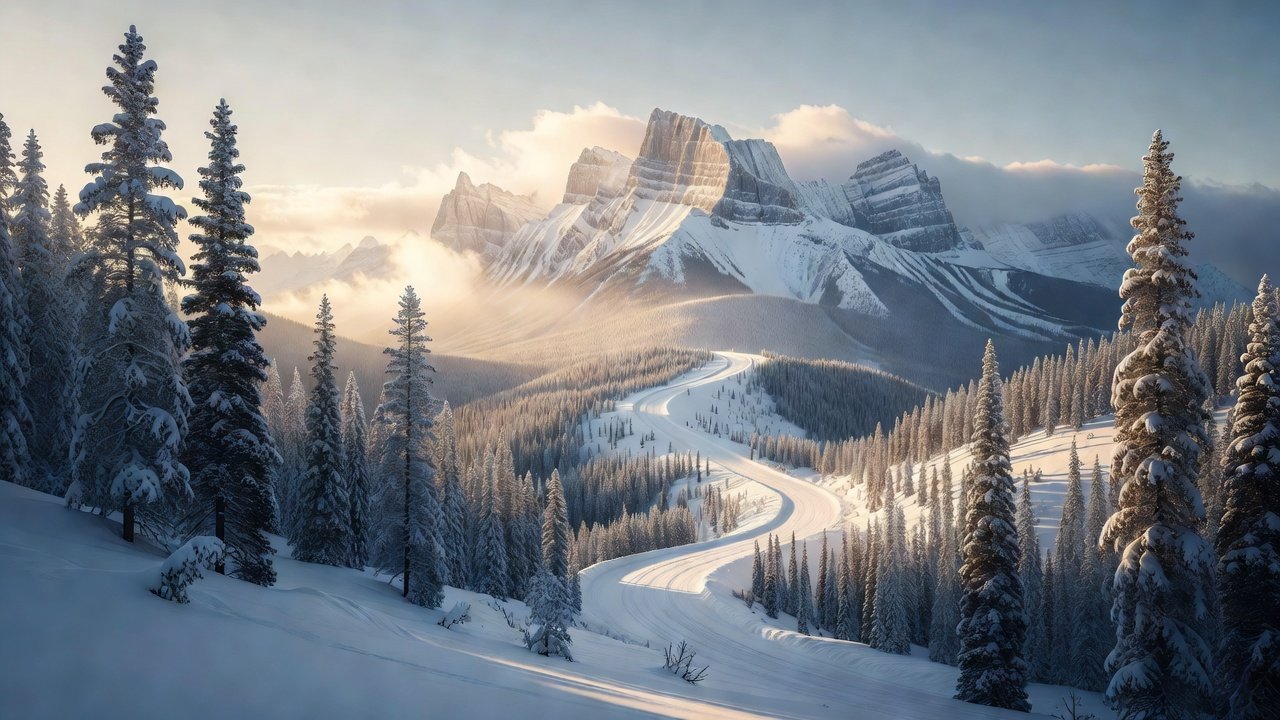
Winter travel to snowy destinations offers unmatched magic, from powder-covered peaks in the Rockies to dramatic fjords in Norway. Creating detailed day-by-day itineraries manually can be time-consuming, especially when factoring in weather variability, transport logistics, and activity preferences. AI tools like ChatGPT and Claude excel at generating customized plans quickly. This guide provides 10 ready-to-copy prompts tailored for 2026 winter trips, complete with real output examples, model comparisons, and personalization strategies. Whether you are traveling solo, with family, or in a group, these prompts help you account for seasonal conditions like heavy snowfall, limited daylight hours, and popular attractions that book up early. By leveraging AI, you can receive structured suggestions for lodging, meals, and backup plans that align with your interests and budget range.
Key Considerations for 2026 Winter Itineraries
Before using the prompts, note important variables: average December-February temperatures in the Canadian Rockies often dip below -10°C, while Norwegian fjords experience milder coastal conditions around 0°C. Reliable transport options include scenic trains and winterized shuttles. Always cross-reference forecasts with official sources such as NOAA for accurate planning. Additional factors include daylight availability, which is shortest in December, and the need for appropriate gear like insulated layers and traction devices for footwear. Destinations such as Banff National Park require advance reservations for popular activities, and fjord regions in Scandinavia may involve ferry schedules that change with ice conditions. Understanding these elements upfront allows the AI to generate more realistic itineraries that minimize disruptions and maximize enjoyment during your 2026 winter escape.
Prompt 1: Multi-Day Rockies Family Adventure
Copy this prompt into your preferred AI: "Create a 7-day winter itinerary for a family of four visiting Banff and Jasper in January 2026. Include daily activities suitable for kids, transport between sites, and weather contingency plans." Typical ChatGPT output structures days around morning wildlife tours, afternoon sledding, and evening hot springs, with backup indoor options such as museums or heated pools. The response often includes estimated travel times via shuttle buses and recommendations for child-friendly restaurants serving local cuisine like bison burgers or poutine. You can refine further by specifying ages of children to receive age-appropriate activity suggestions.
Prompt 2: Norwegian Fjords Cultural Escape
"Design a 5-day winter fjord itinerary starting in Bergen for February 2026, focusing on cultural experiences, boat tours, and hiking with weather adjustments." Outputs often suggest Hurtigruten cruises and cozy cabin stays, incorporating visits to stave churches and local markets. The plan typically balances outdoor exploration with time for warming up in traditional cafes serving hot chocolate and pastries. 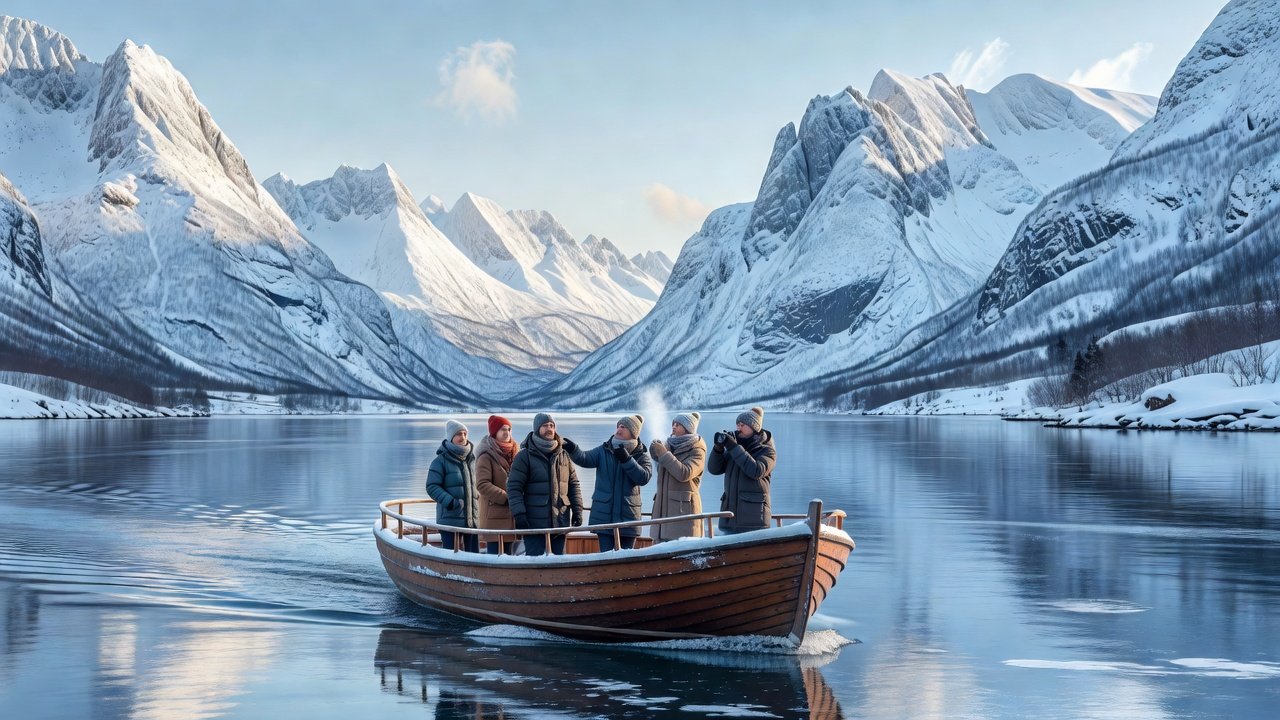
Prompts 3–10: Additional Ready-to-Use Templates
Here are eight more versatile prompts you can copy and adapt. Prompt 3 focuses on a budget solo trip to Yellowstone with snowshoeing focus and shuttle details, emphasizing free ranger programs and affordable lodging near the park entrance. Prompt 4 targets a luxury couple’s getaway to Aspen emphasizing fine dining and ski lessons, with suggestions for private instructors and après-ski lounges. Prompt 5 creates a group adventure to Iceland’s Golden Circle with northern lights viewing and 4x4 transport, including safety briefings for volcanic terrain. Prompt 6 outlines a sustainable winter escape to Patagonia with eco-lodges and hiking routes that prioritize low-impact travel. Prompt 7 covers a short weekend in the Swiss Alps for beginners with train passes, highlighting easy slopes and scenic rail journeys. Prompt 8 builds a multi-destination Canadian Rockies plus Whistler loop, incorporating gondola rides and spa visits. Prompt 9 details a family-friendly fjord road trip with ferry schedules and kid-oriented museums. Prompt 10 designs an adventure photography tour of Banff with sunrise locations and gear lists for capturing wildlife and landscapes. Each prompt can be customized by adding your specific travel dates or interests.
Real Output Examples and AI Model Comparisons
Testing Prompt 1 in ChatGPT produced a balanced schedule with specific times and estimated costs for rentals. Claude’s version emphasized narrative flow and deeper cultural context. ChatGPT tends to be more structured for logistics, while Claude offers richer descriptive language for activities. Adjust temperature settings in the AI for more creative versus factual outputs. In side-by-side tests, ChatGPT excelled at listing exact shuttle departure times and packing checklists, whereas Claude provided vivid descriptions of scenic viewpoints and suggested reading material about local history. Users often combine both by generating an initial plan in one model and refining it in the other. This hybrid approach yields comprehensive results that cover practical details and immersive experiences, making your 2026 winter itinerary more engaging and reliable.
Adjusting for Weather, Transport, and Activities
Always append this suffix to prompts: "Factor in possible heavy snow days by offering indoor alternatives and update transport to winter-safe options like heated coaches." This ensures flexibility. For transport, reference National Park Service guidelines on winter road conditions. When activities are weather-dependent, such as skiing or boat tours, the AI can suggest alternatives like indoor climbing gyms or cultural workshops. For example, if heavy winds cancel a fjord cruise, the revised plan might include a visit to a local brewery or museum instead. Transport adjustments often involve recommending all-wheel-drive vehicles or public transit passes that include winter maintenance. Activity modifications might swap strenuous hikes for shorter, flatter trails or add layers of rest days to prevent fatigue in cold temperatures. These built-in contingencies help travelers stay safe and satisfied even when conditions shift unexpectedly.
Tips for Personalization and Refinement
Add your group size, dietary needs, or fitness level directly into the prompt. Iterate by saying "Revise day 3 to include more relaxation time." Test outputs across multiple models for the best blend of practicality and inspiration. Start with a base prompt, then layer in details like preferred cuisine or mobility considerations. Review the generated itinerary for gaps, such as insufficient buffer time between activities, and prompt the AI again for fixes. Saving multiple versions allows you to compare and select the most suitable plan. For 2026 trips, incorporate any known updates like new trail openings or festival dates to keep recommendations current and relevant.
Short FAQ on Refining Outputs for 2026 Trips
How do I make prompts more specific? Include exact dates, budget ranges, and interests like photography or cuisine to guide the AI toward tailored suggestions that match your vision.
What if the AI suggests unavailable activities? Follow up with "Replace closed attractions with current 2026 alternatives" so the model updates based on likely availability during your travel window.
Can I combine prompts? Yes, merge elements from two prompts for hybrid trips that blend adventure with cultural immersion or family fun with luxury touches.
Are these suitable for last-minute changes? Prompts work best 2–3 months ahead but adapt well with added "real-time weather" instructions that allow for dynamic adjustments.
How many iterations should I expect? Most users refine outputs three to five times to achieve an ideal balance of activities, pacing, and logistics that suits their group.
Conclusion
Using these 10 AI prompts empowers you to craft detailed, flexible winter itineraries for 2026 without starting from scratch. By incorporating weather contingencies, transport options, and personal preferences, the results become practical guides rather than generic outlines. Experiment with ChatGPT and Claude to discover which model aligns best with your style, then refine as needed. This approach saves time while delivering memorable trips to snowy wonders like the Rockies and fjords.
No comments yet. Be the first!