 PlaceBee
Introduction to 2026's Emerging Photography Hotspots
Photography enthusiasts seeking fresh inspiration beyond crowded classics will find 2026 offers remarkable emerging destinations. These lesser-known locations span continents and deliver exceptional opportunities for landscape, cultural, and wildlife photography. Each spot includes practical advice on timing, gear, and techniques to capture unforgettable images while emphasizing sustainable travel practices that respect local communities and environments.
Travelers planning dream trips should prioritize permits and local regulations early. This guide emphasizes lesser-known locations to avoid overlap with popular tourist circuits. Whether you are drawn to dramatic volcanic landscapes, ancient forests, or remote dunes, these hotspots provide unique visual stories. Planning involves understanding seasonal weather patterns, necessary equipment, and real-world itinerary examples that balance adventure with photographic productivity. From high-altitude deserts to island ecosystems, the following destinations offer varied challenges and rewards for photographers of all experience levels.
Danakil Depression, Ethiopia
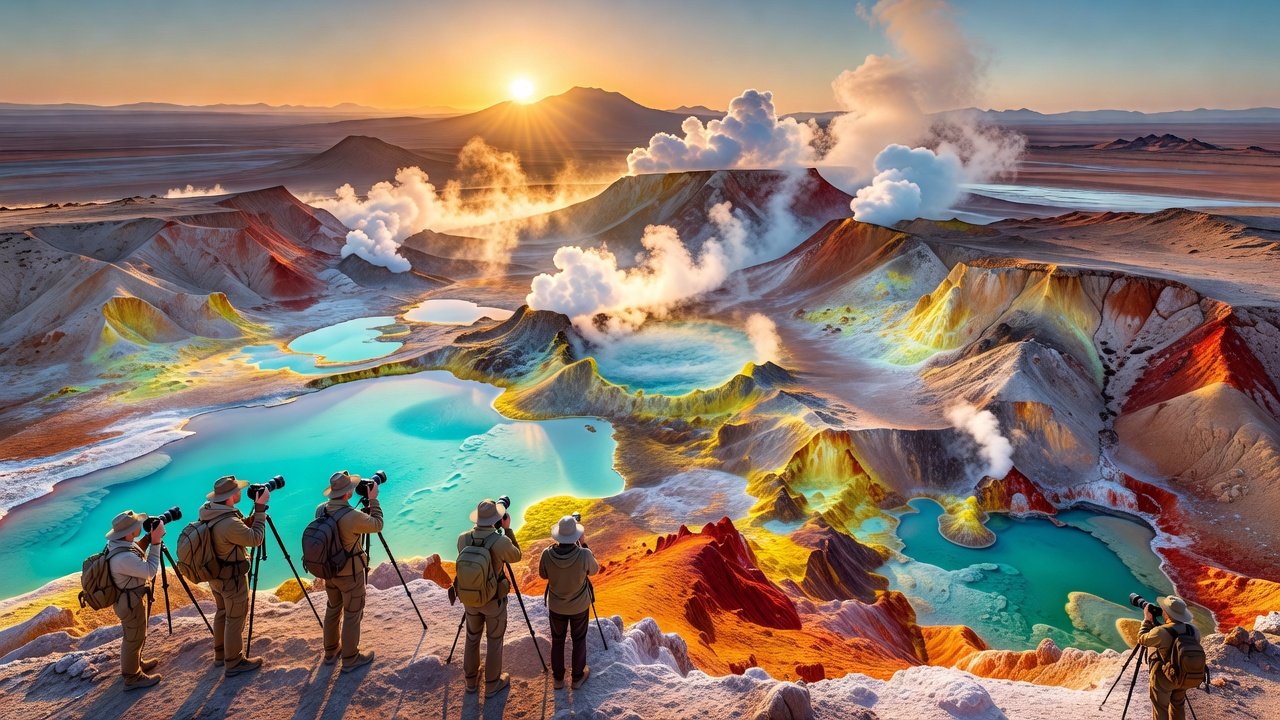
The Danakil Depression offers otherworldly landscapes with colorful mineral deposits and active volcanoes. Visit between October and March for cooler temperatures ideal for dawn shoots of Erta Ale lava lake. Use a sturdy tripod and ND filters for long exposures of bubbling sulfur pools. Recommended gear includes wide-angle lenses, protective clothing against extreme heat, and extra batteries due to limited charging options. A sample 5-day itinerary starts in Mekele with camel-supported treks to salt flats at sunrise, allowing time for midday rest and evening astrophotography sessions under clear skies. Photographers should prepare for harsh conditions by carrying ample water and using lens hoods to combat dust.
Spiti Valley, India
High-altitude deserts and ancient monasteries make Spiti Valley perfect for cultural and landscape photography. Optimal shooting occurs May to October when roads are accessible. Capture star trails at night with fast prime lenses and capture prayer flags against snow-capped peaks during golden hour. Pack layered clothing, altitude medication, and memory cards for extended shoots. A 7-day loop from Manali includes Key Monastery at sunrise, visits to remote villages for portrait sessions, and stops at high passes for panoramic vistas. Local guides can assist with access to restricted cultural sites while ensuring respectful photography practices.
Lencois Maranhenses National Park, Brazil
Shifting sand dunes interspersed with turquoise lagoons create unique compositions. June to September offers peak water levels for reflections and mirror-like surfaces. Bring polarizing filters and drone permits if applicable, as certain zones restrict unmanned aerial vehicles. A 4-day itinerary from Sao Luis features boat transfers across lagoons, night photography sessions highlighting bioluminescent elements, and hiking routes that reveal hidden freshwater pools. Photographers benefit from lightweight backpacks and lens cloths to manage sand exposure during windy afternoons.
Kamchatka Peninsula, Russia
Volcanic terrain and brown bear habitats provide wildlife and dramatic landscape opportunities. July to September is prime season for observing bears fishing in rivers. Telephoto lenses and bear spray are essential, along with weather-sealed camera bodies. Join guided 10-day expeditions starting in Petropavlovsk that include helicopter transfers to remote calderas and overnight camps near geysers. Examples of successful shots include close-ups of bears against steaming fumaroles and wide vistas of snow-streaked volcanoes at dusk.
Yakushima Island, Japan
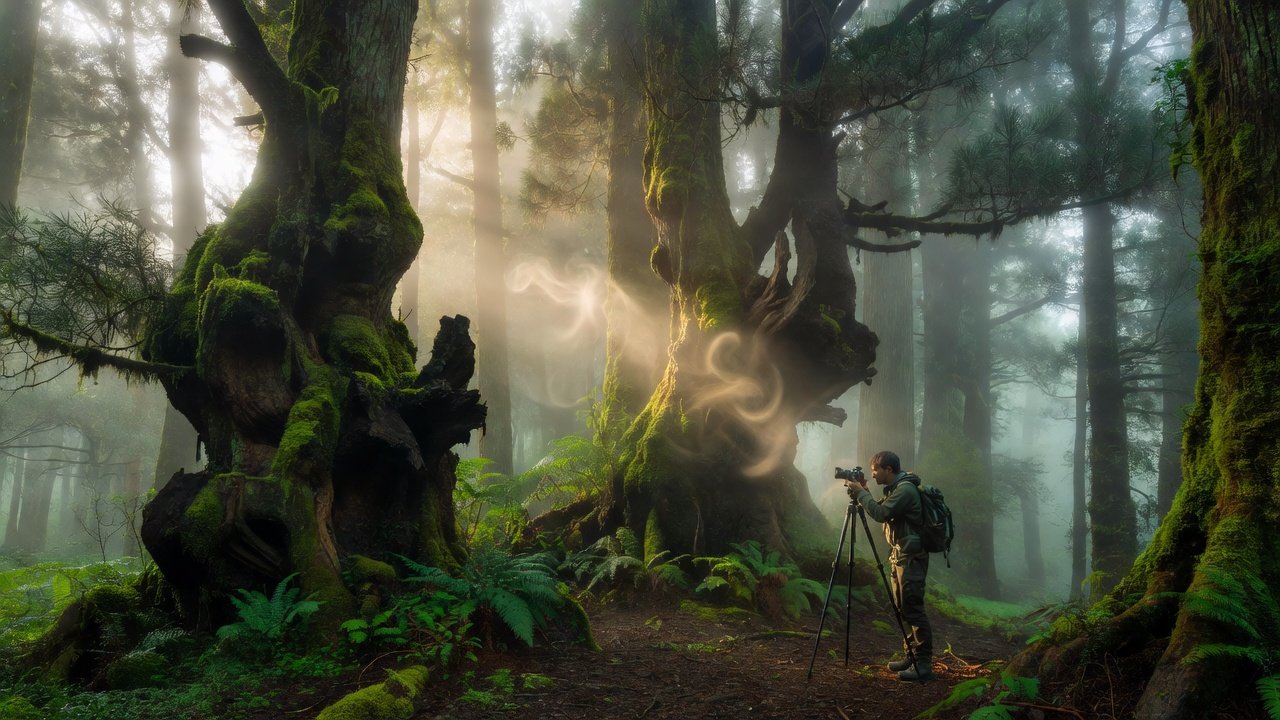
Ancient cedar forests and mossy landscapes suit moody, atmospheric shots. Year-round access peaks in spring for rhododendrons and autumn for colorful foliage. Macro lenses excel here for capturing intricate bark textures and delicate ferns. A 3-day hiking itinerary from Miyanoura includes Yakusugi Cedar trails with early morning starts to avoid crowds and capture soft light filtering through the canopy. Photographers should use rain covers and tripods for long exposures in the humid environment.
NamibRand Nature Reserve, Namibia
Endless dunes and clear night skies deliver stellar landscape and astrophotography. April to October avoids extreme heat while offering optimal star visibility. Wide-angle lenses and star trackers are key for Milky Way compositions. A 6-day safari itinerary from Windhoek includes private conservancy access, guided night drives, and sunrise dune climbs for shadow patterns. Always check current fuel prices and vehicle requirements before departure as of late 2026.
Aysen Region, Chile
Remote fjords and Patagonian peaks offer pristine wilderness shots. December to March provides long daylight hours for extended shooting days. ND filters and weather-sealed cameras are recommended for waterfall long exposures and glacial ice details. A 9-day itinerary from Coyhaique includes boat and trekking segments with stops at marble caves and hanging glaciers. Carry satellite communication devices given the remote nature of trails.
Snaefellsnes Peninsula, Iceland
Dramatic cliffs, black sand beaches, and glaciers create varied compositions. June to August maximizes light for continuous shooting. Include a polarizing filter and waterproof gear for coastal spray. A 4-day self-drive loop from Reykjavik covers iconic yet quieter viewpoints including basalt columns and hidden waterfalls. Photographers can combine this with nearby hot springs for contrast in textures and colors.
Permits, Drone Rules, and Expanded Packing Checklist
Research local permits via official tourism boards before travel. Drone regulations vary widely; check FAA guidelines for international equivalents and always verify country-specific rules. Additional resources include World Health Organization travel advisories for health preparations and UNWTO tourism insights for sustainable practices. Core packing list: camera body, three lenses covering wide to telephoto ranges, extra batteries, rain covers, first-aid kit, headlamp, and portable power banks. Add altitude sickness remedies for high-elevation sites and insect repellent for forested areas.
Frequently Asked Questions
- What permits are needed for remote areas? Most require advance applications through local operators or government portals.
- Are drones allowed? Restrictions apply in national parks; obtain written permission where required.
- Best time for beginners? Choose lower-difficulty spots like Snaefellsnes or Yakushima first.
Comparison Table for Traveler Types
| Destination | Difficulty Level | Wanderlust Impact | Best For |
|---|---|---|---|
| Danakil Depression | High | Extreme | Adventurous landscape photographers |
| Spiti Valley | Medium | High | Cultural explorers |
| Lencois Maranhenses | Medium | High | Reflection and drone enthusiasts |
| Kamchatka Peninsula | High | Extreme | Wildlife specialists |
| Yakushima Island | Low | Medium | Beginner forest photographers |
| NamibRand Nature Reserve | Medium | High | Astro and dune lovers |
| Aysen Region | High | Extreme | Remote trek photographers |
| Snaefellsnes Peninsula | Low | Medium | Accessible Iceland alternatives |
Conclusion
These 2026 hotspots promise transformative visual experiences. Plan responsibly, respect local communities, and prioritize safety for the ultimate wanderlust photography adventure. Start booking early to secure permits and ideal seasonal windows while building skills progressively across destinations.
No comments yet. Be the first!