 PlaceBee
Introduction: Your First Adventure Awaits
Planning your first international trip can feel overwhelming, but with the right approach you can confidently pick destinations that match your preferences. This beginner guide provides an actionable framework to evaluate options for 2026 travel, helping you build excitement while avoiding common pitfalls. Whether you crave culture, relaxation, or light adventure, the process below will lead you to memorable experiences. First-time travelers often succeed when they take time upfront to understand their own needs rather than chasing viral trends. By following structured steps you will reduce anxiety and create a trip that feels personal and rewarding from start to finish.
Start by reflecting on what excites you most about travel. Many first-timers discover that aligning choices with personal interests leads to higher satisfaction and smoother trips overall. Consider past short trips or even local outings that brought you joy; these clues help predict what international destinations will feel right. The goal is not perfection but progress toward a well-matched journey.
Assessing Your Travel Style and Preferences
Before browsing destinations, define your travel personality in detail. Do you prefer bustling cities with museums and cafés or serene natural landscapes with hiking trails? Consider pace: fast-paced itineraries suit energetic explorers who enjoy early mornings and late evenings, while slower trips appeal to those seeking rest and deeper immersion. Factor in group dynamics—if traveling solo, prioritize welcoming spots with good public transport and social hostels; couples or families may favor romantic or kid-friendly locations with flexible pacing.
Write down three must-have experiences, such as tasting local cuisine, visiting historic sites, or hiking scenic trails. This list narrows options quickly and keeps planning focused. For example, a food lover might lean toward Italy or Thailand, while a nature enthusiast could choose Iceland or Costa Rica. Also evaluate your comfort with language barriers, time zone changes, and physical activity levels. Budget awareness matters too: some destinations offer excellent value for money while others require careful spending. Revisit this self-assessment after initial research to refine your shortlist.
Using Online Tools for Research
Leverage trusted platforms to gather current insights and avoid outdated advice. Sites like official tourism boards and review aggregators offer photos, sample itineraries, and active traveler forums. Cross-reference multiple sources to verify information and spot seasonal trends specific to 2026, such as new flight routes or sustainability initiatives. Interactive maps and virtual tours let you preview neighborhoods, attractions, and even hotel views before booking.
Combine these digital tools with recent traveler reports for real-world tips on crowds, transportation quirks, and hidden gems. Set up alerts for destination-specific news so you stay informed about any developments closer to your travel window. This thorough research phase builds confidence and helps you anticipate challenges.
Evaluating Safety and Accessibility
Safety remains a top priority for beginners. Check government advisories and health resources before finalizing plans. CDC travel health notices provide up-to-date vaccination and disease information. Similarly, World Health Organization guidance covers global health recommendations. Review accessibility through public transit availability, English signage, and walkability scores. Destinations with strong tourist infrastructure reduce stress for first-timers.
Consider practical factors like reliable internet for navigation apps, clear emergency services, and inclusive facilities for different mobility needs. Reading recent traveler forums adds context that official advisories may miss, such as neighborhood safety variations or common scams to avoid.
Seasonal Considerations for 2026
Weather, crowds, and event calendars fluctuate throughout the year. Shoulder seasons often deliver pleasant temperatures with fewer visitors and better availability. For 2026, research major events such as festivals, sports tournaments, or holidays that might affect availability and atmosphere. Align your trip with favorable conditions for outdoor activities or indoor cultural pursuits. Climate patterns may shift slightly due to broader environmental trends, so checking long-range forecasts helps with packing decisions. Choosing shoulder periods also supports more sustainable tourism by spreading visitor impact.
Example Destinations with Detailed Pros and Cons
Here are four diverse beginner-friendly options to illustrate the decision process. Each includes practical details to help you compare.
1. Paris, France
Pros include iconic landmarks like the Eiffel Tower and Louvre, an excellent food scene with bakeries and markets, plus an efficient metro system that makes getting around straightforward. The city offers beautiful walks along the Seine and easy day trips to Versailles. Cons involve potential crowds in peak summer months, occasional language barriers for non-French speakers, and higher costs for central accommodations. First-timers benefit from staying in well-connected arrondissements and using public transport passes.
2. Bali, Indonesia
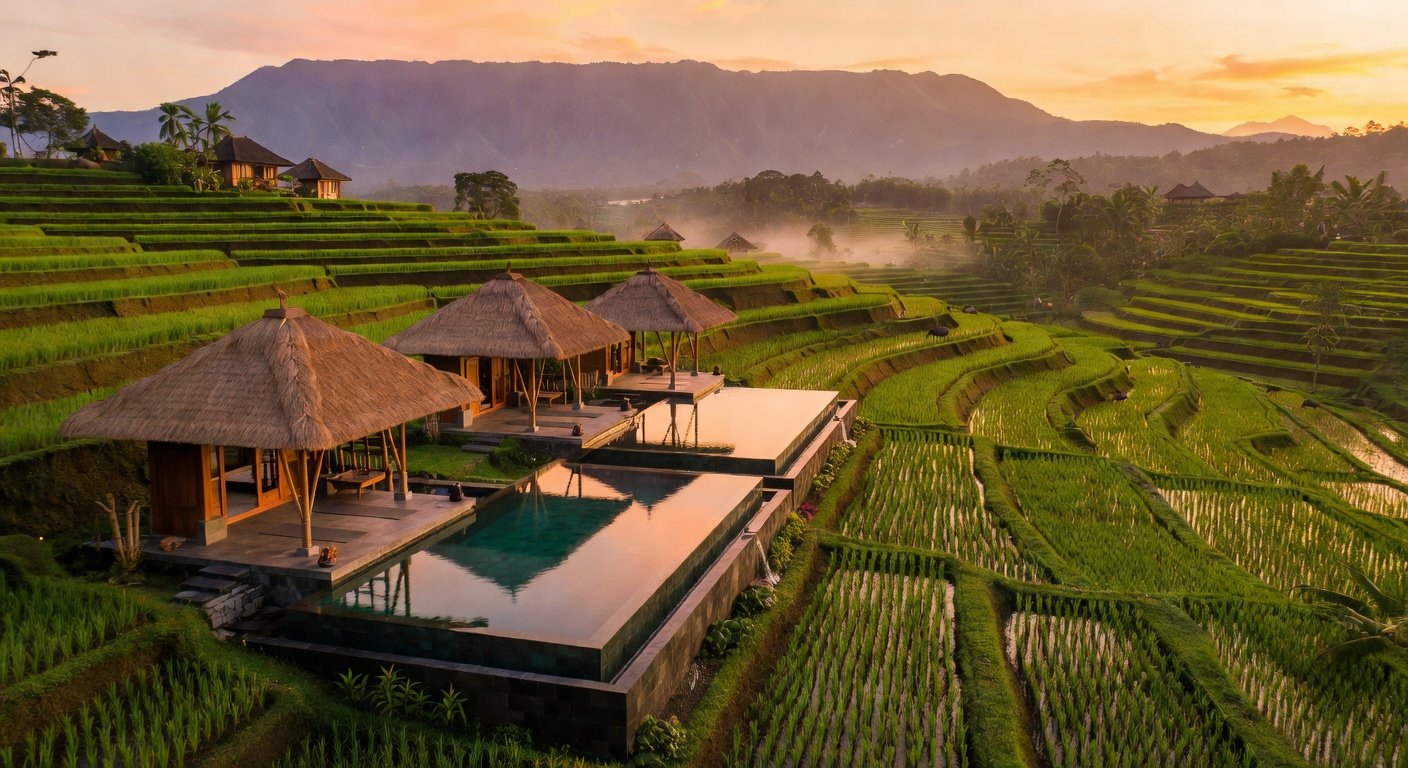
Pros feature stunning beaches, rice terrace hikes, and temples, affordable wellness experiences such as yoga retreats, and friendly locals who often speak English in tourist areas. The island provides a mix of relaxation and light adventure. Cons include long flights from many regions, monsoon season impacts on outdoor plans from November to March, and varying road conditions outside main tourist hubs. Booking private transfers can ease initial arrival stress.
3. New York City, USA
Pros encompass world-class museums, diverse neighborhoods for food and culture, 24-hour energy with endless entertainment options, and excellent public transit. Iconic sights like Central Park and Times Square create instant memories. Cons require high energy levels for navigating busy streets and subways, plus higher overall daily expenses compared to many international spots. Planning a mix of structured days and free time prevents burnout.
4. Reykjavik, Iceland
Pros deliver dramatic landscapes with nearby Golden Circle tours, a clean and safe environment, and unique Northern Lights potential in winter. The city is compact and walkable with geothermal pools for relaxation. Cons feature expensive local transport and dining, limited daylight hours during winter months, and unpredictable weather that demands flexible plans. Summer visits offer midnight sun and easier driving conditions.
Packing Checklist for First-Time Travelers
- Versatile clothing layers suitable for changing weather to handle both warm days and cooler evenings
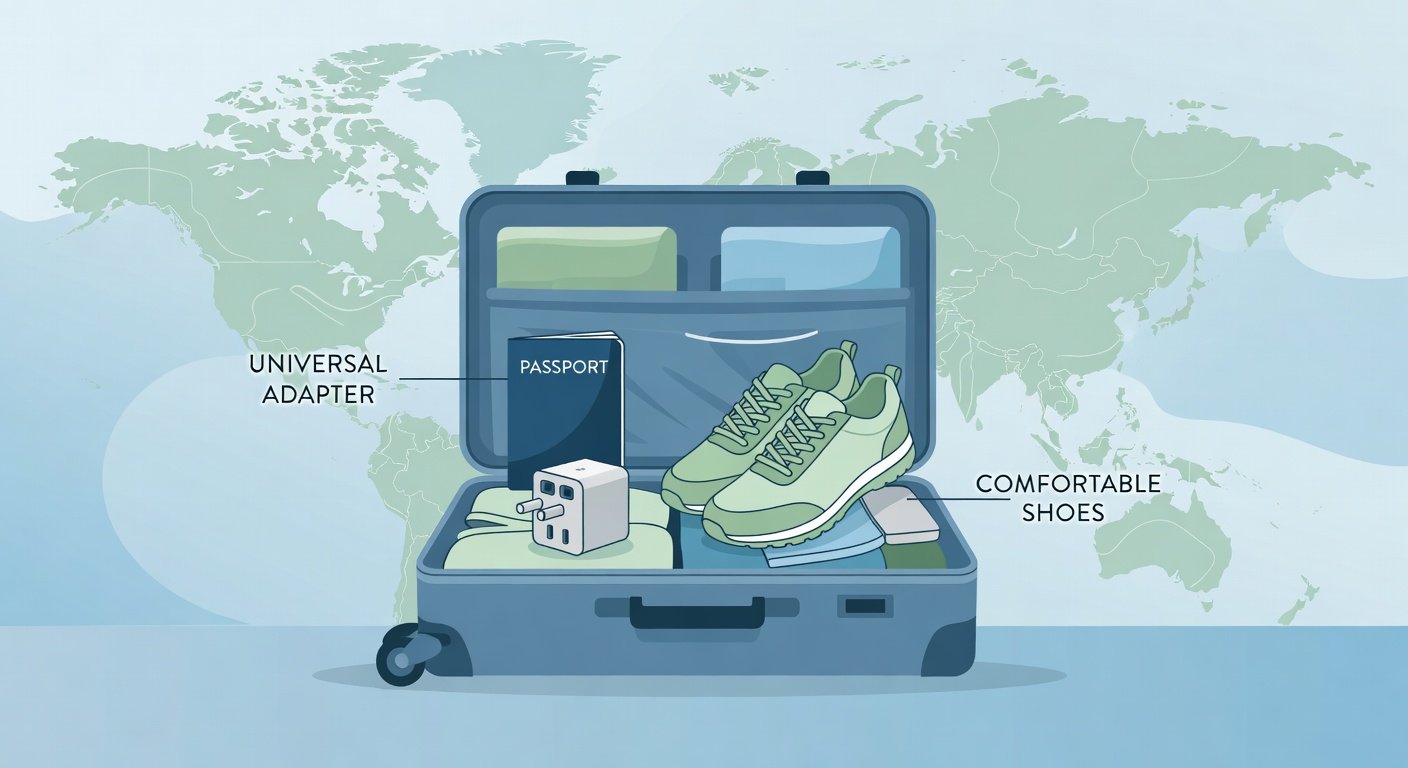
- Comfortable walking shoes broken in beforehand to prevent blisters during long exploration days
- Universal power adapter and portable charger for staying connected across different outlets and long travel days
- Digital and printed copies of essential documents including passport and bookings for backup access
- Basic first-aid kit and any personal medications plus copies of prescriptions
- Reusable water bottle and lightweight daypack for daily outings without heavy luggage
- Small lock for hostel lockers and a money belt for secure carrying of valuables
Simple Itinerary Template
Use this flexible structure for a 7-day trip and adapt based on your energy and discoveries:
- Day 1: Arrival, hotel check-in, and gentle neighborhood orientation walk to adjust to time zone
- Day 2: Top landmark visits with pre-booked timed tickets to avoid lines
- Day 3: Local food tour and market exploration for cultural immersion
- Day 4: Day trip to a nearby natural or cultural site with organized transport
- Day 5: Museum or gallery morning followed by a relaxed afternoon for photos and souvenirs
- Day 6: Shopping, optional spa or park time, and evening show or performance
- Day 7: Leisurely breakfast and final sightseeing before departure to the airport
Build in buffer time for rest or spontaneous finds. Digital versions on your phone allow easy edits during the trip.
Mistakes to Avoid When Choosing Destinations
Common errors include ignoring seasonal weather patterns, overpacking your schedule, or selecting locations solely based on social media popularity. Always verify visa timelines early and consider travel insurance for peace of mind. Another pitfall is neglecting connectivity needs; confirm roaming plans or eSIM options before departure. Finally, avoid last-minute bookings for popular attractions to secure better rates and times.
FAQ: Common Concerns for First-Time Travelers
How far in advance should I book flights and hotels?
Booking three to four months ahead typically secures better availability for popular 2026 dates, though last-minute deals occasionally appear for shoulder seasons.
Do I need a visa?
Visa requirements depend on your nationality and destination. Always verify directly with the embassy website of the country you plan to visit well before travel.
What if I get lost or face an emergency?
Download offline maps, share your itinerary with someone at home, and note local emergency numbers. Most tourist areas have helpful information centers and English-speaking staff.
How do I handle currency and payments?
Carry a small amount of local cash alongside a no-foreign-fee credit card. Notify your bank of travel plans to avoid transaction blocks abroad.
Is travel insurance worth it for beginners?
Yes, basic coverage protects against cancellations, medical issues, and lost belongings, providing reassurance especially on your first major trip.
How can I stay connected without high roaming fees?
Consider purchasing a local SIM card upon arrival or using an international eSIM for affordable data throughout your journey.
Conclusion: Take the First Step with Confidence
Choosing your first destinations becomes straightforward once you match personal preferences to practical realities. Apply the framework above, review the example spots, and customize your plans using the checklists and templates provided. Your 2026 adventure starts with one informed decision—start exploring today and create memories that last a lifetime. With thoughtful preparation, even first-time travelers return home with stories and confidence for future journeys.

No comments yet. Be the first!