 PlaceBee
Introduction: Beyond the Bucket List in 2026
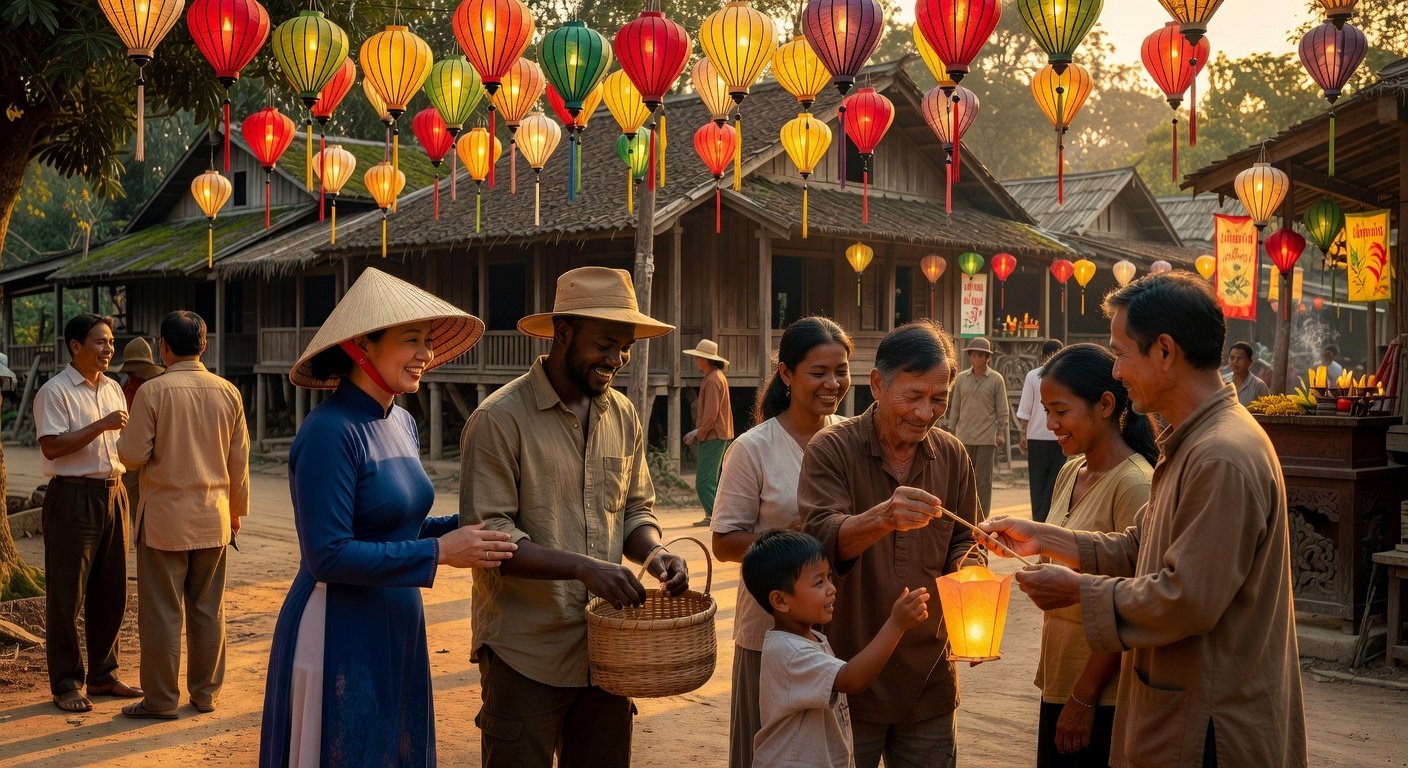
Travel in 2026 offers more than iconic landmarks and Instagram-worthy views. True wanderlust blooms when you dive into local cultures, forging connections that linger long after your return home. This guide helps beginners shift from superficial sightseeing to immersive experiences that honor traditions, cuisines, and communities worldwide. In an era of fast-paced global movement, many travelers seek depth over breadth, turning fleeting visits into profound exchanges that foster understanding and personal growth.
By prioritizing cultural engagement, travelers create lasting memories while supporting sustainable tourism. Emerging hubs like parts of Southeast Asia, Eastern Europe, and parts of Latin America provide fresh opportunities to connect authentically without the crowds of traditional hotspots. This approach aligns perfectly with evolving travel trends that emphasize responsibility and mindfulness.
Why Cultural Immersion Matters More Than Ever
Superficial tourism often leaves visitors with fleeting snapshots but little understanding. In contrast, immersive travel builds empathy, challenges assumptions, and enriches personal growth. Studies from organizations like UNWTO highlight how responsible cultural interactions boost local economies and preserve heritage sites for future generations. When travelers participate in daily rituals, they gain insights into values, histories, and challenges faced by communities.
In 2026, with global travel rebounding strongly, embracing local ways of life counters overtourism effects in popular areas. It turns trips into transformative journeys rather than mere checklists. Research shows that such experiences improve mental well-being by reducing stress through meaningful human connections and creating a sense of belonging even in foreign lands. Moreover, this form of travel promotes cross-cultural dialogue at a time when global understanding is increasingly vital.
Identifying Culturally Rich Destinations
Look beyond major capitals for authentic encounters. Emerging spots include Vietnam's Mekong Delta villages, where homestays reveal traditional rice farming, fishing techniques, and river-based festivals that have remained unchanged for generations. Georgia's Caucasus mountain communities stand out for their ancient winemaking rituals passed down through families, along with polyphonic singing traditions that date back centuries.
Peru's Andean highlands outside Machu Picchu offer opportunities to engage with Quechua-speaking communities through textile workshops and agricultural practices tied to ancient Inca methods. Other promising areas encompass the hill tribes of northern Thailand for textile and herbal medicine traditions, and rural towns in Romania for folk music and storytelling sessions. Research via cultural databases from UNESCO World Heritage Centre helps pinpoint locations where traditions remain vibrant yet accessible to respectful visitors.
Preparation Steps for Meaningful Connections
Success starts before departure. Begin with language basics using free apps or community classes to master greetings, numbers, and polite phrases in the target language. Even simple efforts like learning "hello," "thank you," and basic questions open doors and show genuine respect. Supplement this with cultural etiquette research through books, documentaries, and online resources focused on social norms, gift-giving customs, and appropriate body language.
Utilize research tools such as travel forums, ethnographic guides, and official tourism boards to understand seasonal events and community protocols. Pack versatile clothing that respects modesty norms while allowing comfort during community activities like hiking or cooking sessions. Consider health preparations by reviewing travel advisories and learning basic phrases related to allergies or dietary needs to ensure safe participation in local meals.
Real-World Examples from Emerging Global Hubs
Consider a traveler joining a family-run weaving cooperative in Guatemala's highlands. Participants spend days learning indigenous backstrap loom techniques while hearing elders share stories of resilience amid historical changes, creating bonds far deeper than a simple market purchase. This hands-on involvement often leads to ongoing support for the cooperative through fair-trade purchases after returning home.
In rural Japan, visitors to small fishing villages participate in seasonal seaweed harvesting festivals, gaining insight into Shinto traditions, communal decision-making, and sustainable ocean practices. Another compelling case comes from Ethiopia, where travelers join coffee ceremony circles in village settings, understanding the social importance of the ritual that can last hours and serves as a cornerstone of hospitality and conversation.
These examples demonstrate how immersion shifts perspectives, turning one-time trips into ongoing cultural exchanges through continued correspondence, skill-sharing online, or planned return visits with deeper involvement.
Superficial Tourism vs. Immersive Experiences
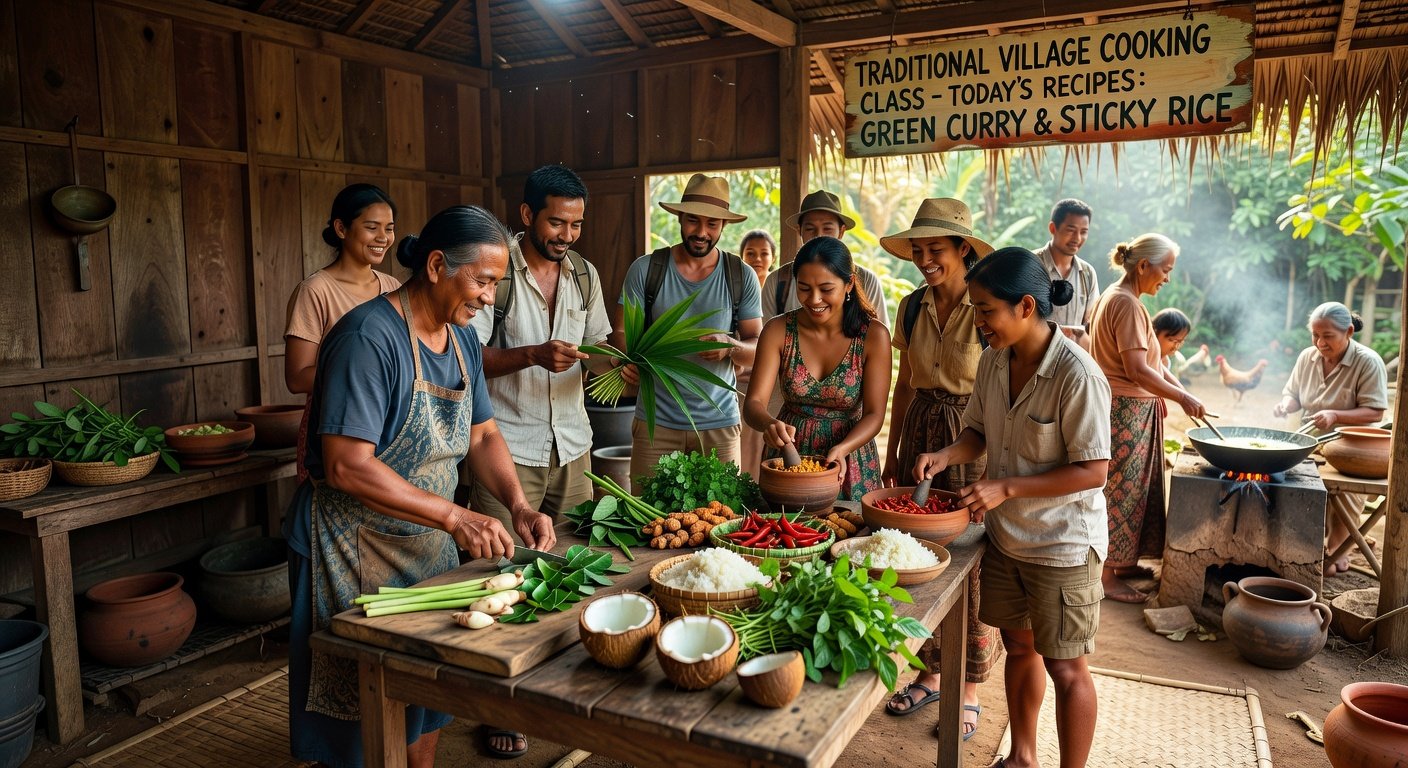
Superficial trips focus primarily on landmarks, quick photos, and standardized tours that keep visitors at a distance. Immersive ones involve shared meals prepared together, skill-sharing workshops, and attentive listening to local narratives about history and daily life. To guide ethical interactions, use this expanded checklist:
- Seek community-led tours and experiences rather than mass-market excursions to ensure benefits flow directly to residents.
- Obtain explicit permission before photographing individuals, families, or sacred sites, always respecting refusals gracefully.
- Support local artisans by purchasing directly from makers and inquiring about the stories and techniques behind each piece.
- Avoid aggressive bargaining that undervalues handmade goods, time, or cultural knowledge shared during interactions.
- Leave no trace by following local waste practices and consider contributing through small, appropriate donations or volunteer efforts aligned with expressed community needs.
- Reflect on your privilege as a visitor and prioritize listening over leading conversations about culture or politics.
Step-by-Step Planning Framework
Apply these insights immediately with a clear, actionable framework. First, define your specific cultural interests such as cuisine, music, crafts, or spiritual practices to narrow focus. Second, select one or two destinations with established yet low-impact community programs, cross-referencing reviews from ethical travel networks. Third, allocate ample time for slow travel by planning at least seven to ten days in each primary location to allow organic connections to develop.
Fourth, book accommodations directly with local hosts or cooperatives instead of international chains. Fifth, build flexibility into daily schedules for spontaneous invitations like joining a neighborhood event. Sixth, prepare reflection tools such as a dedicated journal to document learnings and emotions throughout the journey. Finally, plan post-trip actions including sharing respectful stories and maintaining connections where welcomed.
FAQ: Common Concerns Addressed
How do I overcome language barriers effectively?
Start with translation apps for essential phrases but prioritize non-verbal communication including smiles, gestures, and shared activities like cooking or dancing. Locals frequently appreciate sincere attempts and respond with patience, often leading to laughter-filled learning moments that bridge gaps quickly.
Is cultural immersion safe for solo travelers?
Yes, when selecting vetted homestays, group workshops, and activities through established responsible tourism operators. Always research current safety via official sources, inform trusted contacts of your plans, and start with daytime community events before extending into evening gatherings.
What if I make a cultural mistake during my visit?
Apologize sincerely with a simple phrase or gesture, then ask for gentle guidance on the correct approach. Most communities value respectful curiosity and genuine effort far more than flawless execution, often turning mishaps into memorable bonding experiences.
How can I ensure my participation benefits the local community?
Choose programs that transparently share revenue with residents, avoid middlemen where possible, and ask hosts directly how your presence or purchases can provide the most positive impact during your stay.
Are there age or fitness requirements for immersive activities?
Many cultural experiences accommodate various ages and abilities, but communicate needs in advance. Adaptations like seated weaving sessions or shorter village walks allow broader participation while respecting personal limits.
Conclusion: Start Your 2026 Journey Today
Embracing local cultures elevates travel from simple escape to genuine connection and mutual enrichment. With thoughtful preparation, ethical intent, and a willingness to slow down, your 2026 adventures will yield profound wanderlust alongside cherished stories and new perspectives. Begin planning now by researching one destination that calls to you, and take the first step toward turning dreams into transformative reality that benefits both you and the communities you encounter.

No comments yet. Be the first!