 PlaceBee
How to Build a 10-Day Morocco Itinerary 2026: Step-by-Step Guide
Creating a well-paced 10-day Morocco itinerary opens the door to an unforgettable journey through bustling imperial cities, towering mountain ranges, and vast desert landscapes. This step-by-step guide focuses on a route beginning in Marrakech and culminating in a classic Sahara desert experience, while incorporating key stops such as the Atlas Mountains and the historic Fes medina. Travelers searching for practical day-by-day plans will find concrete examples of daily pacing, transportation choices, and customizable options that suit different interests and energy levels. Whether you are a first-time visitor or returning adventurer, the following structure balances iconic highlights with breathing room for spontaneous discoveries.
Defining Your Travel Goals and 2026 Timing
Before selecting specific dates, clarify your priorities. Some travelers want maximum cultural immersion through local markets and homestays, while others prioritize photography opportunities at sunrise over the dunes. For 2026, shoulder seasons from March to May and September to November generally deliver comfortable daytime temperatures and clearer roads through the mountains. These periods also help avoid the intense summer heat in the desert and the peak holiday crowds around major festivals. Review visa policies and health advisories early, and consider travel insurance that covers adventure activities such as camel trekking.
Detailed Day-by-Day Breakdown
Days 1–3: Marrakech Base with Atlas Mountains Excursion
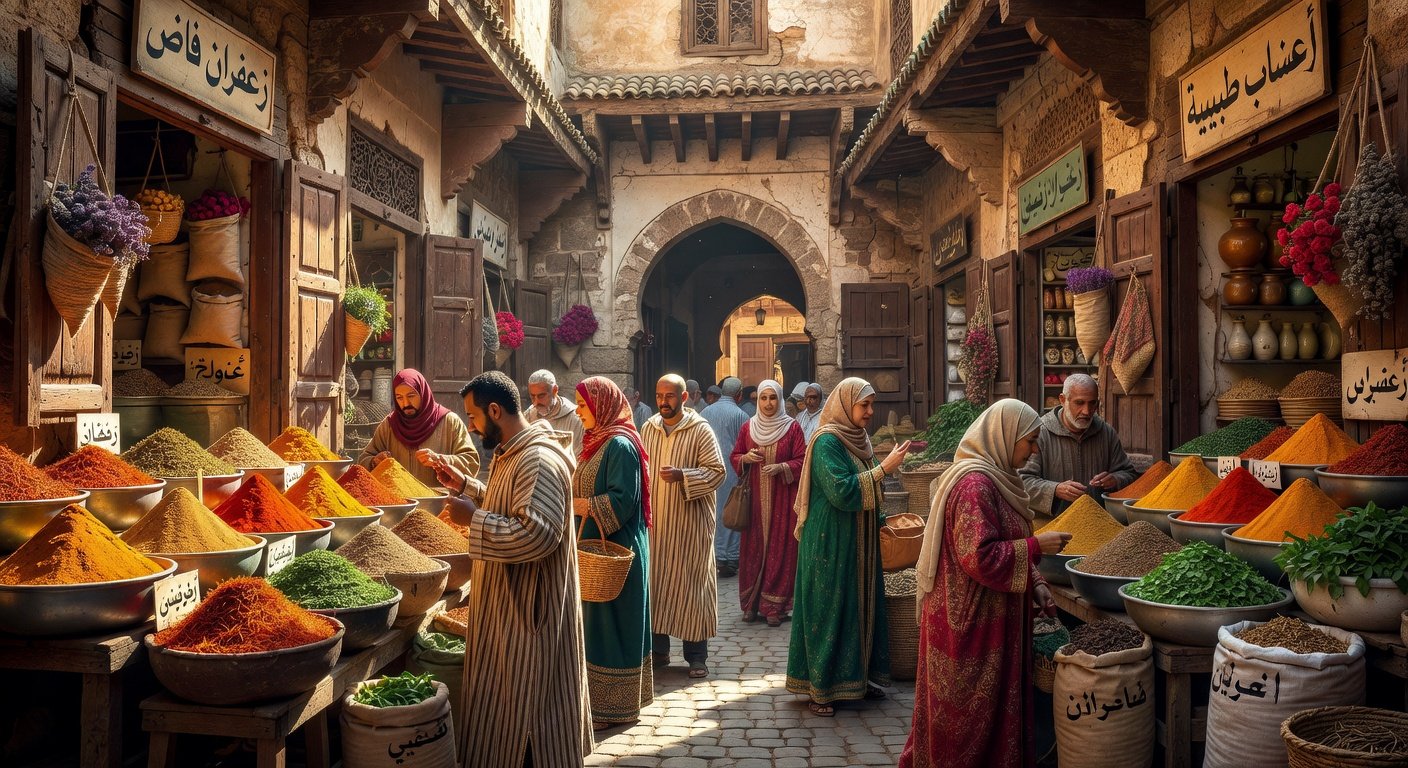
Arrive in Marrakech and spend the first afternoon wandering the historic medina, sampling mint tea, and visiting the famous Jemaa el-Fnaa square as it transforms into an open-air evening spectacle. On day two, depart early for the High Atlas Mountains. A scenic drive along winding roads leads to traditional Berber villages where you can enjoy lunch with a local family and learn about argan oil production. Continue to the Ouzoud Waterfalls for a moderate hike that rewards visitors with panoramic views and the chance to spot Barbary macaques. Return to Marrakech by late afternoon for an evening cooking class focused on tagine preparation. This segment sets a relaxed yet enriching tone while acclimating you to Moroccan rhythms.
Days 4–6: Overland Travel to Fes via Scenic Routes
Depart Marrakech toward Fes, choosing the route that passes through the Middle Atlas for dramatic cedar forests and possible wildlife sightings. Stop in the town of Azrou for a market visit and a short walk to a viewpoint overlooking the surrounding valleys. Arrive in Fes by evening and settle into a riad inside the medina walls. Day five is dedicated to exploring the UNESCO-listed Fes el-Bali district. Hire a licensed guide for the morning to navigate the tanneries, mosques, and artisan workshops without missing hidden gems. In the afternoon, venture to the newer Ville Nouvelle for modern cafés and relaxed people-watching. Day six offers flexibility: visit the nearby Roman ruins of Volubilis or simply enjoy slower pacing with additional time for shopping and mint tea breaks. UNESCO World Heritage Centre offers background on the cultural significance of the Fes medina that enriches any visit.
Days 7–10: Sahara Desert Immersion and Return Journey
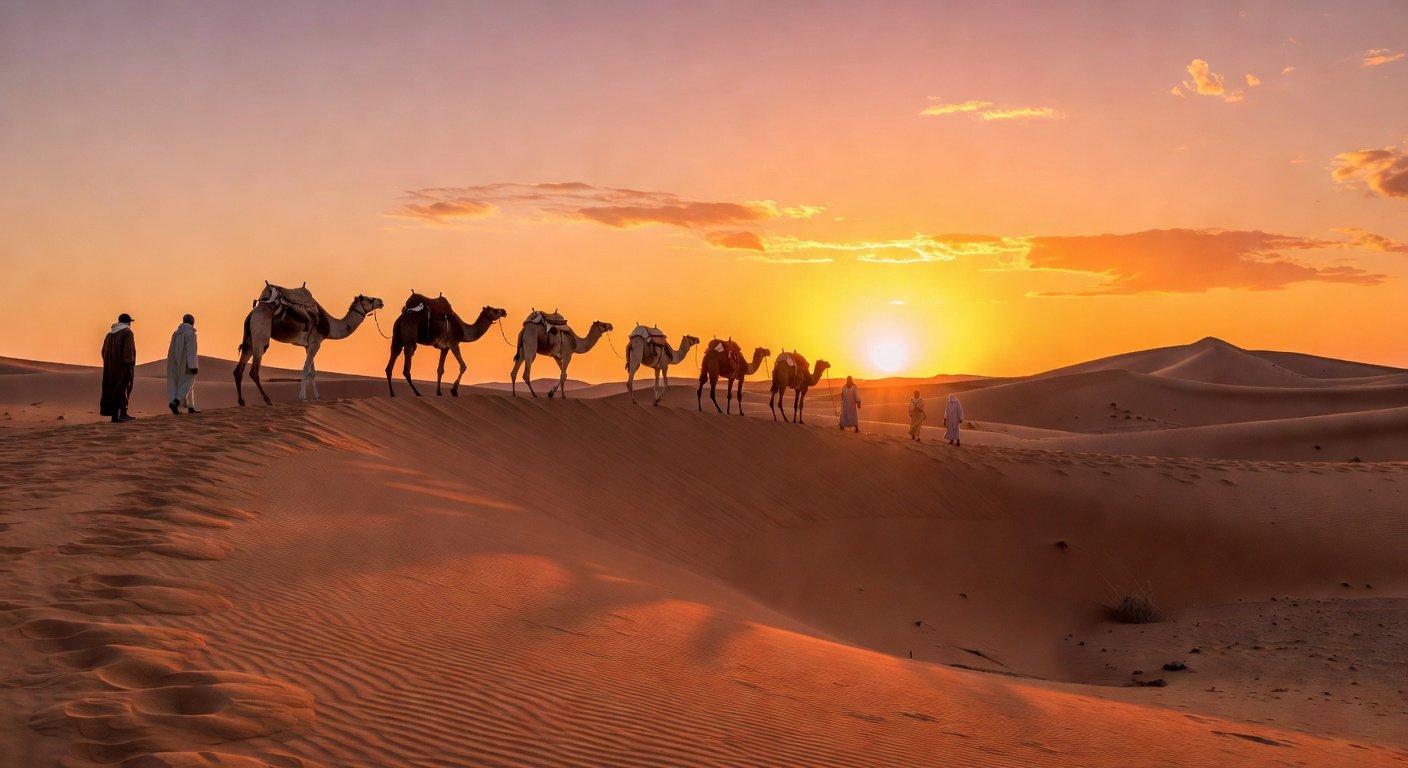
Travel southeast from Fes toward the desert, pausing in the town of Erfoud for fossil hunting or a visit to a local date palm grove. Reach Merzouga by late afternoon and transfer to your desert camp via camel or 4x4 vehicle. Watch the sunset from the Erg Chebbi dunes, enjoy a traditional dinner under the stars, and participate in Berber music around the campfire. The following morning offers an optional sunrise camel ride before departing for the return leg. Break the long drive with stops in the Draa Valley and the fortified kasbah of Ait Benhaddou, a UNESCO site frequently used in film productions. Arrive back in Marrakech on day ten with time for last-minute souvenir purchases before your departure flight.
Transportation Choices and Real-World Examples
Private transfers provide the greatest comfort and flexibility, especially when traveling with luggage or in a small group. Many visitors book a driver for the full loop, allowing spontaneous photo stops along mountain passes. Public buses and trains represent the most economical option but require careful scheduling and can extend travel days significantly. For instance, the train from Marrakech to Fes takes approximately eight hours with a change in Rabat. Domestic flights between Marrakech and Fes save time but add airport transfers and baggage fees. Compare these options based on group size, budget tolerance for comfort, and tolerance for long drives through varying terrain.
Budgeting Strategies with Practical Examples
Focus spending on experiences rather than luxury accommodations. Mid-range riads inside the medinas offer character and central locations at reasonable nightly rates. Eat at local stalls for breakfast and lunch while reserving evenings for sit-down meals featuring regional specialties. Allocate funds for a mix of guided activities, such as a Sahara camp overnight and a Fes medina walking tour, while leaving buffer days for independent exploration. Track expenses daily using a simple mobile app to avoid surprises, and keep small denominations of Moroccan dirhams handy for tips and market purchases.
Cultural Etiquette and Respectful Interactions
Dress modestly when visiting religious sites and rural villages, covering shoulders and knees. Remove shoes before entering homes or mosques and accept offers of tea as a gesture of hospitality. Bargaining in the souks is expected but should remain friendly; start negotiations at roughly half the asking price and settle with a smile. Avoid public displays of affection and ask permission before photographing individuals. Learning a few phrases such as “shukran” for thank you and “la shukran” for no thank you goes a long way toward building rapport with locals.
Comprehensive Packing Recommendations
- Layered clothing including lightweight long sleeves for sun protection and a warm jacket for desert evenings
- Sturdy, broken-in walking shoes plus sandals for camp use
- Modest attire suitable for both city exploration and mountain villages
- Wide-brimmed hat, high-SPF sunscreen, and lip balm
- Reusable water bottle with filter if concerned about tap water quality
- Universal power adapter, portable charger, and headlamp for desert nights
- Small first-aid kit with motion sickness remedies for winding mountain roads
Guided Tours versus Independent Travel: Concrete Comparisons
Guided small-group tours excel for travelers who value expert storytelling and seamless logistics, particularly when navigating the Fes medina or arranging desert camps. Independent travelers gain deeper cultural access by staying in family-run guesthouses and using ride-sharing apps within cities. A hybrid approach works well for many: book private transfers for the desert segment while handling urban portions on your own. Real traveler feedback often highlights that independent itineraries reward flexibility but require more advance research on road conditions and seasonal closures.
Seasonal 2026 Considerations and Safety Notes
Monitor spring rainfall that can affect mountain roads and summer sandstorms that occasionally disrupt desert travel. Pack accordingly and maintain open communication with your accommodation about current conditions. Health precautions include staying hydrated, using insect repellent in rural areas, and carrying any necessary prescription medications. Register with your embassy’s travel alert system before departure.
Customizable Sample Schedules
Adventure-focused travelers can swap one city day for an extra night in the dunes or add a hot-air balloon ride over the Atlas foothills. Families may insert a rest day in Marrakech with pool time and lighter activities. Cultural enthusiasts can extend the Fes portion by two days to include workshops on traditional crafts. Build at least one full free day into every itinerary to accommodate weather, fatigue, or unexpected invitations.
FAQ Addressing Common Planning Pitfalls
How should I handle jet lag upon arrival?
Schedule a low-key first afternoon with a walking tour of your neighborhood and an early dinner to align with local time quickly.
Is this route suitable for solo female travelers?
Yes, with sensible precautions such as using registered guides in the medinas and choosing well-reviewed accommodations. Many women travel independently along this exact route each year.
What happens if Ramadan falls during my 2026 trip?
Expect adjusted restaurant hours and a more subdued daytime atmosphere. Plan evening activities around iftar meals and enjoy the festive nighttime energy in the medinas.
How much time should I allocate for the desert segment?
Two full nights in the Sahara region allow for both sunset and sunrise experiences without feeling rushed.
By following this structured yet adaptable framework, your 10-day Morocco itinerary will deliver a rich tapestry of experiences from the vibrant streets of Marrakech to the silent majesty of the Sahara. Adjust each element to reflect your personal travel style, and you will return home with lasting memories and a deeper appreciation for this diverse North African destination.
No comments yet. Be the first!