 PlaceBee

Introduction to Pro Travel Planning
Planning a trip in 2026 requires more than basic bookings. This beginner guide equips new travelers with professional strategies for creating efficient, stress-free adventures. From building detailed itineraries to leveraging smart tools, you will learn how to avoid common pitfalls and optimize every aspect of your journey. Pro-level planning emphasizes efficiency, flexibility, and preparation. Whether you are exploring one destination or multiple countries, these techniques help you save time and money while enhancing safety and enjoyment. Many first-time planners overlook the value of structured preparation, leading to rushed decisions or missed opportunities. By following a systematic approach, you can transform vague travel dreams into concrete, manageable plans that account for variables like weather, crowds, and personal energy levels.
Step-by-Step Itinerary Building
Start by defining your trip goals clearly. Identify must-see attractions, preferred pace, and overall travel style such as adventure-focused or relaxation-oriented. Use a digital calendar or planning spreadsheet to map daily activities, always allowing buffer time for rest, meals, and unexpected delays. Break your itinerary into clear phases: arrival and settling in, core activities and explorations, and smooth departure. For multi-destination trips, sequence locations logically to minimize backtracking and maximize immersion. For example, fly into Lisbon then take a scenic train to Madrid rather than crisscrossing Europe inefficiently with multiple short flights. Consider seasonal factors like festivals or peak tourist times when scheduling specific days. Review your draft itinerary with a friend for fresh perspectives and hidden gaps. This methodical process ensures balanced days without overload.
Smart Budgeting Techniques
Effective budgeting begins with separating fixed costs like flights and visas from variable expenses such as meals, local transport, and activities. Track every expense using dedicated apps that categorize spending automatically. Set realistic daily limits based on destination costs and adjust as needed. Build a contingency fund equivalent to 15-20 percent of your total estimated budget to cover emergencies without stress. Review currency exchange rates regularly through reliable financial sites and consider travel-friendly cards with favorable terms. Focus on value rather than the absolute lowest price when selecting accommodations and experiences. For instance, choosing a well-located mid-range hotel can save on daily transport costs compared to a cheaper option far from attractions. Revisit your budget weekly during planning to incorporate new deals or adjustments.
Essential Booking Strategies
Book major components like flights and accommodations early for better availability and flexibility. Use price alerts on established platforms to monitor fluctuations and act quickly on good deals. For popular activities and attractions, secure timed-entry tickets well in advance to skip long lines and guarantee access. Compare options across multiple reputable sites but always finalize through official or verified channels to ensure legitimacy and support. Read all cancellation policies thoroughly before committing, noting any free change windows or refund conditions. Consider travel insurance that covers booking changes due to unforeseen events. Layer your bookings by prioritizing non-refundable elements last after securing flexible ones first.
Selecting Reliable Apps for Real-Time Updates
Modern travelers depend on technology for seamless updates and coordination. Prioritize apps with strong offline functionality, real-time data, and high user ratings. Essential categories include flight tracking, navigation, translation, weather monitoring, and expense management. Download apps before departure and test them with sample data. Enable notifications selectively to avoid overload while staying informed about critical changes like gate updates or weather alerts. Cross-reference information from two sources when possible for accuracy during travel disruptions.
| App Category | Recommended Tool | Key Features |
|---|---|---|
| Flight Tracking | FlightAware | Live status updates, delay predictions, gate information |
| Navigation | Google Maps | Offline maps, public transit directions, walking routes |
| Translation | Google Translate | Camera-based translation, conversation mode, offline packs |
| Weather | AccuWeather | Hourly forecasts, severe weather alerts, radar maps |
| Expense Tracking | Trail Wallet | Budget categories, receipt scanning, multi-currency support |
Incorporating Safety Protocols
Safety preparation begins well before departure. Register your trip with your government's official travel advisory service and review all health and entry requirements for each destination. Carry digital and physical copies of passports, insurance documents, and emergency contacts. During travel, maintain situational awareness, use reputable transportation providers, and share your daily itinerary with a trusted contact back home. For health and medical concerns, consult official guidance from organizations such as the World Health Organization and the Centers for Disease Control and Prevention. Pack a compact first-aid kit tailored to your destinations and consider travel insurance with robust medical evacuation coverage. Stay updated on local laws and customs to avoid unintentional issues.
Optimizing Multi-Destination Routes
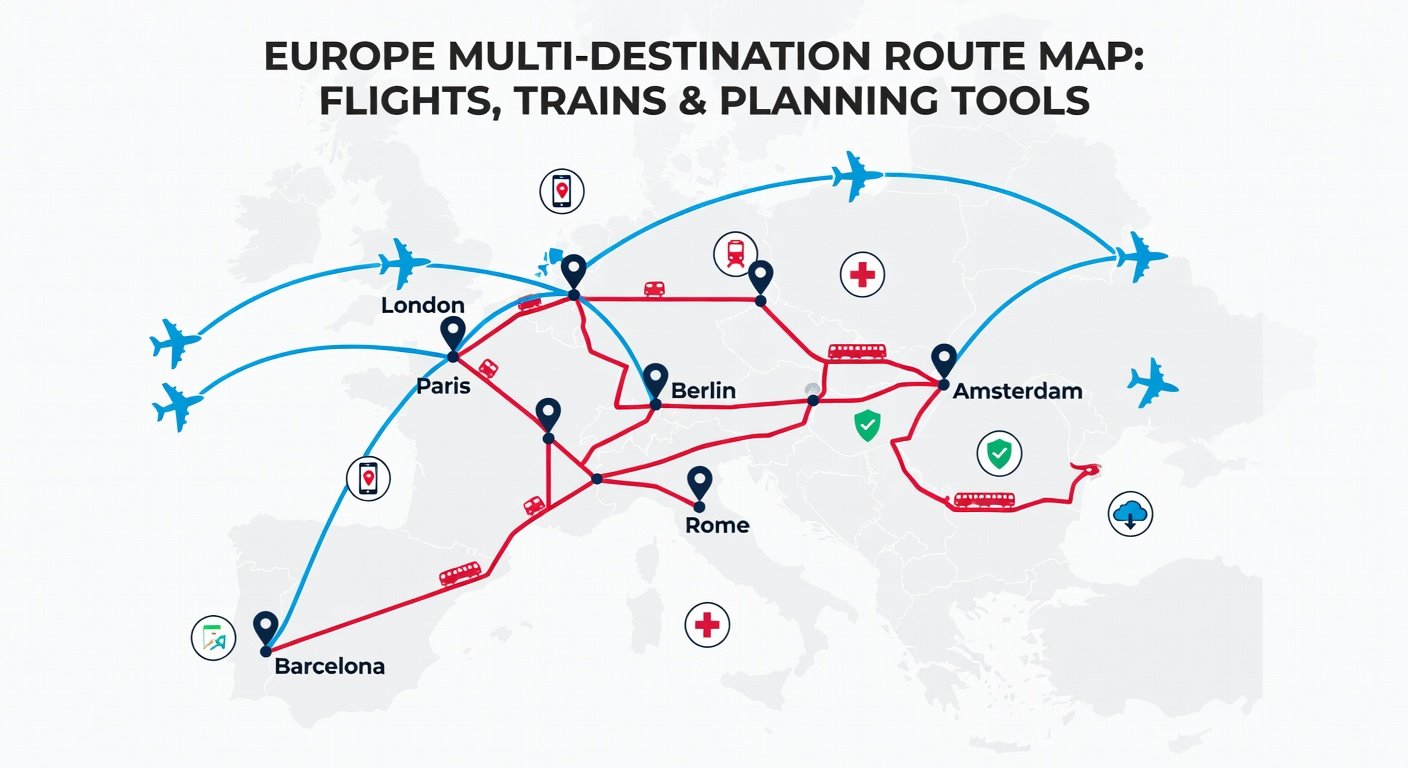
Design routes that maximize meaningful time at each location while minimizing transit fatigue. Use open-jaw flight tickets where you arrive in one city and depart from another to reduce redundant travel. Incorporate efficient ground options such as high-speed rail or scenic buses for nearby countries. A practical example route for Europe might start in Paris for three days, continue by train to Amsterdam for four days, then fly onward to Rome for five days. This sequence respects geographic flow and allows cultural transitions without excessive flight segments. Always factor in visa rules, entry requirements, and any required layover buffers when crossing multiple borders. Test your full route on a mapping tool to identify potential bottlenecks.
Actionable Planning Checklists
- Research and confirm entry rules, visas, and vaccination requirements for every destination
- Compare flight and hotel options across at least three verified platforms
- Download and test offline maps, translation tools, and weather apps
- Purchase comprehensive travel insurance and share policy details with family
- Notify banks and credit card companies of travel dates and locations
- Pack a compact first-aid kit along with any prescription medications
- Create digital backups of all important documents stored securely in the cloud
- Review local transportation options and purchase necessary transit passes in advance
- Prepare a detailed packing list based on expected weather and activities
- Schedule a final review of bookings 48 hours before departure
Common Pitfalls to Avoid
Many beginners underestimate jet lag effects or skip travel insurance entirely. Avoid over-scheduling each day, which quickly leads to exhaustion and missed experiences. Double-check all time zones when coordinating connections and confirm reservations shortly before travel. Never rely solely on one app for critical information. Failing to research local customs can create awkward situations, while ignoring currency limits may result in unexpected fees. Build flexibility into every plan so minor disruptions do not cascade into major problems.
Conclusion
With these pro strategies, your 2026 adventures will be efficient, safe, and deeply rewarding. Consistent preparation turns potential travel stress into smooth, enjoyable experiences. Begin applying these detailed steps today to craft journeys that feel professionally orchestrated from start to finish.
Frequently Asked Questions
How far in advance should I start planning a 2026 trip?
Begin serious planning six to nine months ahead for international travel. This timeline secures better flight availability, accommodation choices, and allows time to handle visas or special permits.
What is the best way to handle multi-country visas?
Review requirements for each country individually through official embassy sites. Apply in the chronological order of your itinerary and keep digital copies of all approvals.
Are travel apps truly reliable for real-time updates?
Established apps with large user bases and direct data feeds from airlines and governments provide highly accurate updates when used with an internet connection or pre-downloaded offline data.
How do I choose between multiple itinerary options?
Score each draft itinerary on criteria such as pace, cost, and alignment with personal interests. Eliminate options that exceed your energy level or budget before finalizing.
Should I book everything independently or use a travel agent?
Independent booking offers more control and often lower costs for experienced planners, while agents provide value for complex multi-destination trips requiring specialized coordination.


No comments yet. Be the first!