 PlaceBee
Introduction to Sustainable Travel in 2026
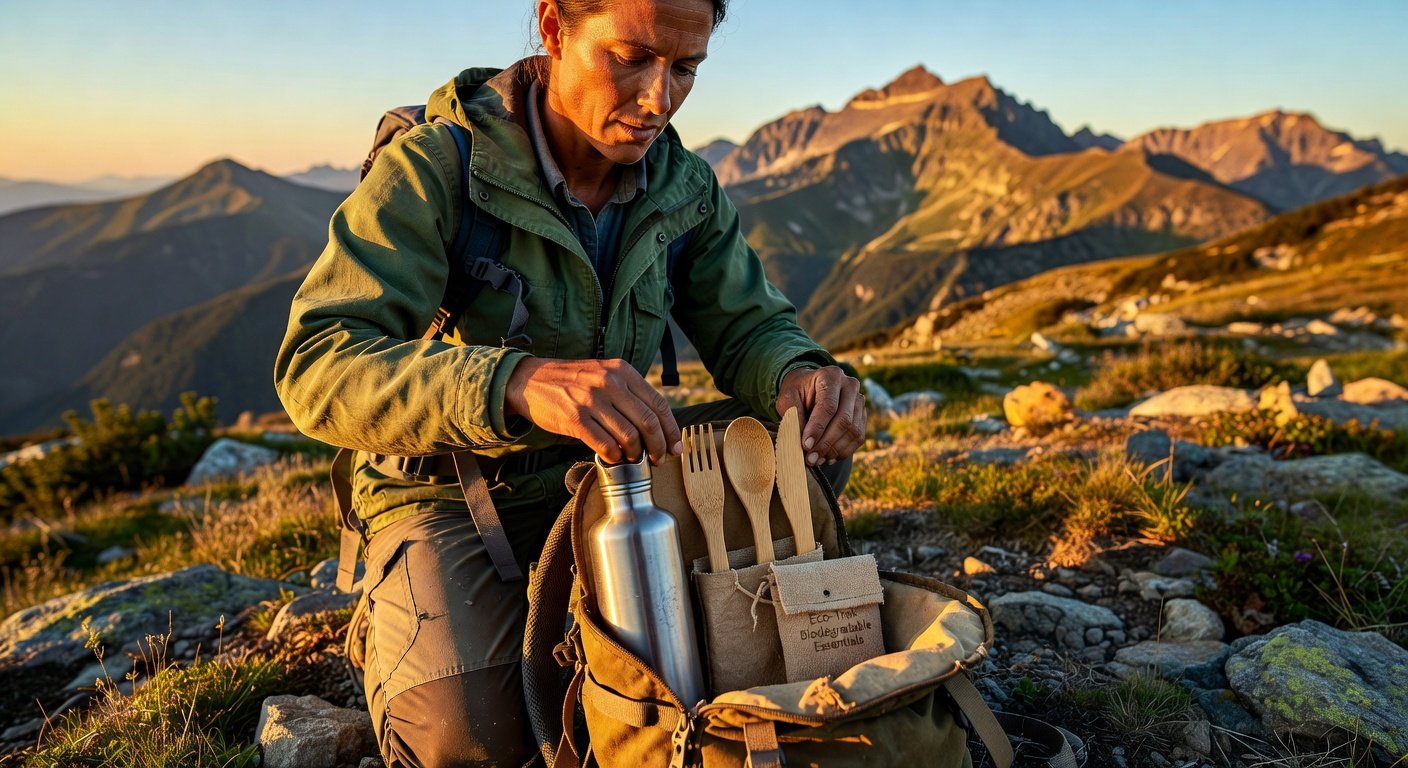
Travelers in 2026 are increasingly prioritizing eco-conscious choices to minimize their footprint while exploring the world. Sustainable travel hacks focus on smart packing that reduces waste, lowers emissions, and supports conservation efforts. This guide delivers pro-level advice on selecting reusable and biodegradable items, optimizing luggage for efficiency, and eliminating single-use plastics through practical checklists and strategies. By adopting these methods, adventurers can enjoy rewarding journeys without compromising the planet. Real-world examples of zero-waste itineraries demonstrate how small changes yield significant results, from mountain treks to coastal explorations. The growing awareness around climate change means that every packed item now carries an environmental weight, making informed decisions essential for responsible globetrotters.
Whether you are planning a multi-week backpacking trip or a weekend escape, the principles remain consistent: prioritize longevity, versatility, and minimalism. This approach not only protects ecosystems but also streamlines your travel experience by cutting down on clutter and last-minute purchases.
Selecting Reusable and Biodegradable Gear
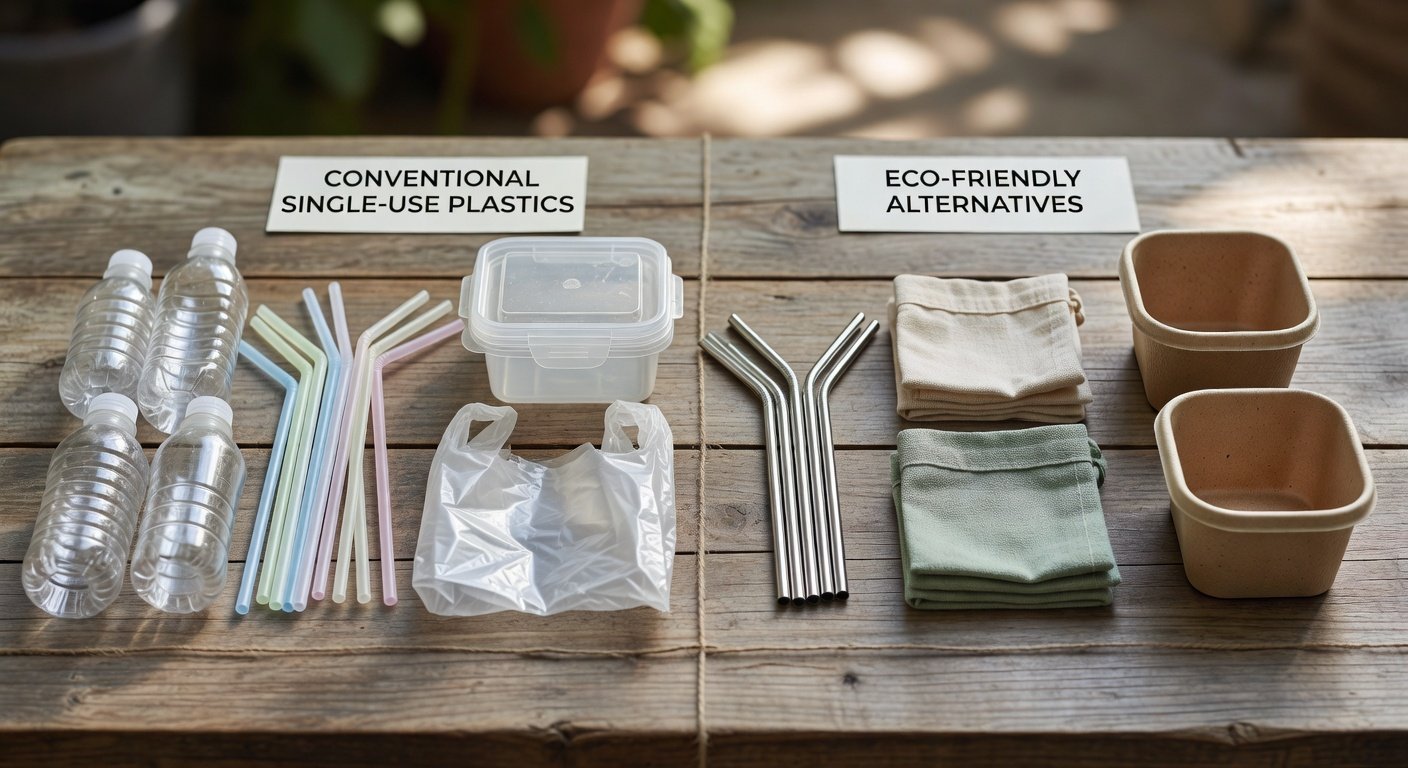
Choosing the right gear forms the foundation of eco adventures. Opt for items made from recycled materials or natural fibers that break down easily. For instance, bamboo toothbrushes and beeswax wraps replace disposables effectively. Compare conventional plastic bottles, which contribute to ocean pollution, versus stainless steel alternatives that last years and reduce waste by up to 80% over time. When sourcing clothing, look for organic cotton or hemp fabrics certified for low water usage during production. Biodegradable soaps and laundry sheets further enhance sustainability on multi-day trips, dissolving harmlessly in natural water sources.
Additional options include silicone storage bags for snacks and a compact solar-powered lantern instead of battery-dependent lights. Always verify material origins to avoid greenwashing, and consider second-hand markets for pre-loved durable goods that extend product lifecycles. These selections create a ripple effect, encouraging manufacturers to adopt greener practices globally.
Optimizing Luggage Weight for Lower Emissions
Airline emissions rise with heavier loads, so packing light directly cuts your carbon impact. Aim for versatile clothing layers using merino wool or recycled polyester that serves multiple purposes. Use compression cubes to maximize space without excess bulk. Studies from environmental agencies highlight that reducing checked bag weight by 10 kilograms can lower flight-related emissions noticeably. Pack strategically: roll clothes instead of folding, and limit toiletries to carry-on sizes in refillable containers.
Consider the full journey, including ground transport where lighter loads ease strain on vehicles. A practical example involves a hiker who swapped heavy hiking boots for lightweight trail runners, cutting total luggage mass by 15 percent and improving mobility on trails. Layering systems allow adaptation to changing weather without multiple bulky jackets, while digital downloads replace physical guidebooks to save space and paper resources.
Avoiding Single-Use Plastics with Checklists
Single-use plastics dominate travel waste. Combat this with a dedicated checklist: reusable water bottle, cloth shopping bag, metal straw, and silicone food containers. Before departure, audit your kit to ensure no plastic wraps or cutlery sneak in. Expand the list to include a bar of shampoo instead of liquid bottles, a microfiber towel that dries quickly without paper alternatives, and compostable trash bags for any unavoidable waste.
Zero-waste itineraries in practice include a week-long hike in national parks where travelers use only compostable packaging, resulting in zero landfill contributions. Another example is a coastal sailing trip where participants carried a portable water filter and avoided all bottled drinks, demonstrating how preparation prevents plastic accumulation in sensitive marine environments. These checklists become second nature after a few trips, turning sustainability into an effortless habit.
Step-by-Step Packing Strategies
- Assess trip duration and climate to curate a capsule wardrobe of 5-7 mix-and-match pieces that handle multiple occasions.
- Invest in multi-use tools like a solar charger and quick-dry towel that eliminate the need for separate electronics or linens.
- Organize with packing cubes made from recycled plastics to compress items and prevent overstuffing.
- Include a repair kit with needle, thread, and patches for extending gear life on the road.
- Finalize with a waste audit to confirm eco compliance and identify any overlooked single-use items.
- Research destination-specific regulations, such as restrictions on certain natural products, to avoid surprises at customs.
- Test all reusable items at home to ensure functionality before departure.
Comparisons: Conventional vs Eco-Friendly Products
Conventional polyester jackets shed microplastics during washing, while organic cotton or recycled options minimize this issue through better construction. A standard plastic razor generates ongoing waste versus a safety razor with replaceable blades that lasts decades. Toothbrushes made from plastic versus those crafted from bamboo show clear differences in decomposition rates, with the latter breaking down in months rather than centuries. These swaps not only benefit ecosystems but often prove more cost-effective long-term by reducing repeat purchases. When evaluating backpacks, traditional nylon models may off-gas chemicals, whereas those using recycled ocean plastics offer comparable strength with a lower production footprint.
Real-World Examples of Zero-Waste Itineraries
Consider a 10-day trek through European countryside where a traveler carried only a refillable hydration system and solid toiletries, achieving complete waste elimination by composting food scraps along the route. In Southeast Asian rainforests, another adventurer used a modular packing system with biodegradable insect repellent wipes, avoiding aerosol cans entirely. These cases illustrate scalability from urban explorations to remote wilderness, proving that sustainable packing adapts to any adventure style.
FAQs on Certifications and Cost Savings
What certifications should I look for in sustainable gear?
Seek bluesign, OEKO-TEX, or Fair Trade labels to verify ethical and low-impact production. These ensure materials meet rigorous environmental standards set by independent bodies.
How do eco products lead to savings?
Reusable items reduce repeated purchases of disposables, with travelers reporting lower overall trip costs through mindful packing and fewer impulse buys at destinations.
Are there hidden costs to sustainable packing?
Initial investments in quality gear may seem higher, but longevity and reduced waste offset expenses quickly, especially when factoring in health and environmental benefits over conventional alternatives.
Actionable Pro Tips for Effortless Green Travel
Start small by replacing one item per trip to build momentum without overwhelm. Research local refill stations at your destination in advance using community apps. Join networks sharing EPA resources on sustainable practices for up-to-date guidance. Track your impact with simple apps to stay motivated and measure progress. Incorporate insights from National Geographic on global conservation efforts to deepen your understanding. Always carry a compact sewing kit for on-the-spot fixes. Finally, share experiences to inspire others through social channels or travel forums, making green travel the rewarding norm it deserves to be. Explore additional frameworks from UNEP for aligning personal habits with international sustainability goals.
Embrace these sustainable travel hacks to transform every adventure into an opportunity for positive change and lasting memories.


No comments yet. Be the first!