 PlaceBee
Introduction to Cultural Immersion Travel in 2026
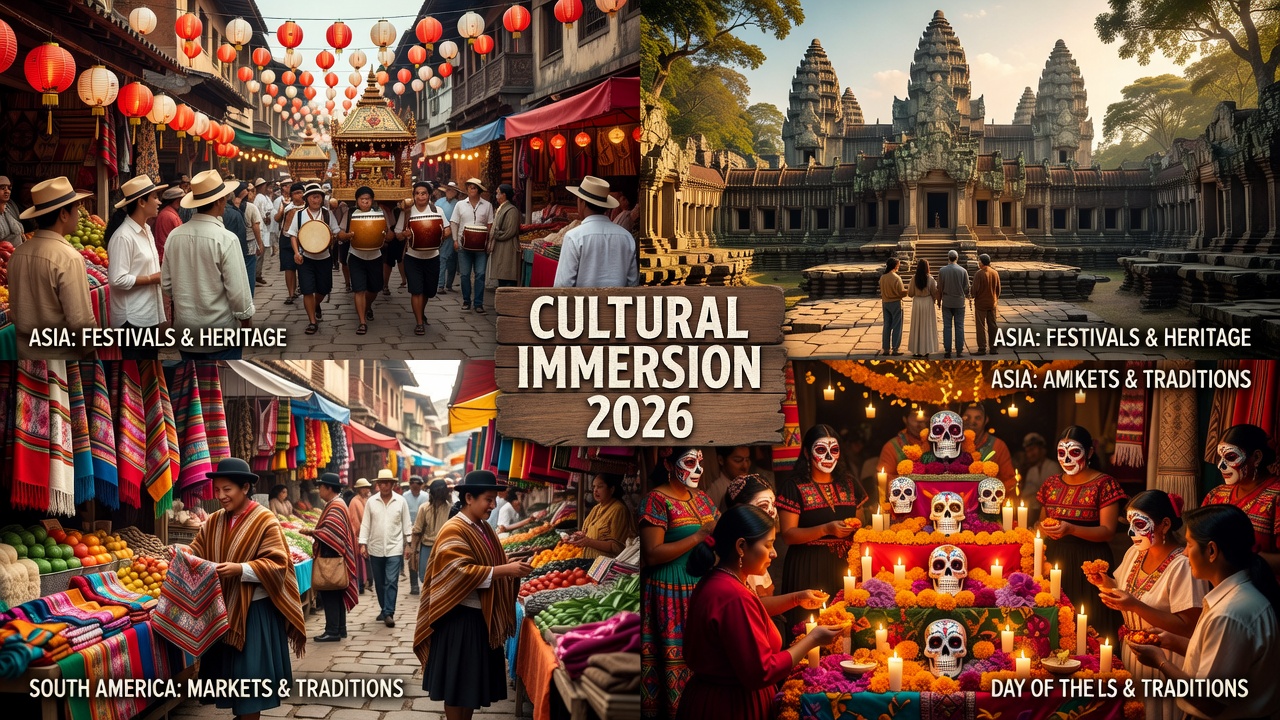
Travelers in 2026 are increasingly seeking meaningful connections with local traditions rather than superficial sightseeing. Cultural immersion involves engaging deeply with heritage sites, participating in authentic customs, and respecting community values. This approach fosters personal growth while supporting sustainable tourism practices worldwide. Unlike standard vacations that focus on landmarks and photos, immersion travel encourages visitors to live like locals for a period, learning languages, sharing meals, and understanding historical contexts that shape daily life. Destinations in Asia and South America stand out for their rich tapestries of history and living cultures. From ancient temples to vibrant festivals, these regions offer unparalleled opportunities for genuine experiences beyond typical tourist paths. As global connectivity grows, more people recognize the value of preserving intangible cultural heritage such as oral traditions, crafts, and rituals that risk fading without conscious effort from both communities and visitors.
Selecting Culturally Rich Regions for 2026
When choosing destinations, prioritize areas with strong preservation efforts and community-led tourism initiatives. Focus on regions where local traditions remain central to daily life. Asia provides dense concentrations of heritage, while South America offers diverse indigenous influences blended with colonial legacies. Travelers should examine UNESCO World Heritage listings and community feedback to identify spots that balance accessibility with authenticity. Researching through official channels helps avoid overtouristed areas where commercialization dilutes the experience. UNESCO World Heritage Centre serves as an excellent starting resource for identifying protected sites with ongoing cultural significance.
Asia: Timeless Traditions and Heritage
Japan's Kyoto region exemplifies urban cultural depth through its preserved geisha districts and seasonal tea ceremonies. Travelers can join workshops on calligraphy or kimono dressing led by local artisans who share stories passed down through families. In rural areas of Vietnam, such as the Mekong Delta, homestays allow participation in rice harvesting and boat-based markets that have operated for centuries, giving insight into agricultural cycles and family dynamics. India's Varanasi continues to draw visitors for its spiritual river rituals along the Ganges. Respectful engagement here means observing ceremonies without disruption and learning basic Hindi phrases for interactions. Further afield, Indonesia's Yogyakarta offers a blend of Javanese court traditions, shadow puppet performances, and volcanic landscapes tied to ancient myths, making it ideal for those interested in performative arts and spiritual practices.
South America: Indigenous Roots and Vibrant Heritage
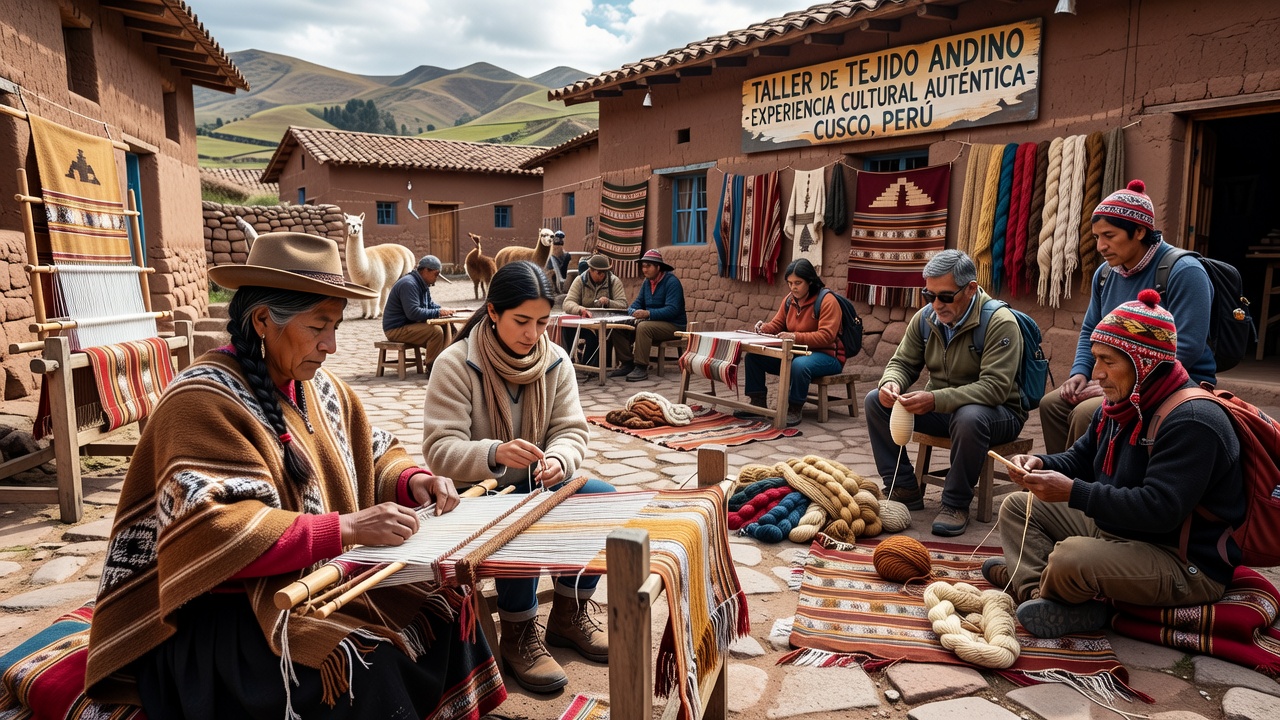
Peru's Cusco and surrounding Andean communities provide access to Inca history alongside Quechua traditions. Rural villages near Lake Titicaca offer weaving demonstrations and agricultural tours that highlight sustainable practices passed down generations, including the use of traditional terraces for crop cultivation. In Bolivia, the Uyuni Salt Flats region combines natural wonders with Aymara cultural events, where visitors can join storytelling sessions about cosmology and salt extraction methods. Urban centers like La Paz contrast with rural immersion through markets featuring traditional textiles and music, yet the countryside reveals deeper connections to land-based rituals. Ecuador's Otavalo market area adds another layer with its indigenous textile trade and mountain community homestays that emphasize music and dance as forms of cultural transmission.
Urban vs Rural Immersion Options
Urban spots deliver concentrated access to museums, festivals, and diverse cuisines but can feel more commercialized. Rural settings emphasize slower paces, direct community involvement, and unfiltered traditions, though they require more logistical planning. Urban examples include Tokyo's historic neighborhoods for temple visits mixed with modern interpretations of culture, allowing quick transitions between historical sites and contemporary art scenes. Rural alternatives, such as Peru's Sacred Valley, emphasize hands-on farming and storytelling sessions with elders who recount pre-Columbian histories. Many travelers combine both for balanced experiences, starting in cities for orientation before venturing into villages. Urban areas often provide better infrastructure for first-time cultural travelers, while rural zones reward those prepared for basic amenities with profound personal connections. Comparing the two reveals trade-offs: cities offer variety in one location, whereas rural spots foster deeper relationships over longer stays.
Practical Tips for Respectful Engagement
Respect forms the foundation of successful immersion. Research local customs in advance, including dress codes and photography etiquette, to avoid unintended offenses. Support community-owned businesses and avoid exploitative tours that commodify traditions without benefiting residents. Learning basic phrases in the local language builds rapport quickly and shows genuine interest. Participate in guided experiences led by residents to ensure cultural sensitivity, and minimize environmental impact by following leave-no-trace principles at heritage sites. Additional advice includes carrying small gifts from your home country as tokens of appreciation and keeping an open mind when invited to unexpected events like family celebrations. Always ask permission before joining private rituals, and reflect on your role as a guest rather than an observer seeking entertainment.
Seasonal Events to Prioritize in 2026
Timing visits around festivals enhances immersion significantly. In Asia, consider Japan's cherry blossom season for hanami gatherings or Thailand's Songkran water festival for communal celebrations that blend playfulness with spiritual cleansing. South American highlights include Peru's Inti Raymi in June, honoring the sun god with parades and rituals rooted in Inca cosmology, or Bolivia's Carnival in Oruro featuring elaborate dances and costumes that narrate historical and religious stories. Check official calendars from tourism boards to align trips with these events while avoiding peak overcrowding. Planning around lunar calendars or harvest cycles often yields more organic encounters than fixed tourist seasons.
Step-by-Step Planning Guide
- Define your goals clearly by deciding between spiritual, artistic, or culinary focus areas and listing specific interests such as music, crafts, or cuisine.
- Research visas and health requirements using authoritative sources like government travel advisories, ensuring vaccinations and documentation are current.
- Book accommodations through verified local operators for authentic stays that directly support families rather than large chains.
- Arrange transportation that prioritizes public options or community shuttles to reduce carbon footprint and increase spontaneous interactions.
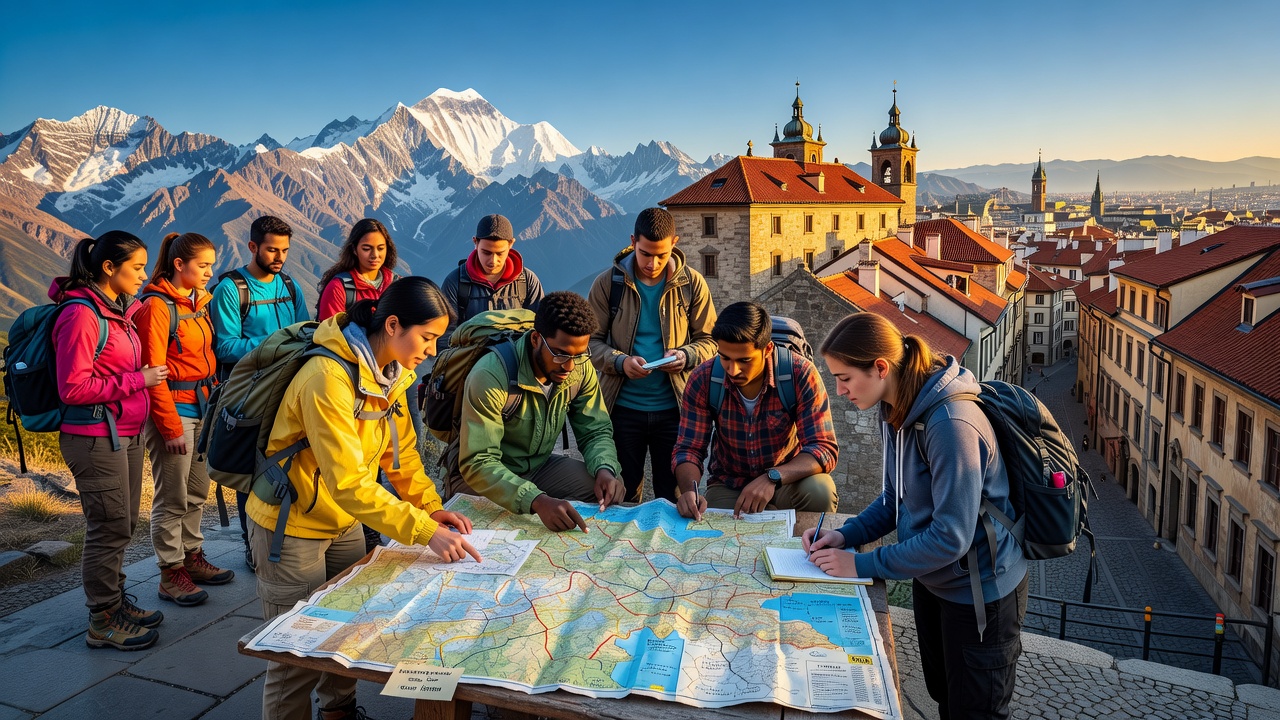
- Prepare a flexible itinerary allowing spontaneous cultural encounters while building in buffer days for rest and reflection.
- Budget thoughtfully for experiences such as workshops and meals with locals, focusing on quality over quantity of activities.
- Connect with cultural exchange platforms beforehand for pre-trip insights and to establish initial contacts in the destination communities.
Common Mistakes to Avoid
Many travelers inadvertently undermine their immersion by over-scheduling or treating experiences as checklists. Another frequent error involves assuming all locals welcome constant questions; instead, observe first and engage gradually. Ignoring seasonal weather patterns can disrupt plans, so pack appropriately and remain adaptable. Finally, neglecting to learn even rudimentary etiquette around greetings or gift-giving can create awkward moments that hinder relationship building.
FAQ: Addressing Common Concerns
How do I overcome language barriers?
Translation apps and phrasebooks help in daily navigation, but hiring local guides bridges gaps effectively during deeper interactions. Many immersion programs include language basics as part of the experience, turning potential obstacles into opportunities for shared laughter and learning.
What about costs for these trips?
Focus on mid-range options emphasizing experiences over amenities. Costs vary by region and season, but prioritizing homestays and public transport keeps expenses manageable without compromising the quality of cultural engagement.
Is it safe to travel solo for cultural immersion?
Yes, with proper research and joining reputable group activities. Women travelers often find rural homestays particularly welcoming in both Asia and South America, provided they follow standard safety protocols and maintain open communication with hosts.
Conclusion
Cultural immersion in 2026 promises transformative journeys when approached thoughtfully. By selecting authentic spots in Asia and South America, respecting traditions, and planning meticulously, travelers create lasting connections that extend far beyond the trip itself. Start your journey with these insights to move beyond the surface and embrace the world's living heritage, contributing positively to the communities you visit along the way.
No comments yet. Be the first!