 PlaceBee
Introduction to Slow Travel Philosophy
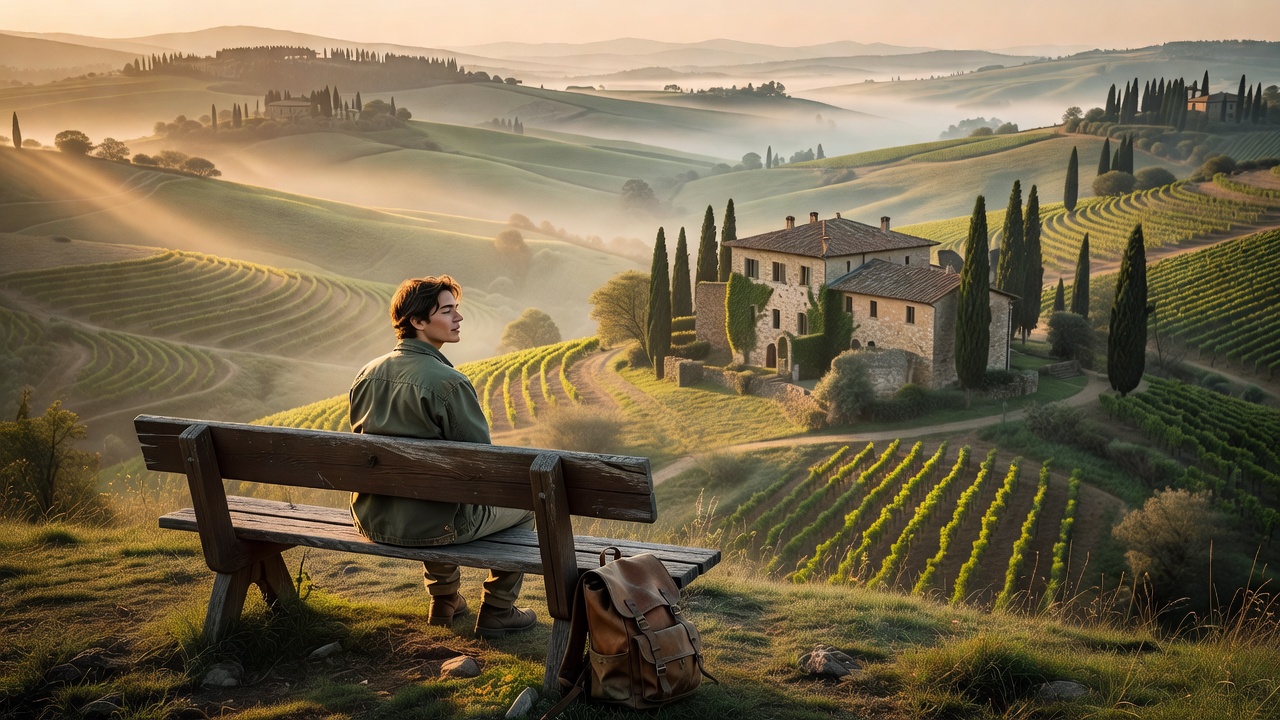
In a world of packed itineraries and bucket-list dashes, slow travel offers a refreshing alternative. This approach prioritizes depth over breadth, allowing travelers to immerse themselves in a destination's rhythms, people, and landscapes. By extending stays and reducing the pace, wanderers build meaningful connections that spark enduring wanderlust rather than fleeting snapshots. Slow travel aligns perfectly with sustainable tourism principles promoted by organizations like UNWTO, emphasizing lower environmental impact and authentic experiences. Readers seeking meaningful trips over rushed ones will find this philosophy transformative. It counters the exhaustion of traditional fast-paced travel while fostering cultural understanding and personal renewal. The core idea is simple yet powerful: instead of racing through multiple cities in a week, you settle into one place long enough to feel its pulse, from morning market routines to evening community gatherings.
Benefits of Slow Travel for Mental Renewal and Cultural Understanding
Slow travel delivers profound mental health advantages. Extended time in one place reduces stress from constant movement, enabling true relaxation and reflection. Studies from the World Health Organization highlight how mindful experiences in nature and communities support emotional well-being. Culturally, staying longer lets travelers participate in local festivals, learn basic phrases, and form friendships that go beyond tourist traps. Unlike quick visits that skim surfaces, slow journeys reveal hidden layers—perhaps joining a neighborhood cooking class or hiking the same trail at different times of day. These moments create lasting memories and a deeper appreciation for global diversity. Over weeks, you notice seasonal changes, understand local humor, and even contribute to small community events, turning a trip into a life-enriching chapter rather than a checklist.
Selecting Ideal Locations for Extended Stays
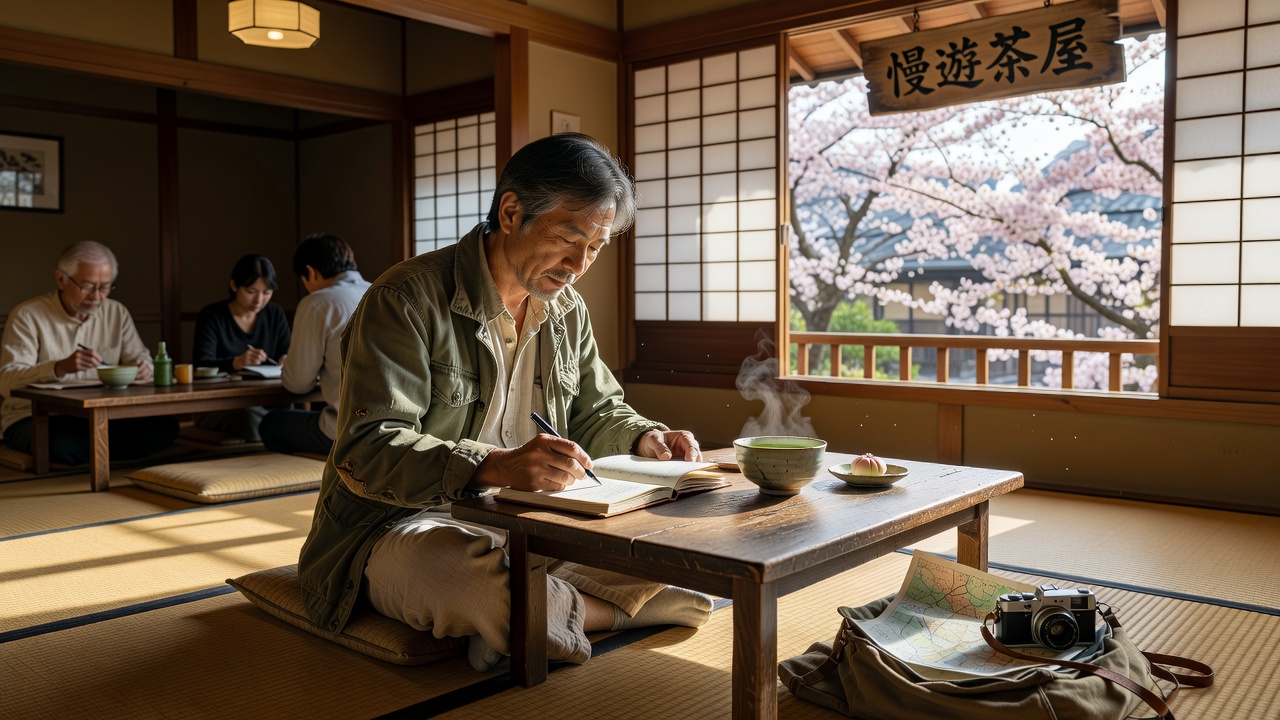
Not every destination suits slow travel. Look for places with walkable neighborhoods, affordable long-term accommodations, and rich local culture. Ideal spots offer a mix of nature, history, and community without overwhelming crowds. Real-world examples include Lisbon, Portugal, where historic neighborhoods like Alfama invite weeks of exploration through fado music, markets, and riverfront walks that change with the tides and seasons. Kyoto, Japan, rewards unhurried visits to temples and gardens, with opportunities to join tea ceremonies and seasonal festivals that unfold over months. Tuscany, Italy, provides rural villas as bases for cycling through vineyards and learning regional recipes, allowing time to attend olive harvests or wine tastings that align with local calendars. Chiang Mai, Thailand, offers a vibrant yet relaxed vibe with co-working spaces, temples, and mountain escapes perfect for digital nomads who blend work with daily meditation sessions or cooking workshops. Additional strong choices are Oaxaca, Mexico, for its artisan markets and indigenous traditions, or the Scottish Highlands for quiet hikes and storytelling nights in small pubs. These locations balance accessibility with immersion, allowing travelers to settle in and truly belong temporarily.
Practical Steps for Planning a Slow Journey
Successful slow travel requires thoughtful preparation. Follow these actionable steps to ensure a seamless experience. First, choose your base by researching neighborhoods via local forums and selecting areas with essential amenities like groceries, pharmacies, and public transport hubs that make daily life feel natural. Second, secure housing by opting for month-long rentals through reputable platforms, focusing on homes with kitchens and laundry facilities to encourage local eating habits and reduce daily expenses while fostering a sense of home. Third, build a flexible schedule by reserving only a few anchor activities weekly, such as one language exchange or guided walk, leaving ample room for spontaneous discoveries like stumbling upon street musicians or joining impromptu picnics. Fourth, pack lightly but smartly with versatile clothing layers, a reusable water bottle, comfortable walking shoes, and items for hobbies such as a journal, camera, or portable art supplies to document your evolving connection to the place. Fifth, embrace local transport options like bikes, buses, or trains to reduce your carbon footprint, interact more with residents during commutes, and gain insider knowledge about hidden spots. Additional tips include learning key phrases in the local language beforehand, researching visa options for stays over 30 days, and setting personal goals like trying one new dish weekly or volunteering once a month. These steps transform a trip into a lifestyle experiment rather than a vacation sprint, building confidence for future extended adventures.
Comparing Slow Travel to Traditional Fast-Paced Journeys
Traditional travel often involves ticking off landmarks in multiple cities within days, leading to fatigue, superficial memories, and a sense of having seen everything yet experienced little. Slow travel flips this script by valuing quality time in fewer places, where repeated visits to the same café or trail reveal nuances that rushed schedules miss. While fast trips suit short holidays or business needs, slow journeys excel for those craving renewal and insight, often resulting in stronger personal growth and reduced travel burnout. The result is a deeper wanderlust that lingers long after returning home, inspiring future adventures rooted in genuine connection rather than fleeting highlights. Travelers who switch from fast to slow frequently report higher satisfaction and a desire to return to the same destinations year after year.
Overcoming Common Challenges: Budgeting, FOMO, and More
Many hesitate due to perceived obstacles when shifting to slow travel. Budgeting for slow travel can actually prove economical since longer stays often secure discounts on housing and reduce daily transport costs, allowing focus on value experiences like free walking tours, public parks, or community events instead of expensive attractions. FOMO, or fear of missing out, fades once you realize one deep destination reveals more than scattered highlights elsewhere; start small with a two-week extension on your next trip to build confidence. Other challenges include potential loneliness, which can be mitigated by joining local clubs or language meetups, and visa logistics, best handled by checking official embassy sites early. Health considerations, such as finding reliable medical care, are eased by choosing well-connected towns with international clinics. By addressing these proactively, slow travel becomes accessible and rewarding for a wide range of travelers.
Frequently Asked Questions About Slow Travel
How do I start if I only have two weeks of vacation? Extend one destination instead of hopping cities and focus on neighborhood exploration. Is slow travel suitable for families? Yes, with careful selection of family-friendly bases that offer parks and cultural activities for all ages. What about work or remote jobs? Many slow travelers combine stays with remote work in places with reliable internet like Chiang Mai. How does it support sustainability? Longer stays mean fewer flights and more support for local economies through repeated patronage of small businesses.
Conclusion: Igniting Your Next Dream Trip
Slow travel secrets lie in patience, presence, and purpose. By choosing the right destinations, planning deliberately, and embracing the philosophy, you maximize wanderlust while creating sustainable, unforgettable journeys. Whether drawn to European villages or Asian temples, the rewards—renewed spirit and cultural richness—await those willing to slow down and truly connect.
No comments yet. Be the first!