 PlaceBee
Introduction to Ethical Wildlife Safaris in 2026
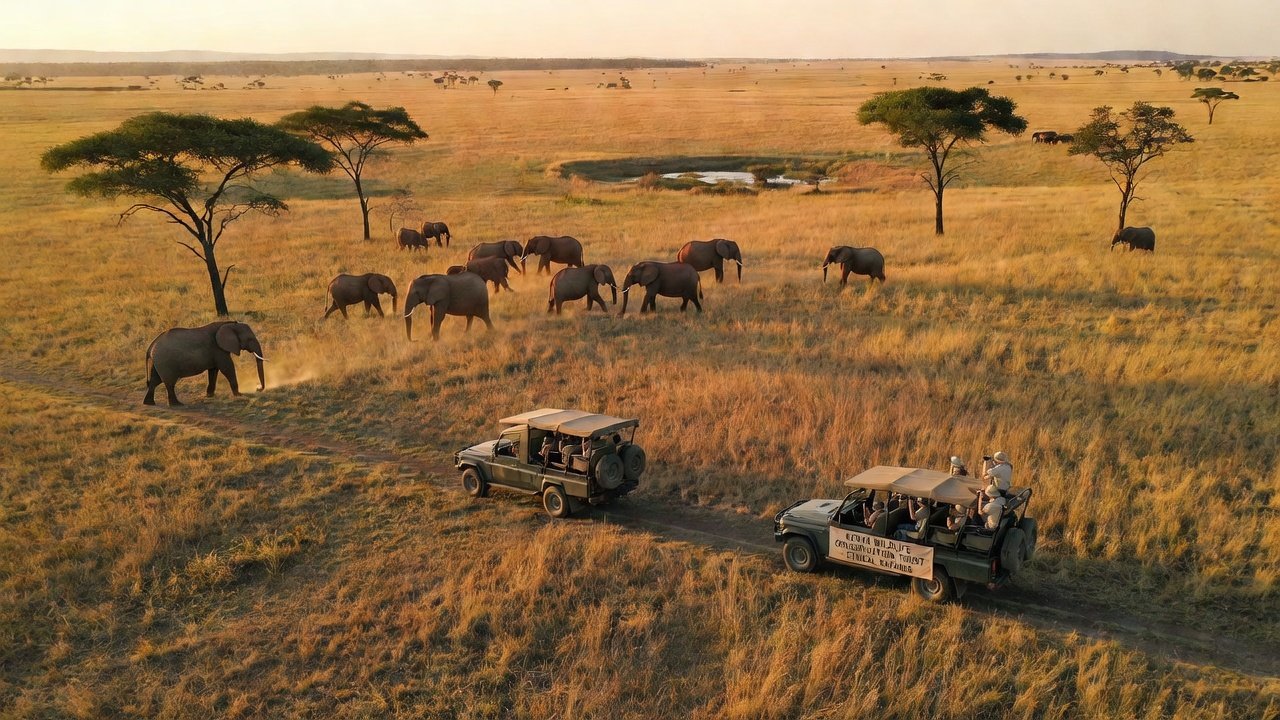
Travelers seeking meaningful wildlife encounters increasingly prioritize ethical safaris that prioritize conservation, community benefits, and minimal environmental impact. In 2026, demand continues to grow for experiences that protect habitats while offering unforgettable sightings of iconic species. This guide examines the finest destinations, verification methods, seasonal highlights, and practical planning advice to ensure your trip supports long-term wildlife protection. Ethical tourism has evolved from a niche preference into a mainstream expectation, with travelers researching carbon footprints, local employment practices, and anti-poaching contributions before committing to any itinerary. Choosing operators committed to these principles transforms a simple vacation into a meaningful contribution that helps preserve biodiversity for future generations.
Ethical operators limit group sizes, avoid baiting animals, and reinvest tourism revenue into anti-poaching and habitat restoration. Choosing such operators transforms a vacation into a direct contribution to biodiversity preservation. Over the past decade, responsible tourism models have demonstrated measurable success in areas such as reduced poaching incidents and increased wildlife populations in protected zones, proving that tourism can serve as a powerful conservation tool when managed correctly.
How to Verify Ethical Safari Practices
Before booking, research operators thoroughly. Look for certifications from recognized bodies such as the World Wildlife Fund partnerships or membership in the International Ecotourism Society. Ask about vehicle limits per sighting, staff training on animal behavior, and revenue sharing with local communities. Review recent independent reports on their conservation impact and avoid any operation advertising guaranteed close encounters or allowing tourist feeding of wildlife. Additional verification steps include checking for membership in the Global Sustainable Tourism Council and reading detailed guest reviews that mention specific conservation actions rather than generic praise.
Key red flags include large convoys of vehicles crowding animals and lack of transparency about carbon offsetting or community projects. Reputable companies publish annual impact reports detailing funds allocated to anti-poaching units and habitat corridors. Travelers should also inquire about the percentage of staff hired locally, the presence of community advisory boards, and whether the operator supports long-term research projects that monitor animal health and migration patterns. These questions help distinguish truly ethical operators from those merely using green marketing language.
Top Ethical Destinations Across Continents
Africa remains the premier continent for classic safaris, with standout options in Kenya’s conservancies and Botswana’s low-impact camps. Asia offers unique tiger and elephant experiences in India and Nepal, while South America delivers extraordinary marine and rainforest encounters in countries like Ecuador and Costa Rica. Each region presents distinct ecosystems and conservation challenges that reward careful operator selection.
Africa: Kenya and Botswana
Kenya’s Northern Kenya conservancies combine community ownership with high wildlife densities. Botswana’s Okavango Delta provides mokoro canoe safaris that disturb animals less than vehicles. Both regions feature operators enforcing strict no-off-road policies and funding local schools. In Kenya, community conservancies around the Laikipia Plateau have successfully reduced human-wildlife conflict through shared revenue models, while Botswana’s emphasis on high-value, low-volume tourism protects fragile wetland ecosystems from overcrowding.
Asia: India and Nepal
India’s tiger reserves, such as those in Madhya Pradesh, now emphasize buffer zone community tourism. Nepal’s Chitwan National Park offers riverine forest walks guided by former poachers turned conservationists, creating strong local incentives for protection. These programs have led to increased tiger numbers and stronger community support for forest preservation, demonstrating how tourism revenue can directly incentivize wildlife protection.
South America: Ecuador and Costa Rica
The Galápagos Islands in Ecuador deliver marine wildlife viewing with strict visitor caps. Costa Rica’s Osa Peninsula combines rainforest hikes with ethical sea turtle nesting tours that limit flash photography and group sizes. Both destinations enforce strict biosecurity measures and reinvest fees into habitat restoration, ensuring that tourism supports rather than strains delicate island and coastal ecosystems.
Seasonal Wildlife Viewing Opportunities
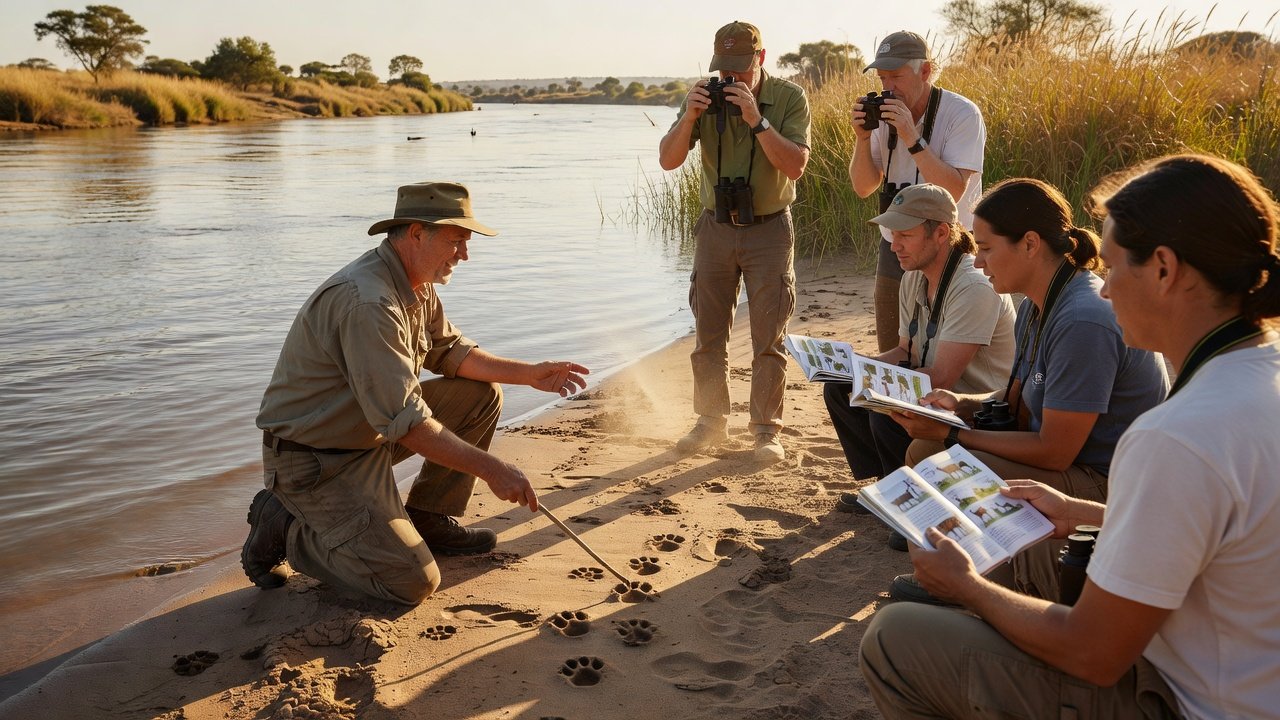
Timing affects both animal activity and ethical considerations. In East Africa, the Great Migration peaks from July to October, allowing predictable yet low-impact viewing from established tracks. Dry seasons in southern Africa concentrate animals around waterholes, reducing the need for excessive driving. In Asia, cooler months from November to February offer comfortable tiger safaris without stressing animals during breeding seasons. Shoulder seasons often provide fewer crowds and lower environmental pressure while still delivering excellent sightings, making them ideal for travelers who prioritize minimal disturbance to wildlife.
Marine-Adjacent Extensions for Animal Lovers
Many safari travelers extend trips with responsible marine experiences. Combine Botswana safaris with ethical whale watching in South Africa’s Hermanus or add snorkeling with manta rays in the Maldives through operators certified by the Marine Conservation Society. These extensions emphasize non-intrusive observation and support ocean habitat protection. When planning combined itineraries, travelers should ensure seamless logistics between terrestrial and marine operators to maintain consistent ethical standards throughout the journey.
Sample Itineraries and Logistics
A 10-day Kenya itinerary might start with a flight from Nairobi to a conservancy airstrip, followed by three nights in a community-owned camp and a drive to the Maasai Mara. Budget travelers can use shared charter flights while luxury options include private pilots. In Asia, a Nepal itinerary combines a domestic flight to Bharatpur with jeep and canoe transfers inside Chitwan National Park. Driving routes in Botswana often involve long distances on graded roads, requiring experienced guides familiar with seasonal flood patterns that affect accessibility. Always confirm vehicle maintenance standards and driver training when comparing operators.
Budget Breakdowns Versus Luxury Options
Ethical safaris range from mid-range community lodges to high-end tented camps. Mid-range options emphasize shared game drives and simple but comfortable accommodations. Luxury packages add private vehicles, exclusive concessions, and on-site naturalist guides. Both tiers should demonstrate transparent conservation contributions and local employment rates above 80 percent. When comparing options, focus on what is included rather than headline prices: mid-range packages may require separate payments for conservation levies, while luxury rates often bundle these fees with additional educational activities and private guides.
Practical Packing Lists
- Neutral-colored, long-sleeve clothing to minimize visual disturbance
- Reusable water bottle and biodegradable toiletries
- Binoculars with 8x42 magnification for respectful wildlife observation
- Portable solar charger to reduce camp energy demands
- Lightweight rain jacket for unexpected weather
- Headlamp with red-light mode for nighttime movement without startling animals
- Quick-dry towel and reusable shopping bag for reducing single-use plastics
- Basic first-aid kit including insect repellent and sunscreen suitable for sensitive ecosystems
Additional items such as a lightweight daypack and reusable notebook help minimize waste while allowing guests to record sightings responsibly. Always check operator guidelines for prohibited items like single-use plastics before packing.
Measuring Your Trip’s Conservation Impact
Track your contribution through operator reports that detail trees planted, patrols funded, or scholarships awarded. Many ethical companies provide guests with personalized impact certificates. Consider adding a voluntary carbon offset through verified forestry projects linked to your safari destination. Some operators now offer post-trip updates showing exactly how your visit supported specific anti-poaching patrols or community education programs, creating ongoing engagement beyond the safari itself.
Common Mistakes to Avoid
Travelers often overlook the importance of verifying operator credentials until after booking. Another frequent error is choosing itineraries that prioritize volume of sightings over quality of experience, leading to crowded viewing areas. Always request detailed daily schedules in advance to ensure adequate rest periods for both animals and guides. Avoiding last-minute bookings also allows time for thorough research and reduces pressure on operators to fill spots with less vetted travelers.
FAQs on Safety and Community Benefits
Is ethical safari travel safe? Yes, when following expert guides who maintain safe distances and understand animal behavior. Modern camps include secure fencing and trained rangers.
How do communities benefit? Revenue from bed levies and guiding fees funds clinics, schools, and water projects. Many conservancies allocate 30-50 percent of tourism income directly to community development.
What about health precautions? Consult the World Health Organization travel health guidelines and obtain required vaccinations well in advance.
Can families participate in ethical safaris? Many operators welcome families with age-appropriate activities that teach children about conservation without compromising animal welfare or safety standards.
How can I support local economies further? Purchase handicrafts directly from community cooperatives and choose dining options that source ingredients from nearby farms whenever possible.
Conclusion
Ethical wildlife safaris in 2026 offer transformative encounters that protect the very animals travelers hope to see. By selecting certified operators, traveling in appropriate seasons, and supporting community-led initiatives, visitors create lasting positive change. Start planning now to secure limited spots in the most responsible destinations and contribute to a future where wildlife thrives alongside thriving local communities. Thoughtful preparation ensures your adventure delivers both personal enrichment and tangible conservation outcomes.

No comments yet. Be the first!