 PlaceBee
Introduction: Decoding 2026 Travel Through Social Data
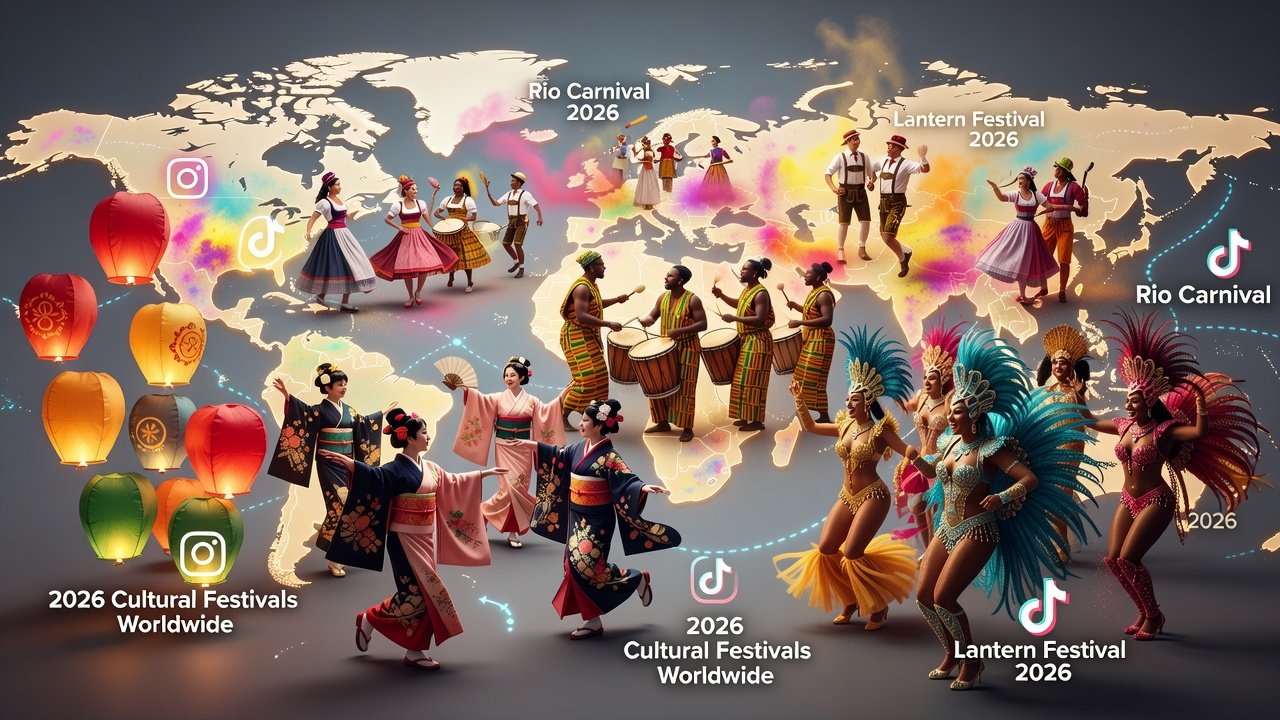
Travel planning in 2026 is evolving rapidly as social platforms like Instagram and TikTok shape what becomes the next must-visit cultural hotspot. By combining real-time social analytics with local festivals and authentic experiences, travelers can discover immersive destinations before they trend mainstream. This guide explains practical methods to harness these insights responsibly while avoiding common pitfalls like hype-driven crowds. Understanding how algorithms amplify certain locations allows you to plan trips that feel personal and culturally rich rather than following the masses.
Step-by-Step Methods to Analyze Real-Time Trends
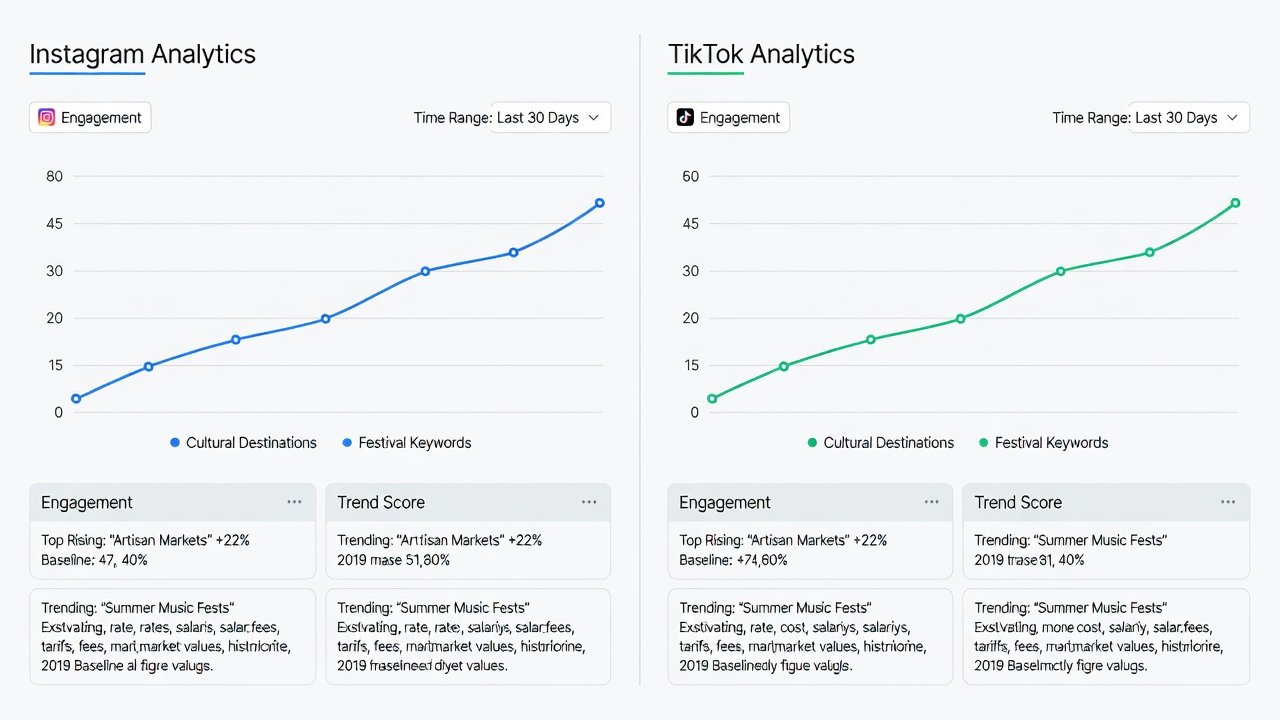
Begin by creating dedicated monitoring dashboards on both Instagram and TikTok. Instagram's native insights tool reveals hashtag performance, reach metrics, and audience demographics for location-based posts. On TikTok, the Creative Center provides data on trending sounds, challenges, and videos tagged with specific places. Set up alerts for 20-30 percent increases in mentions over a rolling 7 to 14 day period. Cross-reference findings with Google Trends to confirm broader interest. Filter results using cultural keywords such as heritage, festival, ritual, artisan market, or traditional ceremony to separate genuine local signals from generic influencer content. Document spikes tied to upcoming events by saving screenshots and noting timestamps for later pattern analysis. Repeat this process weekly to build a reliable dataset of emerging signals.
Identifying Emerging Destinations
Shift focus from saturated capitals to secondary cities and towns showing sudden engagement growth. Smaller European towns in the Balkans or hidden Southeast Asian heritage sites often display quiet momentum in late-year data. Pair these observations with local seasonality calendars to predict peak interest windows. For instance, a village in Portugal's Alentejo region may appear in analytics weeks before harvest festivals, giving planners time to prepare authentic itineraries. Validate signals by reviewing recent user comments and stories rather than relying solely on view counts.
Matching Trends to Festivals and Local Experiences
Once a destination surfaces in your data, map it against official cultural calendars from tourism boards and municipal websites. Verify alignment by searching user-generated content for real attendee experiences. Strong matches frequently involve street festivals, artisan workshops, seasonal rituals, or community markets where local participation remains high. Prioritize events that encourage respectful interaction, such as guided heritage walks or collaborative cooking sessions, over purely performative shows. This matching process ensures your visit contributes positively to the local economy while delivering memorable immersion.
Case Studies from Prior Years
In 2024, TikTok-driven interest in Portugal's lesser-known Alentejo region produced a notable rise in cultural tourism around traditional harvest festivals, with visitors reporting deeper connections to local winemaking communities. Similarly, Instagram analytics in 2025 spotlighted Japan's rural onsen towns, aligning perfectly with autumn leaf-viewing events and successfully distributing foot traffic beyond major hubs like Tokyo and Kyoto. Another example from 2023 involved Indonesian temple complexes gaining traction through short-form videos, leading travelers to pair visits with nearby village ceremonies and supporting small-scale guides. These cases demonstrate how early trend detection creates opportunities for more balanced, enriching travel.
Ethical Considerations for Overtourism
Always assess destination capacity before amplifying any location. UNWTO guidelines stress sustainable visitor management and community involvement. Avoid promoting sites already exhibiting strain such as overcrowded heritage zones or fragile ecosystems. Support community-led initiatives and travel during shoulder seasons to reduce pressure. UNESCO recommendations further advise respecting intangible cultural heritage by learning basic local customs in advance. Responsible trend use protects the very authenticity that makes these spots appealing in the first place.
Practical Tips: Timing Posts for Trend Spotting
Schedule analysis sessions mid-week when platform algorithms favor discovery content. Monitor during early-month platform updates when new features often boost location tags. Set custom alerts for engagement jumps on specific geotags and review data in the evening when global users are most active. Combine this with manual searches for local language hashtags to uncover grassroots movements before they translate into English-language virality. Maintain a simple spreadsheet logging dates, metrics, and corresponding real-world events for future reference.
Comparisons of Tools
- Instagram Insights versus TikTok Analytics: Instagram provides superior demographic breakdowns and story performance data, while TikTok excels at measuring sound and challenge velocity across regions.
- Third-party platforms such as Later or Hootsuite deliver cross-platform dashboards but require cautious interpretation to filter out inflated vanity metrics.
- Free native tools remain sufficient for most solo travelers when used consistently alongside manual verification steps.
Audience Targeting Examples
Gen Z cultural explorers respond well to TikTok's short video hooks highlighting festival energy and behind-the-scenes rituals. Millennial heritage travelers prefer Instagram carousels that tell artisan stories with detailed captions. Family audiences benefit from posts emphasizing accessible local experiences and safety considerations. Adjust posting times and formats to each platform's primary user base for maximum relevance and engagement.
FAQ: Avoiding Hype-Driven Spots
How do I verify a trend is authentic? Cross-check viral mentions against local news outlets and official tourism statistics instead of depending only on social metrics.
What should I do if a spot becomes overcrowded? Pivot to nearby alternative locations using the same analytical approach to maintain quality without contributing to congestion.
Are paid analytics tools necessary? No, free platform insights combined with disciplined weekly monitoring deliver reliable results for individual travelers.
How far in advance should I plan? Begin monitoring four to six weeks before desired travel dates to secure accommodations and event access while interest is still building.
Can this method work for budget travelers? Yes, early detection often reveals affordable shoulder-season options and lesser-known local experiences before prices rise.
Conclusion
Mastering social trend analysis empowers more meaningful 2026 cultural journeys. By blending data with ethics, local context, and careful timing, you unlock destinations that deliver lasting memories without contributing to overtourism pressures. Apply these methods consistently to transform how you explore the world.

No comments yet. Be the first!