 PlaceBee
Why Hot Air Ballooning Remains a Bucket-List Favorite in 2026
Hot air ballooning delivers a rare combination of peaceful elevation and breathtaking perspectives that ground-based travel simply cannot replicate. In 2026, increasing numbers of adventurers are prioritizing these flights as meaningful escapes that connect them with nature, culture, and unforgettable moments. This comprehensive guide explores 10 premier destinations worldwide, detailing seasonal timing, scenic highlights, trusted operators, practical booking strategies, cost considerations for various traveler types, safety protocols, photography techniques, and suggestions for pairing flights with nearby attractions. Whether you seek classic experiences or emerging spots, the information here supports informed decisions for solo travelers, couples, families, and groups alike.
Top 10 Hot Air Balloon Destinations for 2026
1. Cappadocia, Turkey
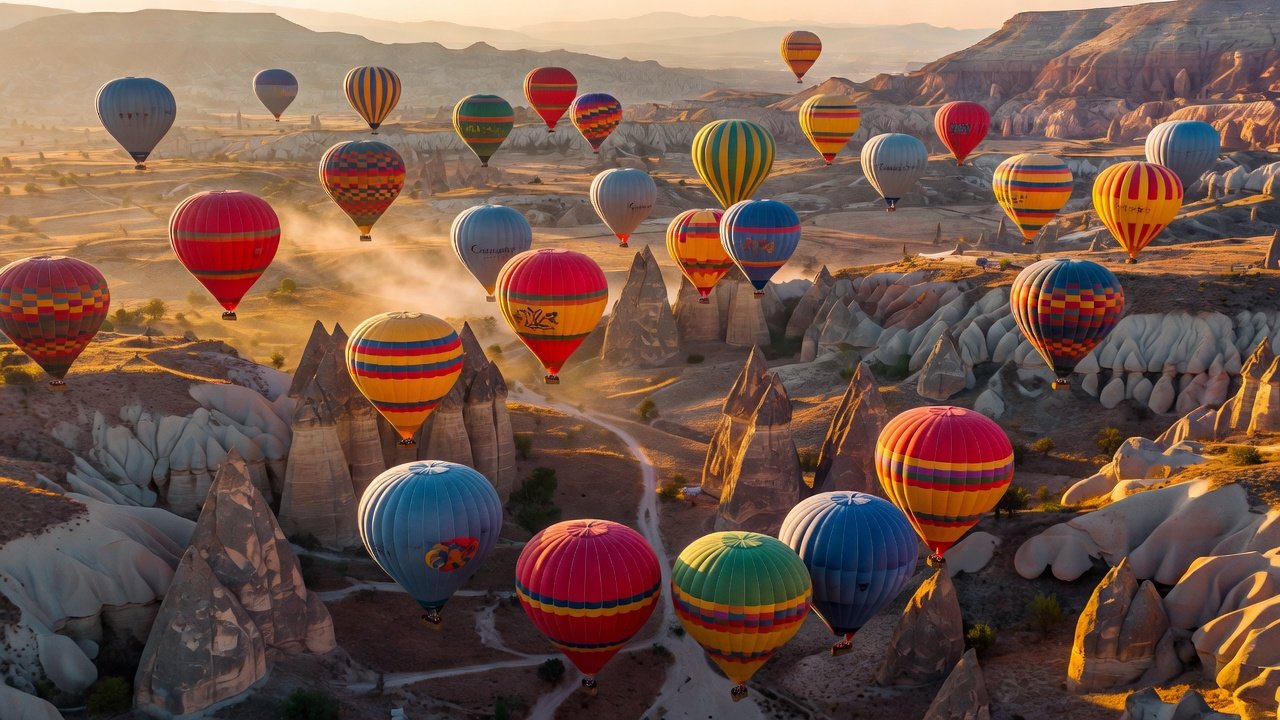
The fairy chimneys, cave dwellings, and dramatic valleys of Cappadocia create an otherworldly landscape ideal for ballooning. Flights are best scheduled from April through October when weather conditions stabilize. Royal Balloon and similar established operators provide experienced pilots and comfortable baskets. Travelers often combine the experience with visits to ancient underground cities and hiking trails through Rose Valley for a full cultural immersion.
2. Serengeti National Park, Tanzania
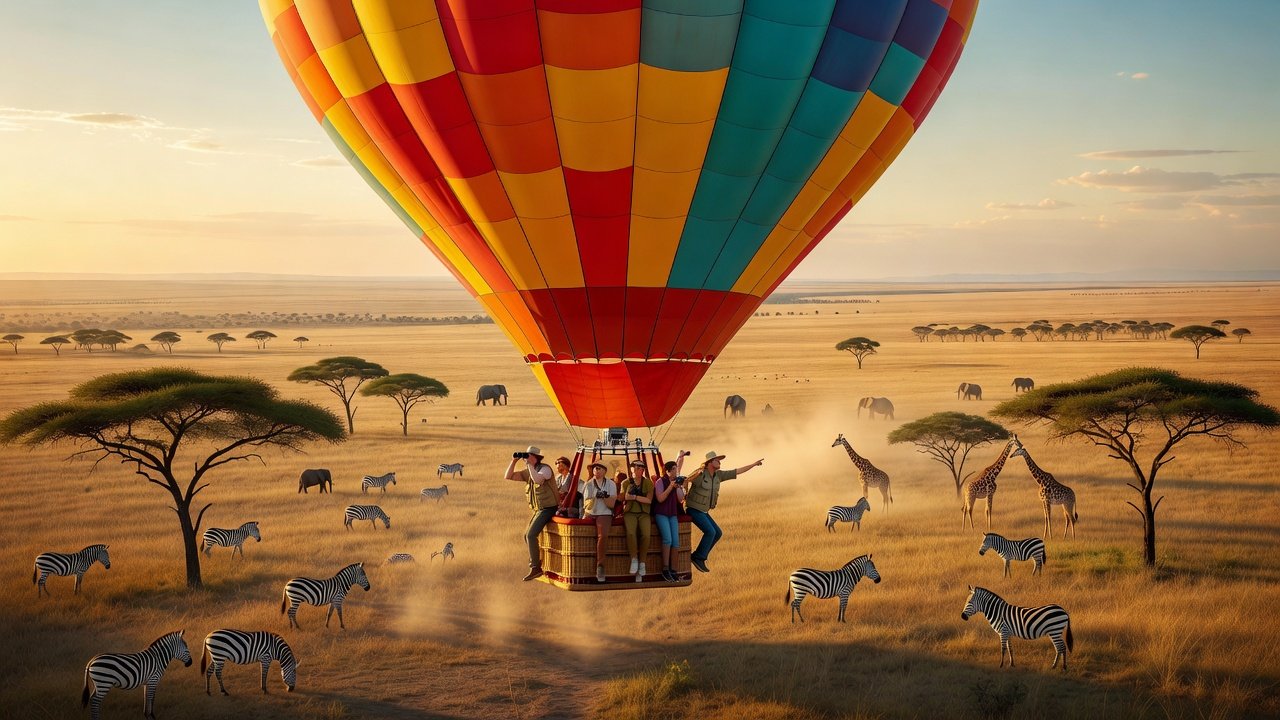
Witnessing the Great Migration from above offers a once-in-a-lifetime perspective of vast herds moving across the plains. The optimal window runs June to October during the dry season for clearer visibility. Serengeti Balloon Safaris stands out for its safety record and knowledgeable guides. Extend the trip with multi-day safari stays at nearby lodges to maximize wildlife encounters on the ground.
3. Bagan, Myanmar
Thousands of ancient Buddhist temples scattered across the plains provide a historic and visually stunning canvas. The prime season spans November to February when skies remain clear. Oriental Balloon Flights delivers reliable service with local expertise. After landing, explore the archaeological zone on foot or by bicycle to appreciate the temples up close.
4. Napa Valley, California, USA
Rolling vineyards, oak-studded hills, and elegant estates define this scenic region. September through November brings harvest colors and favorable winds. Napa Valley Balloons offers premium flights with optional wine pairings. Many visitors follow the ride with tastings at nearby wineries or a picnic in one of the valley's many parks.
5. Luxor, Egypt
Soaring above the Nile River and iconic temples such as Karnak and Luxor delivers a profound sense of history. October to April provides the most comfortable temperatures. Hod Hod and Sindbad are well-regarded local operators with strong safety protocols. Combine the flight with a guided tour of the Valley of the Kings for deeper context.
6. Queenstown, New Zealand
This emerging destination features dramatic Southern Alps peaks and sparkling lakes framed by adventure activities. December to February offers long daylight hours and stable conditions. Over the Top Ballooning provides tailored experiences for thrill-seekers. Add bungee jumping, jet boating, or alpine hiking to create an action-packed itinerary.
7. Marrakech, Morocco
Desert dunes, palm groves, and the distant Atlas Mountains create varied and colorful vistas. March to May and September to November are ideal for avoiding extreme heat. Atlas Balloon Flights maintains a solid reputation for punctuality and passenger comfort. Follow the flight with exploration of the vibrant souks and a traditional Moroccan meal in the medina.
8. Rio de Janeiro, Brazil
Coastal mountains, the iconic Christ the Redeemer statue, and sweeping ocean views make this an exciting emerging choice. April to June brings milder weather and fewer crowds. Rio Balloon Adventures focuses on scenic routes with safety briefings tailored for international visitors. Pair the experience with beach time at Copacabana or Ipanema and visits to nearby favelas for cultural insight.
9. Angkor Wat, Cambodia
The sprawling temple complexes of Angkor Wat and surrounding ruins appear majestic from the air. November to February delivers dry conditions and excellent visibility. Khmer Ballooning supplies comfortable baskets and professional crews. Continue the adventure by touring additional temples such as Ta Prohm and Bayon on the same day.
10. Maasai Mara, Kenya
Big-game sightings during the annual migration provide unparalleled wildlife viewing opportunities. June to October aligns with peak migration activity. Mara Balloon Safaris is frequently praised for its experienced pilots and conservation focus. Extend the journey with guided game drives and visits to Maasai villages for an immersive cultural experience.
Seasonal Timing and Weather Considerations
Optimal flying seasons depend on regional climate patterns, with northern hemisphere destinations favoring spring through autumn and southern locations aligning with dry periods. Wind, fog, and precipitation remain the primary factors that can lead to cancellations, so flexible travel dates are advisable. Monitoring long-range forecasts and maintaining open communication with operators helps travelers adjust plans efficiently.
Cost Comparisons for Different Traveler Types
Shared group flights generally represent the most accessible option for budget-conscious explorers and families, while private charters appeal to couples and luxury seekers seeking exclusivity. Adventure enthusiasts may invest in add-on experiences such as extended flight times or special landings. Researching inclusions like ground transfers, refreshments, and certificates allows better alignment with personal priorities and group dynamics.
Booking Tips and Operator Recommendations
Advance reservations three to six months ahead are essential for peak seasons at popular sites. Confirm pilot licensing, insurance coverage, and recent safety records before committing. Independent review platforms provide valuable traveler feedback on punctuality and customer service. Solo participants often prefer shared baskets for social interaction, whereas larger groups benefit from dedicated private options. Flexible date policies offered by many operators reduce stress when weather interferes.
UNESCO World Heritage sites frequently host these ballooning locations, enriching trips with significant cultural and natural value.
Safety Considerations for Hot Air Balloon Flights
Selecting operators with proven safety histories and certified pilots is paramount. Pre-flight briefings cover weight limits, emergency procedures, and basket etiquette. Weather-related postponements should be viewed as standard practice rather than inconvenience. International aviation guidelines help maintain consistent standards across borders, giving passengers confidence regardless of destination.
National Park Service guidelines promote responsible practices in protected areas commonly used for balloon activities.
Photography Opportunities and Tips
Early morning golden light dramatically enhances landscape colors and creates striking shadows across terrain. Wide-angle lenses capture expansive scenes while telephoto options highlight details such as wildlife or architectural features below. Stabilizing cameras against the basket rim minimizes vibration, and documenting the entire process from inflation to landing yields compelling narratives. Photographers should also consider drone restrictions at each location to remain compliant with local regulations.
Pairing Balloon Rides with Nearby Attractions
Extending the journey beyond the flight itself maximizes value and creates balanced itineraries. Many destinations allow seamless integration with hiking, cultural tours, culinary experiences, or wildlife viewing. Planning multi-day stays enables travelers to alternate aerial perspectives with ground-level exploration for deeper appreciation of each region.
FAQ
What weather conditions affect flights?
Strong winds, low visibility from fog, or approaching storms typically prompt cancellations. Operators continuously monitor meteorological data and prioritize safety by rescheduling when necessary.
How large are typical groups?
Shared flights commonly accommodate eight to sixteen passengers per basket, fostering a communal atmosphere. Private charters usually limit participation to two to six people for greater personalization and space.
No comments yet. Be the first!