 PlaceBee
Introduction to Hot Air Balloon Travel in 2026
Hot air ballooning continues to rank among the most sought-after adventure activities for travelers planning 2026 trips. Unlike fixed-wing flights or helicopter tours, balloon rides offer a silent, slow-paced perspective that allows passengers to truly absorb landscapes below. This comprehensive comparison examines eight standout global destinations, evaluating seasonal peaks, scenic variety, crowd levels, operator quality, pricing considerations, and safety standards. The goal is to provide enough concrete detail so readers can match their experience level, budget range, and travel timing to the right location without surprises.
Whether you are a first-time flyer seeking a gentle introduction or an experienced adventurer chasing dramatic wildlife migrations, understanding the differences between these destinations is essential. Factors such as weather reliability, altitude restrictions, and local regulations vary significantly by region. Throughout this guide you will find practical booking timelines, expanded packing advice, side-by-side comparisons, real traveler insights, and answers to common questions about weather changes and photography opportunities.
Top 8 Global Hot Air Balloon Destinations for 2026
1. Cappadocia, Turkey
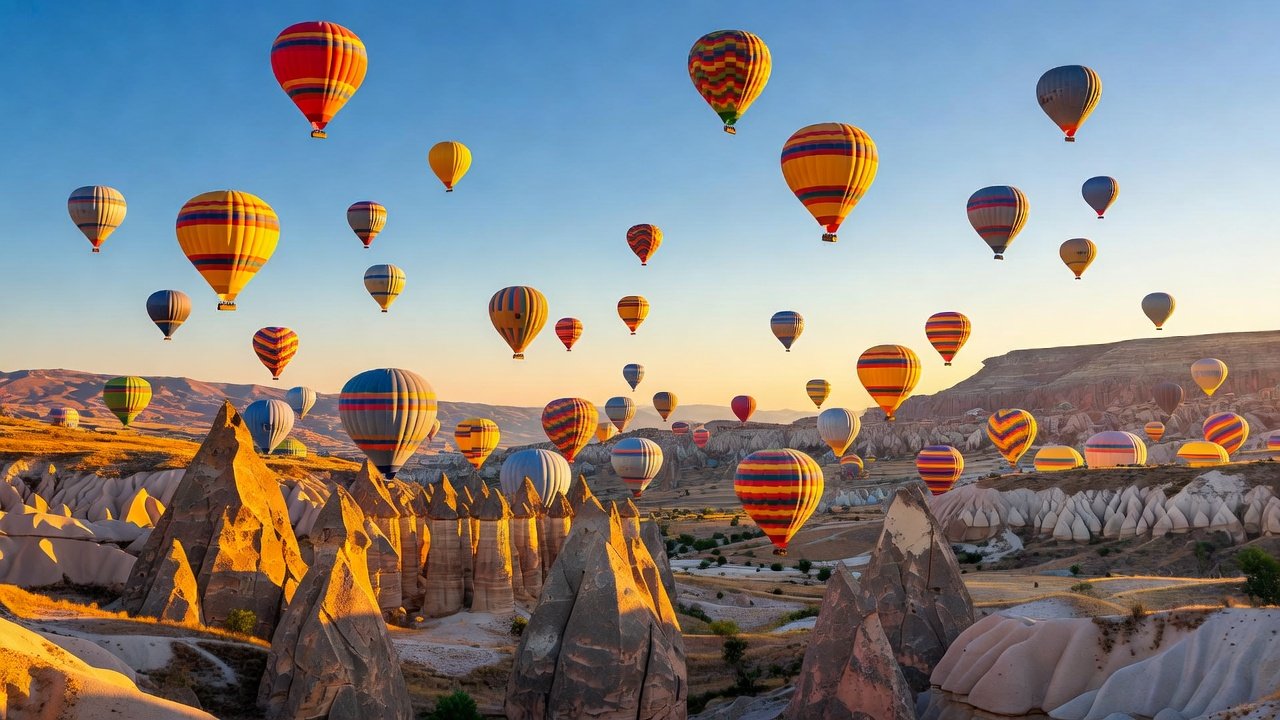
Peak season runs April through October when stable morning winds create ideal conditions. The landscape features thousands of fairy chimneys, rock-cut churches, and underground cities that appear especially dramatic at sunrise. Shoulder months of April and October deliver fewer crowds while still offering clear skies. Reputable operators maintain fleets of modern balloons with certified pilots who complete daily meteorological briefings. Travelers should expect early 4 a.m. pickups and one-hour flights followed by traditional Turkish breakfasts. First-timers appreciate the mix of cultural history and otherworldly geology that requires no prior ballooning knowledge.
2. Serengeti National Park, Tanzania
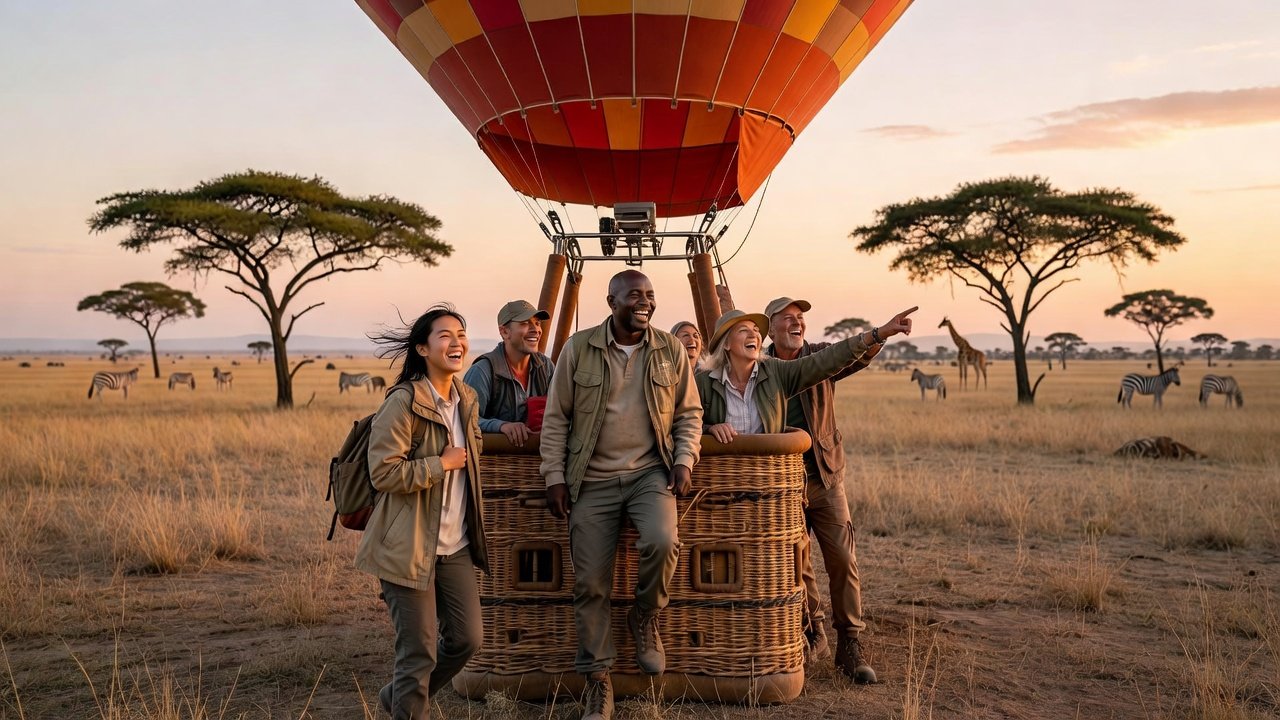
June through October coincides with the great migration, offering unmatched views of wildebeest and zebra herds crossing the plains. The vast savanna provides a sense of scale impossible to capture from ground level. Because access involves small airstrips and limited lodge capacity, crowd levels remain low even in peak months. Eco-conscious operators limit daily launches and emphasize minimal wildlife disturbance. This destination suits intermediate travelers comfortable with remote travel and variable morning temperatures that can drop significantly before sunrise.
3. Napa Valley, California, USA
May through October brings consistent valley winds and harvest-season vineyard colors. Rolling hills dotted with wineries create a pastoral scene that appeals to couples and groups alike. Summer months see higher demand, so mid-week departures reduce wait times at launch sites. All operators must comply with FAA certification and weight-balance protocols. The region offers convenient ground transportation from San Francisco, making it accessible for domestic travelers who prefer minimal international logistics.
4. Bagan, Myanmar
November to February provides dry, cool mornings perfect for floating above thousands of ancient Buddhist temples. The archaeological zone remains less crowded than Southeast Asian beach destinations, allowing photographers extended periods without other balloons in frame. Local operators with long safety records coordinate closely with Myanmar aviation authorities. Travelers should note that infrastructure is still developing, so advance visa and internal flight arrangements are recommended.
5. Luxor, Egypt
October through April avoids extreme summer heat while showcasing the Nile River, Karnak Temple, and Valley of the Kings from above. Moderate crowds gather near popular launch fields, yet the sheer size of the archaeological area prevents congestion. Licensed operators follow strict Egyptian Civil Aviation Authority rules that include pre-flight medical checks and bilingual safety briefings. This location works well for history enthusiasts combining balloon flights with multi-day Nile cruises.
6. Teotihuacan, Mexico
November to March offers clear skies and moderate temperatures ideal for viewing the Pyramid of the Sun and Avenue of the Dead. Growing international interest has increased launch numbers, yet the site’s expansive layout keeps experiences intimate. Mexican operators must hold current DGAC certifications and conduct bilingual passenger orientations. The proximity to Mexico City allows easy day-trip combinations with urban cultural tours.
7. Loire Valley, France
May through September highlights châteaux, vineyards, and the meandering Loire River. EU aviation regulations require pilots to log minimum flight hours and undergo annual medical evaluations. Moderate crowds concentrate near popular châteaux, but early booking secures preferred departure slots. The region’s excellent road and rail connections make it convenient for European travelers extending trips to Paris or Bordeaux.
8. Queenstown, New Zealand
December through March delivers long daylight hours and alpine scenery with snow-capped peaks reflected in Lake Wakatipu. Strict Civil Aviation Authority oversight keeps operations safe and limits daily flights, resulting in low crowd density. The destination attracts adventure travelers who often combine ballooning with bungee jumping or jet boating on the same itinerary. Remote location requires careful flight scheduling from Auckland or Christchurch.
Side-by-Side Destination Breakdown
When comparing crowd density, Cappadocia and Napa Valley experience the highest volumes during July and August, while Serengeti and Queenstown maintain lower densities year-round. Scenic variety ranges from cultural temple complexes in Bagan and Luxor to wildlife-focused plains in Tanzania and dramatic alpine vistas in New Zealand. Seasonal peaks align with each region’s driest, most stable weather windows, reducing cancellation risk. Travelers prioritizing photography should note that dawn launches in Cappadocia and Bagan provide the longest golden-hour windows, whereas Serengeti flights emphasize wildlife movement over sunrise color.
Operator Recommendations and Safety Protocols
Selecting an operator with international accreditation is the single most important safety decision. The Fédération Aéronautique Internationale maintains global standards for pilot licensing and equipment maintenance. Reputable companies provide written weather policies, weight limits, and insurance documentation before booking. UN Tourism encourages sustainable practices such as limited daily launches and community benefit programs. Always confirm that pilots hold current medical certificates and that chase crews carry communication equipment for rapid retrieval after landing.
Practical Booking Timelines
Reserve flights three to six months ahead for peak-season Cappadocia and Napa Valley departures. Serengeti and Queenstown slots can sometimes be secured within eight weeks, though prime migration dates fill faster. Begin by confirming travel insurance that covers activity cancellations, then compare at least three operators per destination using official aviation authority websites. Final payment is typically due 30 days prior, with full refunds available for weather cancellations in most regions.
Packing Checklists
- Layered clothing including a fleece or down jacket for pre-dawn temperatures that may drop 15 degrees Celsius
- Closed-toe shoes with good grip for uneven launch fields
- Broad-spectrum sunscreen and a wide-brim hat for post-landing sun exposure
- Camera with extra batteries and a neck strap to prevent loss during landing
- Light snacks and a reusable water bottle for the one-hour flight
- Prescription motion-sickness medication taken the night before if prone to nausea
Real Traveler Comparisons for Different Experience Levels
Beginners often choose Napa Valley or Loire Valley because of short flight times, easy ground logistics, and English-speaking crews. Intermediate flyers who want dramatic scenery with moderate challenge gravitate toward Cappadocia or Luxor. Advanced travelers seeking remote wilderness and wildlife encounters consistently select Serengeti or Queenstown. One couple reported that their first balloon flight in Bagan sparked a lifelong passion, leading them to return for a second trip in Teotihuacan the following year.
FAQs on Weather Contingencies and Photography Opportunities
Weather cancellations occur in every destination; reputable operators offer same-day rescheduling or full refunds when winds exceed safe limits. Early morning launches remain the norm because surface winds are calmest before solar heating creates turbulence. For photography, use a wide-angle lens for landscape overviews and a telephoto for distant wildlife in the Serengeti. U.S. Department of State travel advisories should be checked before international departures to confirm current entry requirements.
Conclusion
Selecting the right 2026 hot air balloon destination requires balancing scenic preferences, crowd tolerance, and seasonal availability. With careful operator research and advance booking, travelers can enjoy safe, unforgettable flights that match their personal adventure goals.

No comments yet. Be the first!