 PlaceBee
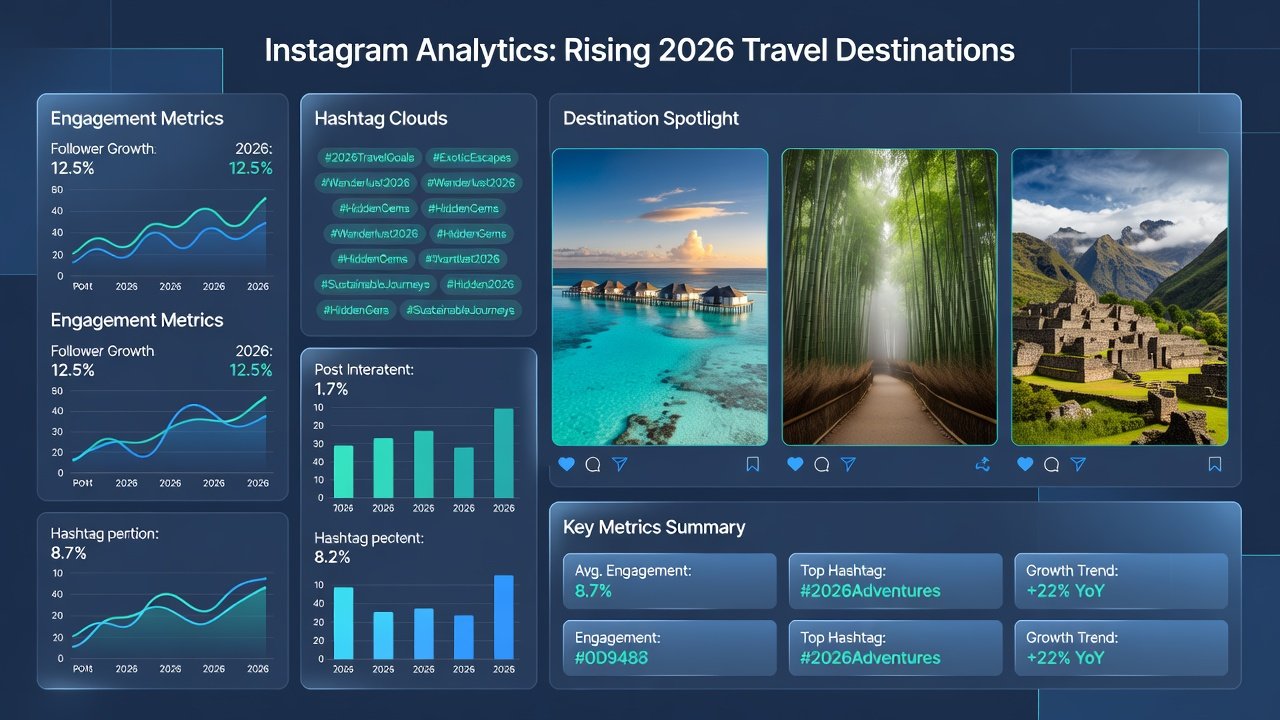
Introduction: Predicting Travel Trends with Instagram Data
Instagram remains a powerful platform for spotting emerging travel destinations before they appear on mainstream lists. By analyzing metrics such as hashtag growth, Reels engagement rates, and influencer mentions, travelers and marketers can identify locations poised for 2026 popularity. This approach combines social listening with data validation to separate fleeting hype from sustainable trends. Travel inspiration often starts on Instagram, where users share authentic experiences that influence millions. Understanding these signals allows early planning for less crowded visits or strategic timing around peak seasons. In an era where social media drives tourism decisions, mastering Instagram analytics gives you a competitive edge for discovering hidden gems that will dominate future travel conversations.
The rapid evolution of short-form video content through Reels has accelerated how destinations gain visibility. What once took months to trend now spreads in weeks, making proactive monitoring essential for 2026 planning. This article provides a complete framework for leveraging Instagram data effectively.
Key Instagram Metrics for Destination Forecasting
Focus on three primary indicators. Hashtag growth tracks how often a location tag appears in posts over time, revealing organic interest spikes. Reels engagement rates measure likes, comments, shares, and saves relative to views, indicating content resonance. Influencer mentions highlight when established travel creators begin featuring a spot, often signaling broader interest. These metrics work together. A sudden spike in hashtag usage paired with high Reels saves suggests genuine traveler interest rather than paid promotion. Additional nuances include tracking story mentions and carousel post performance, which provide layered insights into audience intent and content virality potential.
Step-by-Step Process for Tracking Performance Data
- Identify seed hashtags like #HiddenGems2025 or location-specific tags such as #VisitFaroeIslands and monitor their weekly post volume increases.
- Use Instagram's built-in search and insights tools to analyze top-performing Reels by sorting content under a location tag by engagement rate.
- Track influencer accounts with travel niches for mentions of new destinations, noting follower demographics and posting frequency.
- Document changes over 4-8 weeks to establish baseline trends and identify acceleration points.
- Segment data by post type, time of day, and audience location to refine predictions further.
Repeat this process monthly to build historical context for 2026 predictions. Incorporate A/B testing of your own content around potential destinations to gauge real-time response.
Comparing Instagram Signals Against TikTok Trends
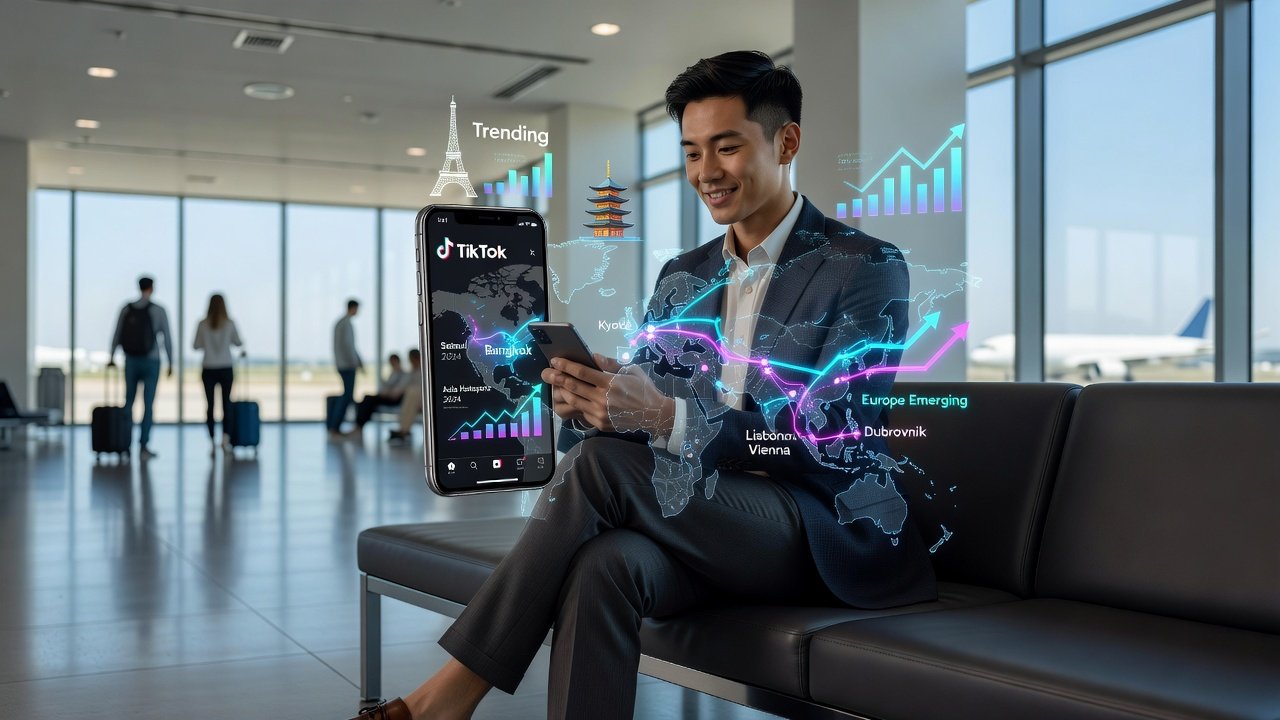
Cross-reference Instagram data with TikTok to confirm momentum. TikTok often accelerates trends through short-form video, while Instagram provides deeper engagement metrics. A destination gaining traction on both platforms is more likely to sustain popularity into 2026. For example, locations that trend first on TikTok may see slower but steadier growth on Instagram, offering a window for early visits. Detailed comparison involves noting video completion rates on TikTok versus save rates on Instagram Reels, which together paint a fuller picture of traveler excitement and planning behavior.
Validating Predictions with Search Volume Data
Once social signals emerge, validate them using external search tools. Google Trends or similar platforms reveal whether online interest aligns with social buzz. Consistent rises across both channels strengthen the case for a rising destination. This step reduces false positives from algorithm-driven spikes that lack real-world intent. To implement, input location names and related terms into Google Trends and compare multi-year trajectories. Layer in tourism board reports for additional confirmation.
Case Studies of Viral Locations That Became Top Destinations
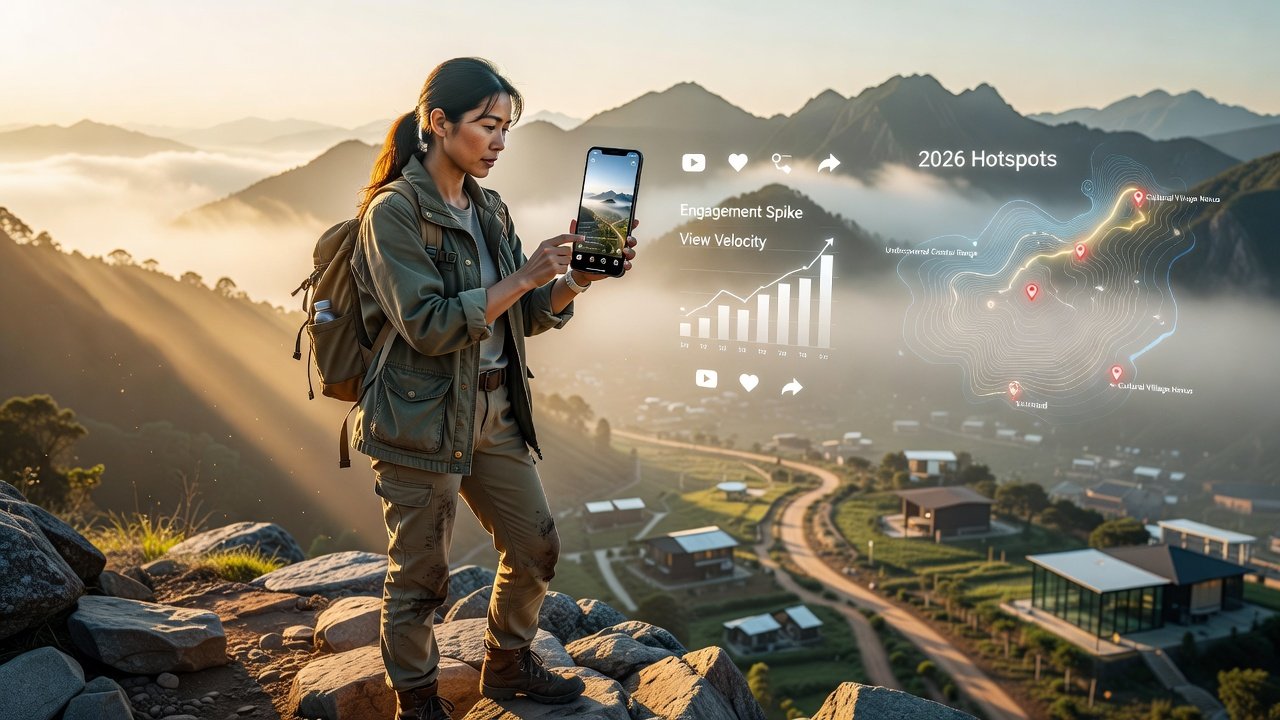
Past examples illustrate the process. Locations like the Faroe Islands gained early Instagram traction through stunning Reels before mainstream media coverage, leading to controlled tourism growth via their sustainable visitor program. Similarly, spots in Georgia (the country) saw hashtag growth followed by influencer visits, leading to increased tourism by 2024-2025. Another case involves remote areas in Patagonia, where Reels showcasing untouched landscapes drove engagement before official tourism campaigns launched. Analyzing these patterns helps apply the same methodology to 2026 candidates such as lesser-known regions in Central Asia or emerging eco-destinations in South America, where initial influencer mentions are already appearing in niche travel circles.
Recommended Tools for Real-Time Monitoring
- Instagram Insights for native account data on reach, impressions, and audience demographics.
- Third-party social analytics platforms that aggregate hashtag and engagement trends across multiple accounts.
- Google Trends for search volume correlation, providing objective validation of social hype.
- Content scheduling tools with built-in analytics to track performance over time and schedule test posts.
- Competitor analysis features in advanced tools to benchmark against established travel influencers.
Combine these for a comprehensive view without relying on a single source. Regular audits ensure data accuracy as platform algorithms evolve.
Audience Targeting by Travel Style
Segment insights based on traveler preferences. Adventure seekers respond to Reels showing hiking or wildlife, while luxury travelers engage more with polished destination highlights. Tailor monitoring to your audience to predict spots that match specific styles like sustainable travel or cultural immersion. For families, focus on safety mentions and kid-friendly visuals; for solo travelers, emphasize community and ease of navigation. This targeted approach improves the relevance of your 2026 destination shortlist.
Practical Checklists for Turning Insights into Trip Plans
- Review top 5 rising hashtags weekly and note associated locations with supporting engagement data.
- Compare engagement rates across platforms before booking flights or accommodations.
- Validate with search trends and local tourism reports from sources like the UNWTO.
- Plan shoulder-season visits to avoid crowds once trends peak in late 2026.
- Book accommodations and transport early based on confirmed growth signals and monitor for price fluctuations.
- Create a content calendar to document your own trip for potential influencer-level impact.
FAQs: Distinguishing Hype from Sustainable Trends and Optimizing for 2026
How can I tell if a trend is hype or lasting?
Look for sustained engagement over multiple months and cross-platform validation rather than single viral posts. Consistent search volume growth and repeat influencer coverage are strong indicators of longevity.
When should I plan trips based on 2026 predictions?
Target the first half of 2026 for early access, before peak social amplification occurs later in the year and crowds increase.
What tools help most with real-time data?
Start with Instagram's native features and layer on search trend tools for confirmation, supplemented by tourism statistics from official bodies.
How do I avoid overtouristed spots after they trend?
Monitor engagement drop-offs and pivot to adjacent lesser-known areas within the same region for a balanced experience.
Conclusion
Instagram analytics offer a proactive way to discover 2026 destinations. By following structured tracking, validation steps, and audience-focused planning, travelers can enjoy emerging spots with fewer crowds and better experiences. Start monitoring today to stay ahead of the curve and craft memorable journeys backed by data-driven foresight.
No comments yet. Be the first!