 PlaceBee
Introduction: Why TikTok Leads Real-Time Travel Discovery
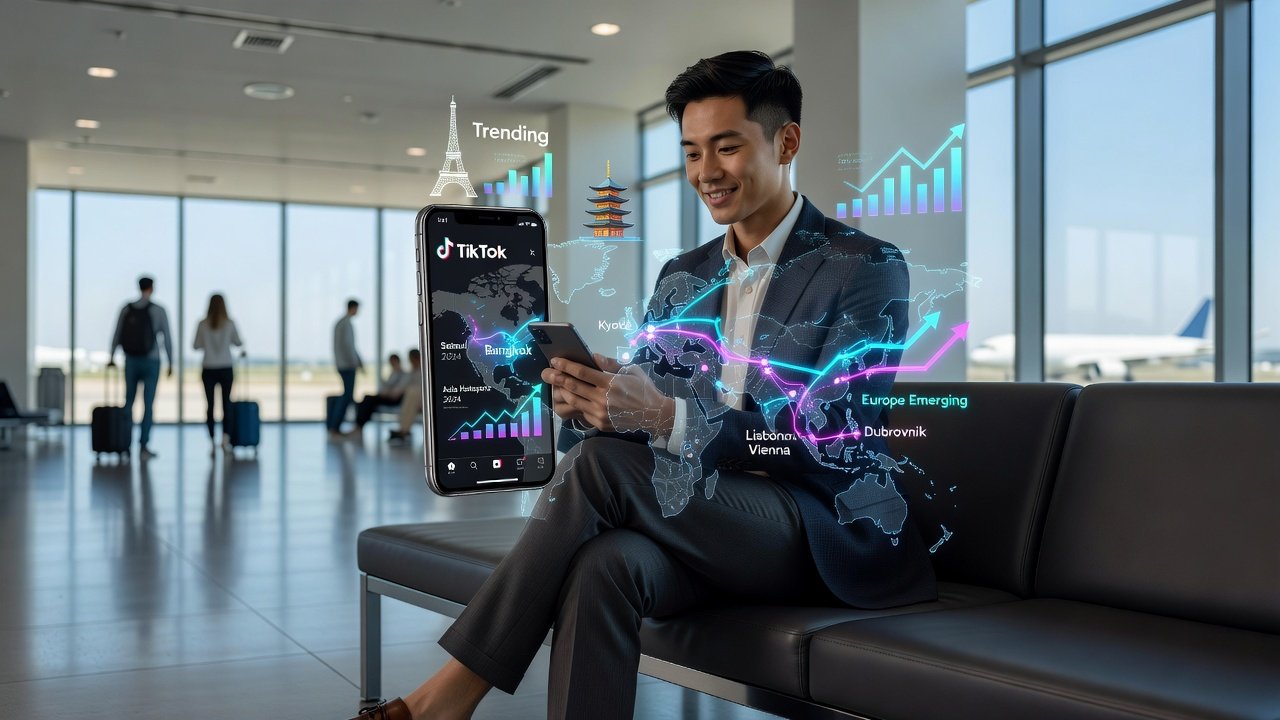
In the fast-evolving world of travel planning, TikTok has become the go-to platform for spotting emerging destinations ahead of traditional media. By analyzing platform-specific signals like hashtag volume, trending sounds, and location tags from creators, travelers and marketers can identify 2026 hotspots early. This approach taps into search intent for real-time discovery, allowing users to beat the crowds on rising spots in Asia and Europe. The platform's algorithm prioritizes fresh, user-generated content, which often surfaces hidden gems long before they appear on established travel roundups or in major publications.
Unlike static annual lists published by magazines or tourism boards, TikTok data reflects organic user behavior in near real time. This makes it invaluable for those seeking authentic experiences rather than oversold tourist traps. This article explores practical TikTok analytics techniques in depth, compares the platform to Instagram, provides detailed step-by-step guides with real-world applications, shares recent trend examples from Asia and Europe, and offers advice on seasonal timing and avoiding hype traps. Readers will also find expanded case studies, free tool recommendations, and a comprehensive FAQ section to support informed decision-making.
Key TikTok Tools for Destination Prediction
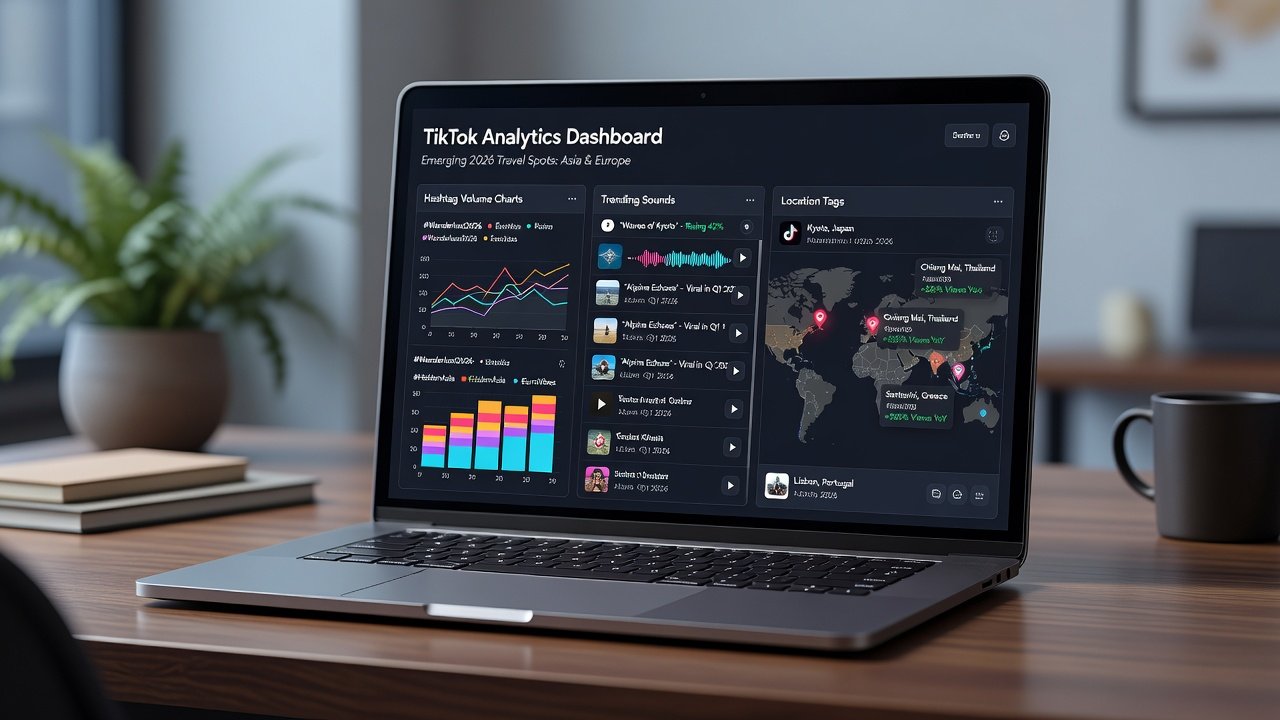
TikTok offers built-in features that reveal emerging travel patterns through direct engagement metrics. Hashtag volume tracking shows how often users engage with location-specific tags, providing quantitative signals of growing interest. Sound trends indicate viral audio tied to destinations, often driving exponential video shares that highlight lesser-known areas. Creator location tags pinpoint authentic shares from on-site visitors, helping distinguish genuine recommendations from aspirational content created in studios.
Free tools like TikTok's native search and Creative Center help monitor these metrics without paid subscriptions. Users can combine them with external analytics for deeper insights into engagement spikes that signal rising popularity. For instance, monitoring daily changes in view counts on location-tagged videos allows early detection of momentum before it reaches mainstream awareness. Integrating these signals with broader tourism data from sources like the UNWTO strengthens predictive accuracy for 2026 planning.
TikTok vs Instagram: Platform Comparison for Travel Trends
Instagram excels at polished visuals and influencer partnerships, but TikTok drives faster, algorithm-fueled virality that favors raw, relatable moments. TikTok's For You Page surfaces niche content to broad audiences quickly, making it superior for spotting pre-mainstream destinations. Instagram Stories and Reels offer similar features but with slower trend propagation due to its more curated feed and emphasis on follower counts rather than pure engagement velocity.
For 2026 predictions, prioritize TikTok when seeking authentic, user-generated signals over Instagram's staged aesthetics. Cross-platform analysis strengthens forecasts by validating trends across both ecosystems. TikTok often captures younger demographics and spontaneous travel decisions, while Instagram appeals to aspirational planning. Understanding these differences helps tailor content strategies and destination scouting efforts effectively.
Step-by-Step Analytics Walkthrough
Follow this detailed process to extract actionable insights from TikTok data:
- Search TikTok for destination keywords and note top hashtags with rising view counts, paying attention to daily or weekly growth rates to identify acceleration points.
- Analyze associated sounds by checking their usage in travel videos and growth over weeks, noting how specific audio clips correlate with increased location tags in the same region.
- Filter results by creator location tags to confirm real visits versus aspirational content, cross-referencing with video comments for additional context on visitor experiences.
- Track engagement rates on sample videos to gauge sustained interest, calculating likes-to-views ratios and comment sentiment to filter out one-off viral moments.
- Export data manually or via free browser extensions for trend graphing, then compare against historical patterns to forecast future spikes aligned with 2026 travel seasons.
Repeat weekly to build a predictive dataset for 2026 planning. This methodical approach turns raw platform data into reliable destination intelligence.
Real 2025-2026 Trend Examples from Asia and Europe
Examples from recent cycles illustrate the method's effectiveness. In Asia, locations like rural Japan saw spikes from sound-driven videos featuring cherry blossom alternatives in lesser-visited prefectures, leading to measurable increases in creator visits and subsequent bookings. European spots such as lesser-known Portuguese villages gained traction via creator tags showing off-season escapes, with videos highlighting local cuisine and hiking trails driving organic shares.
Additional cases include emerging Thai islands where hashtag clusters around sustainable travel grew steadily, and hidden Italian hill towns that benefited from sound trends tied to cultural festivals. These patterns emerged months before major travel sites highlighted them, demonstrating TikTok's early-signal advantage. Monitoring similar signals now can reveal next year's breakout destinations across both continents.
Seasonal Timing Advice for Maximum Impact
Align analytics checks with peak posting seasons to capture the strongest signals. Spring and fall often yield the strongest indicators for summer travel in Europe, while winter months highlight Asian escapes from cold climates in the northern hemisphere. Monitor for 30-60 days of consistent growth before committing to bookings, allowing time to verify trends against external factors like weather or events.
This timing helps avoid peak-hype periods and identifies shoulder-season opportunities that deliver better value and fewer crowds. Incorporating calendar-based adjustments ensures predictions remain relevant throughout the year.
Free Tool Recommendations
Several no-cost resources support TikTok analytics efforts:
- TikTok Creative Center for hashtag and sound exploration, allowing users to view trending topics and regional breakdowns directly from the platform.
- Google Trends to cross-reference search volume spikes with TikTok data, accessible at trends.google.com for broader validation.
- Basic spreadsheet tools for logging weekly data points and visualizing patterns over time without advanced software.
- Browser-based extensions that aggregate public video metrics for quick comparisons across multiple destinations.
These options enable independent trend forecasting without expensive software subscriptions.
Case Studies of Viral Destinations
One Asian village became a 2025 sensation after a single sound went viral, leading to sustained creator visits and high engagement rates that translated into local tourism growth. Detailed analysis showed hashtag volume increasing steadily over eight weeks, prompting early visitors to enjoy the spot before larger crowds arrived. A European coastal town followed a similar path through location-tagged videos that highlighted hidden trails, resulting in measurable booking increases and positive reviews shared back on the platform.
Both cases demonstrate how early TikTok monitoring translated into high-engagement travel content and real-world visits. Lessons from these examples include the importance of verifying authenticity through multiple data points and acting during the growth phase rather than after saturation.
FAQ: Avoiding Hype-Driven Spots
How do I distinguish real trends from fleeting hype? Look for sustained hashtag growth over multiple weeks and cross-check with creator authenticity via location data and comment analysis.
What if a spot appears oversaturated? Shift focus to adjacent lesser-tagged areas using the same analytics methods to uncover nearby alternatives with similar appeal.
Are there risks to visiting viral destinations? Yes, but timing visits outside peak viral windows reduces overcrowding issues while still allowing enjoyment of the location's unique features.
How can I combine TikTok insights with traditional planning? Use data from the platform to shortlist options, then verify with resources like official tourism sites or TikTok creator guidelines for responsible sharing.
Conclusion
TikTok analytics empower proactive travel discovery for 2026. By mastering hashtag volume, sounds, and tags while comparing platforms and following structured walkthroughs, users gain a competitive edge in identifying rising destinations. Apply these insights with seasonal awareness, free tools, and careful case study analysis to uncover rewarding spots that deliver authentic experiences. This data-driven approach ensures travel plans remain fresh, engaging, and ahead of mainstream trends.

No comments yet. Be the first!