 PlaceBee

Introduction: Climate Change Reshaping Global Travel in 2026
Climate shifts are fundamentally altering where and how travelers plan their trips. Rising temperatures, extreme weather events, and shifting ecosystems are pushing tourists away from traditional hotspots toward more resilient alternatives. This evolution affects everything from seasonal peaks to destination viability, with data from international bodies underscoring the urgency. Travelers seeking excitement now prioritize sustainability without sacrificing adventure. In 2026, the focus moves beyond bucket-list icons to places demonstrating long-term stability amid environmental pressures. Understanding these dynamics helps create fulfilling itineraries that balance discovery with responsibility.
Understanding the Impact of Climate Shifts on Popular Destinations
Traditional favorites like Mediterranean beaches and alpine ski resorts face mounting challenges. Prolonged heatwaves, wildfires, and melting snowpacks disrupt access and appeal. Regions once known for reliable summer sun now contend with water shortages, while winter destinations lose natural snow cover earlier each year. These changes force a reevaluation of must-see lists for 2026. Scientists project continued warming trends that will intensify pressure on coastal infrastructure and biodiversity hotspots. As a result, many travelers are rethinking peak-season visits in favor of locations with more predictable conditions.
Affected Regions and Traditional Hotspots
Southern Europe, parts of Southeast Asia, and coastal areas in the Americas experience the most pronounced effects. Coral bleaching threatens diving sites in the Caribbean, while drought impacts vineyard tours in California and Italy. Pre-climate impact, these areas drew millions annually; post-impact, visitors seek cooler, less vulnerable alternatives to maintain enjoyable experiences. In the Mediterranean, summer temperatures frequently exceed comfortable levels, leading to health advisories and reduced outdoor activity windows. Southeast Asian islands face intensified monsoon patterns that shorten viable travel periods. Coastal American destinations contend with rising sea levels eroding beaches and increasing storm surge risks. These factors collectively diminish the reliability of once-guaranteed experiences.
Emerging Must-See Spots Rising in Popularity
New destinations are gaining traction as resilient options. Northern European countries like Norway and Iceland offer dramatic landscapes with stable climates. Inland areas in Canada and New Zealand provide pristine nature without coastal risks. These spots combine adventure with lower environmental strain, attracting eco-conscious explorers. Additional rising locations include Tasmania in Australia for its temperate forests and Tasmania's well-managed national parks, Greenland for glacier viewing with community-led tourism, and the Scottish Highlands for cooler hiking trails supported by renewable energy infrastructure. Each offers unique attractions while demonstrating proactive adaptation strategies such as habitat restoration and low-emission transport networks.
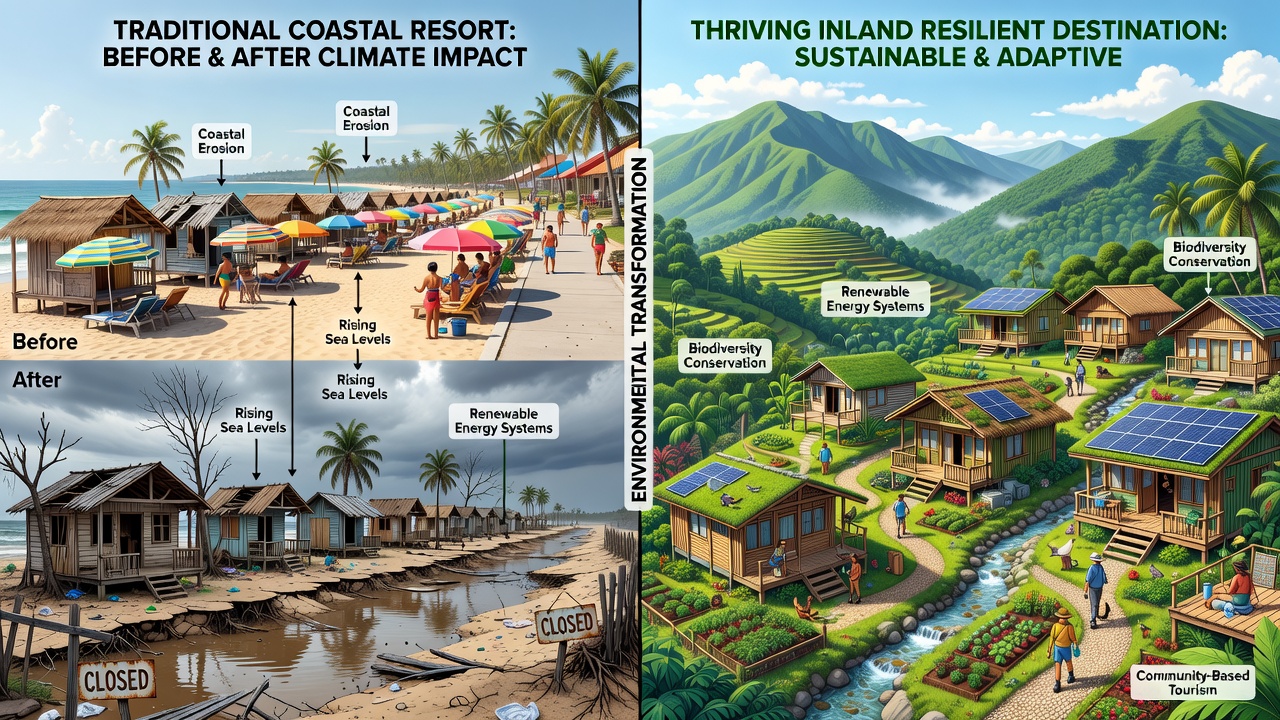
Comparisons: Pre- and Post-Climate Impact Sites
Consider the Maldives versus emerging Pacific island nations with stronger conservation efforts. Pre-impact, overcrowded reefs dominated; post-impact, travelers favor places implementing active restoration. Similarly, Swiss Alps ski trips now compete with year-round hiking in Patagonia, where milder conditions support diverse activities longer into the season. Another comparison involves the Great Barrier Reef against protected marine areas in the Azores. The former has suffered repeated bleaching events, prompting many divers to explore the Azores' volcanic underwater landscapes that remain vibrant due to cooler waters and strict fishing regulations. These shifts highlight how proactive environmental management creates new travel value.
Practical Steps for Adapting Your 2026 Itinerary
- Research seasonal climate projections using reliable sources before booking to avoid periods of extreme heat or storms.
- Choose destinations with strong sustainability certifications and community involvement to ensure your visit supports local resilience.
- Opt for shoulder seasons to avoid peak heat or weather risks while enjoying lower crowds and better rates on accommodations.
- Incorporate flexible travel insurance covering climate-related disruptions such as flight cancellations from wildfires or flooding.
- Support local economies through responsible tour operators that limit group sizes and emphasize education about conservation efforts.
- Pack adaptable gear including layers for variable temperatures and reusable items to minimize waste during your journey.
- Monitor official travel advisories from government agencies for real-time updates on regional conditions.
Real-World Examples of Resilient Destinations
Patagonia in Chile demonstrates resilience with its vast wilderness and adaptive tourism infrastructure. Local operators have invested in electric shuttles and trail maintenance programs that protect fragile ecosystems. Iceland's geothermal-powered attractions remain popular despite volcanic activity, drawing visitors year-round with experiences like hot spring bathing and northern lights viewing supported by clean energy. Canada's Banff National Park continues to thrive with managed access that protects ecosystems while offering breathtaking views through timed entry systems and educational programs. Additional examples include Finland's Lapland region, where winter tourism has pivoted to year-round aurora experiences and sustainable reindeer herding tours, and Rwanda's national parks that combine gorilla trekking with reforestation initiatives funded by tourism revenue.
Data-Driven Insights on Shifting Travel Patterns
Recent reports indicate a measurable uptick in bookings for northern latitude destinations as travelers respond to climate information. This trend aligns with broader awareness campaigns from organizations tracking environmental changes. By integrating these insights, travelers can select locations less likely to experience sudden closures or degraded natural features. Practical application involves cross-referencing climate models with tourism statistics to identify emerging sweet spots for specific interests such as wildlife viewing or cultural immersion.
Mistakes to Avoid When Planning Climate-Adaptive Trips
One common error is overlooking shoulder season opportunities, resulting in unnecessary exposure to extreme conditions. Another involves selecting destinations without verifying their sustainability credentials, which can inadvertently support unsustainable practices. Travelers should also avoid rigid itineraries that leave no room for weather-related adjustments. Finally, neglecting to consult local guidelines on resource conservation can diminish the positive impact of a trip.
FAQ: Common Concerns About Climate-Influenced Travel
Will traditional destinations become off-limits in 2026?
Many will remain accessible but require adjusted timing and expectations to avoid extreme conditions, with some areas implementing temporary restrictions during peak stress periods.
How can I ensure my trip is sustainable?
Focus on low-impact transport, certified eco-lodges, and activities that support conservation while learning about local environmental initiatives.
Are there affordable resilient alternatives?
Yes, emerging spots in Eastern Europe and parts of South America offer value alongside stability through community-based tourism models.
What role does technology play in adapting travel plans?
Apps and websites providing real-time climate data and booking flexibility help travelers make informed decisions on the go.
How do climate shifts affect wildlife viewing opportunities?
Some species migrate to new areas, creating fresh viewing chances in previously overlooked regions while requiring updated ethical guidelines.
Conclusion: Embracing Adaptive Travel for 2026
Climate shifts present both challenges and opportunities. By focusing on emerging resilient destinations and adapting itineraries thoughtfully, travelers can enjoy memorable experiences while contributing to positive change. Stay informed through authoritative resources like the IPCC, UNWTO, and UNEP for the latest insights that guide responsible exploration.


No comments yet. Be the first!