 PlaceBee
Introduction to Slow Travel in 2026
The rising trend of slow travel encourages deeper connections with destinations through extended stays rather than hurried checklists. This approach aligns perfectly with growing interest in mindful and sustainable tourism, allowing travelers to savor local cultures, reduce environmental impact, and create lasting memories. In 2026, slow travel havens stand out as ideal spots for those seeking authentic experiences over fleeting visits. Travelers increasingly recognize that rushing between attractions often leads to exhaustion and missed opportunities for genuine connection. Instead, dedicating weeks to a single region fosters a sense of belonging and understanding that short trips cannot replicate. This shift reflects broader changes in traveler priorities, emphasizing well-being and environmental responsibility alongside adventure.
Why Slow Travel Outperforms Rushed Itineraries
Traditional travel often involves packing multiple cities into a single week, leading to fatigue and superficial encounters. Slow travel, by contrast, promotes relaxation and genuine immersion. Travelers report higher satisfaction when they linger in one place, engaging with communities and exploring at their own pace. This method also supports local economies more effectively by spreading spending over longer periods. Comparisons highlight clear differences: rushed trips prioritize quantity of sights, while slow journeys emphasize quality interactions. Studies from tourism experts show reduced stress levels and stronger cultural understanding among slow travelers. For instance, visitors who stay longer often discover hidden neighborhoods, participate in everyday routines like morning markets, and build relationships that transform their perception of a place. Rushed itineraries, meanwhile, can result in overcrowded experiences and limited time for reflection, making it harder to appreciate nuances such as regional dialects or seasonal changes in the landscape.
Another advantage lies in sustainability. Extended stays minimize frequent transportation emissions and encourage use of local resources like public transit or bicycles. This mindful pace also allows travelers to adapt to weather or local events, creating flexible schedules that enhance enjoyment. In practice, slow travel reduces the pressure of FOMO, or fear of missing out, by focusing on depth rather than breadth.
Top Slow Travel Destinations for 2026
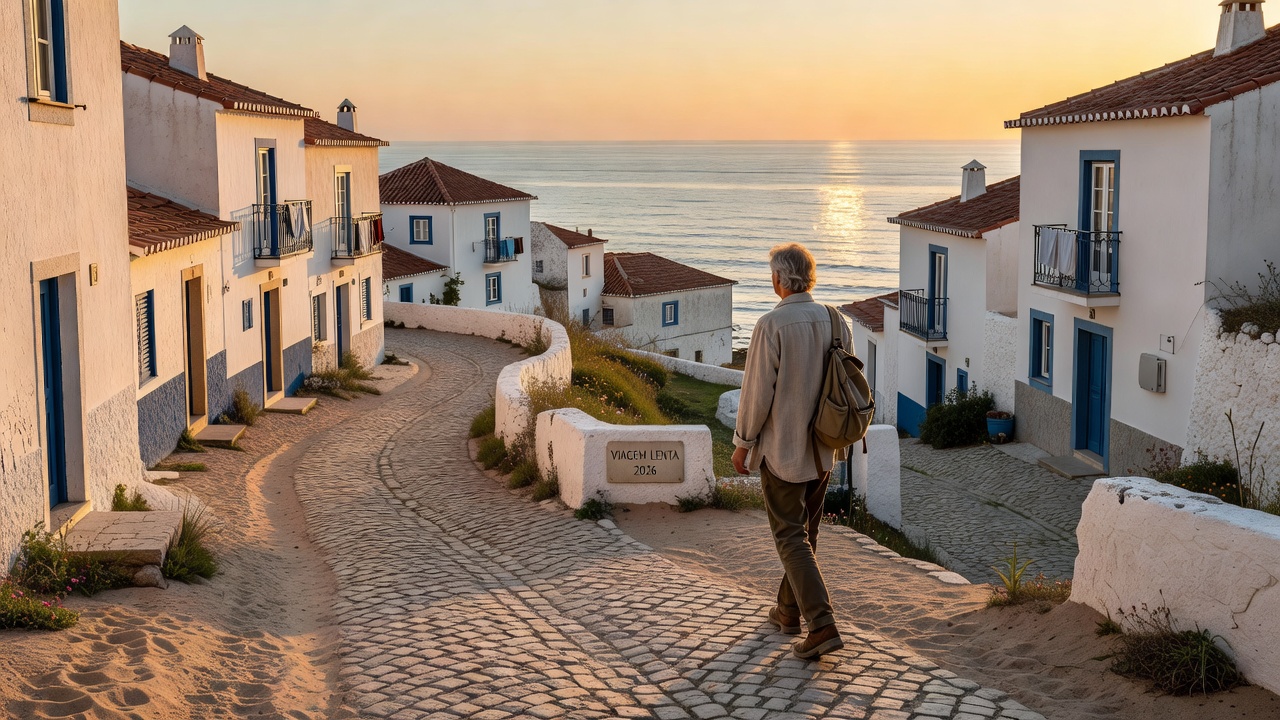
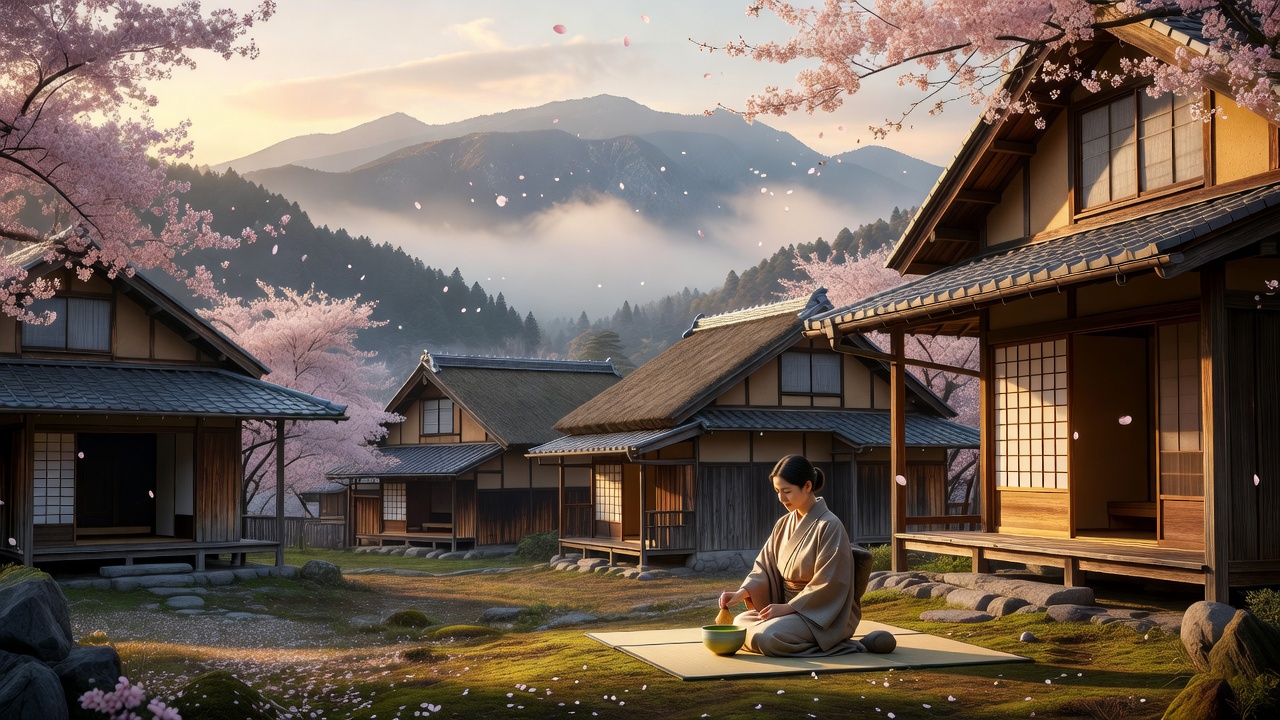
Several locations excel for extended visits due to their pace-friendly atmospheres and unique offerings. Consider these havens for meaningful exploration. Portugal's Algarve Region offers coastal villages with mild climate, inviting weeks of beach walks, local cuisine sampling, and community events. Beyond the famous cliffs, travelers can join fishing cooperatives or attend olive harvesting sessions that reveal the area's agricultural heritage. Japan's Kyoto Countryside provides rural stays offering tea ceremonies and seasonal festivals for profound cultural engagement. The surrounding forests and temples encourage daily meditation walks and interactions with artisans preserving centuries-old crafts. Canada's Banff Area features national park surroundings ideal for unhurried adventures, including guided wildlife tracking and stargazing sessions under clear skies. Additional havens include the rolling hills of Tuscany in Italy, where extended villa stays allow participation in wine-making workshops, and the serene lakeside towns of New Zealand's South Island, perfect for kayaking and Maori cultural storytelling over multiple weeks.
Each destination supports local immersion through homestays, language exchanges, and volunteer programs that connect visitors directly with residents. These opportunities foster mutual understanding and contribute positively to community preservation efforts.
Practical Planning Steps for Slow Travel
Start by selecting a base location with good amenities and transport links. Research visa requirements and book accommodations that support long-term stays, such as apartments with kitchens. Pack versatile clothing and focus on experiences like language classes or volunteer opportunities. Begin planning three to six months ahead by reviewing official tourism resources and creating a flexible budget centered on weekly rather than daily expenses. Secure travel insurance that covers extended periods and health needs. Once on site, establish routines such as regular visits to the same café to build familiarity with locals. Utilize apps for public transport and community boards to discover pop-up events. Mistakes to avoid include over-scheduling even in slow mode or neglecting to learn basic phrases in the local language, which can hinder authentic exchanges.
Sample 7-Day Itinerary in Portugal's Algarve
- Day 1-2: Settle in and explore local markets while adjusting to the rhythm of village life.
- Day 3-4: Coastal hikes and beach relaxation interspersed with conversations with fishermen about sustainable practices.
- Day 5-6: Cooking workshops with residents, learning traditional recipes passed down through generations.
- Day 7: Reflect and plan future visits by journaling highlights and connections made.
Sample 14-Day Itinerary in Kyoto Countryside
- Week 1: Temple visits and garden strolls combined with morning calligraphy lessons.
- Week 2: Farm stays and craft workshops focused on pottery and seasonal ingredient foraging.
Real Traveler Case Studies
One family extended their stay in the Algarve for two weeks, discovering hidden coves and forming friendships that led to return trips. They participated in a community cleanup event that deepened their appreciation for local conservation. Another solo traveler in rural Japan spent 10 days learning pottery, gaining skills that enriched their home life and inspired a new hobby shared with friends. A third example involves a couple who chose Banff for a month-long slow exploration, documenting their gradual shift from guided tours to self-led hikes after befriending park rangers. These stories illustrate how slow travel fosters personal growth and connections that endure beyond the journey.
FAQ: Addressing Common Concerns
How does budgeting work for slow travel?
Focus on longer-term rentals and local transport to manage costs effectively without fixed figures, allowing flexibility based on personal preferences and seasonal variations.
What should I pack for an extended stay?
Prioritize comfortable layers, reusable items, and a journal for reflections. Check official guidance from sources like UNWTO for sustainable packing tips that minimize waste during longer trips.
Is slow travel suitable for families?
Yes, with flexible schedules allowing for rest and spontaneous activities that accommodate varying energy levels and interests among all ages.
How do I handle work or remote responsibilities during slow travel?
Select destinations with reliable internet and designate specific hours for tasks, integrating them around local activities to maintain balance.
Conclusion
Embracing slow travel in 2026 transforms ordinary trips into transformative experiences. By choosing the right havens and planning thoughtfully, travelers can enjoy profound local immersion while supporting sustainable practices. Explore these destinations mindfully for unforgettable journeys that prioritize connection over checklists. Resources such as Lonely Planet provide additional inspiration for tailoring your own extended adventures.

No comments yet. Be the first!