 PlaceBee
Why Immersive Language Learning Matters in 2026
Travelers seeking more than a standard vacation are turning to immersive language learning as a way to combine adventure with skill-building. In 2026, destinations worldwide offer structured programs that pair daily classes with real-world interactions, helping learners achieve fluency faster through cultural immersion. This method leverages constant exposure to native speakers, local media, and everyday situations that textbooks alone cannot replicate. Research from language acquisition experts shows that immersion can reduce the time to conversational proficiency by up to half compared to classroom-only approaches. The approach builds not just vocabulary and grammar but also cultural nuance, idiomatic expressions, and confidence in spontaneous conversations.
Beyond personal growth, immersive trips foster global connections and open doors to professional opportunities in international business or diplomacy. As remote work remains prevalent, many professionals are extending stays to blend language study with career demands. This trend makes 2026 an ideal year to plan such journeys, with programs adapting to hybrid formats that accommodate varying schedules.
Top Destinations Across Three Continents
Here are standout locations that excel as language hubs, selected for their programs, accessibility, and cultural depth. Each offers unique advantages depending on your interests and preferred pace of learning.
Europe: Spain and France
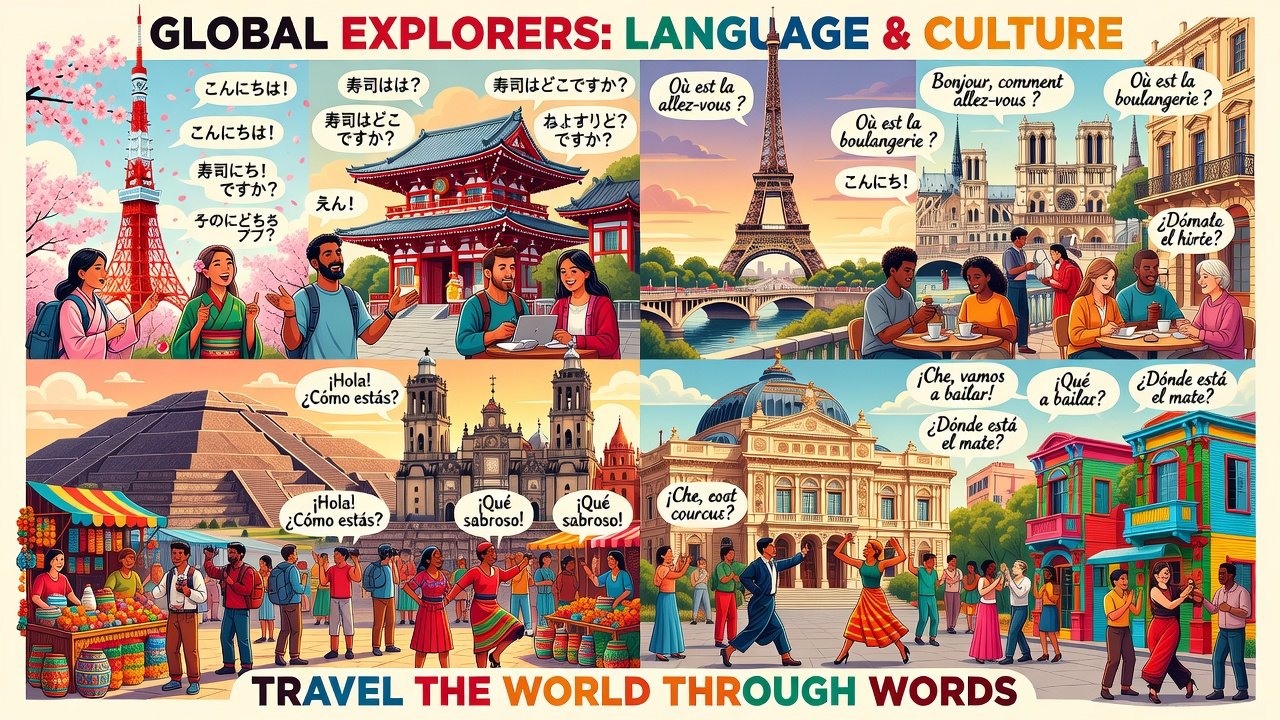
Spain's vibrant cities like Barcelona and rural Andalusia offer Spanish immersion through homestays and conversation clubs. Learners can explore Gaudí architecture while practicing phrases in local tapas bars, or join guided walks that incorporate history lessons in Spanish. France's Paris and Provence regions provide French programs with focus on cuisine and art. Participants often attend market visits where they negotiate purchases entirely in French, reinforcing practical skills. Instituto Cervantes resources highlight official pathways for learners seeking structured certification.
Asia: Japan and South Korea
Tokyo combines Japanese language schools with urban exploration, from navigating subway systems to participating in tea ceremonies. Schools frequently organize weekend excursions to temples where polite language forms are practiced in context. Seoul offers Korean programs emphasizing K-culture and tech, including visits to innovation hubs where learners discuss trends with locals. Hybrid classes are trending here, mixing online modules with local outings that reinforce vocabulary immediately.
Latin America: Mexico and Argentina
Mexico City's dynamic scene delivers Spanish immersion with emphasis on history and social customs through visits to ancient ruins and vibrant street markets. Argentina's Buenos Aires tango culture creates opportunities for language practice during dance lessons and neighborhood festivals. These areas suit all levels with flexible schedules, allowing beginners to focus on basics while advanced students tackle literature discussions.
Steps for Selecting the Right Destination Based on Skill Level
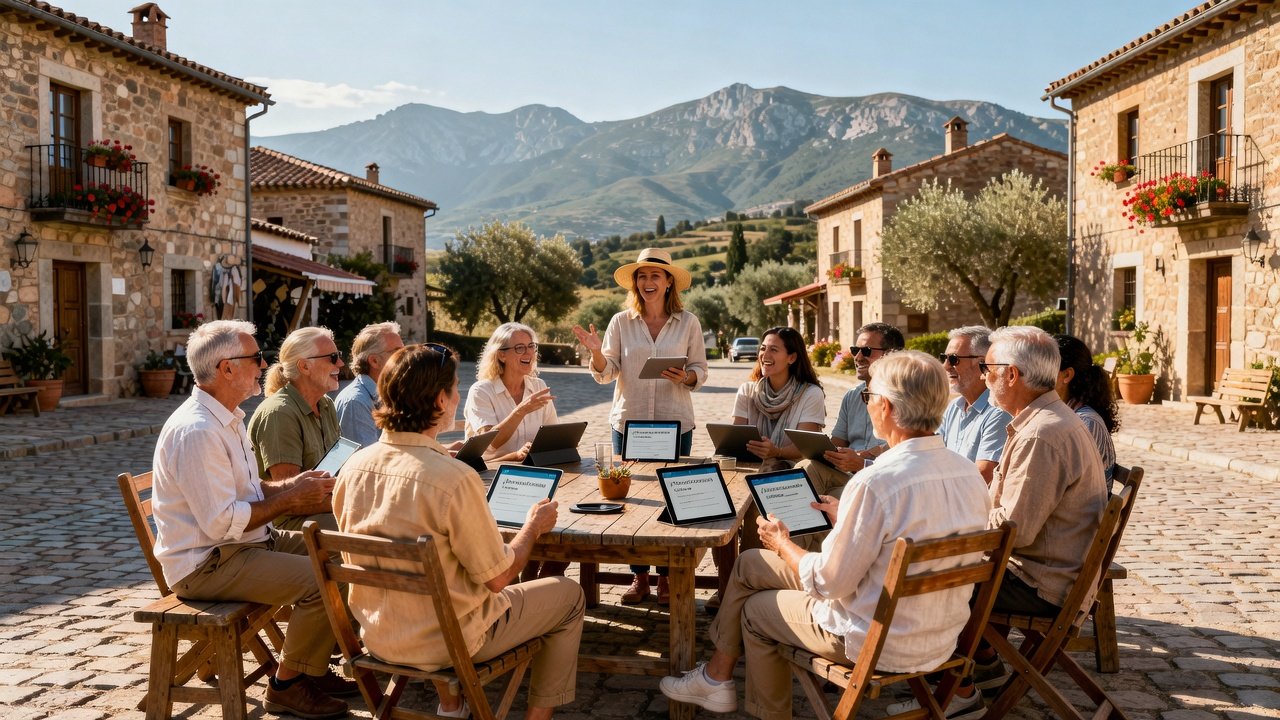
Choosing wisely ensures your trip maximizes progress without frustration. Begin by assessing your current proficiency with a free online test from recognized providers. Beginners benefit most from destinations offering intensive morning classes followed by afternoon cultural activities that reinforce basics like greetings and directions. Intermediate learners thrive where conversation clubs and volunteer opportunities push them toward fluency in specialized topics.
Next, match destinations to your goals by reviewing program curricula in advance. Research durations, typically spanning four to twelve weeks, and confirm availability of 2026 hybrid options that let you preview lessons digitally. Consider visa requirements early through official channels to avoid last-minute issues. Finally, review traveler testimonials for real outcomes, paying attention to how well programs adapt to different learning styles. This step-by-step process prevents mismatched expectations and sets the stage for measurable improvement.
Urban vs Rural Settings: A Comparison
Urban environments like Tokyo or Mexico City provide constant language exposure through public transport, markets, and nightlife, ideal for fast-paced learners who enjoy variety. They often feature modern facilities, diverse social scenes, and easier access to transportation hubs. However, the fast pace can overwhelm beginners, and English may be more commonly encountered in tourist zones.
Rural areas, such as the French countryside or Andean villages in Argentina, foster deeper cultural connections with fewer distractions. Language practice happens in intimate settings like family dinners or local festivals, suiting those seeking tranquility and authentic regional accents. Drawbacks include limited amenities and potentially slower internet for any hybrid components. The choice depends on your personality: extroverts may prefer cities for abundant interactions, while introverts gain confidence in quieter locales where relationships form gradually.
2026 Trends: Hybrid Classes and Real Traveler Case Studies
Hybrid learning models are rising, allowing students to start online before arriving for in-person components. This flexibility accommodates busy schedules and lets learners arrive with foundational knowledge already in place. Programs increasingly incorporate virtual reality simulations of real-world scenarios for extra practice.
One case study involves Sarah, a marketing professional who combined a hybrid Spanish program in Barcelona with remote work. She began with virtual lessons on business vocabulary, then transitioned to in-person market simulations, reaching conversational fluency in eight weeks. Another traveler, Jamal, chose rural Japan for Japanese immersion. Daily interactions at village shops improved his listening skills dramatically, and he documented progress through weekly video journals shared with online peers. A third example is Maria from Brazil, who selected Seoul for Korean study; the hybrid format allowed her to continue part-time work while attending evening cultural workshops that boosted her speaking confidence.
Common Mistakes to Avoid
- Overlooking cultural etiquette training, which can lead to awkward interactions early on.
- Choosing programs without checking teacher credentials or student-to-instructor ratios.
- Ignoring time zone differences when mixing hybrid elements with home responsibilities.
- Skipping pre-trip language apps that build essential survival phrases.
- Failing to plan downtime, resulting in burnout during intensive schedules.
FAQs on Budgeting and Visa Tips
- How much should I budget? Focus on mid-range options with homestays to balance costs and immersion without overspending on luxury accommodations.
- What about visas? Check U.S. Department of State guidelines for student or tourist visas, as requirements vary by country and stay length; apply well in advance.
- Are programs suitable for all ages? Many cater to adults 18 and older, with select family-friendly options available in Spain and Mexico.
- How do I prepare? Start with basic apps and pack language dictionaries for daily use, while researching local customs to ease integration.
- What if I have dietary restrictions? Notify programs ahead so hosts can accommodate needs during homestays or group meals.
- Can I combine work and study? Hybrid trends support this, but confirm remote work policies with your employer and local regulations.
Conclusion
Immersive language learning transforms travel into transformative experiences. By choosing the right 2026 destination based on your level and preferences, you'll return home with new skills and unforgettable memories. Start planning now to secure spots in popular programs and take advantage of emerging hybrid opportunities.

No comments yet. Be the first!