 PlaceBee
Discovering Premier Wine Tasting Destinations for 2026
Wine enthusiasts searching for the best places to visit in 2026 will discover a wealth of premier destinations offering exceptional vineyards and memorable tastings. This comprehensive guide examines top regions spanning multiple continents, providing in-depth comparisons of varietals, climates, and visitor experiences. Readers will gain practical steps for planning tastings, seasonal timing advice, real-world examples of boutique wineries, and answers to common questions about bookings and sustainable practices. The focus remains squarely on wine-centric travel to help enthusiasts curate rewarding journeys without venturing into unrelated themes.
Napa Valley, California, USA
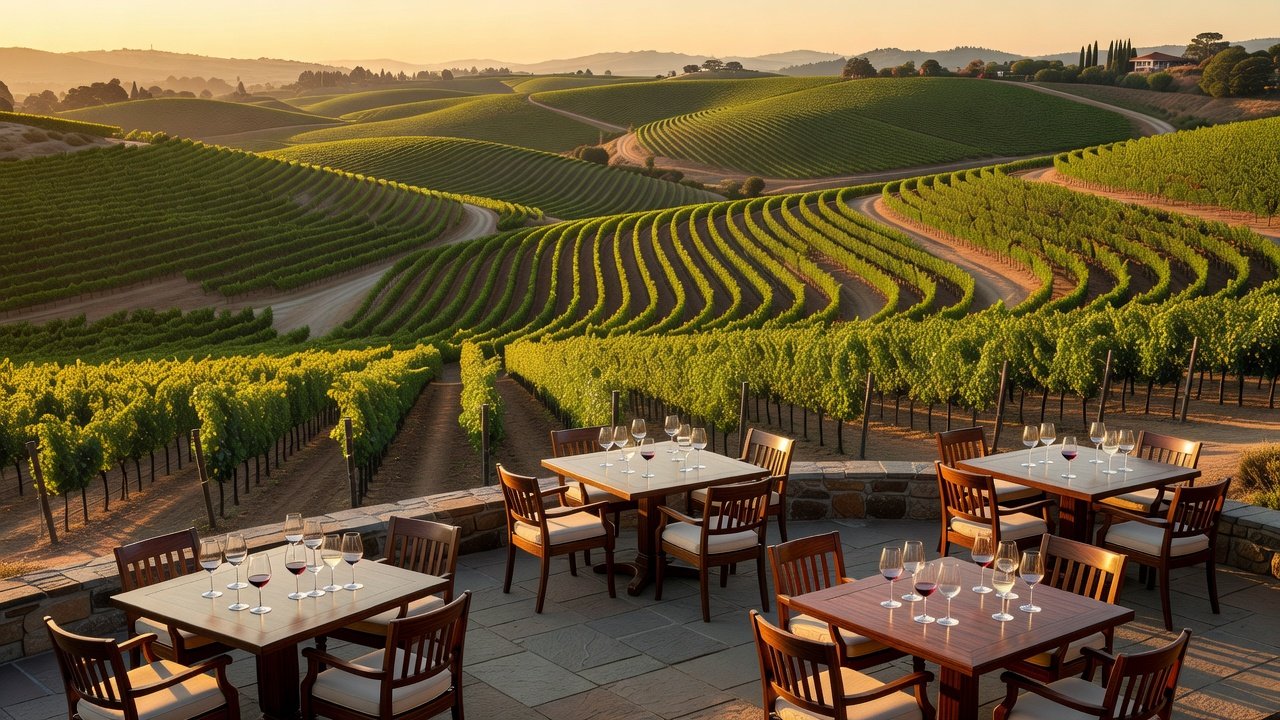
Napa Valley continues to rank among the foremost wine regions due to its renowned Cabernet Sauvignon and Chardonnay varietals. The Mediterranean climate brings warm days cooled by evening breezes from nearby bays, creating ideal conditions for slow ripening that concentrates flavors. Volcanic and alluvial soils across the valley floor and hillsides impart distinctive mineral notes to the wines. Visitor experiences often include guided tours of production facilities followed by seated tastings in elegant settings overlooking vine-covered slopes. Many estates emphasize educational components, explaining how specific microclimates influence grape development. Travelers frequently combine visits with scenic drives along the Silverado Trail to compare offerings from northern and southern sub-appellations.
Bordeaux, France
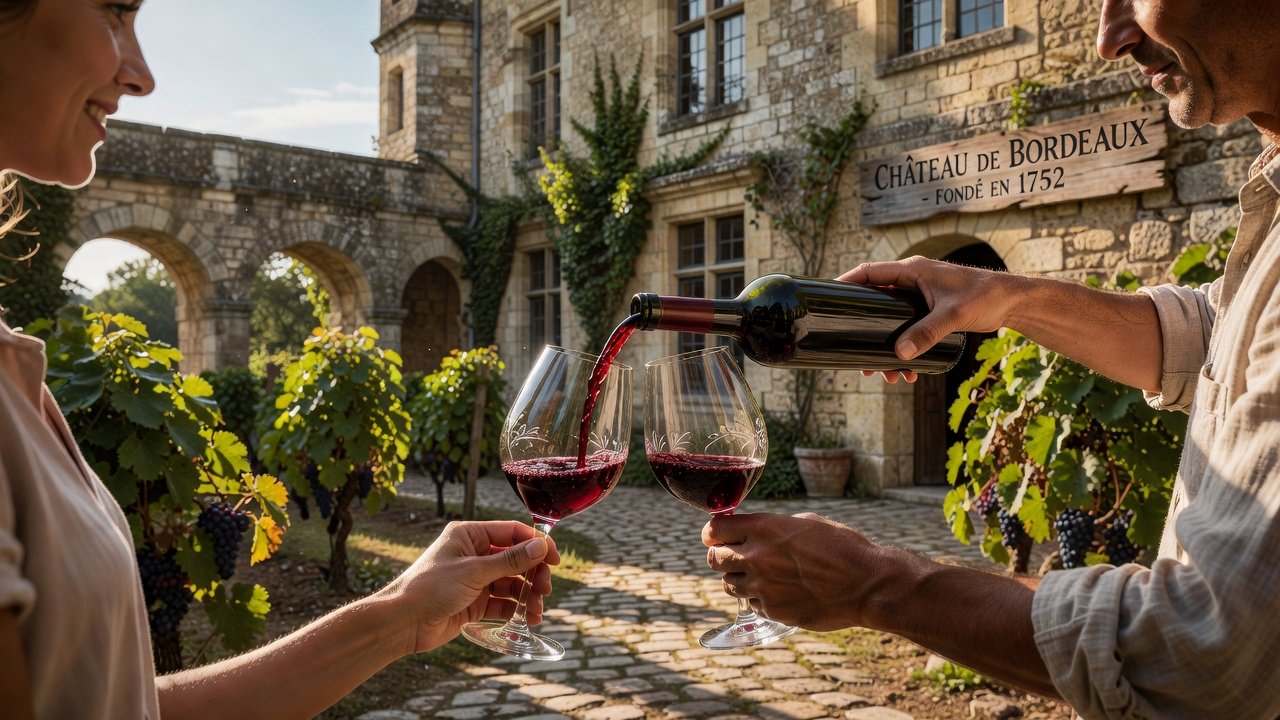
Bordeaux stands as a benchmark for structured red blends dominated by Merlot and Cabernet Sauvignon. Its oceanic climate delivers consistent mild temperatures and steady rainfall that supports long growing seasons. Gravel, clay, and limestone soils vary by left and right bank locations, producing wines with differing tannin structures and aging potential. Tastings at historic châteaux typically involve barrel room visits and comparative flights that highlight vintage differences. The region’s long winemaking heritage adds depth to every experience, allowing enthusiasts to explore centuries-old classification systems while sampling current releases.
Decanter offers extensive archives on Bordeaux classifications and tasting techniques for serious collectors.
Tuscany, Italy
Tuscany delivers Sangiovese-driven wines such as Chianti Classico and Brunello di Montalcino within a continental climate of hot summers and cool nights. Rolling hills with galestro and alberese soils contribute bright acidity and earthy undertones. Experiences range from casual terrace tastings to in-depth vertical sessions tracing multiple vintages from the same vineyard. The landscape itself enhances visits, with cypress-lined roads and medieval villages providing atmospheric backdrops that complement the sensory journey through the wines.
Stellenbosch, South Africa
Stellenbosch showcases Pinotage alongside Cabernet Sauvignon and Chenin Blanc in a Mediterranean climate tempered by Atlantic breezes. Granite-derived soils lend vibrant fruit character and firm structure. Tastings at historic estates often feature mountain views and discussions of the region’s post-apartheid evolution toward quality-focused production. Visitors appreciate the opportunity to sample wines that reflect both local traditions and international influences.
Mendoza, Argentina
Mendoza rounds out the selection with Malbec and Torrontés grown at high elevations in the Andes foothills. A continental climate with intense sunlight and large diurnal temperature swings preserves acidity while developing rich color and flavor. Irrigation from Andean snowmelt supports extensive vineyards. Tastings here frequently include high-altitude vineyard tours that illustrate how elevation shapes phenolic ripeness, offering a compelling contrast to lower-elevation regions elsewhere.
Comparing Varietals, Climates, and Experiences Across Regions
Varietals reflect both tradition and adaptation: Napa emphasizes powerful Cabernet, Bordeaux focuses on blended elegance, Tuscany highlights Sangiovese vibrancy, Stellenbosch introduces unique Pinotage, and Mendoza showcases altitude-influenced Malbec. Climates range from oceanic moderation in Bordeaux to high-elevation intensity in Mendoza, each shaping distinct wine styles. Visitor experiences differ accordingly—Napa offers polished, appointment-based tastings; Bordeaux stresses heritage; Tuscany blends culture with countryside; Stellenbosch provides scenic diversity; and Mendoza delivers dramatic mountain settings. These differences enable travelers to select destinations matching their preferred pace and depth of engagement.
Practical Steps for Planning Tastings
Effective planning begins with identifying target regions and specific wineries aligned with personal taste preferences. Next, secure reservations well ahead, particularly during peak seasons, using official winery websites or regional tourism portals. Arrange reliable transportation such as designated drivers or organized shuttle services to ensure safe travel between sites. Prepare by reviewing tasting notes and varietal profiles in advance to maximize learning during visits. Pack appropriate attire including comfortable walking shoes for vineyard strolls and layers for changing outdoor temperatures. Finally, schedule rest periods between tastings to maintain palate sensitivity and document impressions in a dedicated notebook or app for future reference.
- Verify opening hours and any required deposits before travel.
- Consider group size limits at smaller estates.
- Research local regulations regarding alcohol consumption and driving.
- Build flexibility into itineraries to accommodate weather or availability changes.
Seasonal Timing Advice
Shoulder seasons such as spring and early autumn deliver optimal conditions with moderate temperatures and reduced crowds. Harvest periods in late summer or early fall allow observation of grape processing at many estates. Summer visits suit those prioritizing lush vineyard scenery, while winter offers intimate indoor tastings focused on library wines. Each region peaks at slightly different times, so cross-reference harvest calendars when coordinating multi-destination trips.
Boutique Winery Examples
Smaller producers provide personalized insights often unavailable at larger operations. In Napa, family-owned estates specializing in single-vineyard Cabernet offer intimate barrel tastings. Bordeaux features numerous classified growths with limited visitor numbers that reward advance planning. Tuscany’s cooperative-style boutique wineries emphasize traditional methods passed through generations. Stellenbosch hosts innovative estates experimenting with old-vine Chenin Blanc, while Mendoza’s high-altitude boutiques highlight unique expressions of Malbec from specific parcels. These examples illustrate how scale influences the depth of interaction available to visitors.
Lonely Planet regularly updates destination guides featuring emerging boutique producers around the world.
FAQs on Costs, Bookings, and Sustainable Practices
What booking timelines are recommended?
Reservations should be made at least several weeks in advance for popular estates, with some requiring months of lead time during harvest season.
How do sustainable practices appear in these regions?
Many wineries pursue organic certification, cover-crop management, and water recycling; visitors can request details on specific initiatives during tastings.
Are there options for non-drivers?
Yes, most regions offer wine tour operators and public transport alternatives that connect major tasting rooms efficiently.
What documentation supports sustainable claims?
Look for recognized certifications displayed on websites or at tasting rooms to verify environmental commitments.
Conclusion
These wine tasting havens represent the best places to visit in 2026 for enthusiasts seeking depth and variety. Thorough preparation combined with thoughtful destination selection ensures rewarding experiences centered on exceptional wines and landscapes. By focusing on varietal distinctions, climate influences, and practical logistics, travelers can craft journeys that deliver lasting appreciation for global winemaking traditions.
No comments yet. Be the first!