 PlaceBee
Introduction to 2026 Nightlife Trends
The global nightlife scene continues to evolve rapidly in 2026, blending traditional club culture with immersive experiences, sustainable practices, and technology-driven events. Travelers searching for vibrant evening adventures will discover dynamic options across iconic cities and rising destinations worldwide. This comprehensive guide examines must-visit spots while weaving in essential practical advice on safety, budgeting considerations, and seamless transport options that help bridge daytime sightseeing with nighttime excitement. Whether you crave neon-lit streets or relaxed Mediterranean terraces, understanding current trends ensures memorable and responsible outings.
Tokyo: Iconic Neon Energy Meets Modern Innovation
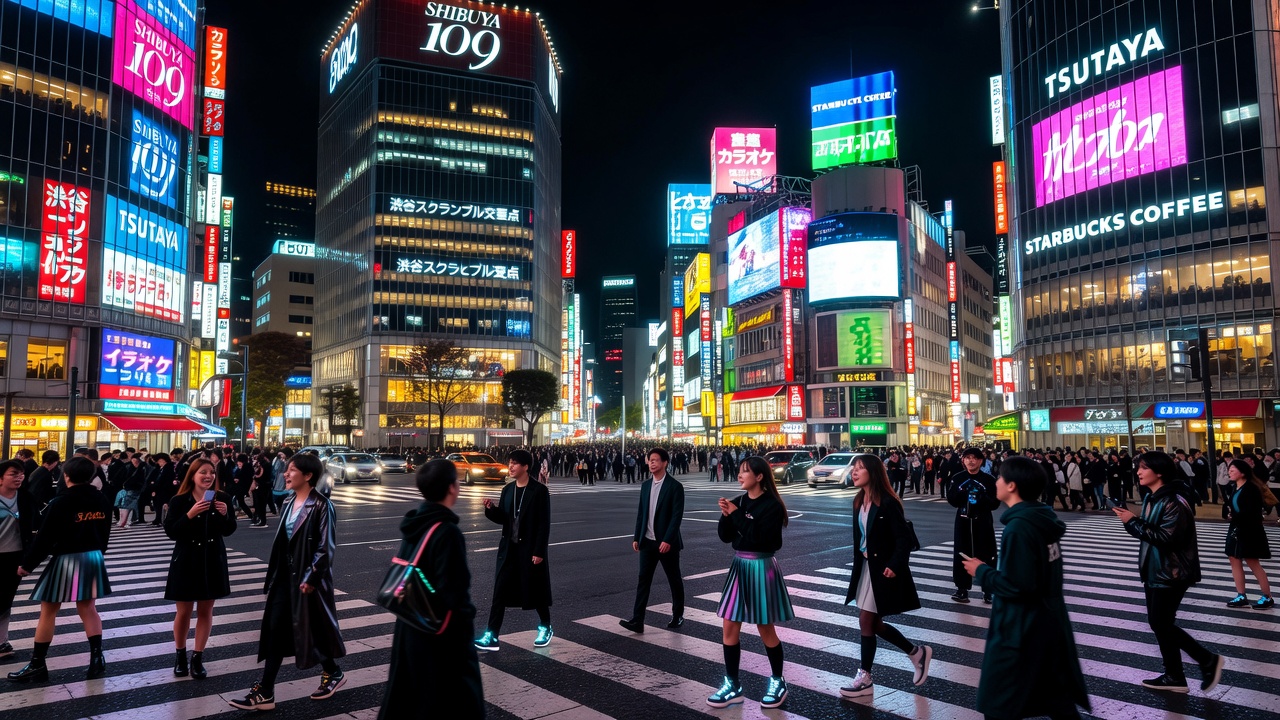
Tokyo stands out as a premier destination for nightlife enthusiasts seeking high-energy experiences. Iconic districts such as Shibuya and Shinjuku pulse with activity, offering everything from traditional izakaya bars to cutting-edge clubs featuring international DJs. In 2026, many venues incorporate hybrid events that combine live music performances with virtual reality elements, creating unforgettable multisensory nights. Visitors frequently begin evenings at rooftop bars offering panoramic city views before descending into the underground scene for extended dancing and social connections. Local customs emphasize politeness and respect for shared spaces, making the environment welcoming yet structured.
Practical transport relies on efficient late-night trains and subways, although certain lines conclude service around midnight, requiring backup plans like taxis or night buses. Safety remains exceptionally high due to well-lit streets, visible police presence, and reliable public services. A valuable tip involves carrying some cash for smaller venues while leveraging contactless payments at larger establishments. Blending daytime temple visits with evening explorations works seamlessly when using efficient rail passes to minimize travel time between activities.
Barcelona: Mediterranean Nights and Cultural Fusion
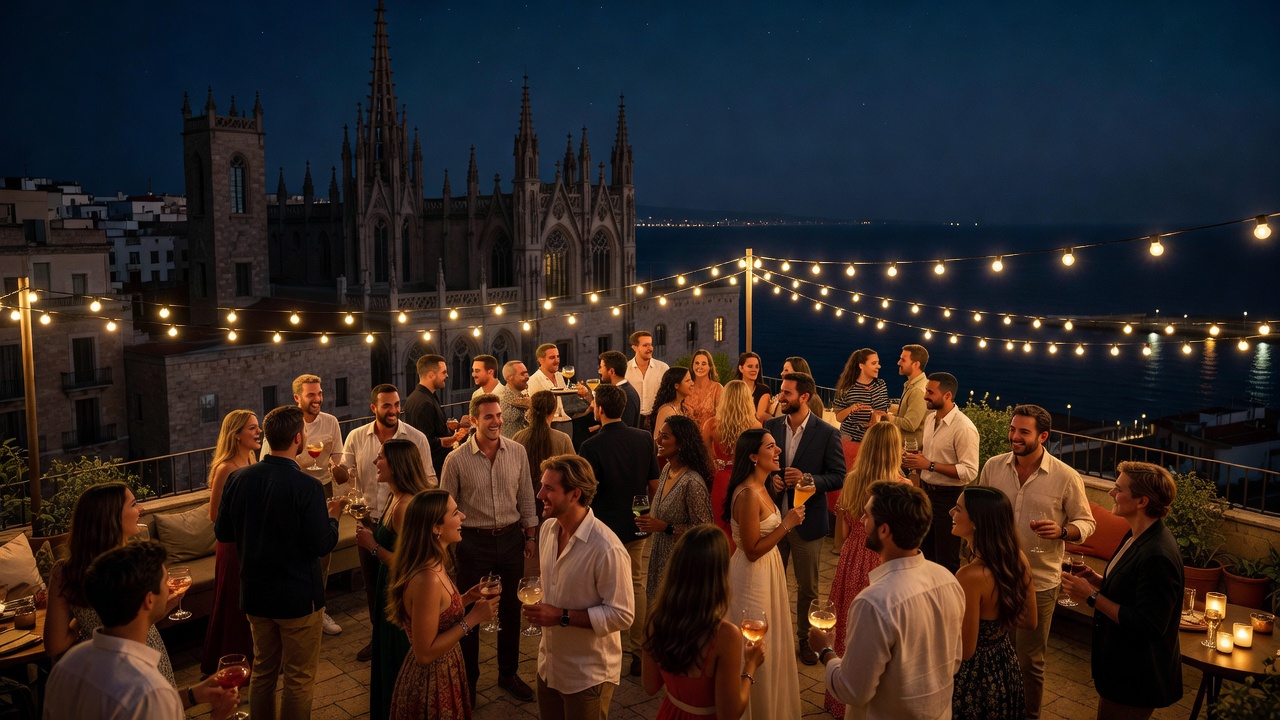
Barcelona delivers an appealing combination of beachside clubs and historic bar districts such as El Born and Gracia. The city's nightlife highlights live music venues and tapas pairings that extend late into the evening. Emerging trends feature eco-friendly spaces prioritizing local ingredients and zero-waste initiatives, appealing to environmentally conscious travelers. Compared to Tokyo's high-tech atmosphere, Barcelona feels more relaxed yet equally vibrant, with a strong emphasis on outdoor terraces and social mingling under the stars.
Public transport operates reliably until early morning hours, often supplemented by ride-sharing applications for convenience. Respecting local noise ordinances in residential neighborhoods helps maintain positive community relations. For up-to-date calendars, consult official resources that list seasonal festivals and special events enhancing the nightlife calendar.
Spain National Tourist Office provides updated event calendars for planning.
Emerging Hubs: Beyond the Classics
Lesser-known destinations are gaining significant traction in 2026. Cities like Lisbon and Cape Town showcase growing scenes infused with distinctive local flavors, ranging from fado-infused bars to rooftop afrobeat parties. These spots often deliver better value and reduced crowds compared to established hotspots. Additional emerging areas include parts of Seoul where K-pop influences merge with traditional nightlife elements. Travelers benefit from focusing on neighborhoods with strong community connections to access authentic experiences rather than tourist-oriented venues.
- Prioritize areas with robust local involvement for genuine cultural immersion.
- Review seasonal events aligned with regional festivals to maximize enjoyment.
- Utilize mobile applications for real-time venue suggestions and crowd levels.
- Consider shoulder seasons to avoid peak overcrowding while still accessing quality entertainment.
Step-by-Step Event Planning Guide
Follow these detailed steps to create seamless and enjoyable nights out across any destination. Begin by researching peak operating hours at target venues and securing reservations well ahead for high-demand locations. Next, map daytime sightseeing routes that naturally transition into evening spots using efficient public transit connections. Allocate flexible funds for entry fees, beverages, and return transport while monitoring overall spending. Always verify dress codes through official venue websites or social media channels before arrival. Finally, prepare contingency plans for weather changes or unexpected closures by identifying backup options nearby.
Real Traveler Case Studies
One couple successfully combined Tokyo temple visits during daylight hours with extended evenings in Shinjuku, relying on comprehensive rail passes to streamline movement between sites. They noted how advance reservations prevented long waits and allowed full enjoyment of both cultural and entertainment aspects. Another group explored Barcelona by starting with relaxed beach days followed by waterfront club visits, highlighting the necessity of staying hydrated and opting for earlier returns on weekdays to align with local rhythms. A third example involved solo travelers in Lisbon who joined guided pub crawls that introduced them to hidden bars, demonstrating how group activities enhance safety and social opportunities when visiting unfamiliar cities.
Japan National Tourism Organization offers safety resources valuable for international visitors.
Safety, Budgeting, and Transport Essentials
Safety practices include sticking to well-reviewed districts and traveling in groups after dark whenever possible. Budgeting requires careful tracking of incidental expenses such as cover charges and refreshments while favoring public transit over private vehicles. Many metropolitan areas now promote dedicated night bus services to ease congestion and provide affordable late options. Always research local emergency contacts and download offline maps for navigation without relying on data connections.
Mistakes to Avoid When Exploring Nightlife
Common pitfalls include neglecting to confirm venue hours in advance, leading to disappointment upon arrival. Another frequent error involves ignoring local customs around tipping and noise levels, which can create awkward situations. Overpacking itineraries without buffer time often results in rushed experiences and fatigue. Travelers should also avoid flashing valuables openly and instead use secure transport methods home at the end of the night.
FAQ: Dress Codes, Customs, and Peak Seasons
What are common dress codes?
Smart casual attire works well in most clubs and bars, though upscale venues may require more polished looks. Always avoid overly casual sportswear unless the location explicitly permits it.
How do local customs affect nightlife?
Respecting designated quiet hours in residential zones and following tipping norms based on service quality helps integrate smoothly with local communities and staff.
When is peak season for these destinations?
Summer months attract larger crowds to European cities, whereas Tokyo experiences heightened activity during extended cherry blossom periods that spill into evening celebrations.
Are there specific safety measures for solo travelers?
Solo visitors benefit from staying in central, well-lit areas, sharing itineraries with contacts, and using reputable ride services after midnight.
Conclusion
Whether pursuing neon-lit excitement or Mediterranean rhythms, 2026 offers exceptional nightlife opportunities when approached with thoughtful preparation. Combining exploration with the outlined safety, planning, and transport strategies creates safe, balanced, and truly memorable adventures across global hotspots.

No comments yet. Be the first!