 PlaceBee
Introduction to Stargazing Tourism in 2026
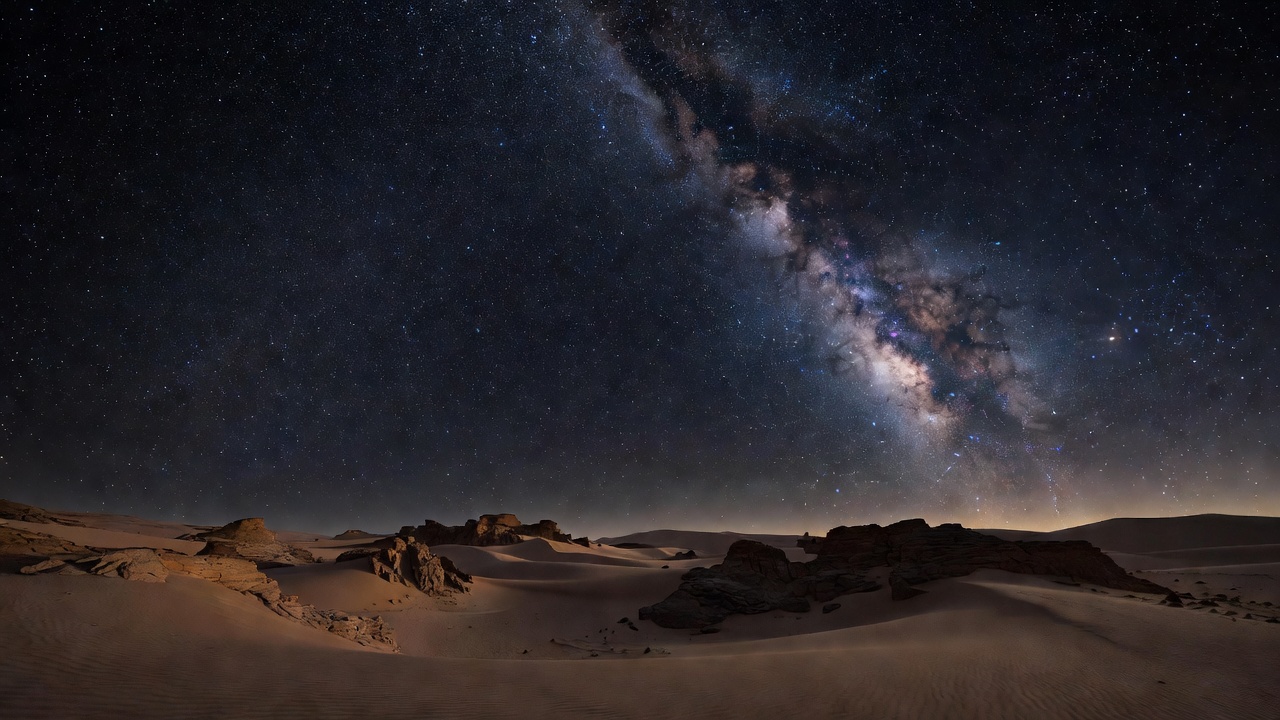
The growing interest in astronomy tourism is transforming how travelers plan their trips. In 2026, stargazing paradises continue to attract enthusiasts seeking pristine night skies away from urban light. This trend reflects a broader shift toward experiential travel focused on natural wonders and scientific exploration. As more people seek meaningful connections with the universe, destinations offering exceptional clarity for viewing constellations, planets, and deep-sky objects have become highly sought after. Whether you are a seasoned astronomer or a curious beginner, understanding the nuances of these locations can elevate your journey from a simple night out to an unforgettable cosmic adventure.
Dark Sky Reserves Versus Urban Observatories
Dark sky reserves offer unparalleled views of the Milky Way and celestial objects due to minimal light pollution. In contrast, urban observatories provide accessible educational programs and advanced telescopes but often face interference from city lights. Reserves emphasize preservation and immersive experiences, while observatories excel in guided learning and community events. To help decide which suits your needs, consider this comparison:
- Light pollution levels: Reserves maintain near-zero interference, revealing thousands of stars; observatories may show only hundreds due to surrounding glow.
- Accessibility: Urban sites are easier to reach via public transport, while reserves often require guided tours or four-wheel-drive vehicles.
- Equipment access: Observatories frequently supply high-end telescopes for public use, whereas reserves encourage personal gear in designated viewing zones.
- Atmosphere: Reserves foster solitude and wonder, while observatories create social, learning-focused environments.
Many travelers combine both types for a balanced trip, starting with an observatory introduction before venturing into remote reserves.
Optimal Viewing Seasons for Prime Spots
Seasonal conditions play a crucial role in visibility. Clear, dry months typically yield the best results, with winter offering longer nights in many hemispheres. Planning around new moon phases further enhances the experience by reducing ambient light. For southern hemisphere locations, the months from May to September often provide optimal dryness and minimal cloud cover. Northern hemisphere sites shine brightest between October and March when nights are longest. Always check local weather patterns and lunar calendars in advance, as even slight haze can obscure faint nebulae and galaxies.
Essential Gear for Astronomy Enthusiasts
Beginners and experts alike benefit from quality equipment. A sturdy telescope or high-powered binoculars paired with red-light flashlights helps preserve night vision. Apps for star mapping and portable chairs add comfort during extended sessions. Warm clothing layers are essential for chilly evenings at elevation. Additional practical items include a reliable power bank for devices, a star atlas for offline reference, and insect repellent for remote areas. Many experienced stargazers also carry a camera with a wide-angle lens and tripod for capturing time-lapse images of the night sky.
Premier Global Stargazing Destinations
Four standout locations stand out for 2026 visitors seeking memorable experiences. Each offers unique accessibility features and booking considerations that make planning straightforward.
Atacama Desert, Chile
Renowned for its arid conditions and high altitude, this desert provides some of the clearest skies on Earth. Accessibility involves flights to nearby cities followed by guided transfers. Booking tips include reserving tours months ahead through established operators for equipment and transport. Visitors can expect to see the Southern Cross, Magellanic Clouds, and countless other southern celestial treasures. Many tours include dinner under the stars and lectures from professional astronomers. The region also hosts several major international observatories open for limited public sessions.
Mauna Kea, Hawaii
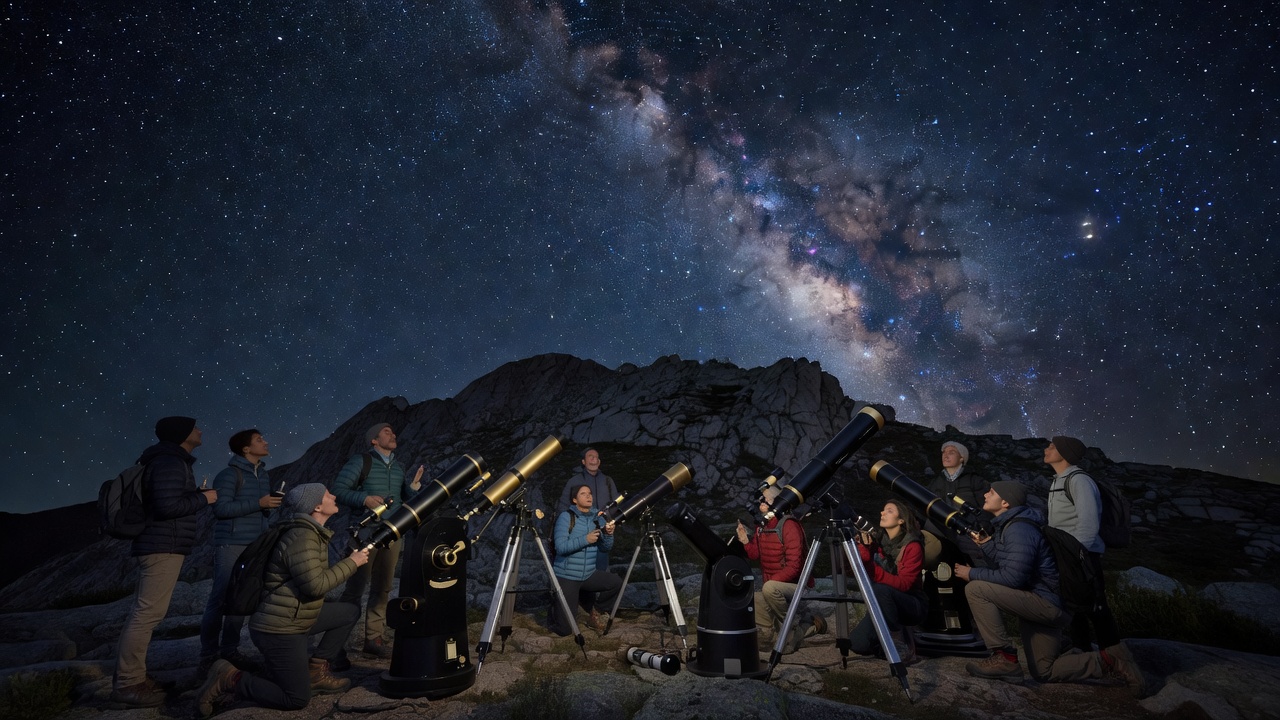
Home to world-class observatories, this volcanic summit delivers exceptional views. Visitors reach the site via scenic drives, with permits required for certain areas. Advance reservations for summit access and stargazing programs ensure smooth visits. The altitude above 13,000 feet demands acclimatization, so many operators offer lower-elevation viewing as an alternative. The combination of Pacific Ocean horizons and minimal light pollution creates breathtaking panoramas of the Milky Way.
NamibRand Nature Reserve, Namibia
This expansive reserve combines wildlife with celestial viewing. Remote yet reachable by organized safaris, it features dedicated dark-sky zones. Booking through certified eco-tourism companies provides lodging and expert guides. Guests often enjoy daytime game drives followed by evening astronomy sessions that highlight both African constellations and unique southern sky features. The reserve’s strict light management policies ensure consistently dark conditions year-round.
Snæfellsnes Peninsula, Iceland
Northern lights often complement starry skies here during shoulder seasons. Road access from Reykjavik makes it convenient, with many packages including transport and equipment rentals. The dramatic volcanic landscape adds a terrestrial dimension to celestial viewing, creating opportunities for photography that blend lava fields with auroras and stars. Winter months bring the longest nights, though summer offers 24-hour twilight for extended observation.
Preparing for Your Trip: Practical Steps and Checklist
Successful stargazing trips require thoughtful preparation. Begin by researching certified dark sky locations through recognized organizations. Next, verify seasonal weather forecasts and book accommodations early, especially near popular reserves. Create a personal checklist that includes transportation details, health considerations for high altitudes, and backup plans for cloudy nights. Joining online astronomy communities can provide real-time tips from recent visitors. Finally, practice using your gear at home before departure to maximize time under the stars.
Emerging Trends in Astronomy Tourism
Sustainable practices and citizen science initiatives are gaining traction. Travelers increasingly combine stargazing with conservation efforts, supporting protected areas while learning about celestial phenomena. New eco-lodges incorporate dark-sky friendly lighting, and some destinations now offer virtual reality previews of the night sky to enhance educational value. The rise of astrophotography workshops also allows participants to return home with professional-quality images of their experience.
FAQs on Light Pollution and Beginner Techniques
How does light pollution affect stargazing?
Artificial lights scatter across the sky, washing out faint stars and galaxies. Choosing certified dark-sky locations dramatically improves visibility and detail, allowing even small telescopes to reveal planetary details and star clusters invisible from cities.
What techniques help beginners start stargazing?
Start with naked-eye observation of constellations, then progress to binoculars. Joining local astronomy clubs or using free online resources builds foundational knowledge quickly. Focus first on bright objects like the Moon, Jupiter, and Orion’s Belt before attempting fainter targets.
Is special training required to enjoy these destinations?
No formal training is needed. Most locations provide on-site guidance, and many tours cater specifically to novices. Simple preparation such as learning a few key constellations beforehand greatly enhances the experience.
How can families make stargazing trips engaging for children?
Choose destinations with interactive programs, bring constellation storybooks, and limit session lengths to maintain interest. Many reserves offer family-friendly workshops that combine storytelling with hands-on telescope use.
Conclusion
These stargazing paradises offer transformative experiences for astronomy fans in 2026. With thoughtful planning around seasons, gear, and destinations, travelers can maximize their connection to the cosmos. International Dark-Sky Association and NASA provide valuable resources for further exploration, while European Southern Observatory offers insights into major research facilities that welcome visitors.
No comments yet. Be the first!