 PlaceBee
Introduction to the World's Premier Surfing Destinations in 2026
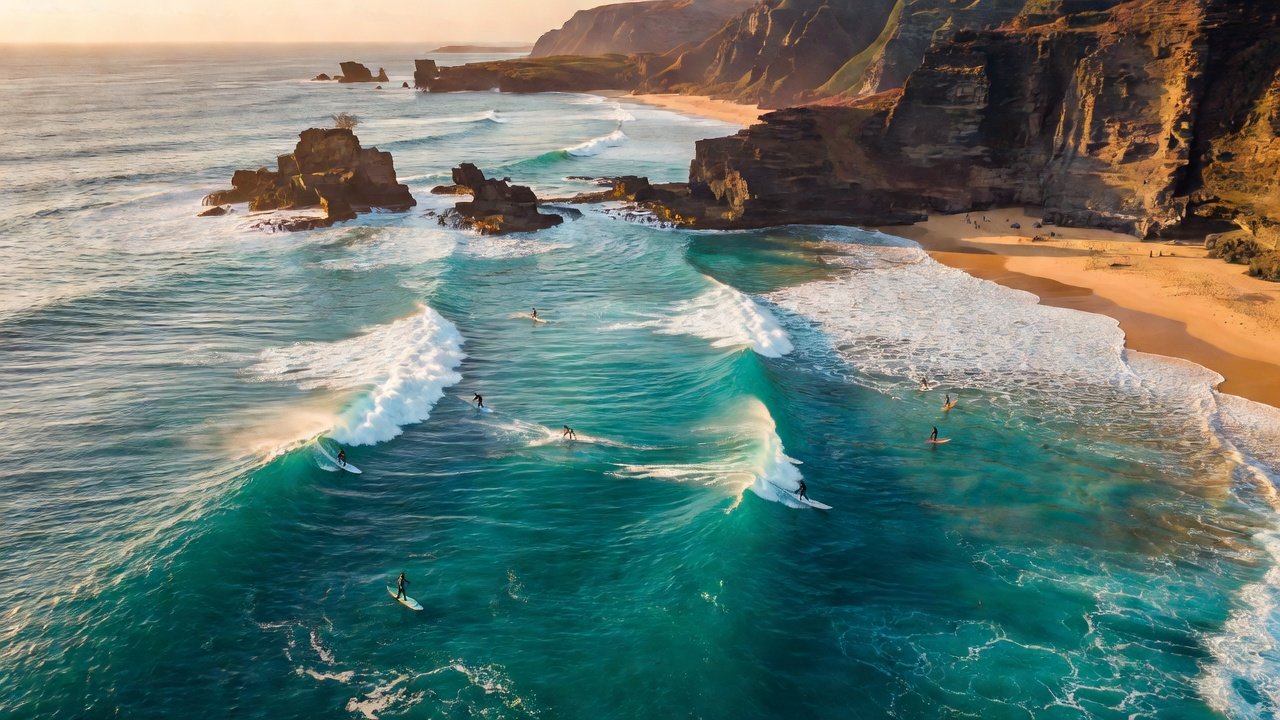
Planning a surfing trip in 2026 requires careful comparison of wave conditions, seasonal timing, required skill levels, and crowd density across premier locations. This guide examines eight standout destinations spanning Indonesia, Australia, Hawaii, Portugal, and beyond to match every surfer's goals, whether chasing barreling waves or enjoying mellow breaks. Enthusiasts searching for top surfing spots often focus on reliable swells that deliver consistent rides, combined with infrastructure that supports both short and extended stays.
Travelers prioritize destinations where wave quality aligns with personal experience, avoiding locations that may overwhelm beginners or bore experts. Seasonal peaks influence everything from flight prices to accommodation availability, while crowd factors determine how much time you actually spend riding waves versus waiting in lineups. Safety guidelines, rental options, and eco-practices further shape the decision-making process, ensuring trips remain enjoyable and responsible.
Bali, Indonesia: Reef Breaks and Consistent Swells
Bali delivers powerful reef breaks suited for intermediate to advanced surfers. Peak season runs from May to October with consistent south swells that produce long, hollow waves at famous spots such as Uluwatu and Padang Padang. Crowds can be heavy at these iconic locations, so early morning sessions help avoid congestion and allow surfers to enjoy cleaner sets. Local operators offer a wide range of board rentals including shortboards and longboards, often with delivery to your accommodation. Safety guidelines emphasize wearing reef booties to protect against sharp coral and understanding strong rip currents that can pull swimmers offshore quickly.
Examples of successful trips include staying in surf camps near Canggu for easier access to multiple breaks. Eco-practices here focus on reef-safe sunscreen to prevent coral damage and participating in beach clean-ups organized by local communities. Booking advice recommends securing lessons or guided tours through established schools at least two months in advance during high season to guarantee availability.
Gold Coast, Australia: Long Point Breaks for All Levels
The Gold Coast features long, rolling point breaks ideal for beginners through experts. Best conditions occur from March to May and September to November when swell directions align perfectly with the coastline. Skill levels range widely, with dedicated learner zones at Burleigh Heads providing gentle waves for newcomers while more advanced riders tackle the faster sections at Kirra. Crowds peak on weekends and during Australian school holidays, making mid-week visits preferable for a more relaxed experience. Board rentals and lessons are straightforward at numerous beachfront shops, and safety protocols include regular rip current education sessions offered by lifeguards.
Practical examples show families choosing this area because of its mix of wave types and family-friendly beaches nearby. Sustainable tourism encourages minimal plastic use and active participation in dune restoration projects. Visitors can easily combine surfing with other activities like hiking in nearby national parks for a well-rounded itinerary.
North Shore, Hawaii: Powerful Winter Swells
Hawaii's North Shore attracts advanced surfers seeking massive winter waves from November to February. Locations like Pipeline and Waimea Bay demand high skill levels along with deep respect for local etiquette and ocean knowledge. Crowds intensify dramatically during the season, requiring patience and cultural sensitivity to share waves fairly. Rentals and safety briefings are offered by established operators who also provide tow-in services for bigger days. Eco-practices center on preserving coral reefs and marine habitats through strict no-touch policies and support for conservation organizations.
Many travelers combine North Shore visits with cultural experiences such as visiting historic sites on Oahu. This destination rewards preparation, as understanding local surf reports helps avoid dangerous conditions.
Peniche, Portugal: Versatile Atlantic Breaks
Peniche provides varied waves for all abilities, with optimal conditions from September to April when Atlantic storms generate powerful swells. Intermediate surfers thrive at Supertubos, while beginners enjoy sheltered bays with smaller, forgiving waves. Crowds remain moderate outside peak European holidays, creating a more welcoming atmosphere. Affordable rentals and strong safety protocols including daily briefings on tides make it accessible for international visitors. Eco-practices follow leave-no-trace principles to protect coastal ecosystems and encourage use of biodegradable products.
Jeffreys Bay, South Africa: World-Class Right-Handers
Jeffreys Bay offers one of the longest right-hand point breaks globally, best from June to August for experienced surfers. Wave quality here is exceptional with fast, hollow sections that challenge even professionals. Skill levels required are intermediate and above, and crowds are manageable compared to more famous spots. Rentals are available locally, and safety focuses on shark awareness programs and strong current navigation. Eco-initiatives include beach clean-ups and marine life protection campaigns.
Tofino, Canada: Cold-Water Adventures
Tofino suits cold-water enthusiasts from October to March, featuring consistent Pacific swells for intermediate riders. Proper cold-water gear is essential, and skill development often involves lessons on reading big ocean conditions. Lower crowd density allows for longer sessions. Rentals include specialized wetsuits, and safety guidelines stress buddy systems and weather monitoring. Sustainability efforts highlight protection of old-growth forests and marine reserves.
Taghazout, Morocco and Raglan, New Zealand: Emerging and Reliable Options
Taghazout provides consistent waves year-round for intermediates with a focus on point and beach breaks. Growing eco-tourism supports community-based surf schools. Raglan delivers reliable left-handers from March to September amid lower crowd density and stunning scenery. Both locations emphasize sustainable practices like local sourcing and waste reduction.
Decision Matrix and Booking Advice
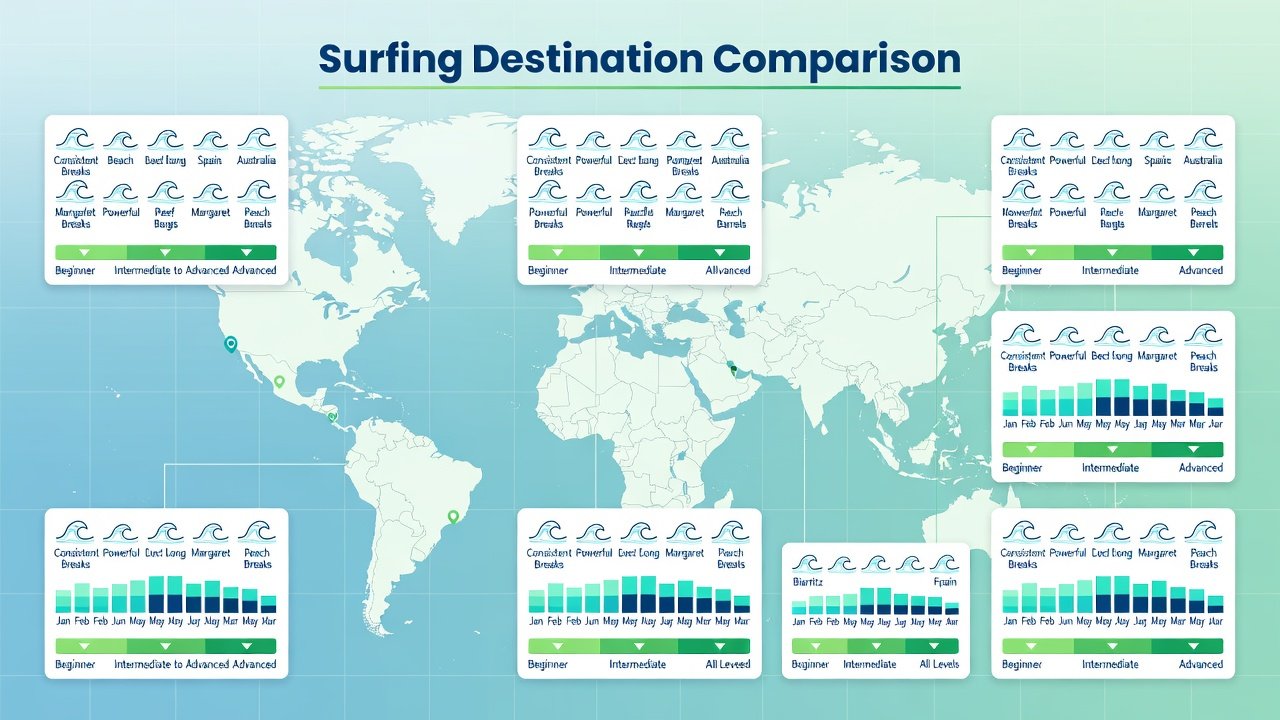
When comparing destinations, consider wave quality first: highest consistency appears in Hawaii and Indonesia for advanced riders, while Portugal and Australia excel in accessibility. Seasonal peaks align with winter in Hawaii and South Africa, whereas shoulder seasons everywhere reduce crowds significantly. Skill matching prevents frustration, with beginners targeting Gold Coast and Peniche. Practical steps include checking surf forecasts from authoritative sources, comparing rental packages, and reviewing visa requirements early. Mistakes to avoid include ignoring local customs or underestimating travel logistics during peak periods.
Conclusion and Final Recommendations
Selecting the right surfing haven in 2026 comes down to aligning personal skill, preferred crowd levels, and commitment to eco-friendly travel. Each location offers distinct advantages that reward thorough research and flexible planning. By following safety guidelines, choosing responsible rentals, and embracing sustainable practices, surfers can create memorable experiences that benefit both themselves and the environments they visit.
No comments yet. Be the first!