 PlaceBee
Introduction to the World's Premier Kayaking Destinations
Kayaking offers an unparalleled way to explore remote waterways, combining physical adventure with immersive encounters in nature. For 2026 travelers, selecting the right destination involves weighing factors like water conditions, wildlife opportunities, accessibility, and personal skill level. This guide compares eight standout locations across rivers and coastal routes, drawing from proven comparison formats that help adventurers plan effectively. Each destination provides unique opportunities for paddlers of varying experience levels, from tranquil lake explorations to dynamic coastal expeditions where currents and tides add excitement. Travelers can expect to encounter diverse ecosystems, including glacial landscapes, tropical rainforests, and vibrant marine habitats teeming with life. The key to a successful trip lies in matching your abilities and interests to the specific characteristics of each location, such as prevailing weather patterns and required permits. Whether planning a solo journey or a group expedition, understanding seasonal variations ensures optimal conditions for safety and enjoyment. This comprehensive comparison highlights practical considerations including booking strategies, essential equipment, and sustainability practices that protect these fragile environments for future visitors.
Top 8 Kayaking Destinations for 2026
1. Kenai Peninsula, Alaska, USA
Coastal and river routes through fjords and glacial waters offer breathtaking views of icebergs and rugged mountains. Difficulty ranges from beginner-friendly flatwater sections to advanced whitewater challenges on the Kenai River. Optimal season spans June to September for calm waters and frequent bear sightings along the shores. Must-see highlights include paddling near calving glaciers in Kenai Fjords National Park where seals often rest on floating ice. Example routes feature day trips from Seward with opportunities to spot otters and bald eagles. This destination suits those seeking a mix of adventure and wildlife photography in pristine wilderness settings.
2. Norwegian Fjords, Norway
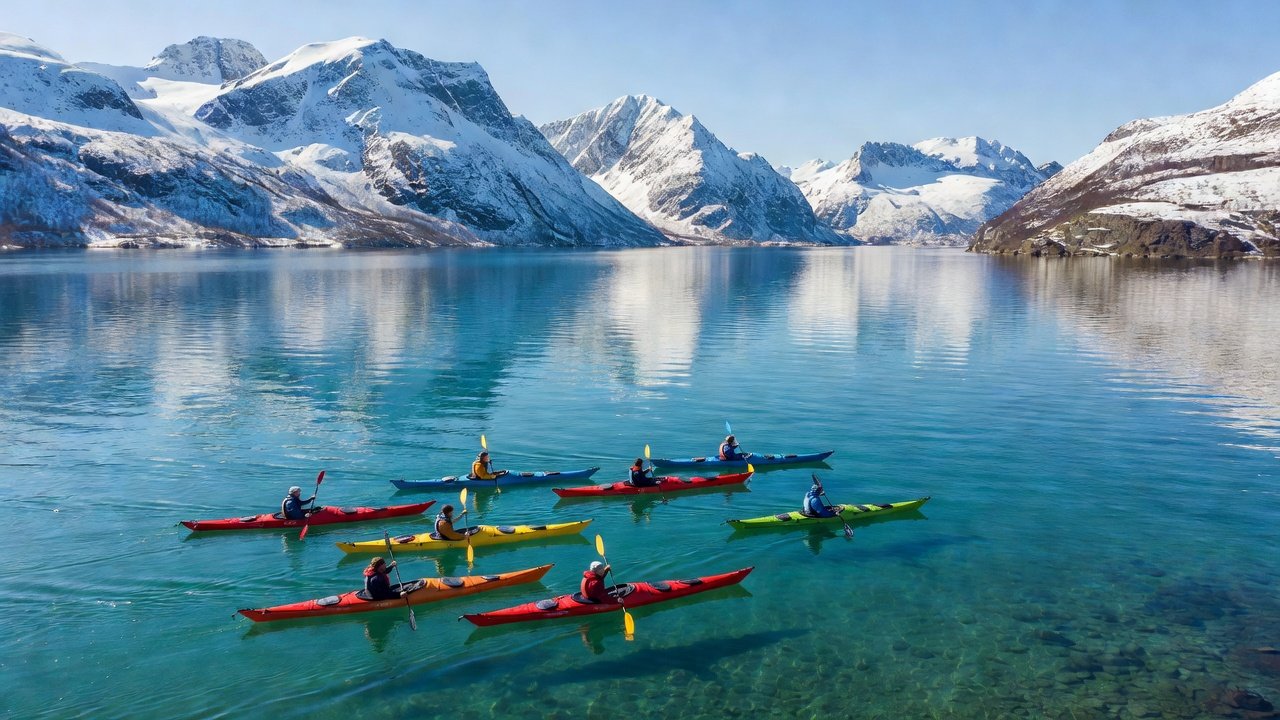
Stunning coastal paddling amid steep cliffs and deep inlets creates a dramatic backdrop for multi-day journeys. Difficulty is primarily intermediate due to occasional wind and tidal influences. Optimal season runs from May to August for extended daylight hours known as the midnight sun and abundant marine life including orcas and puffins. Must-see spots encompass the iconic Geirangerfjord with its cascading waterfalls. Paddlers can explore hidden coves and traditional fishing villages, combining cultural experiences with physical activity in this UNESCO-listed area.
3. Milford Sound, New Zealand
Dramatic coastal routes wind through towering peaks and lush rainforests with frequent waterfall views. Difficulty levels accommodate beginners on guided calm-water tours up to intermediate paddlers handling variable conditions. Optimal season is November to March for milder temperatures and regular dolphin encounters. Must-see elements include navigating near the famous Mitre Peak and exploring underwater visibility in this fiord environment. Guided excursions often incorporate educational talks on local Maori history and conservation efforts.
4. Tortuguero, Costa Rica
River kayaking through dense rainforests provides close encounters with monkeys, sloths, and exotic birds along winding canals. Difficulty is beginner-oriented with gentle currents ideal for families or first-timers. Optimal season from December to April aligns with peak turtle nesting activities on nearby beaches. Must-see highlights feature nighttime tours combined with daytime paddles spotting caimans and colorful toucans. This Central American gem emphasizes eco-tourism with community-based operators focused on habitat preservation.
5. Ha Long Bay, Vietnam
Coastal exploration of dramatic limestone karsts rising from emerald waters creates a mystical atmosphere. Difficulty remains beginner-friendly on sheltered bay sections. Optimal season between February and April delivers clear skies and minimal rainfall for comfortable paddling. Must-see attractions include hidden lagoons and floating villages where local fishermen demonstrate traditional methods. Multi-day trips allow overnight camping on secluded beaches amid this UNESCO World Heritage site.
6. Banff National Park, Canada
Alpine lakes and glacier-fed rivers deliver vivid turquoise scenery framed by the Canadian Rockies. Difficulty suits intermediate paddlers comfortable with cold water temperatures. Optimal season July to September provides warm air and accessible waterways free of ice. Must-see locations encompass Moraine Lake and the Bow River with chances to observe elk and mountain goats. Resources from the Government of Canada offer additional park regulations and trail updates for planning.
7. Iceland's Glacial Rivers
Challenging river routes near active volcanoes and black sand beaches test experienced paddlers with fast-moving waters. Difficulty is advanced, requiring strong navigation skills and cold-water training. Optimal season June to August maximizes daylight and manageable river flows from melting ice. Must-see features involve paddling beneath waterfalls and near geothermal hot springs. This unique volcanic landscape combines adventure with geological wonders rarely found elsewhere.
8. Sea of Cortez, Mexico
Coastal paddling through rich marine biodiversity offers chances to kayak alongside whale sharks and sea lions. Difficulty accommodates beginners on protected coves to intermediate open-water segments. Optimal season November to April brings calmer seas and peak whale watching opportunities. Must-see highlights feature the islands of Espiritu Santo with sea caves and vibrant snorkeling spots accessible from kayaks. Local operators emphasize responsible wildlife viewing practices.
Difficulty Levels and Route Types
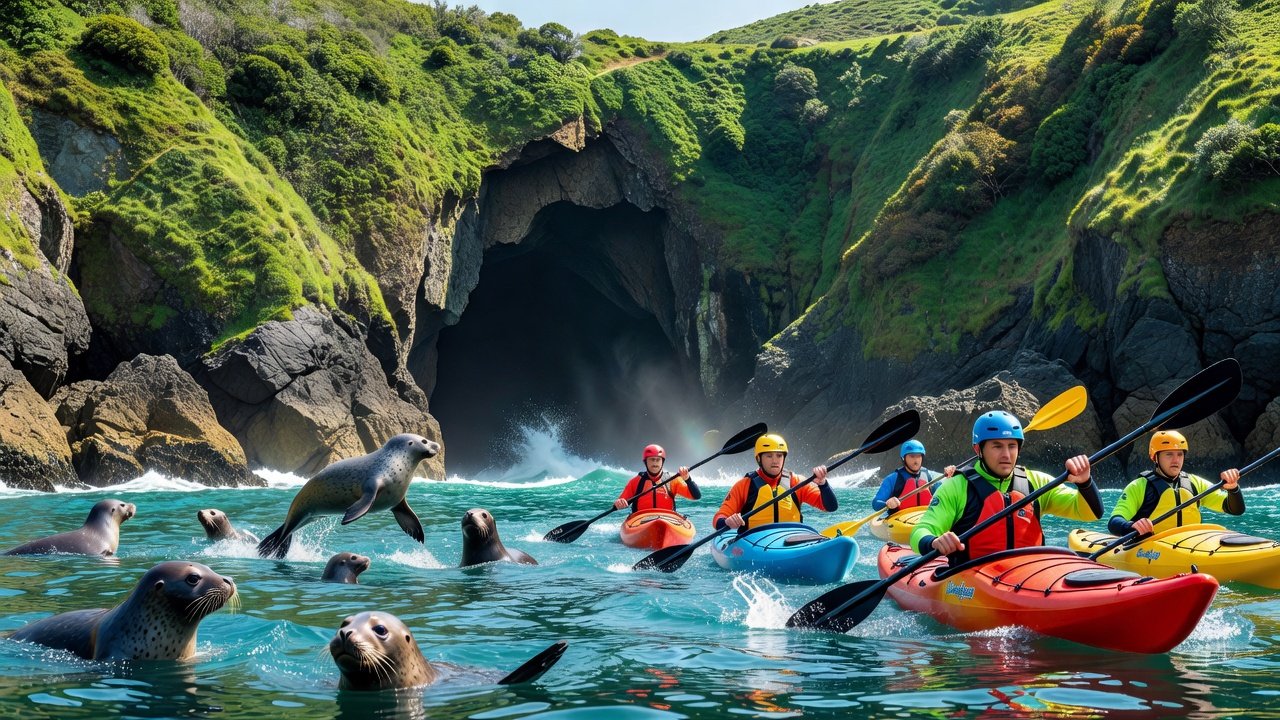
Destinations range from flatwater coastal tours suitable for novices to technical river descents for experts. Beginners benefit from guided flatwater experiences in places like Tortuguero or Ha Long Bay, while advanced kayakers tackle glacial rivers in Iceland or Alaska's rapids. Route types include single-day outings, multi-day expeditions with camping, and combination tours blending kayaking with hiking. Always match your experience to the route's demands by consulting local guides and reviewing water condition reports in advance.
Optimal Seasons for Calm Waters and Wildlife
Timing your trip maximizes enjoyment and safety. Summer months often provide the most stable conditions across northern destinations like Norway and Canada, while tropical areas peak during dry seasons to avoid heavy rains. Wildlife sightings improve during migration or breeding periods, such as bears in Alaska or turtles in Costa Rica. Checking historical weather data helps anticipate variables like wind or fog that could affect paddling comfort.
Booking Timelines and Operator Recommendations
Reserve guided tours and accommodations 6-12 months ahead for popular international spots to secure availability during peak seasons. Reputable operators emphasize certified guides, small group sizes, and comprehensive briefings on local conditions. Look for companies affiliated with recognized adventure associations that prioritize safety training and environmental stewardship. Early booking also allows time for obtaining necessary visas or specialized equipment rentals.
Safety Protocols and Essential Gear Lists
Adhering to established safety protocols prevents accidents and ensures enjoyable experiences. Always wear a properly fitted personal flotation device, carry a whistle for signaling, and monitor weather forecasts closely. For river routes, helmets protect against rocks, while coastal paddlers need bilge pumps and tow lines. Essential gear includes: dry bags for valuables, navigation tools like waterproof maps or GPS devices, layered clothing for temperature changes, sun protection such as hats and sunscreen, and repair kits for minor equipment issues. Follow local guidelines from sources like the National Park Service for region-specific advice. Additional recommendations involve completing a basic kayaking skills course before international travel and informing others of your itinerary.
Cost Comparisons and Decision Matrix
Budget considerations encompass transportation, equipment rentals, guide fees, permits, and meals without relying on fixed figures that fluctuate. Domestic destinations like Alaska or Banff may involve lower international flight costs but higher domestic travel expenses, whereas overseas locations add currency conversion and visa fees. A decision matrix helps narrow choices by evaluating criteria such as skill level, interest in wildlife versus scenery, preferred trip length, and tolerance for remote conditions. For instance, beginners prioritizing wildlife might select Costa Rica, while advanced paddlers seeking challenge could choose Iceland. Factor in group size and desired amenities when comparing options to align with personal preferences and logistical constraints.
Practical Planning Steps
- Assess your current fitness level and kayaking experience through practice sessions on local waters.
- Research required permits, entry fees, and sustainability rules for each destination well in advance.
- Book transportation, lodging, and guided services early, confirming cancellation policies.
- Prepare for variable weather by packing versatile gear and understanding emergency procedures.
- Review health requirements including vaccinations and travel insurance covering water sports.
- Coordinate with operators on group dynamics and specific route details to set realistic expectations.
FAQs on Permits and Sustainability Practices
Many protected areas require advance permits obtained through official park websites or authorized vendors. Sustainability practices include packing out all waste, avoiding disturbance to wildlife, and supporting local economies through responsible tourism choices. Common questions address permit validity periods, group size limits, and seasonal closures to protect breeding grounds. Always adhere to Leave No Trace principles to minimize environmental impact and preserve these kayaking havens for years to come.
Conclusion
With careful planning and attention to detail, 2026 promises unforgettable kayaking adventures across these diverse global havens. Choose destinations based on your goals, skill set, and interests for the ultimate waterborne escape that combines thrill, discovery, and respect for nature.

No comments yet. Be the first!