 PlaceBee
Introduction to 2026 Wine Tasting Destinations
Planning a wine tasting adventure in 2026 requires careful attention to seasonal timing, regional specialties, and practical logistics. This comprehensive guide examines ten premier global wine regions, offering comparisons on peak seasons, signature varietals, crowd levels, typical costs, and distinctive experiences to help you select the ideal destination based on your budget and preferences. Whether you seek intimate vineyard walks or lively harvest festivals, understanding these factors ensures a rewarding trip that aligns with your travel style and goals.
Top 10 Premier Wine Regions for 2026
From the rolling hills of Europe to the vibrant valleys of the New World, these regions stand out for their quality and visitor appeal. Each offers unique terroir and experiences that evolve with the seasons.
1. Bordeaux, France
Peak season runs from September to October during harvest when grapes reach optimal ripeness. Signature varietals include Cabernet Sauvignon and Merlot blended into complex reds. Crowds are moderate outside major events, with costs reflecting premium chateau experiences. Visitors enjoy guided barrel tastings and historic estate tours that highlight centuries-old winemaking traditions.
2. Tuscany, Italy
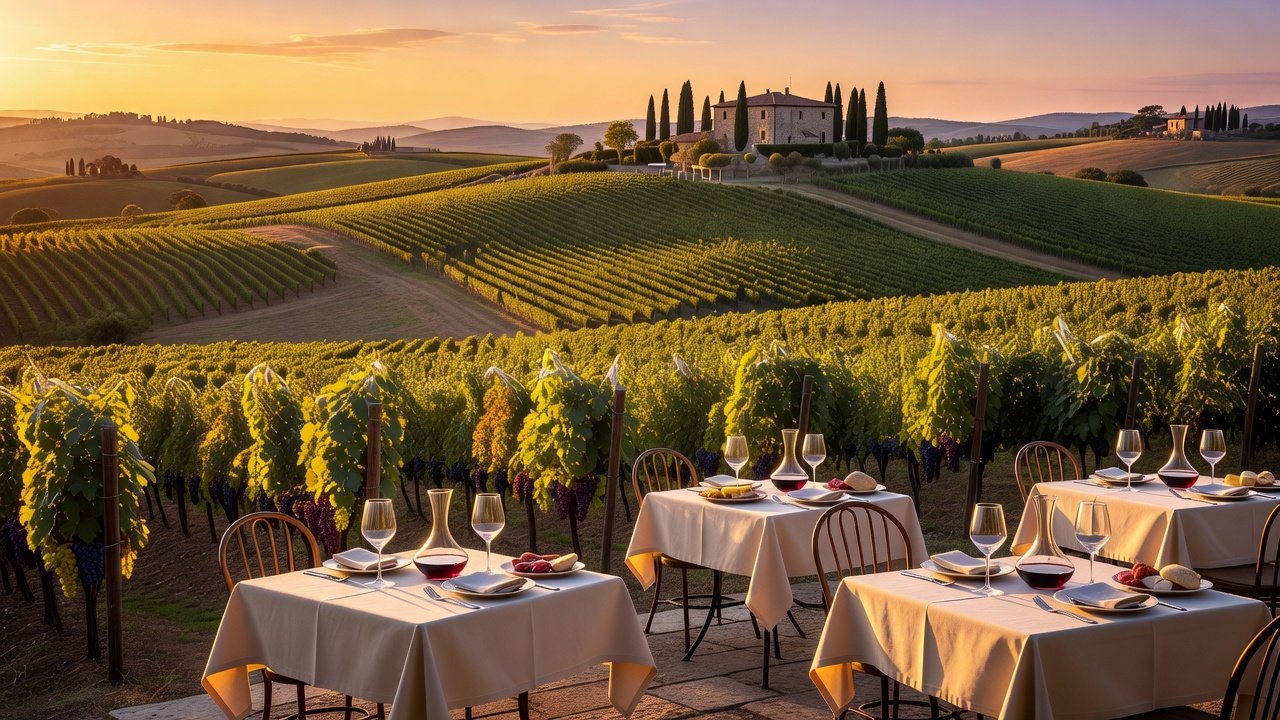
Best visited April to June or September to October for mild weather and fewer tourists. Chianti and Sangiovese dominate the landscape with their bold flavors. Expect lively crowds in summer but serene tastings off-peak amid olive groves and medieval villages. Many estates offer cooking classes paired with wines.
3. Napa Valley, California
Harvest peaks in September-October when the valley turns golden. Cabernet Sauvignon leads production with rich, full-bodied profiles. High crowds year-round but book early for intimate tours at family-owned wineries. Balloon rides over vineyards provide unforgettable aerial views of the region.
4. Mendoza, Argentina
Ideal March to May during the grape harvest in the foothills of the Andes. Malbec shines with its deep color and plum notes. Lower crowds and accessible pricing make it budget-friendly for extended stays. Many tours combine wine with mountain hikes and asado barbecues.
5. Barossa Valley, Australia
February to April harvest brings vibrant energy to this historic area. Shiraz rules with its spicy, full-bodied character. Moderate crowds allow for relaxed cellar door visits. Unique outdoor experiences include sunset tastings among ancient vines planted in the 1800s.
6. Rioja, Spain
September-October peak season coincides with local festivals celebrating the grape. Tempranillo varietals produce elegant aged reds. Balanced crowds and cultural pairings with tapas make visits memorable. Explore underground bodegas carved into hillsides for atmospheric tastings.
7. Marlborough, New Zealand
March to May ideal for cool-climate wines. Sauvignon Blanc focus delivers crisp, citrusy profiles. Low crowds and scenic tours along coastal paths enhance the experience. Operators often include boat trips to remote vineyards for exclusive pours.
8. Stellenbosch, South Africa
February to April offers warm weather for outdoor tastings. Cabernet and Chenin Blanc thrive in this diverse terroir. Affordable with wildlife elements like nearby game reserves. Many estates feature Cape Dutch architecture and live music events.
9. Douro Valley, Portugal
September-October harvest along the winding river creates dramatic backdrops. Port and Touriga Nacional define the robust styles. Quiet crowds allow peaceful river cruises between quintas. Traditional foot-treading demonstrations provide hands-on cultural insights.
10. Champagne, France
May-June or September for optimal cellar visits. Chardonnay and Pinot Noir form the basis of sparkling wines. Elevated costs with luxury tastings in historic caves. Private tours often include sabrage ceremonies and views of chalky soil vineyards.
Seasonal Comparison Matrix
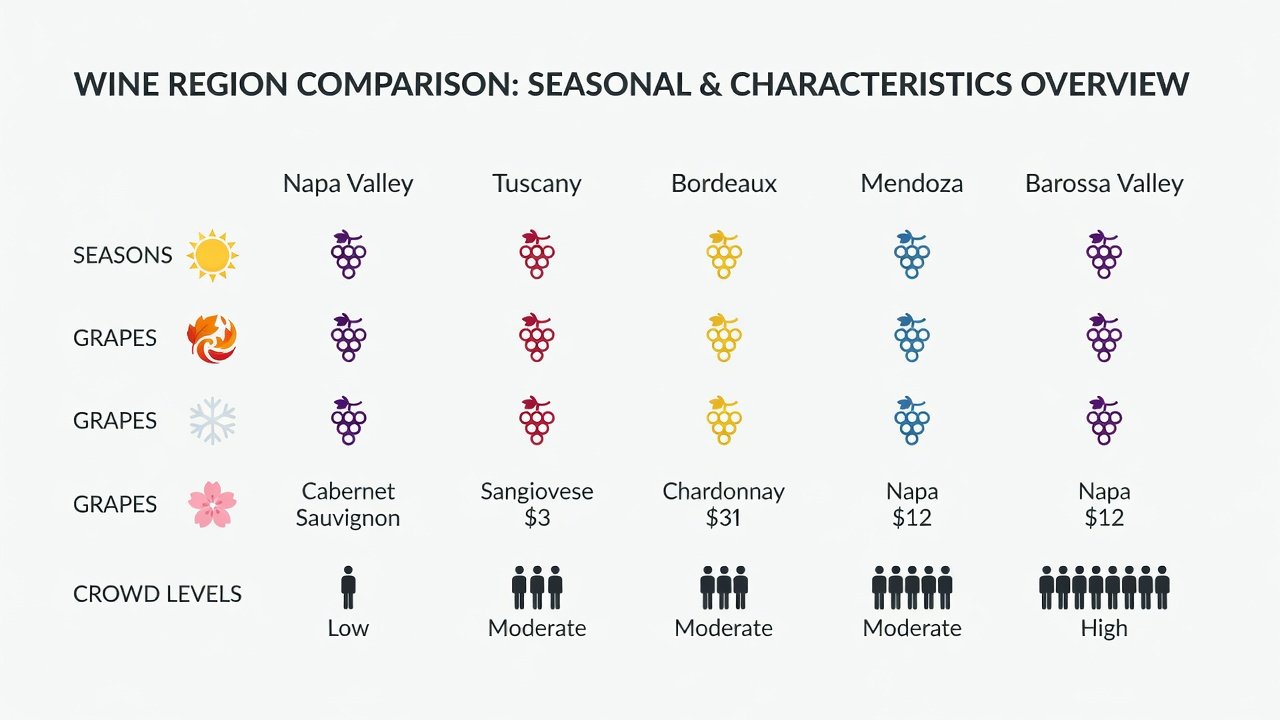
| Region | Peak Season | Varietals | Crowd Level | Cost Level | Unique Experience |
|---|---|---|---|---|---|
| Bordeaux | Sep-Oct | Cabernet, Merlot | Moderate | High | Chateau tours |
| Tuscany | Apr-Jun, Sep-Oct | Chianti, Sangiovese | High in summer | Medium | Villa stays |
| Napa Valley | Sep-Oct | Cabernet | High | High | Hot air balloon |
| Mendoza | Mar-May | Malbec | Low | Low | Andes views |
| Barossa Valley | Feb-Apr | Shiraz | Moderate | Medium | Historic vines |
| Rioja | Sep-Oct | Tempranillo | Moderate | Medium | Tapas pairings |
| Marlborough | Mar-May | Sauvignon Blanc | Low | Medium | Coastal tours |
| Stellenbosch | Feb-Apr | Cabernet, Chenin | Low | Low | Wildlife reserves |
| Douro Valley | Sep-Oct | Port, Touriga | Low | Medium | River cruises |
| Champagne | May-Jun, Sep | Chardonnay, Pinot | Moderate | High | Sabrage ceremonies |
Detailed Seasonal Timing and Decision Factors
Choosing the right season impacts everything from weather to availability. Shoulder months like April or September often balance pleasant conditions with lower prices and crowds. Harvest periods deliver dynamic energy but require advance reservations. Consider your tolerance for heat, rain, or festival bustle when deciding.
How to Choose Based on Budget and Preferences
Budget travelers should prioritize Mendoza or Stellenbosch for value without sacrificing quality. Luxury seekers gravitate toward Champagne or Bordeaux for exclusive access. Foodies enjoy Tuscany and Rioja for culinary integrations, while nature lovers prefer Marlborough or Douro for scenic immersion. Match preferences to varietal interests, such as bold reds in Barossa or crisp whites in New Zealand.
Step-by-Step Booking Advice with Real Operator Examples
Begin research six months ahead using regional tourism boards. Compare operators like those offering Napa balloon packages or Mendoza Andes hikes. Secure tastings directly via winery websites, then layer in transport and lodging. Confirm cancellation policies and group sizes for personalized service. Example: Book a Barossa sunset tour early to avoid peak demand.
Safety Considerations
Always check travel advisories from U.S. Department of State before booking. Follow health guidelines from CDC travel resources. Designate drivers or use shuttles at tastings. Stay hydrated and know local emergency contacts. Monitor weather for vineyard conditions and avoid overindulgence during long days.
Packing Checklists for Varied Climates
- Comfortable walking shoes for vineyard tours across uneven terrain
- Layered clothing for variable weather from cool mornings to warm afternoons
- Notebook and pen for detailed tasting notes
- Sunscreen, hat, and sunglasses for extended outdoor sessions
- Reusable water bottle to stay refreshed between pours
- Light jacket or scarf for evening cellar visits
- Portable phone charger for navigation and photos
- Comfortable crossbody bag for carrying essentials hands-free
Real Operator Examples and Practical Tips
Operators in Tuscany often pair tastings with farm-to-table meals, while Mendoza guides emphasize sustainable practices. In Napa, companies provide private van services for safety. Always verify licenses and read recent reviews for reliability. Practical tip: Join small groups of six or fewer for deeper conversations with winemakers.
Mistakes to Avoid
Do not overbook consecutive days of tastings to prevent palate fatigue. Avoid peak summer without reservations, as popular spots fill quickly. Skip driving after multiple stops by arranging transfers. Research varietals beforehand to maximize enjoyment rather than sampling randomly.
FAQ on Ethical Tasting Practices
How to taste responsibly? Sip slowly and use spit buckets provided at most venues. Support sustainable wineries that practice organic farming. Respect local customs by dressing appropriately and limiting group noise. What about allergies? Inform hosts in advance. How to minimize environmental impact? Choose walking or cycling tours where possible and avoid single-use plastics.
Conclusion
With this detailed comparison, expanded advice, and actionable checklists, you can confidently plan a memorable 2026 wine tasting journey tailored to your needs and preferences for maximum enjoyment and minimal stress.
No comments yet. Be the first!