 PlaceBee

Introduction to Birdwatching in 2026
Birdwatching has emerged as one of the most popular forms of ethical wildlife tourism, allowing travelers to connect deeply with nature while contributing to conservation efforts. In 2026, interest in sustainable birding experiences continues to grow as people seek meaningful outdoor adventures that minimize environmental impact. This comprehensive guide highlights premier global destinations across multiple continents, detailing seasonal migration patterns, standout species, conservation successes, and practical considerations such as accessibility and skill-level requirements. Whether you are a beginner or an experienced birder, these locations offer exceptional opportunities to observe avian diversity in protected habitats. By choosing responsible travel options, visitors can support local communities and ongoing habitat preservation projects worldwide.
Premier Birdwatching Destinations Worldwide
1. Galápagos Islands, Ecuador
The Galápagos Islands remain a top choice for unique endemic species including the blue-footed booby, waved albatross, and Galápagos penguin. Year-round viewing is possible, though the wet season from January to May brings increased activity and breeding displays. Conservation programs focus on eradicating invasive species and protecting marine ecosystems that support seabird populations.
2. Costa Rica
With over 900 recorded bird species, Costa Rica offers exceptional diversity in cloud forests and lowland reserves. The resplendent quetzal and three-wattled bellbird are highlights, while spring and fall migrations bring impressive numbers of raptors. Well-developed infrastructure makes this destination ideal for all experience levels.
3. Masai Mara, Kenya
The savannas of the Masai Mara provide excellent sightings of secretary birds, lilac-breasted rollers, and numerous vultures during the great migration period. Optimal conditions occur during the dry season from July to October when animals concentrate around water sources, improving visibility for both birds and mammals.
4. Pantanal, Brazil
As the world’s largest tropical wetland, the Pantanal hosts hyacinth macaws, jabirus, and countless waterbirds. The wet season from October to March creates flooded landscapes perfect for observing wading species and migratory shorebirds in abundance.
5. Bharatpur, India
Keoladeo National Park attracts winter visitors such as Siberian cranes, painted storks, and sarus cranes. This restored wetland demonstrates how community-led conservation can revive critical stopover sites for long-distance migrants.
6. Everglades, Florida, USA
Subtropical wetlands in the Everglades support roseate spoonbills, wood storks, and snail kites. Winter months offer comfortable temperatures and concentrated bird populations near accessible boardwalks and trails suitable for families and beginners.
7. Kakadu National Park, Australia
This vast wilderness features magpie geese, rainbow bee-eaters, and brolgas along its river systems. The dry season from May to October provides reliable water levels and predictable viewing locations for both resident and nomadic species.
8. Iceland
Coastal cliffs host massive colonies of Atlantic puffins, while inland areas support gyrfalcons and golden plovers. Extended daylight during summer months allows for prolonged observation sessions amid dramatic volcanic landscapes.
9. South Africa
Kruger National Park and coastal reserves showcase southern ground hornbills, African penguins, and numerous sunbirds. Year-round options accommodate varying budgets and experience levels with both self-drive and guided safari formats available.
Comparing Accessibility, Costs, and Skill-Level Suitability
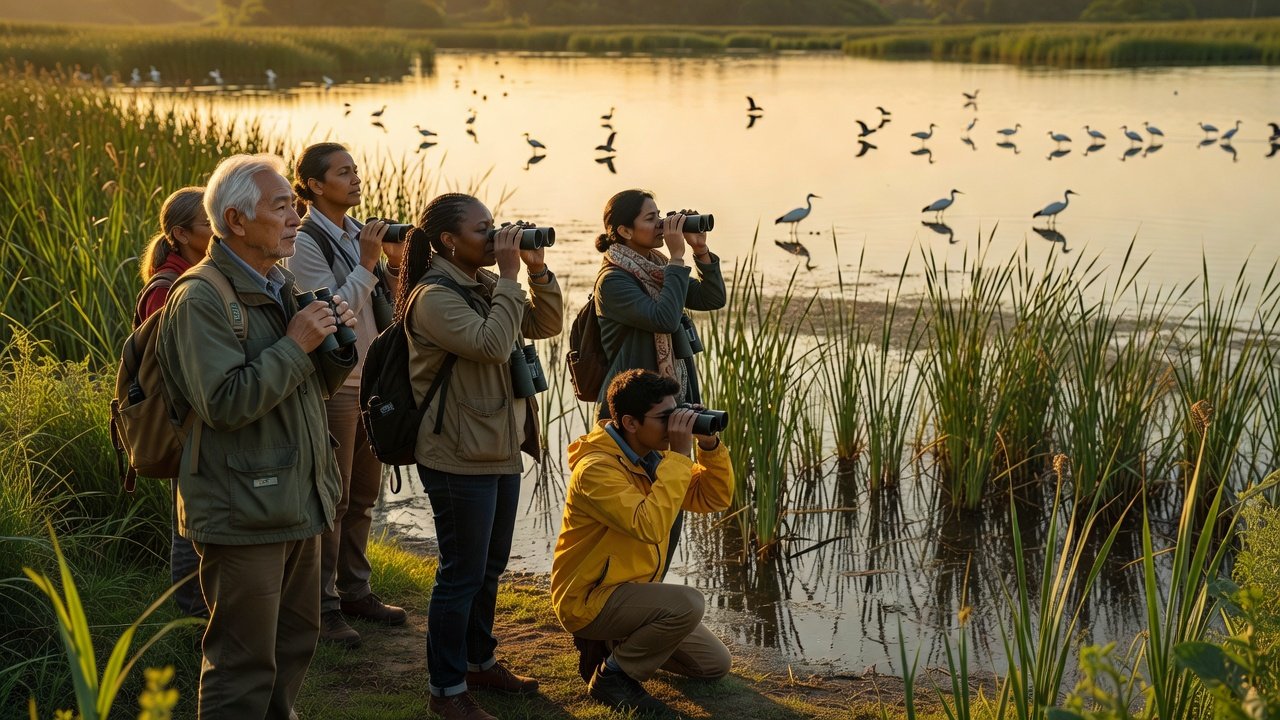
Accessibility differs significantly across destinations. The Galápagos and Costa Rica feature established lodges, short trails, and frequent guided tours, making them suitable for beginners and families. In contrast, remote sections of the Pantanal or Iceland’s interior require more physical stamina and advance logistics. Skill-level suitability ranges from easy park visits in the Everglades to expert-led expeditions in Bharatpur for rare winter migrants. Tour operators such as those affiliated with major conservation groups provide small-group experiences led by local naturalists. Beginners benefit from destinations with interpretive centers and gentle terrain, while advanced birders may prefer less-visited areas offering higher chances of rare sightings.
Ethical Birding Practices
Responsible birding protects both wildlife and habitats for future generations. Maintain safe distances from nests and feeding areas, avoid using playback recordings that can disrupt breeding behavior, and remain on marked trails at all times. Support local economies by selecting operators that contribute directly to habitat restoration. Guidance from BirdLife International offers detailed global standards for sustainable observation. Additional resources from Audubon emphasize minimizing disturbance during sensitive periods such as migration and nesting seasons.
Packing and Photography Tips
Essential gear includes quality binoculars with 8x or 10x magnification, a compact spotting scope, and neutral-toned clothing that blends with surroundings. Sturdy hiking boots, a wide-brimmed hat, and reusable water bottle help maintain comfort during extended outings. For photography, bring telephoto lenses and use natural light during early morning or late afternoon hours. Always prioritize ethical practices by avoiding flash photography near sensitive species. A field notebook and insect repellent complete a practical kit for any destination on this list.
Booking Strategies and Mistakes to Avoid
Secure accommodations and guided tours six to twelve months in advance, particularly for peak migration windows. Shoulder seasons often provide better value and reduced crowds while still offering strong bird activity. Verify operator credentials through affiliations with recognized conservation bodies. Common mistakes include overpacking heavy equipment, ignoring local regulations, or choosing operators without sustainability policies. Research current entry requirements and weather patterns before travel to ensure a smooth experience.
Frequently Asked Questions
When is the best time to visit these destinations?
Peak seasons generally align with migrations: spring and fall in the Americas and Europe, dry seasons across Africa and Australia. Always confirm latest conditions through official park resources or local guides.
How can I ensure my trip supports conservation?
Select operators that donate portions of fees to habitat projects and follow low-impact protocols promoted by National Geographic travel standards.
What skill level is required for most spots?
Many locations welcome participants of all abilities with professional guidance; experts may seek remote zones for specialized sightings of elusive species.
Conclusion
These premier birdwatching destinations deliver unforgettable encounters with global avian diversity while advancing vital conservation work. Careful planning around seasons, ethics, and logistics ensures rewarding and sustainable experiences that benefit both travelers and the natural world they explore.

No comments yet. Be the first!