 PlaceBee
Introduction to 2026 City-Nature Duos
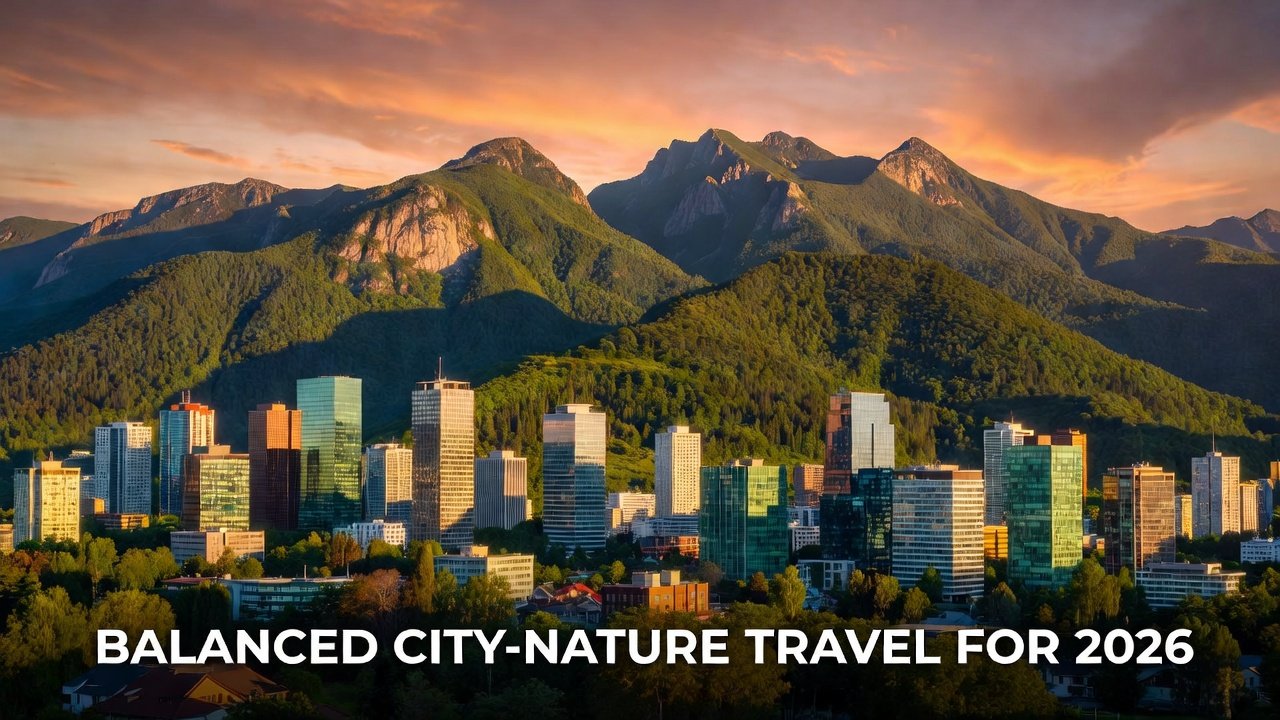
Blending the vibrant energy of urban centers with the restorative power of natural escapes creates unforgettable trips that fuel wanderlust. In 2026, travelers are increasingly seeking these balanced pairings to avoid crowds while maximizing memorable experiences. This guide covers practical steps for researching destinations, optimizing routes, and booking seamless journeys across three continents. City-nature duos offer the perfect mix of cultural immersion, culinary adventures, and outdoor rejuvenation, making them ideal for anyone looking to ignite their sense of exploration without the overwhelm of purely urban or remote wilderness trips.
Whether you crave Tokyo's neon lights paired with nearby mountain trails or New York's skyline alongside serene national parks, the key lies in thoughtful planning. Focus on seasonal timing to enjoy peak beauty without peak prices and crowds. These combinations allow photographers to capture both architectural wonders and breathtaking landscapes, while foodies can enjoy city markets and fresh regional ingredients sourced from nearby nature areas.
Researching Ideal City-Nature Pairings in Depth
Start by identifying your priorities: urban cultural immersion, outdoor adventures, or a mix of both. Use authoritative resources like National Geographic for destination insights and Lonely Planet for up-to-date travel trends. Consider flight connections, visa requirements, and local transport networks early in the process. Dive deeper by reviewing traveler forums, official tourism boards, and satellite maps to evaluate proximity between city hubs and natural reserves. Look for destinations where high-speed rail or short domestic flights make day trips feasible, reducing the need for multiple accommodations.
Popular duos often feature cities within a short drive or train ride of protected natural areas. For Europe, pair Berlin with the Black Forest; in Asia, explore Seoul alongside Seoraksan National Park; and in North America, combine Vancouver with the Canadian Rockies. Factor in accessibility for different fitness levels and interests, such as easy walking paths versus challenging hikes, to ensure the pairing suits your group.
Seasonal Timing and Transport Links
Optimal timing varies by region. Spring and fall often provide mild weather ideal for hiking and city exploration without summer crowds. In Europe, aim for April-May or September-October to enjoy blooming landscapes or autumn foliage. Asia's monsoon seasons require careful planning around May-September in many areas, favoring November-March instead. North American pairings shine in shoulder months like May or October for comfortable temperatures and fewer visitors.
Research train schedules and regional flights for efficient connections—many European duos benefit from high-speed rail networks. In Asia, bullet trains link major cities to mountain regions efficiently, while North America often relies on scenic drives or short flights. Always check for seasonal road closures in nature areas and book multi-modal tickets in advance for cost savings and convenience.
Sample 5-Day Itineraries Across Continents
Europe: Berlin and Black Forest
Day 1: Arrive in Berlin and explore historic sites like the Brandenburg Gate followed by evening street food tours. Day 2: Visit museums and vibrant neighborhoods before a relaxing evening at a local beer garden. Day 3: Take a scenic train to the Black Forest for gentle hikes among dense pines and traditional villages. Day 4: Engage in photography sessions at waterfalls and enjoy regional specialties like Black Forest cake. Day 5: Morning nature walk then return to Berlin for departure, incorporating any last-minute city dining.
Asia: Seoul and Seoraksan
Days 1-2 in Seoul for temples, bustling markets, and K-food experiences like bibimbap and street snacks. Days 3-5: Transfer by bus or train to Seoraksan National Park for hiking trails, cable car rides offering panoramic views, and wildlife spotting, with evening returns to nearby lodges featuring Korean cuisine.
North America: Vancouver and Rockies
Days 1-2: Urban exploration in Vancouver including waterfront markets and diverse food scenes. Days 3-5: Scenic drives into Banff for wildlife viewing, mountain photography, and easy to moderate hikes, blending with gourmet picnics using local produce.
Detailed Packing Lists for City-Nature Travel
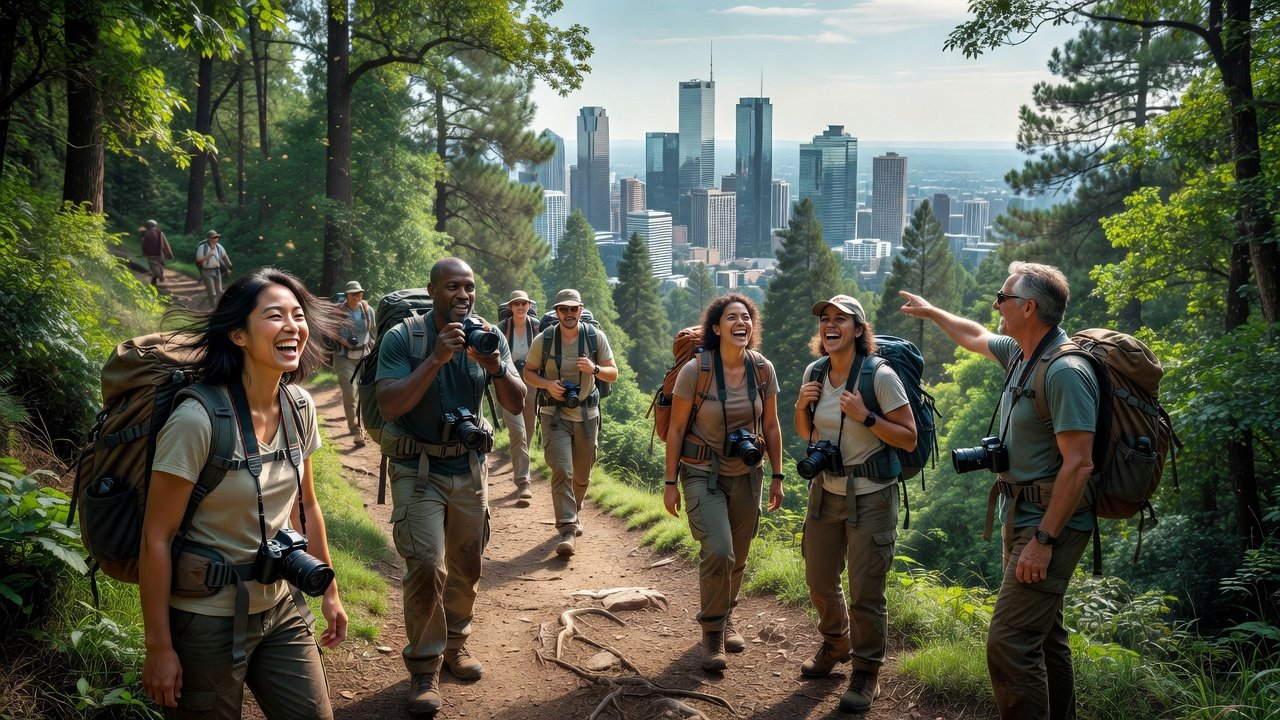
Pack versatile layers for shifting climates between city and nature. Include sturdy hiking shoes, a reusable water bottle, quick-dry clothing, a lightweight rain jacket, and photography gear such as extra batteries and lens cloths. For foodie elements, add a small journal for noting local specialties and reusable utensils for park picnics. Additional items: portable charger, comfortable walking shoes for cities, binoculars for nature observation, and a basic first-aid kit. Organize in a carry-on friendly backpack to handle both environments seamlessly.
Budget Considerations and Money-Saving Strategies
Budgets should account for transport, lodging, and activities using qualitative estimates based on mid-range travel. Focus on value through public transit, picnic meals in nature spots, and free city walking tours. Consider shoulder-season lodging deals and regional passes for attractions. Track expenses with apps and prioritize experiences like self-guided hikes over paid excursions where possible.
Comparison Table: Easy vs Adventurous Duos
| Type | Examples | Difficulty | Best For |
|---|---|---|---|
| Easy | Paris + Loire Valley, Sydney + Blue Mountains | Low physical demand, good infrastructure | Families, first-timers, relaxed pacing |
| Adventurous | Cape Town + Table Mountain trails, Vancouver + Canadian Rockies | Moderate to high, variable terrain | Active explorers seeking challenges |
| Balanced | Berlin + Black Forest, Seoul + Seoraksan | Flexible options for all levels | Mixed groups with varied interests |
Real Traveler Tips for Maximizing Wanderlust Without Crowds
- Book early for popular 2026 dates to secure better availability and options.
- Use apps for real-time transport updates and offline maps in remote nature zones.
- Seek off-peak hours in cities and lesser-known trails in nature areas to avoid crowds.
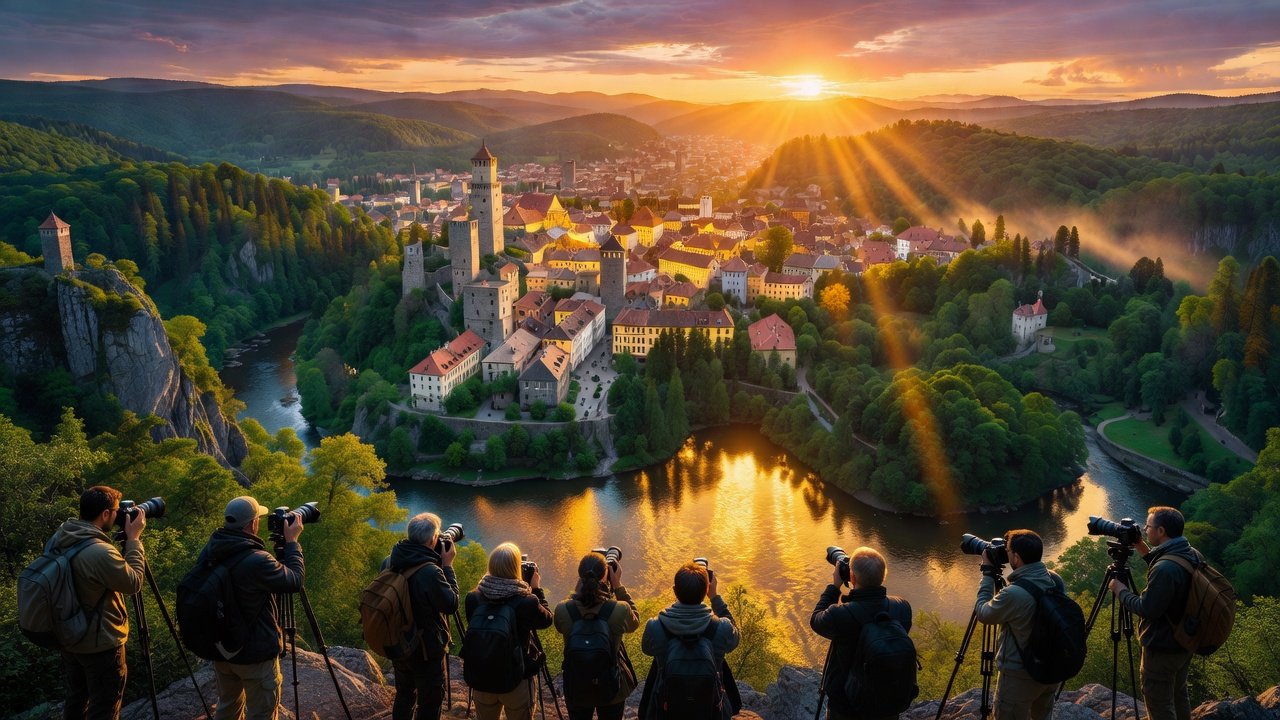
- Incorporate photography stops at sunrise or sunset and local food markets for richer memories.
- Engage with locals for insider recommendations on hidden gems that blend both worlds.
- Stay flexible with daily plans to adapt to weather changes common in natural settings.
- Combine interests by choosing nature spots near food festivals or city events.
FAQs on Visas, Pet Policies, and Practical Concerns
Do I need a visa for these trips? Requirements depend on your nationality and destination—always check official government sites before travel to avoid issues at borders.
Can I bring my pet? Many nature areas allow leashed dogs, but cities vary; confirm hotel policies, park rules, and any health certifications in advance.
What about health and safety? Research vaccinations and travel advisories through reliable channels for both urban and remote areas.
How do I handle language barriers? Download translation apps and learn basic phrases for smoother interactions in cities and rural spots alike.
Three Ready-to-Customize Destination Examples with Photography and Foodie Focus
1. Tokyo and Mount Fuji: Blend urban tech districts with sacred hikes around the iconic peak. Capture stunning sunrise photos and savor sushi, ramen, and seasonal mountain vegetables.
2. Sydney and Blue Mountains: City beaches transition to eucalyptus forests perfect for photography of dramatic cliffs. Enjoy fresh seafood in the city and bush tucker-inspired meals near the trails.
3. Cape Town and Kirstenbosch Gardens: Urban markets pair with botanical escapes and wine estates. Focus on vibrant street photography and pairings of local wines with Cape Malay cuisine.
These pairings deliver balanced 2026 adventures that satisfy both city lovers and nature enthusiasts while incorporating creative photography opportunities and memorable culinary experiences.
No comments yet. Be the first!