 PlaceBee
Introduction to 2026's Hidden City-Nature Escapes
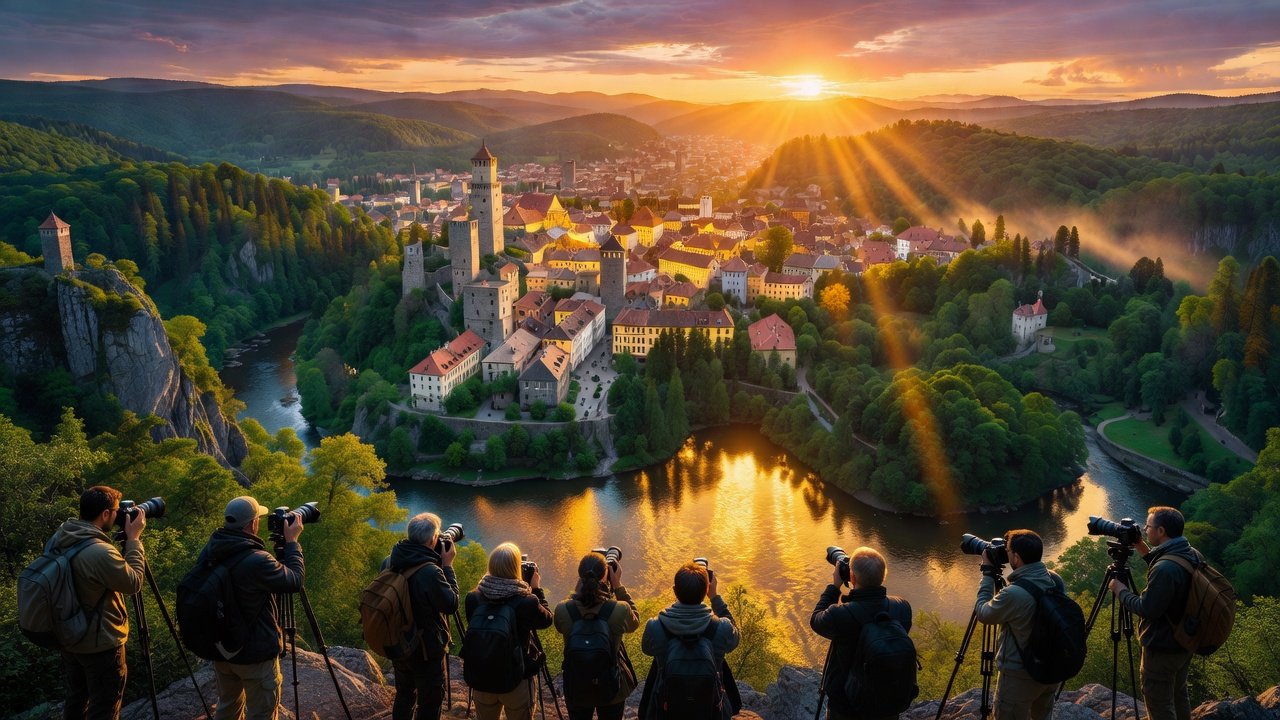
Visual wanderlust reaches new heights when urban sophistication meets untouched wilderness. In 2026, photographers and travelers are drawn to lesser-known city-nature duos that deliver fresh perspectives without the overwhelm of mainstream destinations. These pairings allow seamless transitions from historic streets lined with cafes and galleries to trails teeming with wildlife and dramatic vistas, creating opportunities for layered storytelling through images. Each duo highlighted here emphasizes photography potential, from golden-hour cityscapes reflecting in nearby lakes to close-ups of rare flora against mountain backdrops. Practical elements like seasonal timing ensure optimal conditions while minimizing environmental impact.
Europe and Asia host particularly compelling examples where accessibility via trains, buses, or short flights enhances feasibility. This comprehensive exploration covers eight hidden pairings, complete with detailed advice on light variations, wildlife behaviors, gear suited for mixed environments, and sustainable practices. Whether capturing the intricate details of Art Nouveau facades fading into ancient forests or modern skylines giving way to tropical canopies, these locations spark inspiration for visual narratives that blend culture and nature.
The 8 Hidden Pairings for 2026
1. Riga and Gauja National Park, Latvia
Riga's UNESCO-recognized historic center, with its pastel-hued buildings and bustling markets, contrasts sharply with Gauja National Park's dramatic sandstone cliffs, meandering rivers, and dense pine forests just an hour's drive away. Photographers can start with street scenes of medieval spires before heading to spots like the Gutmanis Cave for long-exposure river shots. Autumn transforms the park into a riot of reds and oranges, perfect for wide-angle landscapes, while spring wildflowers add foreground interest. Northern light remains soft and diffused most of the year, reducing harsh shadows, and wildlife such as elk and beavers appear at dawn near water sources.
2. Bratislava and Slovak Karst, Slovakia
Bratislava offers a compact old town with baroque palaces and Danube river views that pair ideally with the Slovak Karst's extensive cave systems, rocky plateaus, and wildflower meadows. Key photography locations include the Domica Cave entrances at dusk and elevated viewpoints overlooking karst formations. Summer brings vibrant blooms for macro work, and winter ice formations inside caves create abstract patterns. Light conditions shift from warm urban evenings to cool, high-contrast alpine glows, with opportunities to spot chamois and various bat species during guided twilight sessions.
3. Hanoi and Ba Be National Park, Vietnam
Hanoi's chaotic street food scenes and French colonial architecture flow naturally into Ba Be's serene limestone karsts, emerald lakes, and ethnic minority villages. Capture bustling markets transitioning to misty boat journeys on Ba Be Lake. The monsoon season produces atmospheric fog ideal for silhouette photography, whereas the dry months reveal clear reflections and primate activity. Consistent tropical light benefits from early morning starts to avoid midday glare, and wildlife includes langurs, deer, and colorful kingfishers along the waterways.
4. Tbilisi and Kazbegi Region, Georgia
Tbilisi's vibrant sulfur bathhouses and winding cobblestone alleys lead to the Kazbegi region's towering Caucasus peaks and remote valleys. Iconic shots combine church domes with Mount Kazbek backdrops. Fall delivers golden foliage that mirrors the warm tones of city rooftops, while winter snow enhances high-alpine drama. Golden hour light here is exceptionally long and directional, supporting both urban detail and wildlife captures of golden eagles and wolves in the highlands.
5. Seoul and Seoraksan National Park, South Korea
Seoul's futuristic skyscrapers and ancient palaces contrast with Seoraksan's granite peaks, Buddhist temples, and cascading waterfalls. Photographers thrive on sunrise hikes from temple grounds overlooking the city haze. Spring cherry blossoms create seamless color bridges between urban parks and mountain trails, while October foliage peaks provide rich palettes. Light remains bright and clear in shoulder seasons, aiding wildlife sightings of serows, black bears, and migratory birds.
6. Bucharest and Danube Delta, Romania
Bucharest's eclectic mix of neoclassical buildings and street art connects to the Danube Delta's labyrinthine wetlands and fishing villages. Focus on riverfront compositions evolving into vast reed beds and floating islands. Summer's extended daylight supports all-day sessions with herons and pelicans, while winter mist adds mystery to frozen channels. Soft, even light prevails in the delta, minimizing contrast issues compared to urban areas.
7. Kuala Lumpur and Taman Negara, Malaysia
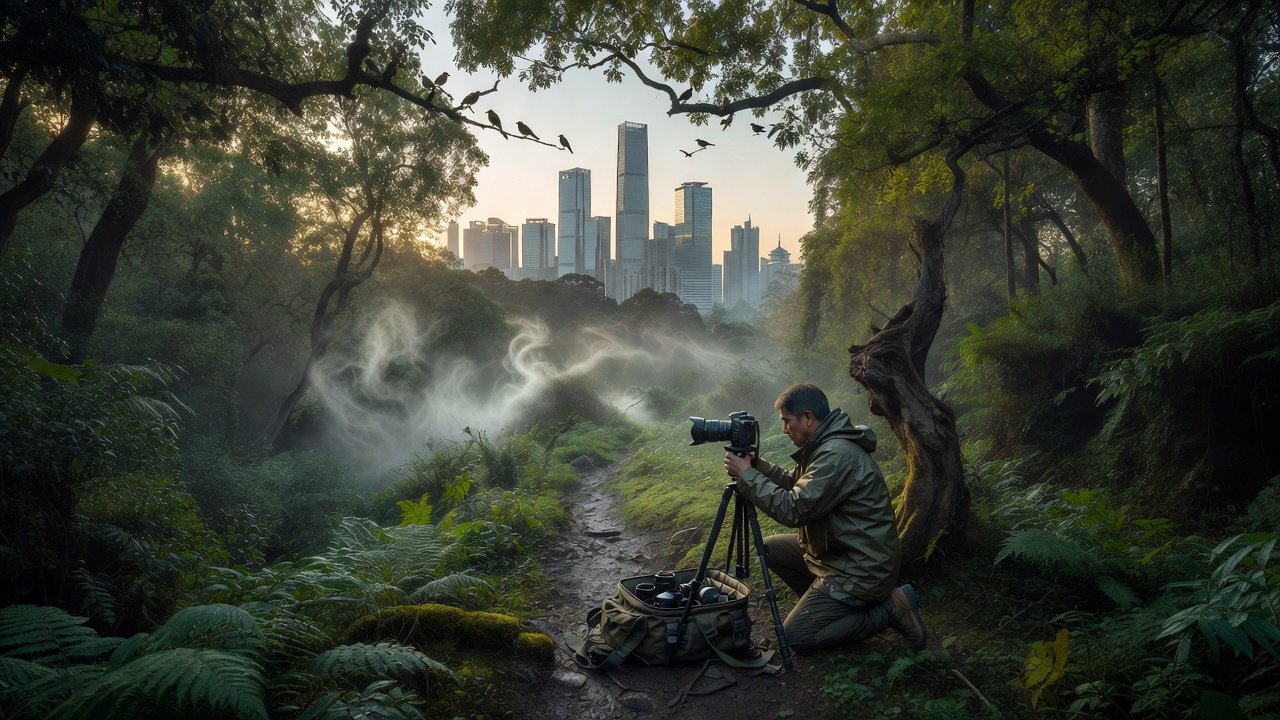
Kuala Lumpur's Petronas Towers and multicultural districts transition into Taman Negara's 130-million-year-old rainforest canopy. Elevated walkways offer unique overhead perspectives. Equatorial light stays even but benefits from dawn canopy shots revealing hornbills and gibbons. Rainy afternoons create dramatic storm-light opportunities, with sustainable low-impact trails ensuring minimal disturbance to tapirs and clouded leopards.
8. Sofia and Rila Mountains, Bulgaria
Sofia's Ottoman-era mosques and vibrant markets give way to Rila's glacial lakes, pine forests, and historic monasteries. Capture monastery frescoes alongside alpine reflections. Summer alpine light provides sharp clarity for distant peaks, and winter snowscapes offer high-contrast black-and-white potential. Wildlife such as chamois and golden eagles frequent higher elevations during cooler months.
Seasonal Routing Advice and Sample Itineraries
Optimal routing favors shoulder seasons to balance weather, crowds, and light quality. In Europe, April-May and September-October deliver mild temperatures and fewer tourists, allowing flexible day trips from cities like Riga or Sofia. Asia pairings benefit from November to March for reduced rainfall in Vietnam and Malaysia, though Georgia and South Korea shine in autumn for foliage. Always verify train and bus schedules in advance, as connections like Bratislava to Slovak Karst involve scenic rural routes. A detailed 10-day Europe sample itinerary starts with three days exploring Riga's cultural sites, followed by four nights in Gauja with dawn photography hikes, then transitions via overnight train to Bratislava for the karst extension. For Asia, an 8-day Vietnam-focused plan includes two days in Hanoi markets, a four-day base in Ba Be with boat-based wildlife shoots, and a final leg to nearby urban extensions. Another multi-country Asia route combines Seoul and Seoraksan over five days before flying to Kuala Lumpur for rainforest immersion.
Gear Recommendations for Visual Travelers
Essential gear bridges urban and wilderness demands. A full-frame mirrorless body paired with a 24-105mm zoom handles both street details and landscapes, while a 100-400mm telephoto excels for distant wildlife. Polarizing filters reduce reflections on water surfaces in deltas and lakes, and lightweight carbon-fiber tripods stabilize low-light shots without excess weight. Portable LED panels assist with night cityscapes, and weather-sealed bags protect against sudden rain in tropical or alpine zones. Consider drone alternatives like elevated viewpoints when regulations restrict flight in national parks.
Packing Lists Tailored for Photographers
- Layered clothing system including moisture-wicking base layers, insulating mid-layers, and waterproof shells to adapt to temperature swings from city streets to mountain trails
- Camera accessories such as extra batteries, fast memory cards, lens cloths, and a headlamp for pre-dawn wildlife sessions
- Personal items like comfortable hiking boots with good grip, a compact first-aid kit, and reusable containers to minimize single-use plastics
- Documentation including printed park maps, multilingual phrasebooks, and digital copies of permits stored offline
Light Conditions and Wildlife Spotting Tips
Light varies dramatically across regions: Northern European duos feature prolonged soft twilight ideal for blending city lights with natural silhouettes, whereas Asian sites offer intense midday sun requiring graduated ND filters. In the Danube Delta, diffused overcast days enhance feather details on birds, contrasting with Seoraksan's crisp directional light that accentuates rock textures. Wildlife spotting succeeds through patience—arrive at waterholes in Gauja or canopy hides in Taman Negara at first light when animals are most active. Use camouflage clothing and silent shutters to avoid startling subjects like langurs or serows. Cross-comparisons show European sites excel in seasonal color shifts, while Asian locations provide year-round biodiversity density.
FAQs on Permits, Transport, and Sustainable Practices
What permits are needed? Entry to most parks is free or nominal; some like Taman Negara require online registration via official portals. How do transport links work? Efficient rail networks connect Riga to Gauja, while Vietnam relies on private transfers from Hanoi. Are there sustainable practices? Stick to marked trails, support community-led tours, and offset carbon through verified programs. Additional details are available from UNESCO World Heritage sites, IUCN conservation resources, and UNWTO sustainable tourism guidelines. Best time for beginners? Shoulder seasons reduce complexity. Equipment rental options? Available in major cities like Seoul or Sofia. Health considerations? Vaccinations and insect protection are essential for Asian deltas and rainforests.
Conclusion
These eight 2026 city-nature duos offer unparalleled opportunities for visual wanderlust, combining practical planning with creative photography across diverse landscapes. By following seasonal advice, selecting appropriate gear, and embracing sustainable habits, travelers can craft meaningful journeys that respect both cultural and natural heritage. Start planning now to capture these hidden pairings at their peak.

No comments yet. Be the first!