 PlaceBee
Introduction to Your 2026 Switzerland Adventure
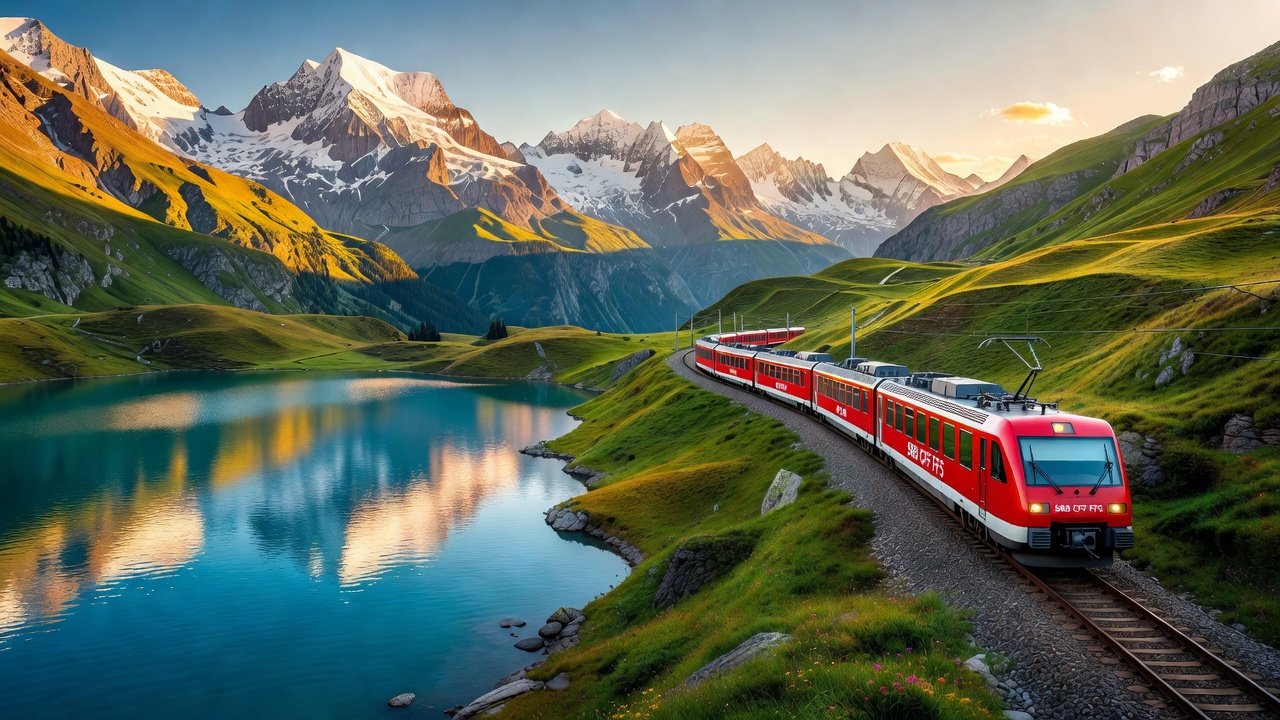
Switzerland delivers an unforgettable mix of towering Alps, serene lakes, and picturesque villages that appeal to first-time visitors craving both adventure and relaxation. This comprehensive 10-day itinerary begins in Geneva and ends in the iconic mountain resort of Zermatt, highlighting scenic rail journeys such as segments of the GoldenPass Line and the world-famous Glacier Express. Tailored for travelers in 2026, the plan weaves together cultural immersion, outdoor pursuits, and downtime while incorporating seasonal considerations like summer wildflower hikes or winter snow activities. First-timers will appreciate the emphasis on efficient public transport and crowd management techniques at popular sites including Lake Geneva shores and Matterhorn viewpoints. Throughout the journey, expect recommendations for authentic Swiss meals, practical transport guidance, and strategies to maximize enjoyment without the typical tourist rush.
Switzerland's rail network stands out for its punctuality and scenic beauty, allowing seamless transitions between regions. Whether exploring Geneva's international atmosphere or soaking in Zermatt's car-free tranquility, this guide supplies detailed daily breakdowns complete with attraction highlights, dining suggestions, and adjustments for weather or peak seasons. By following this structure, visitors can create lasting memories while maintaining a balanced pace that prevents burnout.
Day 1-2: Immersing in Geneva and Lake Geneva
Your adventure launches in Geneva, a vibrant city known for its role in global diplomacy and stunning lakeside setting. On day one, wander the historic Old Town with its cobblestone streets and landmarks like St. Peter's Cathedral, then pause at the Jet d'Eau fountain for iconic photos. Afternoon activities might include a visit to the Jardin Botanique for peaceful walks amid diverse plant species. For evening dining, savor a classic cheese fondue paired with local white wine at a traditional bistro near the waterfront. Transport around the city relies on the reliable tram and bus network, which integrates easily with walking paths along the lake promenade.
Day two shifts focus to Lake Geneva itself with a relaxing boat excursion that reveals panoramic views of the French Alps across the water. Stop at nearby villages like Coppet for a glimpse of historic chateaus before returning to Geneva. Recommended meals include fresh perch from the lake served with seasonal vegetables. To sidestep crowds at the Jet d'Eau, arrive shortly after sunrise when the area remains quieter. Seasonal adjustments prove useful here: spring and fall bring milder temperatures ideal for extended walks, whereas summer may require sun protection and winter calls for warmer layers during boat rides.
Day 3-4: Scenic Rail Journey to Interlaken and the Jungfrau Area
Depart Geneva by train toward Interlaken, passing through rolling countryside and the Swiss capital of Bern en route. This leg showcases the efficiency of Switzerland's rail system, with comfortable carriages offering expansive window views of mountains and valleys. Upon arrival in Interlaken, settle into a central hotel and explore the twin lakes of Thun and Brienz that frame the town. Day three activities center on a cable car ascent to Harder Kulm for sweeping vistas and a mountaintop restaurant serving hearty Swiss dishes like rösti with eggs.
Day four ventures deeper into the Jungfrau region via the famous Jungfrau Railway, often called the Top of Europe. At the summit station, visitors encounter the Ice Palace carved from glacier ice and outdoor platforms with breathtaking 360-degree panoramas. Pack a picnic of local cheeses and bread for lunch on the mountain, or opt for on-site dining with alpine specialties. Transport tips include validating your rail pass before boarding and checking for any maintenance schedules in advance. Crowd avoidance works best by selecting the first morning train out of Interlaken and exploring side trails instead of main viewpoints. In 2026 summer months, wildflower meadows enhance the scenery, while winter transforms the area into a ski paradise with groomed slopes suitable for various skill levels.
Day 5-6: Central Switzerland and Lucerne Highlights
Continue eastward by train to Lucerne, a city renowned for its medieval heritage and lake setting. Day five begins with a stroll across the Chapel Bridge, one of Europe's oldest covered wooden bridges adorned with historic paintings. Follow this with a visit to the Lion Monument commemorating Swiss guards, then enjoy a lakeside lunch featuring fresh fish preparations. Afternoon options include a cogwheel train ride up Mount Pilatus for hiking opportunities or simply relaxing by the water.
On day six, explore the surrounding countryside with a boat trip across Lake Lucerne that stops at small villages showcasing traditional Swiss architecture. Meals here might feature veal sausage with mustard and rösti, a comforting regional favorite. Transport remains straightforward thanks to integrated ticketing that covers trains, boats, and cable cars. Practical examples include downloading the official rail app for real-time updates on connections. To minimize crowds at the Chapel Bridge, plan your visit for late afternoon when tour groups have departed. Seasonal notes suggest fall foliage adds vibrant colors to lake views, while summer enables longer daylight for extended explorations.
Day 7-8: Arrival in Zermatt and Matterhorn Experiences
Board the Glacier Express from the Lucerne area to Zermatt, a journey celebrated for its panoramic windows revealing glaciers, gorges, and alpine meadows. This segment exemplifies the romance of Swiss rail travel and provides ample time for photography. Upon reaching Zermatt, a car-free haven at the base of the Matterhorn, check into accommodations and wander the pedestrian-only streets lined with chalets and shops. Day seven focuses on acclimatizing with gentle walks to the Matterhorn Museum, which details the mountain's climbing history.
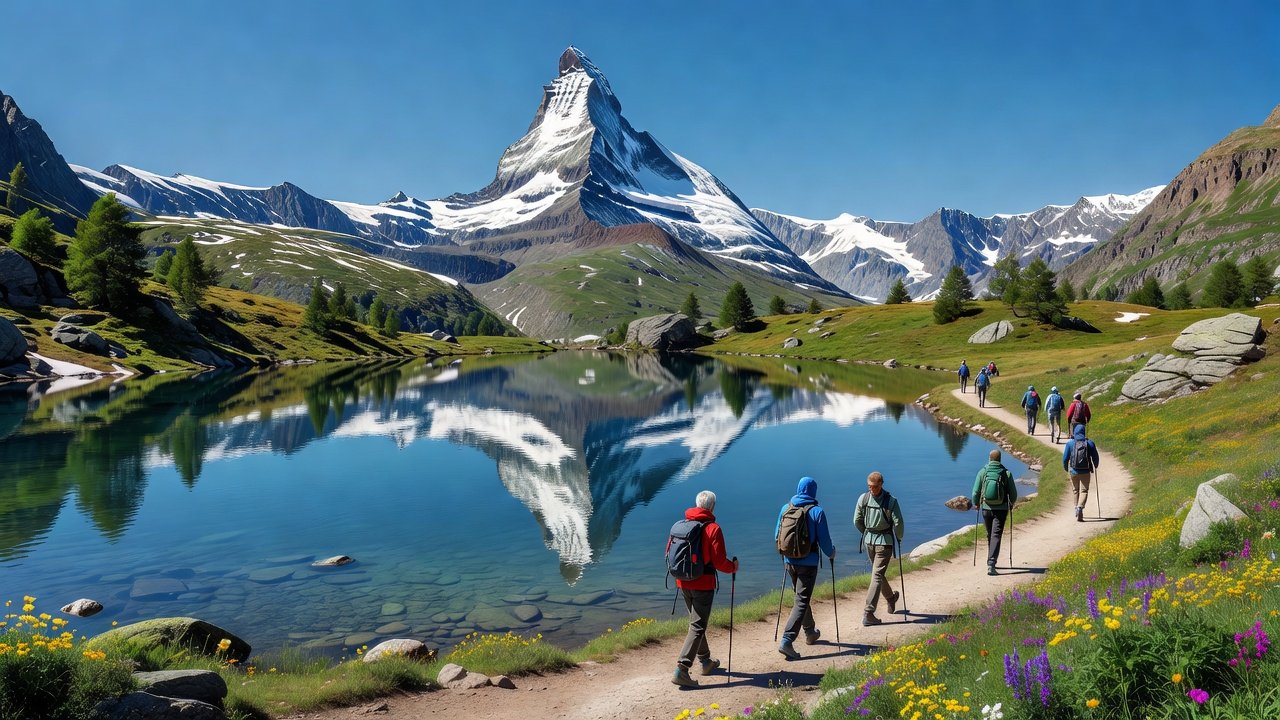
Day eight delivers the highlight: a cable car or cog railway ascent toward Matterhorn viewpoints such as Gornergrat or Sunnegga. Hike well-marked trails offering close-up perspectives of the iconic peak while spotting wildlife like chamois. Dining recommendations lean toward raclette melted tableside or fondue pots shared among friends. Transport within Zermatt uses electric taxis or funiculars, keeping the village pristine. Crowd management involves early starts for summit trains and choosing lesser-trafficked paths. Winter 2026 visitors may enjoy skiing on extensive pistes, whereas summer supports via ferrata adventures and mountain biking.
Day 9-10: Relaxation in Zermatt and Smooth Departure
Day nine emphasizes recovery and reflection with options like a visit to the Zermatt spa facilities or a leisurely hike to a nearby lake for reflection time. Sample final Swiss meals such as air-dried beef and local wines before preparing luggage. On the last day, depart Zermatt via train connections back to Geneva or onward to Zurich airport, allowing buffer time for any delays.
Comprehensive Packing List for Varied Swiss Conditions
- Versatile layered clothing including base layers, fleece, and waterproof outer shell to handle rapid weather shifts
- Sturdy hiking boots with good ankle support plus comfortable walking shoes for village exploration
- Swiss Travel Pass for seamless multi-day rail and boat access across the country
- Reusable water bottle, energy bars, and a compact daypack for daily excursions
- Universal power adapter, portable charger, and medications for altitude sensitivity
- Sunglasses, sunscreen, and hat for high-altitude sun exposure regardless of season
Transport Guidance and Qualitative Budget Considerations
Switzerland's integrated public transport system, including trains operated by major providers, simplifies navigation between all itinerary stops. Consider purchasing a multi-day pass early to cover extensive rail segments from Geneva through the Alps to Zermatt. This approach supports spontaneous stops at alpine villages without additional ticketing hassles. For first-timers, apps provide live schedules and platform information, reducing stress during transfers.
Budget planning benefits from focusing on mid-range options such as three-star hotels, local eateries, and included rail passes rather than luxury upgrades. Allocate resources toward experiences like mountain excursions while keeping daily meals simple yet authentic. Links to official tourism resources such as MySwitzerland offer current details on passes and packages.
Effective Strategies to Avoid Crowds at Key Locations
Popular destinations fill quickly, so timing proves essential. Arrive at Lake Geneva attractions before 8 AM or after 4 PM for quieter moments. In the Jungfrau region, opt for mid-week visits and explore secondary trails branching from main stations. Zermatt's Matterhorn area sees fewer people on early cable car runs or during shoulder periods like late spring. Real-world examples include joining small guided groups for insider access to less-visited viewpoints while learning local history.
Seasonal Adjustments Across the Itinerary
2026 summer brings extended daylight perfect for hiking and lake swims but may increase trail traffic. Winter transforms routes into snowy wonderlands suited for skiing and cozy indoor dining, though some high passes require weather checks. Spring and autumn deliver milder crowds and blooming or colorful landscapes, ideal for photography enthusiasts seeking balanced conditions.
Expanded FAQ on Trip Extensions and Neighboring Destinations
How can the itinerary extend beyond ten days? Add two extra nights in the Interlaken area for deeper Jungfrau exploration or include a side trip to the Italian-speaking Ticino region. Is combining with nearby countries feasible? Yes, trains connect Zermatt efficiently to Milan in Italy or Geneva to Lyon in France for seamless multi-country adventures. What about traveling with children or seniors? Many routes feature family-friendly discounts and accessible cable cars with scenic stops. How to handle unexpected weather? Build flexibility by reserving refundable train tickets and packing adaptable layers as outlined earlier. Official rail sites like SBB provide updates for planning adjustments.
No comments yet. Be the first!