 PlaceBee
Introduction to Your 2026 Costa Rica Adventure
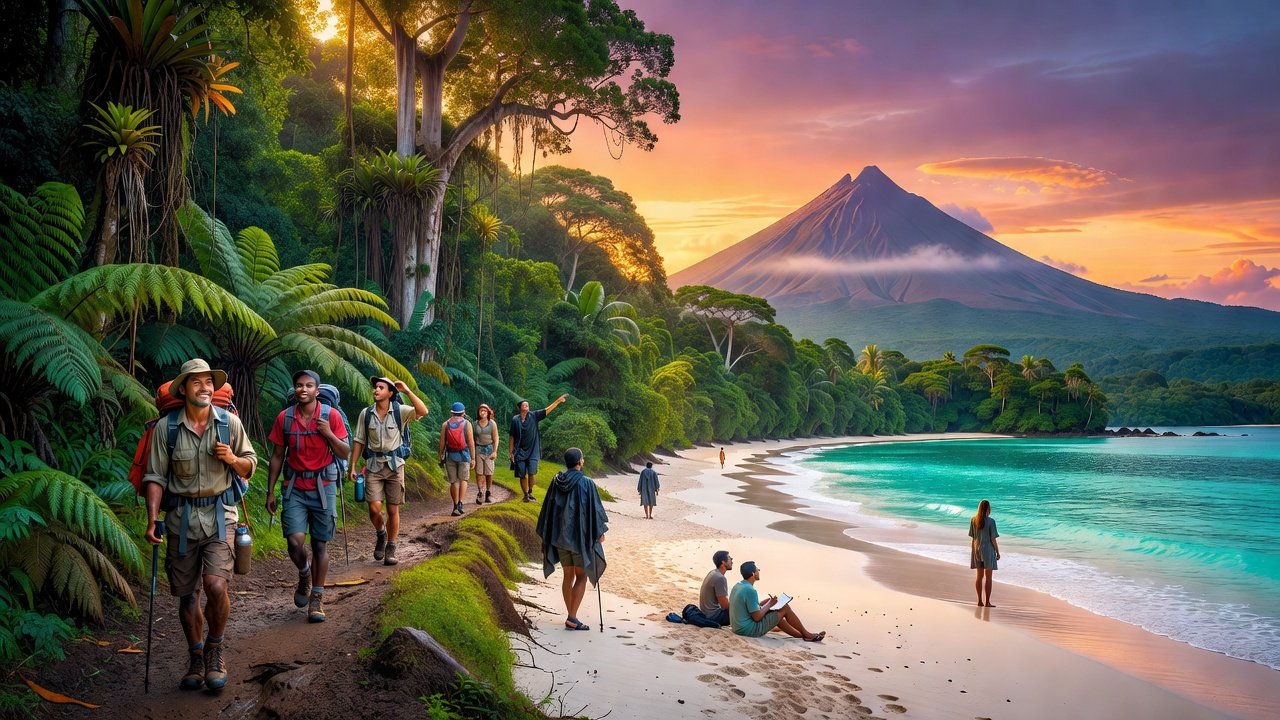
Embarking on a 10-day journey through Costa Rica offers first-time visitors an ideal balance of thrilling adventures and serene relaxation. This itinerary starts in the capital of San Jose before moving to the volcanic landscapes of Arenal, the misty cloud forests of Monteverde, and the pristine beaches of Manuel Antonio. Travelers can expect wildlife encounters, zip-lining thrills, and downtime on golden sands while navigating seasonal weather patterns typical of the dry season in early 2026. Costa Rica stands out for its commitment to preserving over 25 percent of its land as protected areas, creating a haven for biodiversity that includes more than 500,000 species of plants and animals. First-time visitors often find the mix of activities rewarding because it prevents fatigue while maximizing exposure to the country's varied ecosystems. Whether you are drawn to the roar of howler monkeys at dawn or the gentle waves lapping against Manuel Antonio's shores, this plan ensures a seamless progression from urban arrival to rainforest immersion and beach recovery. Practical elements like transport choices and packing strategies are woven throughout to help you avoid common pitfalls such as underestimating travel times between regions.
Days 1-2: Arrival in San Jose and Cultural Orientation
Upon landing at Juan Santamaria International Airport, clear immigration and collect your bags before transferring to a centrally located hotel in the Barrio Amón district. Day one focuses on rest and light exploration to combat jet lag. Stroll through the National Theater for its ornate architecture and then sample street food like empanadas in the nearby markets. On day two, join a half-day guided walking tour that covers key historical sites including the Metropolitan Cathedral and the Gold Museum. This introduction provides context on Costa Rican culture, known as "Pura Vida," which emphasizes a relaxed lifestyle. In the afternoon, prepare for the northern leg by confirming your shuttle booking. Private shuttles offer air-conditioned comfort and bilingual drivers who share insights along the route, typically covering the 130-kilometer distance to Arenal in three to four hours with a scenic stop for lunch.
Days 3-4: Exploring Arenal Volcano and Adventure Activities
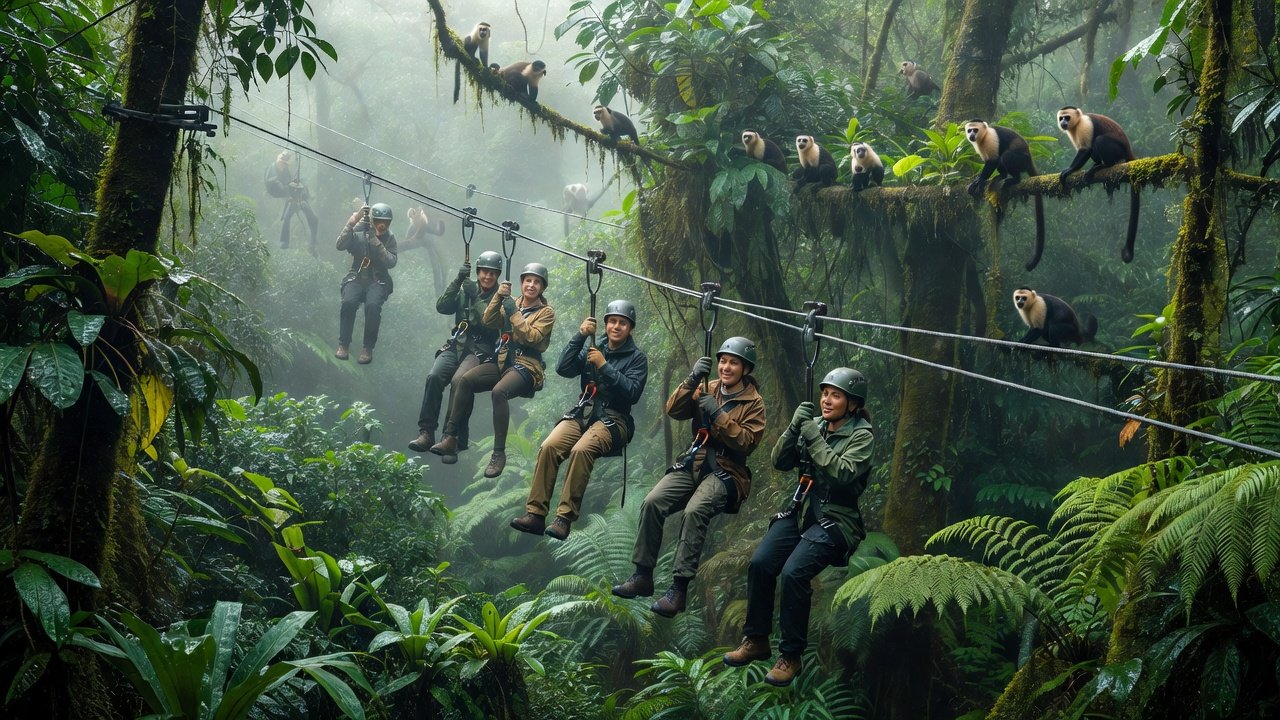
The Arenal region delivers dramatic scenery dominated by the iconic volcano. Begin day three with a guided hike along the 1968 Trail, where lava flows from past eruptions have shaped the terrain into fertile fields. Afternoon zip-lining sessions at a canopy tour operator let you glide above the rainforest at heights up to 200 feet, spotting wildlife such as coatis and toucans mid-flight. Evening brings relaxation in geothermal hot springs, where temperatures range from warm to scalding pools fed by volcanic activity. Day four includes a visit to the Arenal Hanging Bridges for elevated forest walks and a chance to observe three-toed sloths up close. For transport between activities, local taxis or included hotel shuttles work well, while those preferring independence can rent a 4x4 vehicle to handle occasional gravel roads. Wildlife spotting peaks in early morning or late afternoon, so plan accordingly to maximize sightings.
Lonely Planet provides further details on regional trails and safety protocols.
Days 5-6: Monteverde Cloud Forest Immersion
Traveling westward to Monteverde involves a scenic shuttle ride across Lake Arenal, often combined with a boat transfer that adds a unique element to the journey. The cloud forest ecosystem here thrives at elevations around 1,500 meters, creating perpetual mist that supports unique flora like epiphytes and orchids. Day five starts with a morning tour of the Monteverde Cloud Forest Reserve, where narrow trails wind through dense vegetation. Guides highlight medicinal plants and bird species including the resplendent quetzal during peak seasons. In the afternoon, participate in a chocolate-making workshop at a local farm to learn about sustainable cacao production. Day six features a nighttime walk to encounter nocturnal creatures such as glass frogs and kinkajous. Sustainable lodging options here often incorporate solar power and rainwater collection, aligning with broader conservation goals. Mistakes to avoid include wearing bright clothing that startles wildlife; opt for earth tones instead.
Days 7-9: Manuel Antonio National Park and Beach Relaxation
The southern leg to Manuel Antonio combines national park adventures with Pacific coastline downtime. A domestic flight from Monteverde's nearby airstrip to Quepos takes under an hour and offers aerial views of the coastline. Upon arrival, settle into a beachfront eco-lodge. Day seven explores Manuel Antonio National Park with its well-marked trails leading to Playa Espadilla and hidden coves. Expect frequent monkey troop sightings and possible encounters with white-faced capuchins. Day eight focuses on water activities including snorkeling excursions where parrotfish and angelfish populate coral reefs. Kayaking through mangrove channels reveals hidden bird rookeries. Day nine allows flexible beach time with options for stand-up paddleboarding or simply reading under palm trees. Sample meals emphasize fresh ingredients: breakfast might feature tropical smoothies and gallo pinto, while dinners highlight grilled mahi-mahi paired with plantain chips. Local sodas, or small family restaurants, provide authentic flavors at reasonable costs.
Day 10: Departure Preparations and Lasting Memories
Conclude with a relaxed morning walk along Playa Biesanz before a shuttle or flight back to San Jose for international departures. Reflect on the trip's highlights during transit to solidify memories of volcanic vistas and rainforest sounds.
Comprehensive Transport Options
Shuttles remain the most popular choice for first-timers due to reliability and included hotel pickups. Domestic flights via Sansa or Nature Air reduce travel fatigue on longer segments but require advance booking. Public buses offer budget alternatives yet demand more time and flexibility with schedules.
Seasonal Weather Notes for Early 2026
The dry season brings consistent sunshine ideal for hiking and beach days, though brief afternoon rains in Monteverde refresh the forests. Pack layers for temperature drops at higher elevations and monitor forecasts for any shifts in humidity levels.
Detailed Packing List with Practical Examples
- Quick-dry shirts and pants for daily changes after sweaty hikes
- Waterproof hiking boots with good ankle support to navigate muddy trails safely
- Reusable water bottle and reef-safe sunscreen to minimize environmental impact
- Binoculars and a compact field guide for identifying over 850 bird species
- Lightweight rain jacket and quick-dry towel for sudden showers
- Headlamp with red light setting for nighttime wildlife tours without disturbing animals
Budget Considerations and Sustainable Travel Practices
Emphasize value through mid-range stays and local dining rather than imported luxuries. Sustainable practices include choosing operators certified by the Costa Rican Tourism Board and participating in reforestation activities during downtime. Travel.State.Gov outlines current entry requirements for smooth arrivals.
Expanded Sample Meal Recommendations
Focus on balanced nutrition with options like casado plates featuring rice, beans, meat or fish, and salad for lunches. Coastal dinners often incorporate coconut milk curries with fresh seafood, while cloud forest cafes serve organic coffee paired with banana bread. Hydration remains key, so carry electrolyte packets for active days.
Common Mistakes to Avoid
Overpacking heavy items can hinder mobility; stick to versatile layers. Ignoring insect repellent leads to uncomfortable bites, so apply consistently. Booking activities last-minute risks unavailability during peak periods.
Frequently Asked Questions
How can I extend this trip beyond 10 days? Add three days in the Osa Peninsula for Corcovado National Park's remote trails and additional wildlife density.
Is it feasible to combine with nearby countries? Yes, link to Panama via bus from the southern border for a two-week Central American loop. CDC Travel shares updated health advisories for the region.
What if weather disrupts plans? Build buffer days and have indoor alternatives like spa visits ready.
This complete itinerary equips you with the depth needed for a fulfilling Costa Rica experience in 2026.

No comments yet. Be the first!