 PlaceBee
Introduction
Aligning your 2026 vacation with major festivals creates unforgettable immersive experiences that blend vibrant celebrations with cultural discovery. This comprehensive guide delivers practical day-by-day structures for popular events, combining high-energy festival moments with essential logistics such as transport options, accommodation bookings, and contingency planning. Travelers gain region-specific advice tailored to Europe and Asia, including weather adjustments for variable climates and proven crowd management tactics that prevent fatigue while maximizing enjoyment. Beyond standard overviews, the focus remains on unique pairings of festivals with nearby hidden gems, allowing visitors to extend their trips meaningfully without added stress. Whether you seek the lively beer halls of Germany or the traditional processions of Japan, structured planning ensures smooth journeys from arrival to departure. Real-world examples illustrate how to balance structured activities with spontaneous exploration, creating trips that feel both organized and adventurous. By the end of this guide, you will have actionable frameworks to customize your own festival-focused itinerary for 2026.
Selecting Festivals by Region and Season
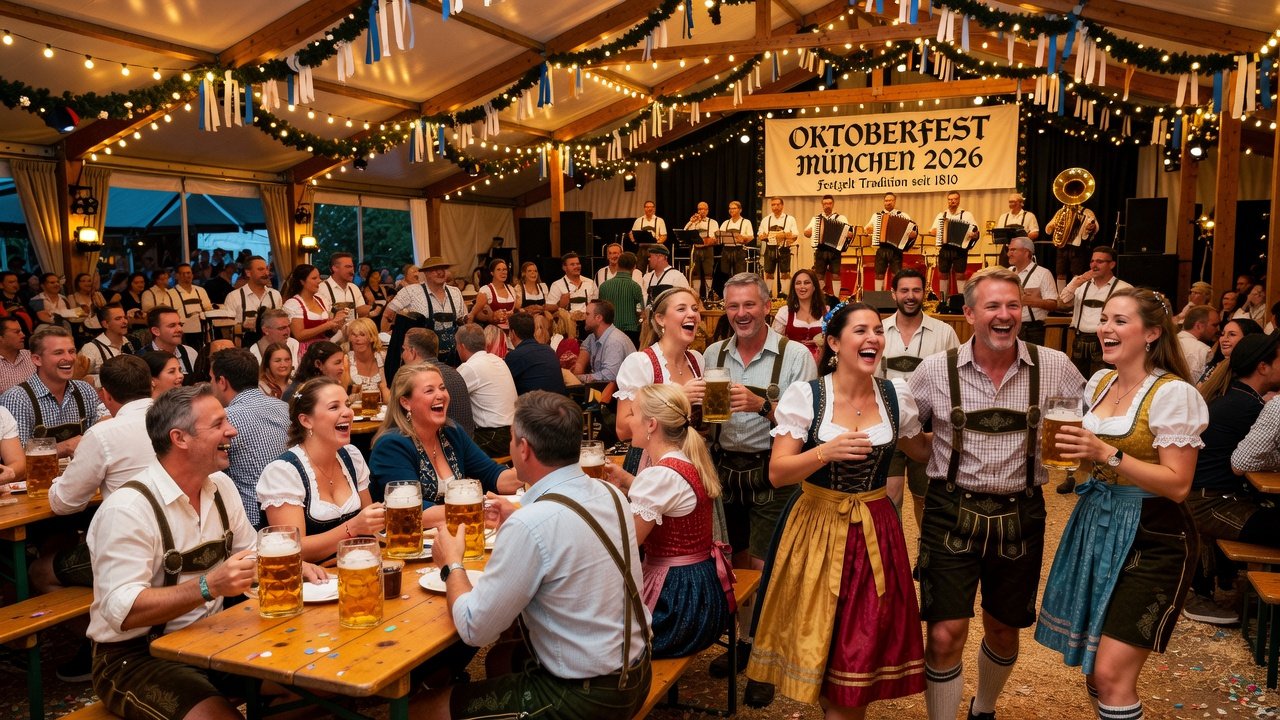
Choosing the right festival begins with aligning your available travel dates to peak seasonal windows across different continents. Europe offers strong autumn options like Oktoberfest in southern Germany, where cooler temperatures enhance the cozy atmosphere of large beer tents. Spring brings elaborate Carnival celebrations in Italian cities, featuring elaborate costumes and masked balls that draw international crowds. In Asia, March and April highlight cherry blossom festivals in Japan, creating picturesque backdrops for cultural performances and street markets. Summer festivals in Southeast Asia add tropical energy with water celebrations and lantern releases. Always cross-check official 2026 calendars from tourism boards to lock in exact dates, as some events shift slightly year to year. Consider flight patterns and local holiday overlaps to secure better availability on trains and hotels. Shoulder periods immediately before or after main festival weeks often provide milder crowds and easier access to popular venues while still capturing the core energy of the event.
Sample 7-10 Day Itinerary for Oktoberfest in Munich
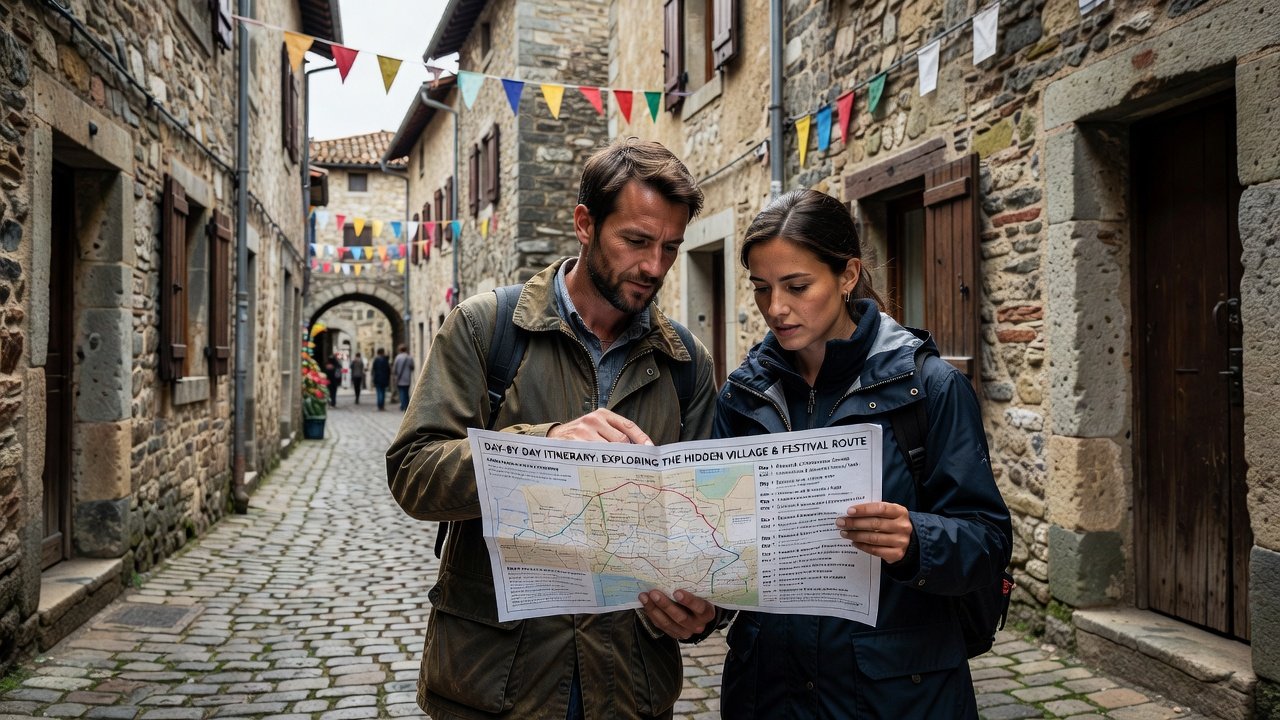
Day 1 involves arrival in Munich followed by easy orientation walks through the historic city center to adjust to time zones and local customs. Day 2 and 3 focus primarily on the festival grounds, starting with early morning entries to secure prime seating before crowds build, then transitioning to traditional Bavarian meals and live music in the evenings. Day 4 introduces a half-day excursion to nearby royal castles for architectural contrast and lighter crowds before returning for festival highlights. Days 5 through 7 alternate between festival participation and quieter city explorations such as museum visits or riverside strolls, using unlimited transit passes for seamless movement. Days 8 to 10 emphasize wind-down activities including brewery tours outside the main grounds and final souvenir shopping. This pacing prevents burnout while delivering full immersion. Hidden gems nearby include the peaceful English Garden extensions and small villages accessible by short train rides, offering authentic local dining experiences away from tourist hubs.
Sample Itinerary for Carnival in Venice
An 8-day Venice Carnival plan begins with arrival and mask workshop participation on days 1 and 2. Midweek days center on parade viewing along the Grand Canal and evening costume events, with built-in rest periods in quieter neighborhoods. The final days incorporate lagoon island visits such as Murano for glass-blowing demonstrations, providing cultural depth and crowd relief. This structure mirrors Oktoberfest pacing but adapts to water-based logistics and historic architecture.
Sample 7-Day Itinerary for Gion Matsuri in Kyoto
For an Asian example, a 7-day Gion Matsuri itinerary in Kyoto starts with arrival and temple visits on day 1. Days 2-4 focus on festival parades and street food stalls, incorporating early morning shrine rituals to avoid peak heat. Days 5-6 blend festival time with day trips to nearby bamboo forests and mountain temples as hidden gems. Day 7 handles departure with relaxed shopping. This plan highlights seasonal summer elements while pairing major events with serene natural escapes.
Weather Adjustments and Crowd Management Strategies
Weather in 2026 festival locations requires proactive monitoring through reliable apps starting two weeks prior. Oktoberfest evenings often turn chilly, necessitating layered jackets and closed-toe shoes for comfort during long walks between tents. Venice Carnival can experience sudden spring showers, so pack compact umbrellas and quick-dry clothing to maintain mobility. Kyoto summers bring humidity and occasional typhoon risks, prompting indoor cultural activities during peak afternoon heat. Crowd management relies on timed reservations, early arrivals at key attractions, and use of public transit during off-peak hours. Download venue-specific apps for live capacity updates and consider mid-week festival days for reduced density. Building buffer time between activities allows recovery and prevents the common mistake of over-scheduling consecutive high-energy days.
Transport and Booking Tips
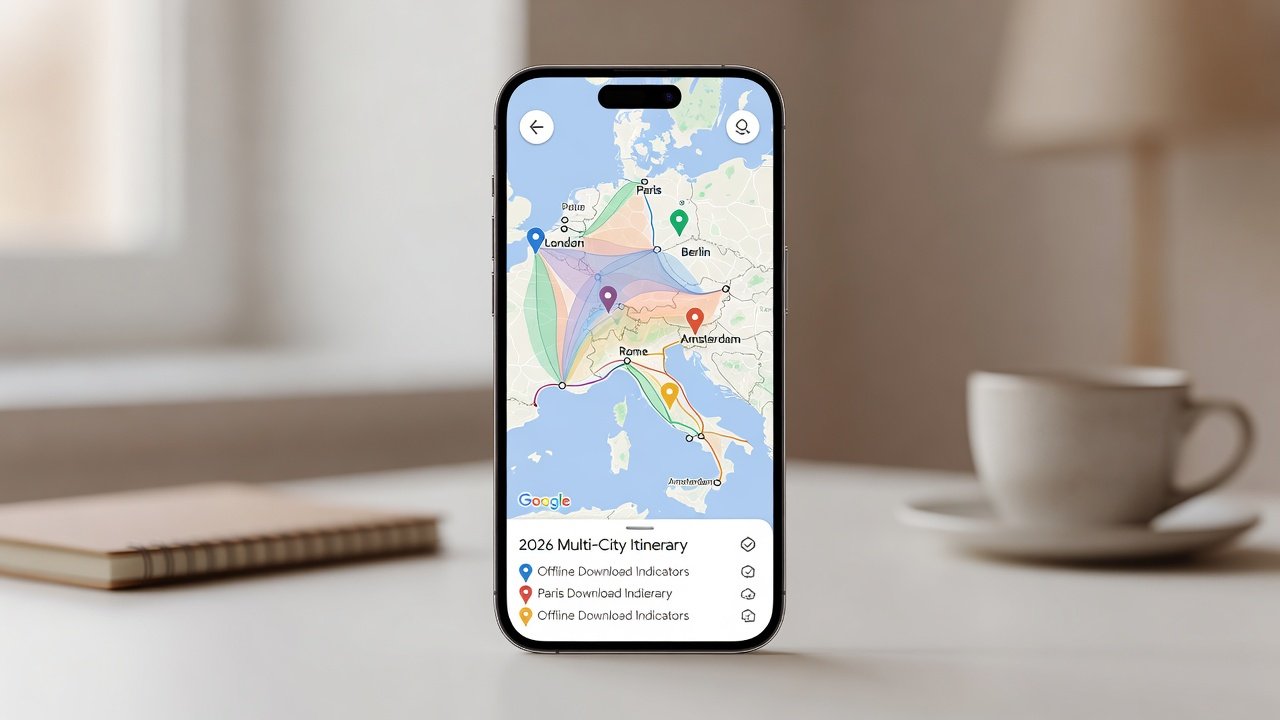
Secure rail passes such as those offered through European networks well in advance for flexible movement between cities. In Asia, domestic flight connections or efficient bullet trains provide similar connectivity. Book accommodations within 20 minutes of festival grounds using trusted platforms to minimize daily commute times. Reserve popular tent seating or parade viewing spots at least three months ahead. Combine festival tickets with nearby attraction passes for bundled savings and convenience. Always confirm cancellation policies in case of weather disruptions.
Real Examples from Europe and Asia
European travelers often extend Oktoberfest with visits to official festival resources for authentic updates, then explore Regensburg's preserved medieval core as a hidden gem. In Asia, Kyoto's Gion Matsuri pairs naturally with day trips outlined on Japan National Tourism Organization pages, leading to quiet mountain shrines that offer peaceful contrast. Venice Carnival benefits from similar extensions to smaller islands, creating balanced itineraries that reduce fatigue. These pairings differentiate festival trips from generic tours by adding layers of local discovery.
Packing Lists for Festival Travel
- Comfortable broken-in walking shoes plus one pair of dressier options for evening events
- Versatile layers including lightweight rain jackets and scarves suitable for both festival grounds and temple visits
- Reusable water bottle, portable battery pack, and universal adapter for international outlets
- Light daypack for carrying essentials without checking bags at venues
- Event-specific items such as traditional accessories for Oktoberfest or comfortable festival attire for Carnival parades
- Personal medications, printed copies of reservations, and offline translation apps pre-downloaded
These items support both high-activity days and relaxed explorations while fitting carry-on limits for most airlines.
Combining Festivals with Hidden Gems
Extending any festival stay by two or three days opens opportunities for authentic local experiences. After main events in Munich, short train rides reach untouched Bavarian hamlets perfect for farm-to-table meals. Venice extensions lead to quiet fishing villages with fewer visitors. Kyoto plans naturally include bamboo groves and rural temples that provide reflective moments. These additions create richer narratives and prevent the sense of rushing through only headline attractions.
FAQ on Costs Versus Benefits
How do festival trips compare in value to standard vacations? They deliver concentrated cultural immersion through unique performances, foods, and community interactions unavailable during ordinary travel periods.
What practical steps reduce overall expenses? Advance reservations for lodging and transport combined with shoulder-season extensions often yield better availability and lower demand pricing.
Are the benefits worth navigating large crowds? Strategic daily planning and hidden gem side trips consistently create space for enjoyment while preserving the excitement of major events.
How far in advance should bookings begin? Major accommodations and event access typically require three to six months of lead time for optimal selection during 2026 peak windows.
What role does flexibility play in success? Building buffer days allows adaptation to weather or unexpected closures without derailing the overall experience.
Conclusion
2026 festival trips reward thorough preparation with lasting memories and deeper cultural connections. Use these expanded day-by-day guides, transport recommendations, and hidden gem pairings to craft personalized journeys that feel complete and rewarding from start to finish.
No comments yet. Be the first!