 PlaceBee
Introduction to Discovering Hidden Gems in 2026
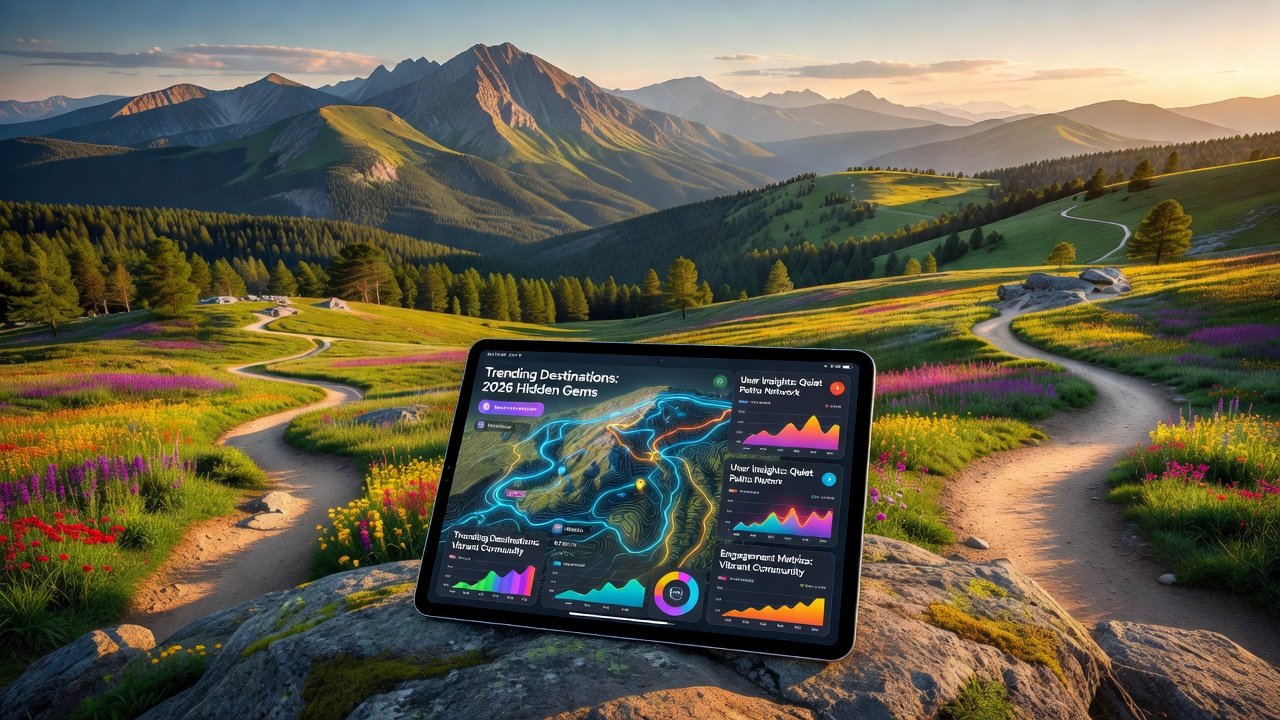
In 2026, travelers increasingly seek authentic experiences away from overcrowded tourist hotspots. Advanced digital tools now harness real-time local data streams and sophisticated social listening features to reveal these hidden gems with precision. This comprehensive comparison examines the leading platforms, emphasizing map integrations, user-generated content analysis, and efficient research methods that align with modern search intent. By mastering these tools, you can develop time-saving workflows that prioritize sustainability and genuine local encounters.
The demand for off-the-beaten-path destinations continues to grow, driven by post-pandemic shifts in travel preferences. Tools that analyze live social signals help identify emerging spots before they appear in mainstream guides. This article provides in-depth coverage, including practical examples and decision frameworks to ensure your explorations remain both rewarding and responsible.
Top Tools Comparison: Features and Capabilities
Leading digital tools in 2026 differentiate themselves through specialized strengths in real-time data processing and social sentiment tracking. Primary platforms include those focused on crowd-sourced mapping, AI-powered listening engines, and hybrid apps combining both. Real-time local data allows users to monitor foot traffic patterns, while social listening scans public posts for mentions of undiscovered locations, events, or seasonal changes.
Map integrations stand out as essential, with overlays displaying verified user photos, reviews, and live alerts. User-generated content analysis employs natural language processing to filter promotional noise and elevate authentic voices from residents. When comparing options, evaluate factors such as data accuracy, privacy controls, offline functionality, and cross-platform compatibility. One tool excels in urban settings with dense social data, while another shines in remote natural areas through satellite-linked updates.
Detailed Pros and Cons Breakdown
- Platform A: Strong in social listening but limited map depth; ideal for city explorers.
- Platform B: Superior real-time data feeds and seamless map sync; best for multi-destination trips.
- Platform C: Advanced analytics for user content; suited for long-term researchers tracking trends over months.
Step-by-Step Setup Guides for Key Tools
Begin with account registration and verification of location permissions on your device. For social listening activation, link relevant profiles and define keyword filters such as local slang or event tags. Enable map integrations by authorizing access to navigation services, then customize alert thresholds for crowd levels below average. Test the setup by running sample queries on known areas to refine accuracy. Repeat for secondary tools, ensuring data exports are configured for personal archives. Advanced users can automate workflows using built-in scripting options or third-party connectors.
Ethical Exploration Practices and Sustainability
Responsible discovery demands careful handling of sensitive location data to avoid overwhelming fragile sites. UNESCO principles highlight the importance of cultural preservation alongside exploration. Always obtain consent implicitly by not geotagging private or protected areas. Cross-reference findings with official local resources to support community-led initiatives rather than commercial overdevelopment. Tools that incorporate sustainability metrics help users choose low-impact routes and businesses. Regular self-audits of your sharing habits ensure contributions remain positive for host destinations.
Time-Saving Workflows for Avoiding Crowds
Establish daily routines such as pre-dawn data reviews to spot overnight changes in visitor patterns. Combine social listening outputs with map visualizations for layered insights. Create tiered alert systems: immediate notifications for sudden spikes, weekly summaries for trend tracking. In practice, a traveler might scan feeds during transit, bookmark promising leads, and cross-verify during downtime. These methods reduce planning time by up to half while increasing the likelihood of exclusive experiences. Document workflows in shared team notes for group trips.
Case Studies: Real-World Examples from Lisbon, Kyoto, and Patagonia
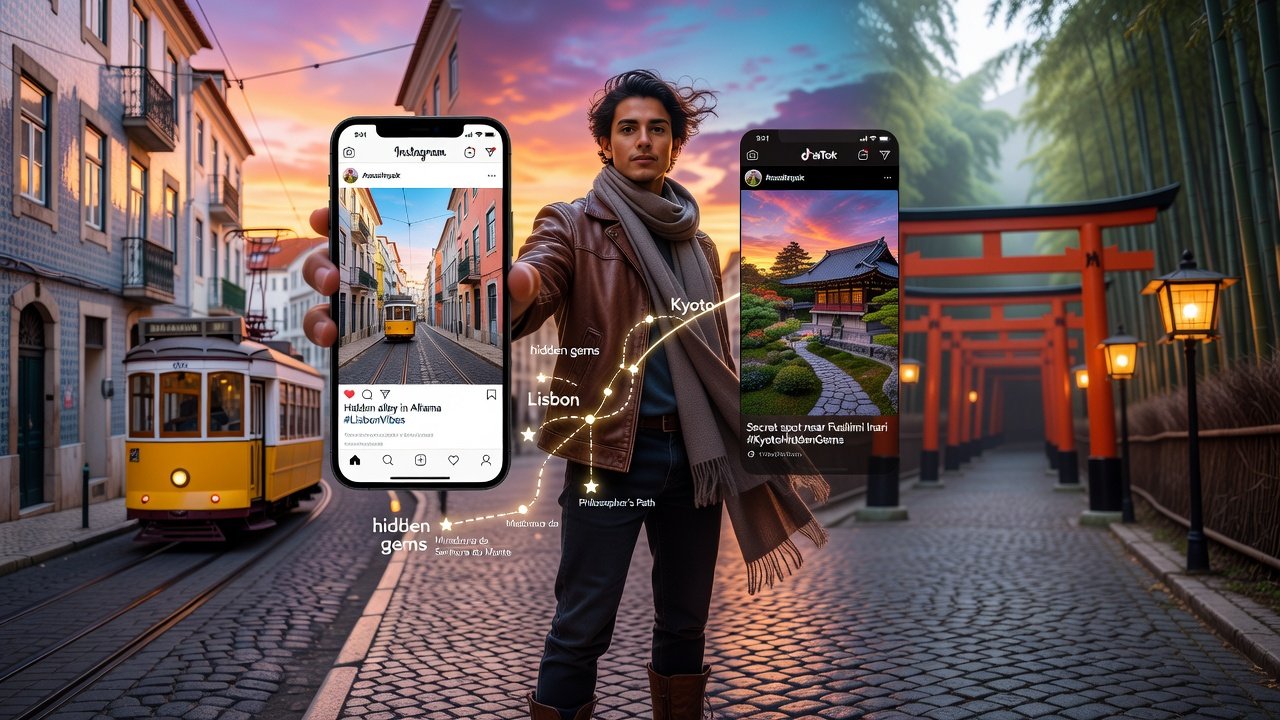
In Lisbon, initial reliance on standard maps led groups to saturated viewpoints. After deploying social listening tools, users identified quiet riverside neighborhoods hosting spontaneous music sessions. Before-and-after comparisons revealed a shift from rushed sightseeing to relaxed, locally guided afternoons with improved cultural immersion.
Kyoto travelers previously clustered at iconic temples during peak hours. Integration of real-time data and content analysis directed them to secluded forest paths and artisan workshops. The result was shorter lines, deeper connections with residents, and photographs capturing untouched seasonal beauty.
Patagonia expeditions transformed through map-enhanced tools that distributed hikers across lesser-known trails. Pre-tool visits concentrated impact on main routes; post-adoption examples showed balanced usage, lower erosion risks, and opportunities for wildlife observation in solitude. National Geographic resources complement these findings with broader regional context.

Practical Checklists, Decision Frameworks, and Mistakes to Avoid
Follow this expanded checklist: confirm all permissions before departure, set location-specific filters, schedule buffer periods for discoveries, review sustainability scores, and log experiences privately first. Decision frameworks weigh tool features against trip type—urban versus wilderness. Common mistakes include over-relying on single data sources, ignoring seasonal variations, or failing to update privacy settings, which can lead to inaccurate or intrusive recommendations. Mitigation involves periodic tool audits and combining digital insights with on-ground intuition.
Advanced Features: App Rankings and Content Analysis
2026 rankings prioritize apps with robust offline caches and predictive modeling based on historical social trends. Deep content analysis breaks down post sentiment, image metadata, and engagement velocity to surface rising gems. Users benefit from comparative dashboards showing side-by-side performance metrics across platforms.
FAQs on Balancing Authenticity with Sustainability
How reliable is real-time local data? Accuracy improves with multiple source verification and community moderation features. What ethical safeguards exist? Leading tools now include opt-in community guidelines and reporting mechanisms for misuse. Can these tools work without constant connectivity? Yes, through downloadable map layers and cached social summaries. How to handle conflicting data points? Prioritize verified local accounts and official overlays. Additional queries cover integration with existing travel apps and long-term trend monitoring for repeat visitors.
Conclusion
Proficient use of 2026's hidden gem discovery tools empowers travelers to craft meaningful journeys grounded in authenticity and care. Through detailed comparisons, setup mastery, ethical frameworks, and proven case applications, you can navigate evolving landscapes with confidence. Implement these strategies to unlock rewarding experiences while safeguarding the places that make travel transformative. Begin refining your approach now to prepare for upcoming adventures.
No comments yet. Be the first!