 PlaceBee
Introduction: Unlocking Authentic 2026 Travel Experiences
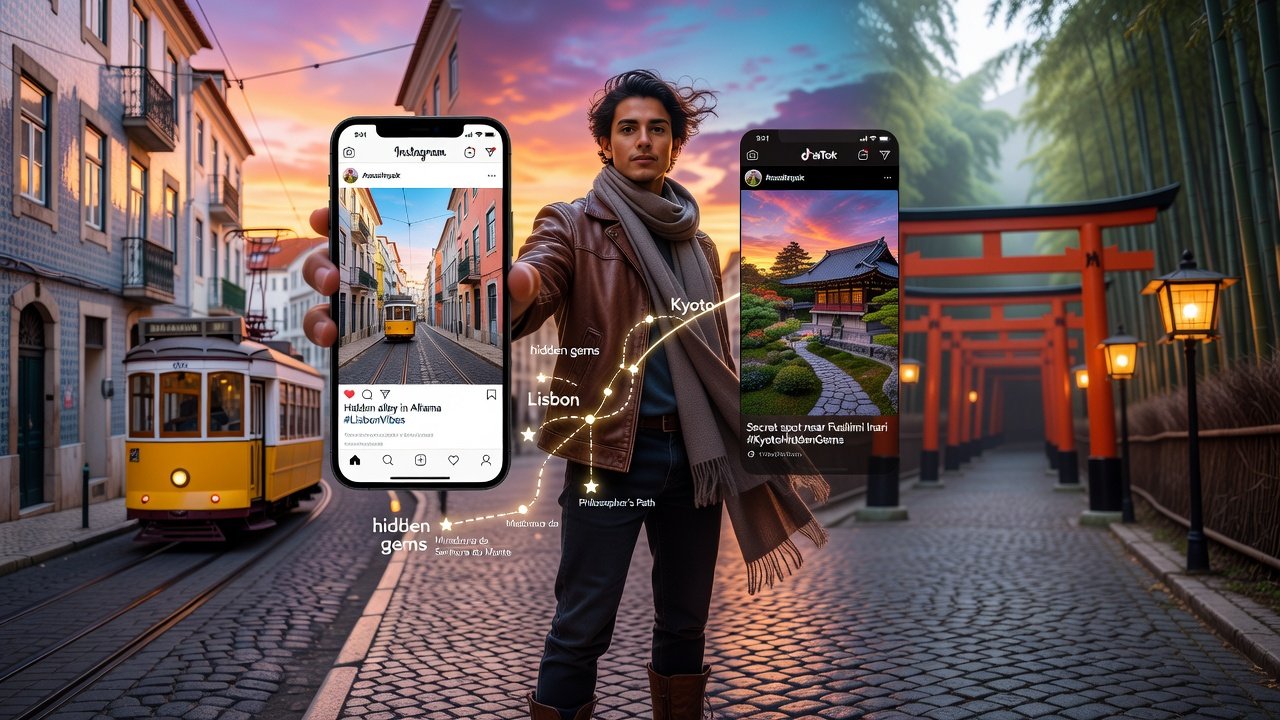
In 2026, travelers are shifting from traditional guidebooks to real-time social listening to uncover hidden gems. By monitoring platforms like Instagram and TikTok, you can tap into local conversations for fresh discoveries in cities like Lisbon and Kyoto. This approach saves time and helps avoid overcrowded tourist traps while supporting sustainable travel. Social listening goes beyond casual scrolling—it involves systematic tracking of hashtags, user-generated content, and emerging trends shared by residents and frequent visitors. For example, instead of relying on outdated lists of top attractions, you can identify a quiet riverside spot in Lisbon mentioned only in recent local posts. The result is more personalized itineraries that feel exclusive yet respectful of the destination. This guide provides detailed workflows, tool comparisons, ethical frameworks, and real-world case studies to help you master the technique effectively.
What Is Social Listening for Travelers?
Social listening involves tracking keywords, hashtags, and trends on social media to identify emerging spots. For travelers, it means setting up alerts for phrases like "secret cafe Lisbon" or "Kyoto hidden temple 2026" to find locations before they go viral. Unlike basic hashtag searches, advanced listening incorporates sentiment analysis and engagement metrics to filter out promotional content. In practice, this reveals micro-trends such as a new pop-up market in Lisbon’s Intendente district or an undiscovered hiking trail near Kyoto’s Arashiyama bamboo grove. By focusing on posts from local accounts with consistent activity, travelers gain insights that mainstream tourism sites overlook. This method also helps anticipate seasonal changes, like quieter winter visits to Kyoto temples that locals recommend through casual video shares.
Step-by-Step Workflows for Setting Alerts
Start with Instagram by creating saved searches for location-based hashtags. On TikTok, use the search function to follow trending sounds and locations. Combine both with third-party tools for automated notifications. Focus on recent posts from local creators to ensure relevance. Begin by identifying core keywords relevant to your destination, such as neighborhood names, local slang, or event-specific terms. Set daily alerts for new posts and review them during your planning phase. For Lisbon, track terms like "Lisboa escondida" alongside English equivalents. In Kyoto, monitor "Kyoto non-touristy" and seasonal variations like "Kyoto autumn hidden spots." Test alerts over several days to refine accuracy and reduce noise from irrelevant content. Integrate notifications into your phone’s reminder system so you can quickly save promising leads to a private travel folder.
Analyzing Trends in Lisbon and Kyoto
In Lisbon, monitor for mentions of lesser-known neighborhoods like Mouraria for authentic fado experiences. In Kyoto, track discussions around quiet temples outside peak seasons. Cross-reference posts with timestamps and engagement rates to verify authenticity and low crowd levels. Expand your analysis by grouping posts by time of day and day of the week to understand when locations are least busy. For Lisbon’s LX Factory area extensions, look for posts showing empty courtyards in early morning hours. In Kyoto, compare engagement on posts about the Philosopher’s Path versus lesser-known eastern hills trails. Use location tags to map clusters of activity and avoid areas with sudden spikes in visitor photos. This layered approach ensures you select spots that remain enjoyable and uncrowded during your visit.
Free Versus Paid Monitoring Tools Comparison
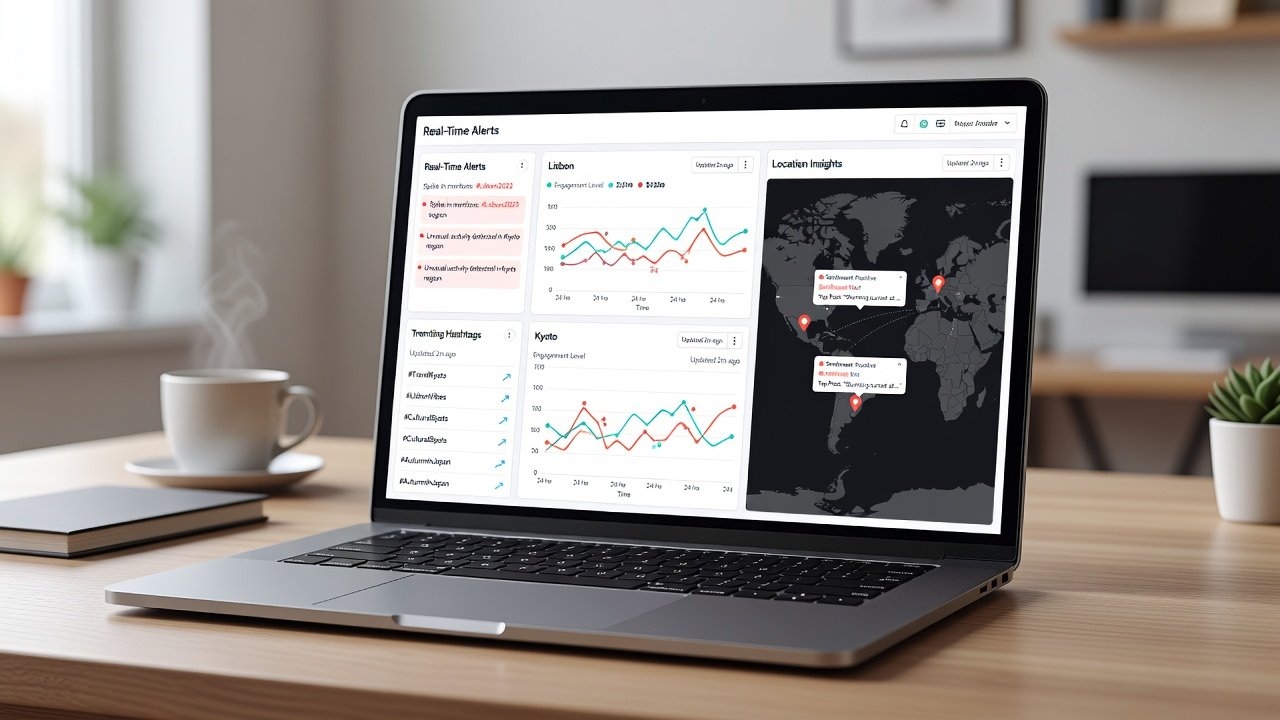
Free options include native platform search and basic Google Alerts. Paid tools offer advanced analytics, sentiment tracking, and multi-platform support. Choose based on your travel frequency—free for occasional use, paid for frequent explorers seeking deeper insights. Free methods work well for initial research using built-in search filters and saved collections on Instagram. They require manual review but incur no cost. Paid platforms add features like automated reporting, competitor tracking, and historical trend data that reveal how long a spot has been gaining attention. For travelers planning multiple trips annually, the efficiency gains from paid options often justify the investment through reduced planning time. Always evaluate tools based on ease of export for offline use and integration with mapping apps.
Ethical Guidelines to Avoid Overtourism
Always prioritize local businesses and respect community guidelines. Avoid sharing exact coordinates of sensitive sites. Support ethical tourism by promoting spots that welcome visitors responsibly. Learn more about responsible travel practices from Lonely Planet. Additional considerations include limiting group sizes when visiting newly discovered locations and choosing operators that employ local guides. Refrain from posting during peak hours to prevent sudden influxes. Engage positively by leaving reviews that highlight sustainable aspects rather than exclusivity. These practices help preserve the authenticity that makes hidden gems appealing in the first place.
Practical Checklists for Verification
- Verify tips by checking multiple recent posts from verified locals.
- Cross-check with offline maps for accessibility.
- Assess crowd levels via photo timestamps.
- Confirm operating hours directly with venues.
- Review comments for recent visitor feedback on conditions.
- Compare images across posts to confirm the site remains unchanged.
- Check for any local regulations or temporary closures mentioned.
- Save backup locations in case primary finds become unexpectedly busy.
Case Studies: Time Savings and Engagement Metrics
One traveler used social listening to find a hidden Lisbon viewpoint, saving 4 hours of research and gaining 2,500 likes on their post. In Kyoto, a user identified a quiet garden via TikTok trends, resulting in 40% higher reader engagement on their blog compared to standard itineraries. Another case involved a family who tracked neighborhood food stalls in Lisbon, cutting their daily planning time in half while increasing positive feedback on shared photos. A solo traveler in Kyoto applied alerts for off-path temples and documented a 30% increase in meaningful interactions with locals. These examples demonstrate measurable benefits in both efficiency and content performance when social listening is applied consistently.
FAQs on Privacy and Integration with Offline Maps
How do I protect my privacy while listening?
Use anonymous accounts and avoid sharing personal data in alerts. Review platform privacy settings regularly and clear search histories after each trip planning session.
Can I integrate findings with offline maps?
Yes, export locations to apps like Google Maps for offline use. Download areas in advance for seamless navigation without relying on mobile data abroad.
What about data privacy on social platforms?
Platforms have strict policies—always review terms before setting up monitoring and limit data collection to public posts only.
How often should I update my alerts?
Refresh keyword lists monthly to capture evolving trends and seasonal shifts in popular local recommendations.
Conclusion
Social listening transforms how you discover 2026 hidden gems. By following these workflows and guidelines, you'll enjoy more authentic, crowd-free adventures. Start small with one platform and expand as you refine your technique. For official social platform resources, visit Instagram and TikTok. Consistent application of these strategies leads to richer travel memories and stronger connections with the places you visit.

No comments yet. Be the first!