 PlaceBee
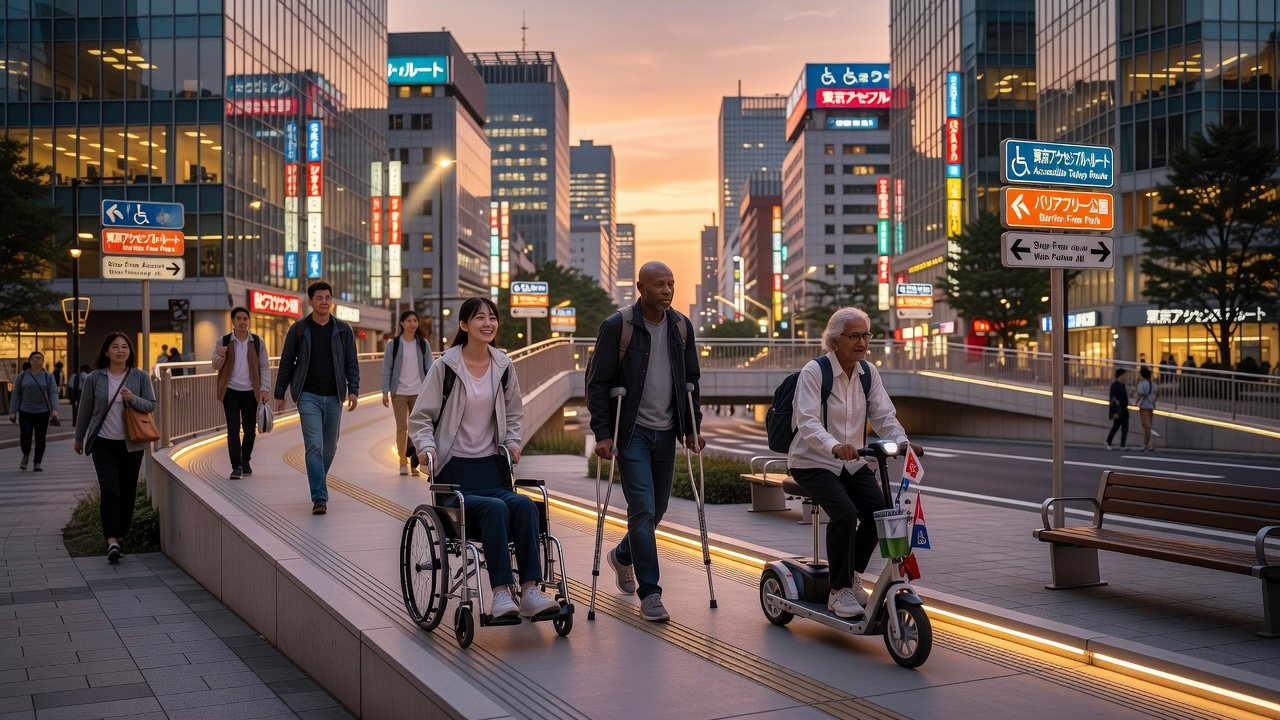
Introduction to Inclusive Adventures in 2026
Travel in 2026 emphasizes accessibility for everyone, regardless of mobility, sensory, or dietary needs. This comprehensive guide delivers advanced pro tips to create seamless, ethical journeys that prioritize inclusion without extra hassle. Whether you are navigating urban centers or remote destinations, understanding these techniques ensures every traveler feels welcomed and supported. Inclusive adventures go beyond basic accommodations by incorporating technology, local insights, and proactive planning to eliminate barriers before they arise.
Understanding Accessibility Needs in Modern Travel
Travelers with diverse requirements benefit from proactive strategies. Mobility challenges often involve wheelchairs, scooters, or limited walking distances, requiring detailed route mapping and venue assessments. Sensory needs include visual impairments addressed through tactile guides or audio descriptions, and hearing impairments supported by visual alerts or sign language services. Dietary restrictions demand careful planning around allergies, cultural preferences, or medical conditions like celiac disease. Ethical travel means supporting local communities, choosing operators with inclusive policies, and avoiding practices that exclude anyone from participation.
Practical Packing Tips for Adaptive Gear
Start with versatile items like foldable canes, portable ramps, and noise-canceling headphones that double as travel essentials. Include adaptive clothing with magnetic closures or Velcro for easy dressing during long flights. Pack medications in clearly labeled, accessible containers with backup supplies and prescriptions in digital and print formats. Bring sensory tools such as braille labels, vibration alerts, or portable magnifying glasses. For mobility users, consider lightweight transfer boards and seat cushions designed for extended sitting. Always verify airline and train policies for mobility aids in advance, and pack a small toolkit for quick repairs on the go. Real-world examples show that travelers who include multi-purpose items like convertible bags reduce luggage weight while maintaining functionality across different climates and activities.
Comparing Inclusive Transit Apps in Tokyo and New York
In Tokyo, apps integrated with the metro system provide real-time accessibility data for elevators, priority seating availability, and step-free routes across JR lines and subways. Features include voice-guided navigation in multiple languages and alerts for crowded cars that might overwhelm sensory-sensitive users. New York’s MTA app offers enhanced voice navigation, real-time elevator status, and step-free route planners tailored for wheelchair users. Both cities excel in multilingual support and integration with ride-sharing services, but Tokyo edges out for seamless connections with bullet trains and buses, while New York provides superior real-time crowd density alerts and integration with ferry schedules. Travelers report that testing these apps during peak hours reveals their true reliability in handling unexpected disruptions like maintenance delays.
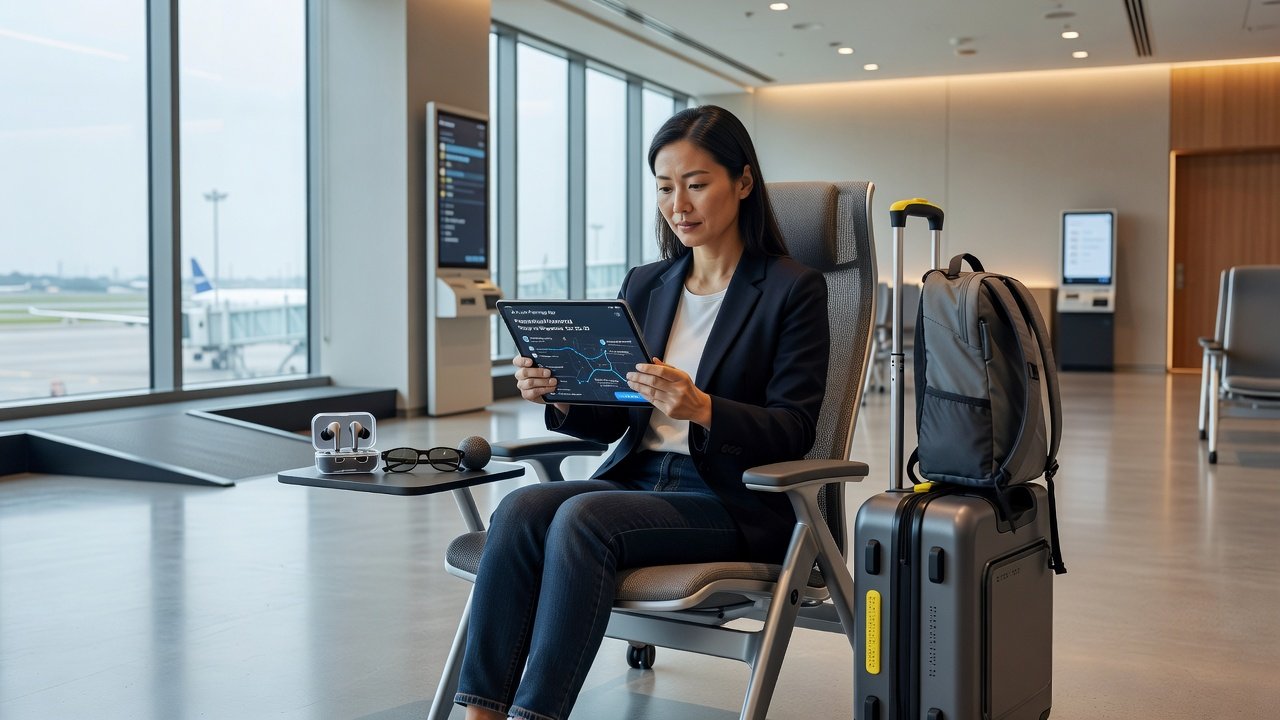
Step-by-Step Planning Strategies Using AI Tools
Begin by inputting your specific needs into AI platforms for customized itineraries that factor in accessibility ratings and dietary filters. Next, cross-reference suggestions with local regulations via digital databases to confirm compliance. Then, simulate routes using virtual previews to identify potential obstacles like narrow pathways or poor lighting. Finally, connect with AI chatbots for on-the-go adjustments during the trip. This layered process reduces planning time significantly while ensuring adherence to accessibility standards. For instance, AI can suggest alternative venues if a primary site lacks ramps, drawing from user reviews and official reports to provide reliable options.
Real-World Case Studies from Europe and Asia-Pacific
A family trip to Barcelona highlighted how ramp-equipped public transport and audio-described museum tours transformed mobility and sensory access for participants with varying needs. In Paris, similar initiatives at major landmarks included tactile models for visual impairment support. In the Asia-Pacific region, Singapore’s sensory-friendly tours at Gardens by the Bay accommodated visual impairments through tactile maps and quiet zones. Sydney’s accessible harbor cruises demonstrate how water transport can be adapted with boarding assistance and dietary menus. These examples from Europe and Asia-Pacific show how local partnerships and technology enhance experiences across continents, turning potential challenges into memorable highlights.
Checklists to Avoid Common Barriers
- Verify venue accessibility ratings and reviews before booking accommodations or attractions.
- Confirm dietary options directly with restaurants and request written ingredient lists in advance.
- Test all navigation apps for offline functionality and battery life during travel.
- Prepare emergency contacts and medical information in multiple accessible formats including audio and large print.
- Review insurance policies specifically for coverage of adaptive equipment damage or loss.
- Research local customs around accessibility to ensure respectful interactions with service providers.
Expert Advice on Regulations and Local Connections
Stay informed through resources from the World Health Organization on inclusive health and travel guidelines that address global standards. Engage local disability advocacy groups for authentic, on-the-ground insights that official sources may overlook. The United Nations provides frameworks on rights for persons with disabilities that influence travel policies worldwide. Building relationships with community guides and operators ensures culturally respectful and truly barrier-free adventures. Additional guidance from the Centers for Disease Control and Prevention helps travelers manage health-related accessibility concerns during international trips.
FAQs on Budgeting for Accessible Luxe Experiences
How can travelers enjoy premium accessible trips without unexpected costs? Focus on bundled services that incorporate adaptive features at standard rates. What regulations prevent extra fees for accessibility? Many regions mandate equal pricing for accommodations and services meeting accessibility requirements. Are AI tools reliable for last-minute changes during travel? Yes, when paired with verified local data sources and cross-checked against official apps. How do I find ethical operators in new destinations? Look for certifications from recognized accessibility organizations and read recent traveler testimonials. What steps ensure dietary needs are met on flights and trains? Pre-order specialized meals and carry certified snacks as backups.
Conclusion
Embracing these 2026 pro travel tips transforms adventures into truly inclusive experiences. By combining smart packing, detailed tech comparisons, AI-driven strategies, real case studies, and strong local connections, every traveler can enjoy ethical, hassle-free journeys across the globe. Start planning your next trip with these hacks to make accessibility a seamless part of the adventure.
No comments yet. Be the first!