 PlaceBee

Introduction to Pet-Friendly Island Escapes in 2026
Traveling with pets opens up a world of adventure, and 2026 promises exciting opportunities on lesser-known islands that welcome both dogs and cats. These destinations stand out for their relaxed visa policies, dedicated pet facilities, and commitment to sustainable tourism that respects local cultures. Whether you prefer Caribbean breezes or Mediterranean charm, planning ahead for ferry rules, flight regulations, and health requirements ensures a smooth journey. Pet travel continues to grow in popularity as more owners seek inclusive vacations where companions can participate in daily explorations rather than staying behind. This approach aligns with high-performing search trends around pet-friendly getaways that balance adventure with responsibility.
Pet owners increasingly seek spots where furry companions can join beach walks, nature hikes, and urban explorations without restrictions. This guide highlights eight hidden gems, compares regions, and provides practical tools like sample itineraries and packing lists to make your trip unforgettable while supporting eco-friendly practices. Emphasis on local culture means engaging with island traditions such as seasonal harvests and artisan markets, all while minimizing environmental impact through low-waste choices.
Top 8 Lesser-Known Pet-Friendly Islands for 2026
Each of these islands offers unique pet amenities alongside visa ease for many nationalities, typically allowing 90-day stays with minimal paperwork. Focus remains on sustainable immersion in local traditions rather than crowded hotspots. These locations were selected for their emerging reputation among responsible travelers who value biodiversity and community-led initiatives.
- Dominica in the Caribbean: Known for its lush rainforests, this island permits dogs and cats on many trails with leashes. Pet-friendly eco-lodges provide crates and water bowls. Sustainable practices include trail maintenance programs that travelers can join, fostering deeper connections with the island's natural heritage.
- Saba: A tiny Dutch Caribbean gem with volcanic hikes; cats and dogs enjoy beach access at specific coves, supported by local vet clinics. Visitors often participate in reef protection workshops, blending pet adventures with conservation education.
- Montserrat: Emerging from volcanic recovery, it welcomes pets on ferries with prior notice and offers cat-friendly gardens at heritage sites. Local culture shines through storytelling sessions where pets are included in shaded outdoor venues.
- Ikaria, Greece: Mediterranean vibes with thermal springs; dogs roam designated paths, and local tavernas often allow well-behaved pets. The island's slow-paced lifestyle encourages nature immersion through olive grove strolls and traditional music evenings.
- Vis, Croatia: Adriatic seclusion for cats exploring olive groves; visa-free for EU stays up to 90 days, with ferry pet cabins. Sustainable fishing tours allow pets on deck while supporting marine life protection efforts.
- El Hierro, Canary Islands: Spain's sustainable outpost where pets join snorkeling tours adapted for animals on shore. Community gardens welcome leashed companions during cultural harvest festivals.
- Santo Antão, Cape Verde: African island charm with mountain trails open to leashed dogs; simple visa on arrival for many. Travelers engage in reforestation projects that double as scenic pet walks.
- Gozo, Malta: Historic temples and cliffs; cats thrive in shaded areas, with pet transport rules easing Mediterranean travel. Ancient site visits include pet rest zones, promoting respectful exploration of local history.
These selections emphasize biodiversity preservation and community involvement, allowing travelers to engage in local festivals and farm-to-table experiences with pets at their side. Each destination maintains strict guidelines to protect wildlife while enhancing visitor experiences.
Caribbean Versus Mediterranean: A Regional Comparison
Choosing between Caribbean and Mediterranean islands depends on climate, flight durations, and pet regulations. Caribbean spots like Dominica excel in year-round warmth ideal for water-loving dogs, with fewer seasonal restrictions on beaches. Mediterranean locations such as Ikaria offer cooler summers perfect for cats sensitive to heat, plus easier connections via European hubs. Caribbean islands often feature more volcanic terrain for adventurous hikes, while Mediterranean ones highlight ancient ruins for cultural strolls. Visa policies favor short-term visits in both, though Mediterranean entry can involve simpler Schengen processes for eligible passports. Pet owners report higher satisfaction in areas with dedicated animal welfare groups, common across these destinations. Additional factors include ferry frequency and availability of specialized pet food stores, which tend to be more accessible in Mediterranean ports but growing in Caribbean locales through sustainable sourcing.
Navigating Ferry, Flight Rules, and Vet Requirements
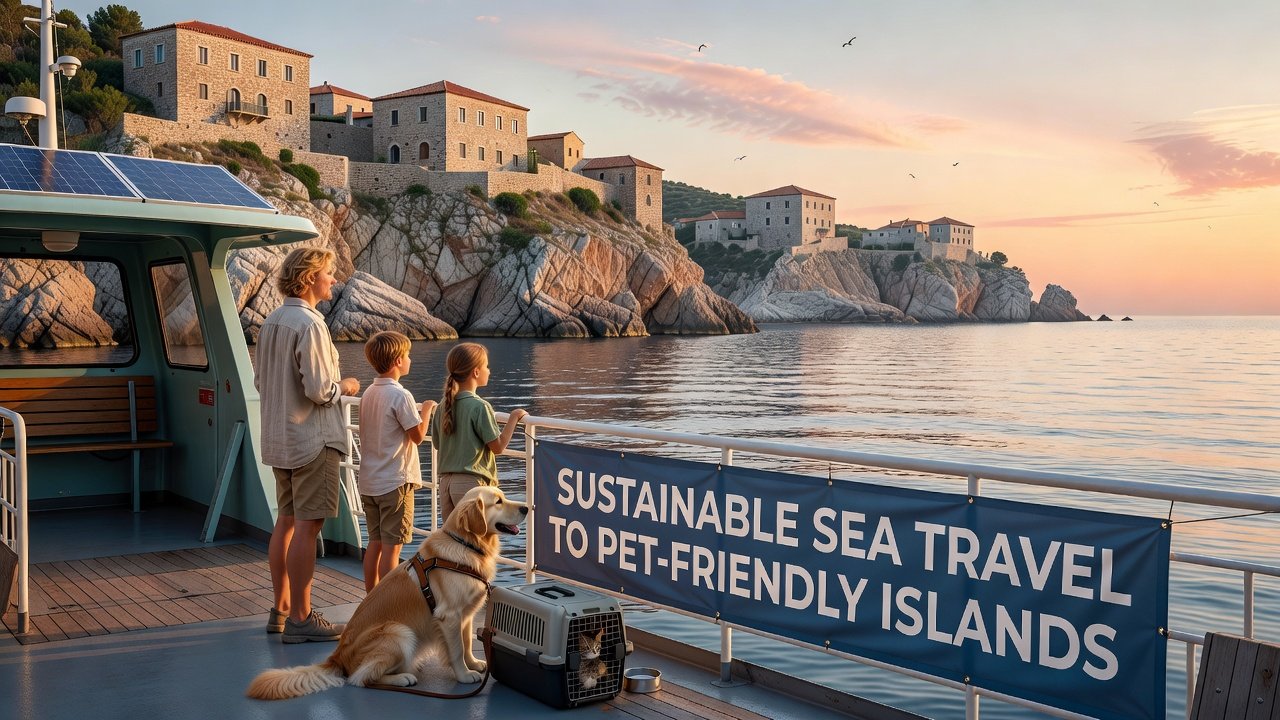
Air travel typically requires microchipping, rabies vaccination, and a health certificate issued within 10 days of departure. Ferries in the Caribbean often mandate advance booking for pet crates, while Mediterranean routes provide ventilated cabins. Always verify with carriers for temperature policies during transit. For international health standards, consult resources from major authorities such as the CDC on importation rules and the WHO for global animal health guidelines. Vet checks focus on parasite prevention and breed-specific rules, such as brachycephalic restrictions on flights. Sustainable packing means choosing reusable carriers to reduce waste. Local culture immersion shines when respecting island customs, like quiet hours in Maltese villages that benefit sensitive pets. Practical examples include preparing documentation in advance for flights to Santo Antão or coordinating with ferry operators in Vis for smooth boarding.
Sample 7-Day Itineraries with Pet-Friendly Lodging
For Dominica: Day 1 arrival and beach acclimation at a coastal eco-lodge with dedicated pet play areas. Days 2-3 rainforest hikes on leashed trails followed by cultural storytelling sessions. Day 4 local market visit to sample sustainable produce. Days 5-6 waterfall swims and community-led cooking classes emphasizing island herbs. Day 7 departure with final vet check if needed. A similar structure applies to Ikaria: Day 1 ferry arrival and thermal spring visit. Days 2-4 mountain paths and olive grove explorations. Day 5 village market immersion. Days 6-7 cliffside walks and local music events. For Vis, focus shifts to coastal paths and historic site visits with shaded rest stops. These itineraries incorporate daily pet wellness breaks and opportunities for cultural exchange.
Seasonal Packing Checklists and Real Traveler Stories
Summer packing includes cooling mats, extra water bowls, and lightweight leashes for Caribbean heat, while winter lists feature rain gear, insulated blankets, and paw protectors for Mediterranean showers. Always include waste bags and portable first-aid kits. One traveler recounted how their golden retriever thrived on Dominica trails, participating in a local reforestation day that strengthened community bonds. Another described their cat's delight exploring Gozo cliffs during a sustainable boat tour, where the animal observed marine life from a safe deck area. A third story highlighted family adventures on El Hierro involving garden visits and heritage walks that blended nature with cultural learning. These experiences underscore the value of preparation and respect for island ecosystems.
FAQs on Health Certificates and Activity Ideas
How do I obtain a health certificate? Consult your vet for an international form detailing vaccinations, microchip details, and fitness to travel, typically valid for a short window before departure.
What activities blend nature and urban strolls? Try leashed park walks followed by waterfront cafes in Vis, or mountain paths leading to village squares in El Hierro. Always prioritize shaded routes, frequent hydration stops, and adherence to local leash laws.
Are there restrictions on specific pet breeds? Some carriers limit brachycephalic animals on flights; check ahead and consider ferry alternatives where possible for safer transit.
How can I ensure sustainable travel? Opt for eco-certified lodges, participate in clean-up events, and support local vendors to minimize your footprint while immersing in culture.
Embracing Sustainable Practices and Local Culture
Choose operators that donate to island conservation and participate in community clean-ups. This approach fosters genuine connections, from learning traditional fishing techniques to tasting regional herbs alongside your pet. Such mindful travel enhances the wanderlust appeal of these 2026 escapes by prioritizing long-term environmental health over short-term convenience. Additional tips include using reusable water containers during hikes and choosing guided tours that educate on native flora and fauna.
In conclusion, these pet-friendly islands deliver dream trips through careful planning and respect for nature. Start your adventure today to create lasting memories with your four-legged companions while contributing positively to the destinations you visit.

No comments yet. Be the first!