 PlaceBee
Introduction to Ski Escapes in 2026
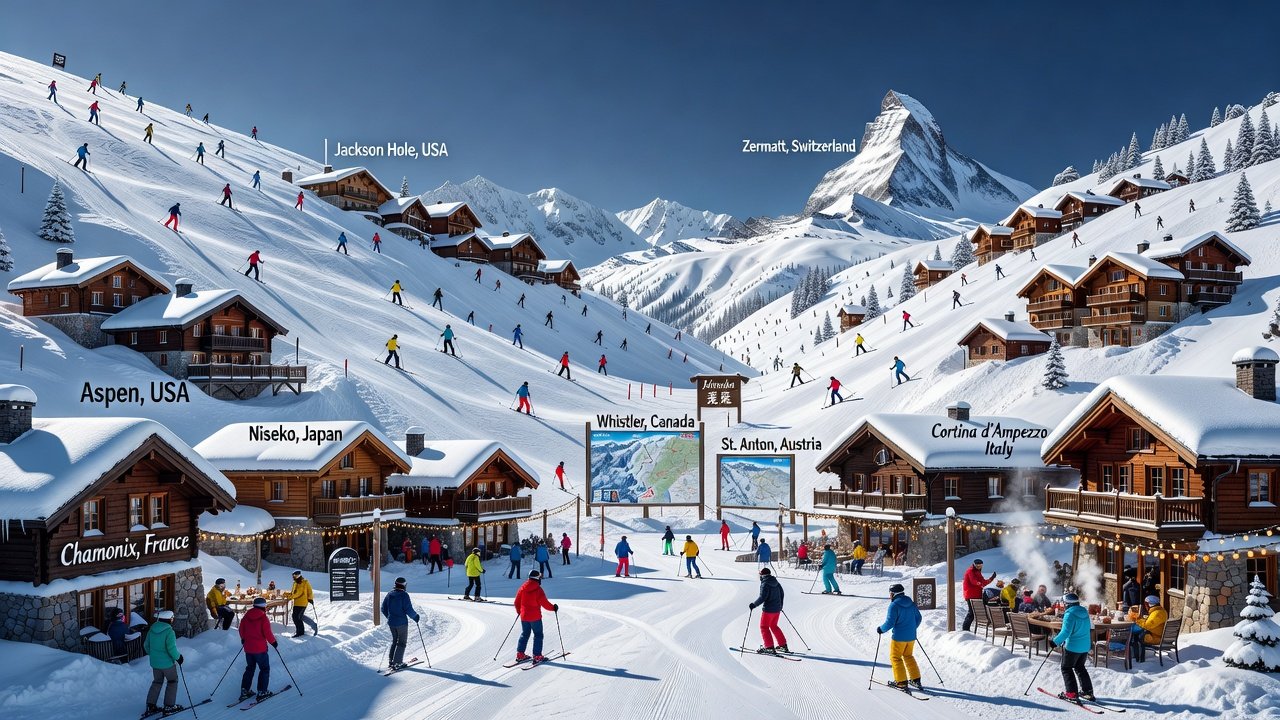
Planning a ski trip in 2026 involves evaluating multiple factors to match personal preferences with the right destination. Snow conditions, resort variety, and après-ski scenes play major roles in creating an unforgettable experience. This comprehensive comparison covers eight premier ski locations across the globe, examining seasonal timing, skill-level suitability, lift ticket considerations, and effective booking strategies. Additional sections provide practical guidance on gear rental, safety protocols, family versus adult options, emerging resorts, sustainable practices, and essential travel tips for international visitors. By exploring these elements in depth, travelers can select destinations that align with their goals, whether seeking thrilling descents, family-friendly environments, or vibrant social scenes after a day on the slopes.
Each destination offers unique advantages shaped by geography, infrastructure, and local culture. From North American powerhouses to European classics and Asian powder havens, the options span diverse experiences. Understanding regional differences helps avoid common pitfalls like mismatched terrain or overcrowded periods. This guide emphasizes real-world examples and decision-making tools to support thorough planning for the upcoming season.
Top 8 Ski Destinations for 2026
1. Aspen, Colorado, USA
Aspen stands out for its reliable snowpack from November through April across four distinct mountains. The area excels in resort variety with groomed runs, terrain parks, and extensive backcountry access. Après-ski thrives in the bustling downtown with live music venues and upscale lounges. Beginners benefit from dedicated learning areas while experts tackle steep chutes on Aspen Mountain. Local examples include guided tours that highlight historic mining trails turned ski routes, adding cultural depth to the adventure.
2. Whistler Blackcomb, Canada
Whistler Blackcomb delivers consistent snowfall from late November to May on its vast interconnected terrain. The resort variety supports all abilities with over 200 runs and high-speed lifts. Après-ski centers around the pedestrian village featuring pubs, restaurants, and events. Intermediate skiers find ideal progression zones, while experts explore glacier terrain. Practical examples include family ski schools that integrate lessons with village exploration for seamless days.
3. Zermatt, Switzerland
Zermatt provides year-round skiing opportunities thanks to the Matterhorn glacier, with peak conditions from December to April. Its extensive resort network includes cross-border runs into Italy. Après-ski offers sophisticated options like mountain huts with fondue and live entertainment. All skill levels are accommodated through progressive trail systems, and examples of off-piste adventures near the Theodul Glacier showcase the area's advanced appeal.
4. Niseko, Japan
Niseko is renowned for light, dry powder from December to March across multiple interconnected resorts. Resort variety includes tree runs and wide bowls suited to various abilities. Après-ski blends Japanese onsen culture with international bars and izakayas. Families appreciate child-focused programs, while examples of multi-day packages demonstrate how visitors combine skiing with cultural excursions for balanced itineraries.
5. Verbier, Switzerland
Verbier features strong snow reliability from December to April in the Four Valleys area. The resort offers challenging variety with off-piste routes and parks. Après-ski pulses with energetic bars and clubs popular among advanced skiers. Skill suitability leans toward intermediates and experts, with examples like guided freeride tours illustrating the terrain's demanding nature and rewards.
6. Banff, Canada
Banff provides pristine snow conditions from November to May within national parks. Resort variety spans Lake Louise and Sunshine Village with scenic vistas. Après-ski remains relaxed with lodge-style gatherings. All levels find suitable runs, and examples include wildlife viewing combined with skiing for immersive nature experiences unique to the region.
7. Cortina d'Ampezzo, Italy
Cortina delivers reliable conditions from December to March amid the dramatic Dolomites. Resort variety features both groomed pistes and freeride zones. Après-ski incorporates charming piazzas with cafes and events. Family options include gentle slopes, while adult scenes offer elegant dining, with examples of combined ski and cultural tours enhancing the Italian alpine experience.
8. Queenstown, New Zealand
Queenstown offers Southern Hemisphere skiing from June to October on Remarkables and Coronet Peak. Emerging resort variety continues to expand with new lifts and trails. Après-ski emphasizes adventure with bungee options alongside traditional pubs. Skill levels range broadly, and examples of summer-to-winter transition packages highlight its growing international draw.
Seasonal Timing and Skill-Level Suitability
Northern Hemisphere resorts generally peak between December and March when snow depths are optimal. Southern locations like Queenstown operate June through October, allowing year-round global travel. Skill-level matching is critical: beginners thrive at Niseko with its forgiving powder and instruction programs, while experts seek Verbier's steep faces or Aspen's expert-only zones. Intermediate skiers enjoy Whistler and Banff for balanced progression. Examples include matching terrain maps to personal ability before booking to prevent frustration on mismatched slopes.
Lift Ticket Costs and Booking Strategies
Lift ticket pricing varies widely by resort prestige and season, with premium destinations commanding higher rates during holidays. Booking strategies emphasize early reservations for accommodations and passes, often through official resort websites or authorized agents. Multi-resort packages can offer flexibility, and monitoring shoulder periods like early December or late March yields better availability. Practical steps include setting alerts for release dates and comparing bundled deals that include lodging to maximize value without last-minute stress.
Decision Matrix for Quick Comparisons
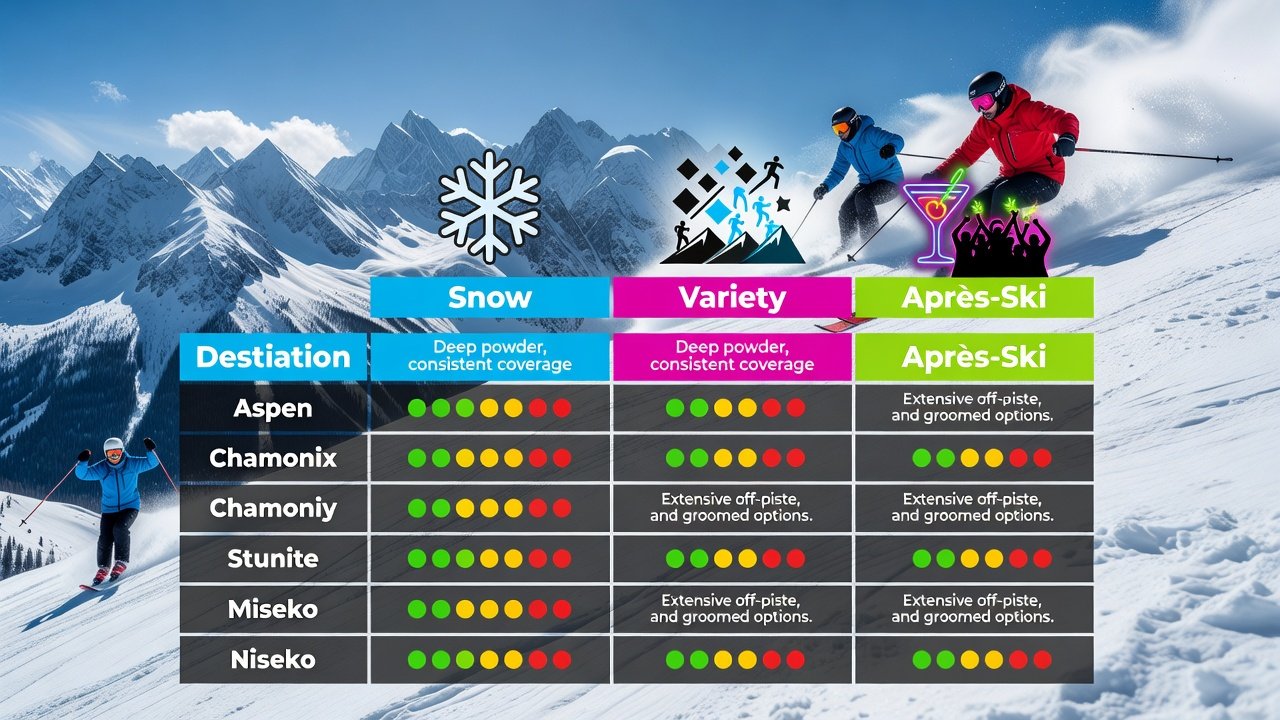
| Destination | Snow Reliability | Resort Variety | Après-Ski | Best For |
|---|---|---|---|---|
| Aspen | High | Excellent | Vibrant | All levels |
| Whistler | High | Outstanding | Lively | Intermediates |
| Zermatt | Excellent | Extensive | Sophisticated | Experts |
| Niseko | Very High | Good | Unique | Families |
| Verbier | High | Excellent | Energetic | Advanced |
| Banff | High | Very Good | Relaxed | Scenic trips |
| Cortina | Good | Good | Charming | Families & Adults |
| Queenstown | Variable | Growing | Adventure | Emerging seekers |
The matrix above allows rapid side-by-side evaluation. Travelers can weigh priorities such as snow consistency against nightlife preferences. For instance, families might prioritize Niseko's high snow rating and family-friendly après, while experts focus on Zermatt's extensive variety.
Gear Rental and Safety Protocols
Gear rental is straightforward at each destination with shops offering skis, boots, and helmets tailored to conditions. Practical steps include arriving early for fittings, testing equipment on gentle slopes first, and selecting demo packages for performance upgrades. Safety protocols start with checking daily avalanche forecasts and trail reports via resort apps. Always wear helmets and consider avalanche transceivers in backcountry areas. Examples of safety training include on-site workshops at Whistler that teach self-rescue techniques, reducing risks for all participants. International visitors benefit from reviewing altitude acclimatization advice to prevent common issues like fatigue.
Family Versus Adult Options
Family-oriented resorts such as Niseko and Cortina provide kids' ski schools, child care, and easy-access runs that keep groups together. Adult-focused experiences in Verbier and Aspen center on challenging terrain paired with sophisticated evening entertainment. Many locations blend both through zoned areas, allowing mixed groups to split by day and reunite for meals. Comparisons reveal that Banff excels for scenic family outings while Queenstown adds adventure elements appealing to adult thrill-seekers. Choosing based on group composition ensures enjoyment for everyone involved.
Emerging Resorts Gaining Traction
Emerging destinations in Georgia's Caucasus region and Romania's Carpathian Mountains are attracting attention due to improving facilities and lower crowds. These areas offer growing resort variety with fresh powder and developing après scenes. Examples include new lift installations that expand accessible terrain, making them viable alternatives to established spots. Travelers seeking unique experiences without peak-season congestion find these locations increasingly compelling for 2026 trips.
Sustainable Practices in Ski Travel
Sustainable choices include selecting resorts with renewable energy initiatives and waste reduction programs. Practical actions involve using public shuttles instead of private transfers and supporting eco-certified operators. Examples of positive impact include tree-planting partnerships at several North American resorts that offset visitor footprints. Further insights are available via UNEP sustainable tourism resources, which detail global efforts to preserve mountain environments for future seasons.
Travel Tips for International Visitors
- Verify passport validity and visa needs at least three months prior to departure.
- Pack versatile layers including moisture-wicking base items and waterproof shells for changing mountain weather.
- Research local customs and basic phrases to enhance interactions at resorts and villages.
- Download offline maps and translation apps to navigate unfamiliar areas confidently.
- Secure comprehensive insurance that explicitly covers winter sports injuries and equipment loss.
- Monitor currency exchange rates and consider prepaid cards for resort purchases to manage expenses smoothly.
- Plan buffer days around flights to account for weather delays common in alpine regions.
Mistakes to Avoid When Planning
Common errors include underestimating travel time between resorts or ignoring peak holiday surcharges. Another pitfall is selecting terrain beyond current skill level without lessons, leading to unsafe situations. Always cross-reference snow reports close to travel dates rather than relying solely on historical averages. Booking without flexibility can result in missed opportunities if conditions shift unexpectedly.
Conclusion
Selecting an ideal ski escape for 2026 requires balancing snow quality, personal skill, and lifestyle preferences across the eight highlighted destinations. The decision matrix and detailed sections equip travelers with actionable insights for gear, safety, and sustainability. Thoughtful preparation transforms a good trip into an exceptional one, creating lasting memories on the slopes.
No comments yet. Be the first!