 PlaceBee
Why 2026 Is the Perfect Year for a Cycling Escape
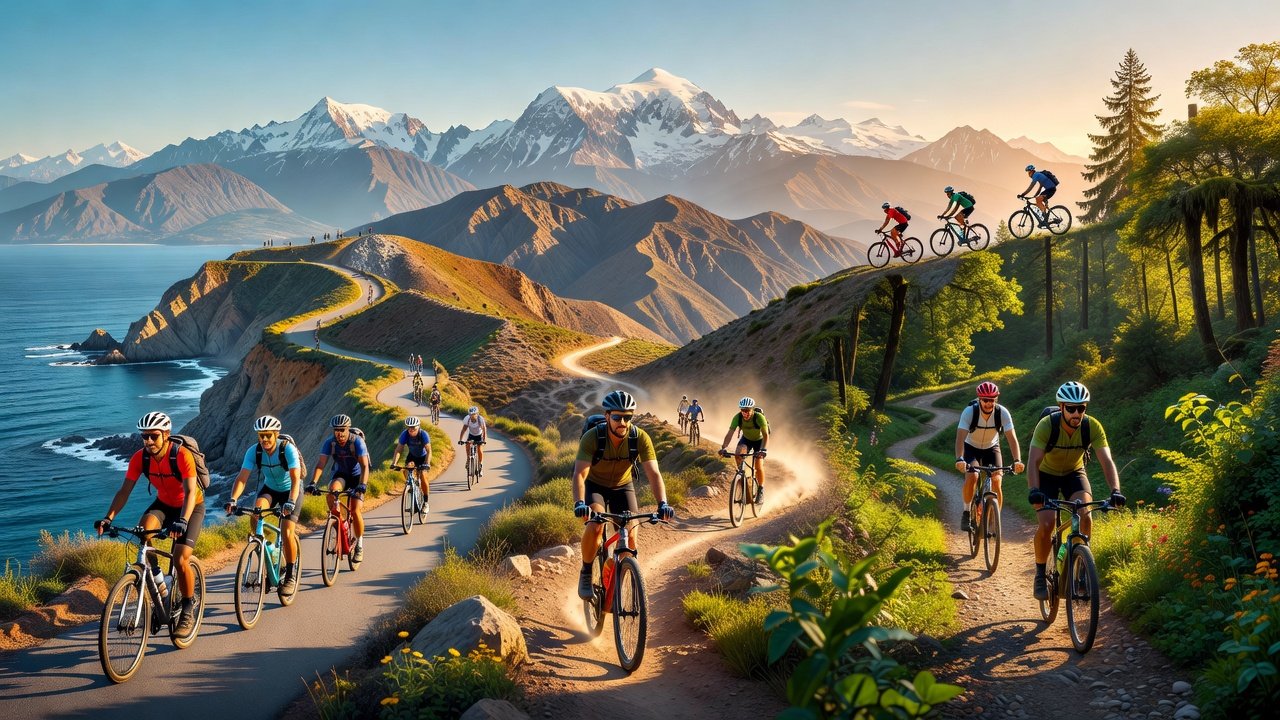
Adventure seekers worldwide are increasingly choosing cycling holidays as a sustainable and immersive way to explore breathtaking landscapes. Whether you crave flat coastal paths ideal for beginners or demanding mountain trails suited to experts, 2026 promises unmatched variety across eight premier global destinations. This comprehensive comparison examines varied terrains from serene shorelines to rugged peaks, optimal riding seasons, route highlights, required skill levels, bike rental logistics, and essential safety measures. Readers will also find practical booking strategies, qualitative cost insights, a detailed decision matrix, eco-friendly travel recommendations, and standout local experiences tied to top destinations and must-see spots. By the end, you will have clear guidance to select and prepare for your perfect 2026 cycling adventure.
Top 8 Cycling Destinations for 2026: In-Depth Comparison
1. Dutch Coast, Netherlands – Accessible Coastal Paths
The Netherlands offers some of the world's flattest and most beginner-friendly cycling terrain along the North Sea. Dedicated cycle paths wind past dunes, beaches, and historic windmills. Peak season spans May through September when temperatures are mild and wildflowers bloom. Key routes include the 40-kilometer coastal trail from Scheveningen to Katwijk, passing iconic landmarks. Bike rentals are available at nearly every train station and town center with options for standard and e-bikes. Safety protocols center on the country's extensive separated bike lanes and strict traffic rules favoring cyclists. A standout local experience involves stopping at cheese farms near Gouda for tastings after your ride. Eco-conscious travelers can support the region's wind-powered infrastructure.
2. Provence, France – Lavender Fields and Rolling Hills
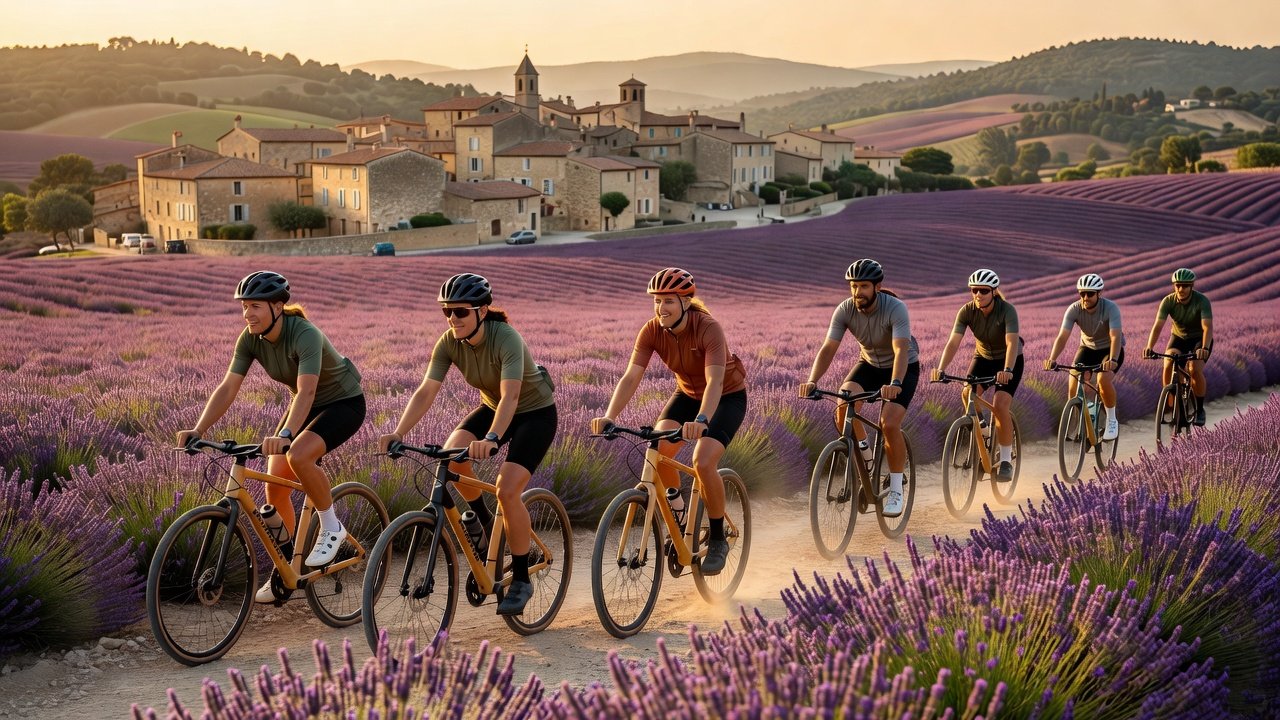
Provence delivers intermediate-level rides through fragrant lavender fields, olive groves, and medieval villages. The best windows are March to June and September to October to avoid summer heat. Popular routes feature the Luberon loop and the ascent to Mont Ventoux viewpoints. Rentals are plentiful through specialized shops in Avignon and Aix-en-Provence. Safety focuses on helmet use and awareness of narrow rural roads shared with occasional vehicles. Combine your trip with visits to local markets for fresh produce and wine tastings. This destination excels for travelers seeking cultural immersion alongside physical activity.
3. Banff National Park, Canada – Epic Mountain Trails
For advanced cyclists, Banff provides thrilling mountain terrain with dramatic alpine scenery. Optimal riding occurs June to August when passes are clear of snow. Highlights include the Bow Valley Parkway and Icefields Parkway segments offering glacier views. Guided rental packages with support vehicles are common. Safety protocols require wildlife awareness training due to bears and other animals, plus proper layering for rapid weather changes. A memorable experience pairs cycling with canoeing on turquoise lakes. The area emphasizes low-impact travel through national park permits.
4. South Island, New Zealand – Diverse Coastal and Alpine Options
New Zealand's South Island mixes flat coastal roads with challenging alpine climbs around Queenstown and the Southern Alps. Peak season runs December to March during the southern summer. The Otago Rail Trail and Around the Mountains Cycle Trail stand out as must-see routes. E-bike rentals are widely accessible, and operators provide detailed maps. Safety includes checking for changing weather and avalanche risks in higher elevations. Eco-friendly practices involve choosing tours that fund trail maintenance. Pair rides with jet boating or wine tasting in nearby vineyards for a balanced itinerary.
5. Andalusia, Spain – Historic Hills and White Villages
Andalusia suits intermediate riders with routes traversing olive groves and hilltop villages between Seville and Granada. Ideal months are March to May and September to November. The White Villages cycle and coastal paths near Malaga offer varied scenery. Rentals are available in major cities with multilingual support. Safety emphasizes hydration and sun protection in the Mediterranean climate. Local highlights include flamenco performances and Moorish architecture tours. This region supports sustainable travel through farm-to-table dining experiences.
6. Hokkaido, Japan – Volcanoes and Pastoral Beauty
Hokkaido features moderate to challenging paths through flower fields, volcanoes, and hot spring towns. July to September provides the best conditions. The Furano and Biei cycling routes deliver unforgettable rural vistas. Rentals at stations include multilingual instructions. Safety training covers earthquake preparedness and road etiquette in rural areas. Standout experiences include onsen soaks after long rides and seafood feasts. Travelers can enhance eco-impact by using public transport connections to trailheads.
7. Tuscany, Italy – Vineyard Landscapes and Hill Towns
Tuscany offers classic intermediate cycling through Chianti vineyards and cypress-lined roads. Prime seasons are April to June and September to October. Routes from Florence to Siena or the Crete Senesi provide iconic views. Abundant rental shops offer high-quality road bikes. Safety includes adherence to helmet laws and caution on winding descents. Combine rides with cooking classes or visits to historic estates. Agritourism stays allow direct support for local sustainable agriculture.
8. California Pacific Coast, USA – Cliffside Ocean Routes
California's coast blends coastal flats with rolling hills along Highway 1 from Big Sur northward. Riding peaks from April to October. Iconic segments pass redwood forests and dramatic cliffs. Rentals in towns like Monterey include accessories. Safety protocols stress fog navigation and cliff-edge awareness. Must-see spots include Point Reyes and Big Sur overlooks. Eco tips include participating in beach cleanups organized by local groups.
Seasonal Riding Peaks and Skill-Level Matching
Understanding seasonal patterns helps avoid crowds and poor weather. Beginners should target shoulder months in flatter regions like the Netherlands or Andalusia. Advanced riders can push limits during summer peaks in mountain areas such as Banff or New Zealand. Always review historical weather data and book flexible tickets.
Bike Rental Options, Safety Protocols, and Practical Preparation
Rental fleets range from basic city bikes to performance e-bikes with insurance options. Verify helmet laws and carry repair kits. National Park Service resources provide excellent pre-trip checklists for protected routes. Group tours often include safety briefings and mechanical support.
Practical Booking Advice and Qualitative Cost Comparisons
Reserve flights, accommodations, and rentals four to six months in advance for peak periods. Shoulder seasons often yield better availability and value. Compare single-destination trips against multi-country packages based on your time and interests. Focus on inclusive operators that bundle rentals and guides for smoother logistics.
Decision Matrix: Selecting Your Ideal 2026 Cycling Trip
Use this matrix to weigh options quickly. Consider your fitness, preferred climate, and interest in cultural add-ons when deciding.
| Destination | Terrain Type | Skill Level | Best Season | Eco Focus | Local Highlight |
|---|---|---|---|---|---|
| Dutch Coast | Flat coastal | Beginner | May-Sep | Wind energy paths | Cheese farm stops |
| Provence | Rolling hills | Intermediate | Mar-Jun | Local markets | Lavender fields |
| Banff | Mountain trails | Advanced | Jun-Aug | Park permits | Alpine lakes |
| South Island NZ | Mixed coastal-alpine | All levels | Dec-Mar | Trail maintenance | Wine regions |
| Andalusia | Hilly historic | Intermediate | Mar-May | Farm-to-table | White villages |
| Hokkaido | Volcanic pastoral | Intermediate+ | Jul-Sep | Forest conservation | Onsen culture |
| Tuscany | Hill country | Intermediate | Apr-Jun | Agritourism | Vineyard tours |
| California Coast | Coastal cliffs | Intermediate | Apr-Oct | Marine cleanups | Redwood forests |
Eco-Friendly Travel Tips and Standout Local Experiences
Minimize your footprint by packing reusable items, selecting carbon-offset operators, and staying at eco-certified lodges. Support community initiatives like trail restoration projects. UN Environment Programme guidance underscores cycling's low environmental impact when practiced responsibly. Must-see spots become more meaningful through interactions such as village festivals or guided nature walks.
Common Mistakes to Avoid When Planning 2026 Cycling Trips
- Underestimating weather variability—always pack layers and check forecasts daily.
- Skipping pre-trip fitness assessments—build base mileage gradually over three months.
- Ignoring local regulations—research helmet and trail access rules in advance.
- Overpacking—choose lightweight, versatile gear to maintain comfort on long days.
- Neglecting cultural etiquette—learn basic phrases and respect rural communities.
Conclusion: Your 2026 Cycling Adventure Awaits
With careful planning around terrain, season, and sustainability, any of these eight destinations can deliver an unforgettable experience. Start by matching your skill level to the decision matrix, then incorporate eco-practices and local immersions for deeper connections. Safe travels and happy pedaling.
FAQs on Gear, Training, and Combining Cycling with Other Activities
What essential gear should 2026 travelers pack?
Prioritize a well-fitted helmet, padded cycling shorts, a compact repair kit, multi-tool, lights, and weather-resistant layers. Test all items on training rides beforehand.
How far in advance should training begin?
Begin structured training three to four months prior with progressive distance increases, including weekly long rides and hill work matching your chosen destination.
Can cycling trips be combined with other activities?
Absolutely. Many operators offer add-ons such as hiking, kayaking, cooking workshops, or photography tours. Research hybrid packages that align rest days with complementary adventures.
Are there specific training plans for different skill levels?
Beginners should focus on consistent 30-50 km rides twice weekly. Intermediate riders add interval training and 80+ km weekends. Advanced cyclists incorporate elevation gains and recovery protocols.
What are the best ways to stay safe on international routes?
Carry identification, share itineraries with contacts, use GPS apps with offline maps, and join guided groups when exploring remote areas. World Health Organization travel resources recommend updated health checks before departure.
No comments yet. Be the first!