 PlaceBee
Introduction to the World's Top Hiking Destinations in 2026
Adventure enthusiasts searching for the best hiking experiences in 2026 will find this comparison invaluable. It evaluates eight leading global destinations by examining trail difficulties, optimal seasonal peaks, and distinctive landscapes tailored to varying skill levels from beginners to experts. Practical elements such as booking guidance, safety protocols, essential gear lists, and a clear decision matrix simplify selection. Additional coverage of sustainable trail practices, wildlife awareness strategies, and regional cost considerations ensures travelers can plan responsibly. Real-world examples illustrate how different hikers have navigated these routes successfully, helping readers avoid common pitfalls and maximize their adventures.
Overview of the Eight Premier Hiking Havens
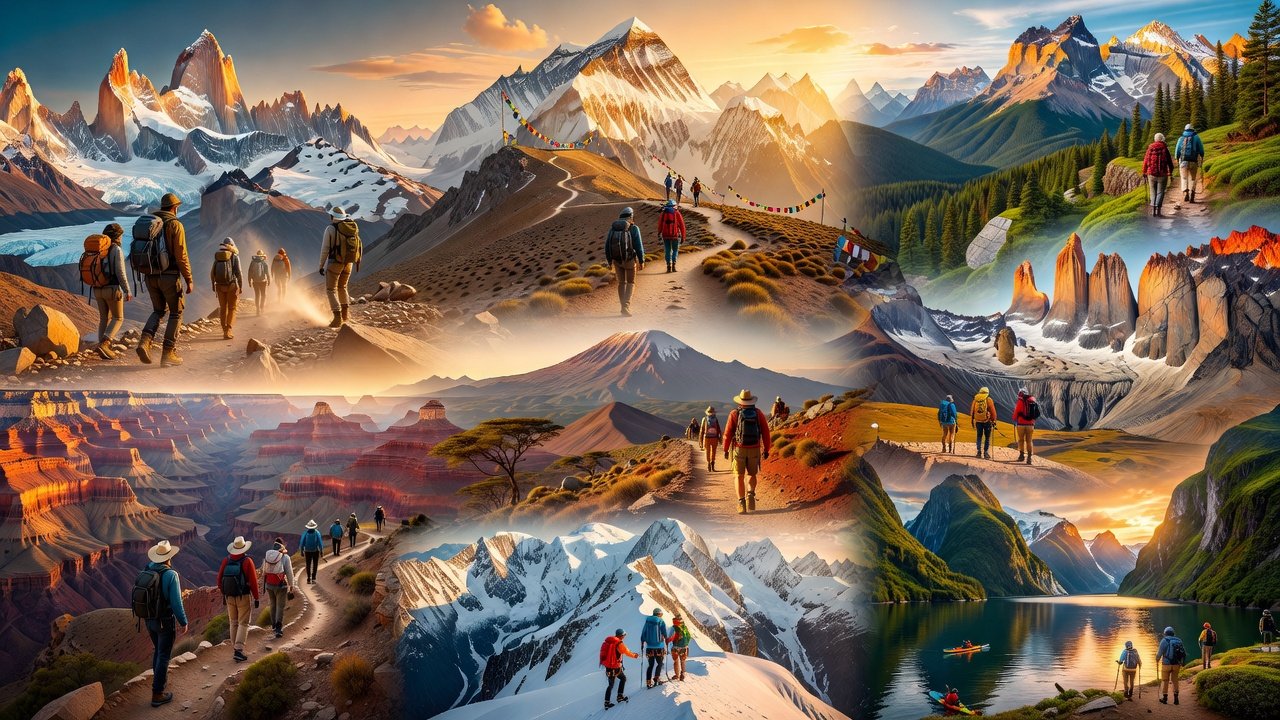
These destinations represent a diverse range of ecosystems and challenges across continents. Patagonia offers dramatic spires and ice fields in South America. Everest Base Camp provides high-altitude Himalayan vistas in Nepal. Banff National Park showcases Canadian Rocky Mountain beauty. Torres del Paine delivers Chilean glacial landscapes. Mount Kilimanjaro stands as Africa's iconic volcanic peak. Grand Canyon National Park features vast American desert canyons. The Swiss Alps deliver alpine meadows and passes. Finally, New Zealand's Milford Track winds through temperate rainforests and fjords. Each location caters to specific preferences in difficulty and scenery while demanding preparation for weather and terrain.
Patagonia: Rugged Wilderness for Intermediate Hikers
The W Trek and full circuit in Patagonia suit intermediate hikers comfortable with multi-day treks. Trails involve moderate elevation gains with rocky paths and river crossings. Peak season spans December through February when daylight hours are longest and wildflowers bloom. Standout features include the granite towers of Torres del Paine and expansive Southern Patagonian Ice Field. Hikers often cite the unpredictable winds as a key challenge, requiring sturdy tents and layered clothing.
Everest Base Camp Trek: High-Altitude Challenge
This Nepal itinerary demands advanced fitness due to altitude and long daily distances. Difficulty escalates from strenuous to expert levels above 4,000 meters. Optimal windows fall in March-May and September-November to avoid monsoon and winter extremes. Landscapes transition from lush valleys to barren high plateaus with views of Everest and surrounding peaks. National Park Service guidance on high-elevation travel offers transferable insights for acclimatization techniques.
Trail Difficulties and Seasonal Peaks Across Regions
Understanding difficulty helps match destinations to ability. Beginner-friendly segments appear in Banff's easy valley walks or Grand Canyon rim paths with gradual slopes. Intermediate options include Patagonia's marked circuits and Milford Track's steady but manageable climbs. Expert routes feature Kilimanjaro's summit push and Everest's technical sections requiring crampons. Seasonal peaks vary: northern summer for Banff and Swiss Alps, southern summer for Patagonia and Torres del Paine, and shoulder seasons for Everest to balance crowds and conditions. Weather variability means checking forecasts daily, as sudden snow or rain can alter plans even in peak months.
Standout Landscapes and Matching Skill Levels
Each haven boasts unique visuals that enhance the hiking experience. Grand Canyon's layered rock formations reward rim-to-rim efforts for intermediates. Swiss Alps offer flower-filled meadows transitioning to snow-capped summits suitable for mixed groups. Milford Track's mirror-like lakes and dense forests appeal to those seeking serene moderate hikes. Real examples include families completing Banff trails with children while solo experts tackle Kilimanjaro's technical routes after months of training.
Booking Guidance and Practical Planning Steps
Advance reservations are critical for 2026 to secure permits and lodges. Start by researching official park websites six to twelve months prior. For international spots like Everest, join reputable guiding companies for logistics support. Step-by-step: first assess personal fitness with practice hikes, then select dates aligning with seasonal peaks, followed by booking transport and accommodations. Include buffer days for weather delays. Mistakes to avoid include underestimating permit waitlists or ignoring visa requirements for certain countries.
Safety Protocols and Gear Essentials
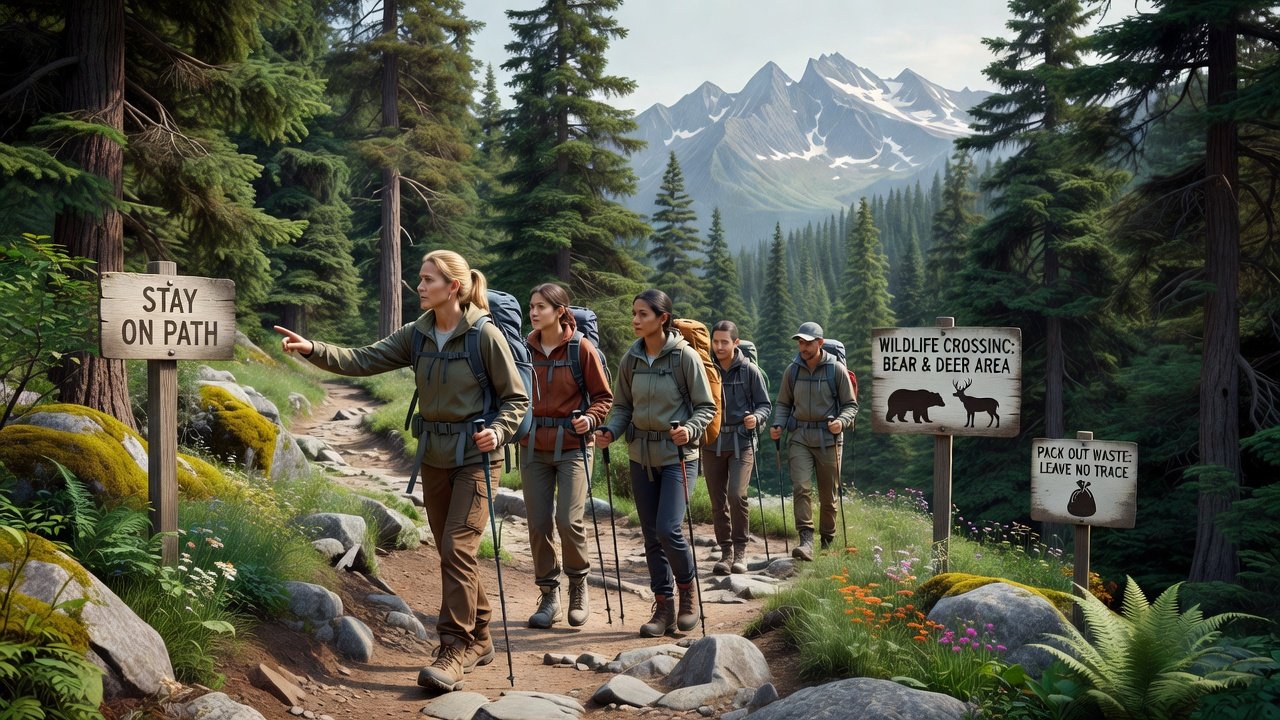
Safety begins with physical preparation and route research. Always hike with partners in remote areas, carry communication devices, and know evacuation procedures. Protocols include monitoring altitude sickness symptoms on high peaks and carrying bear spray where applicable. Essential gear encompasses moisture-wicking base layers, waterproof shells, insulated jackets, trekking poles, headlamps, and multi-day food supplies. Navigation apps and paper maps provide redundancy. Wildlife awareness means storing food properly, keeping distances from animals, and recognizing signs like tracks to prevent encounters. National Geographic travel resources highlight real incidents underscoring the importance of these measures.
Sustainable Trail Practices and Wildlife Awareness
Responsible hiking preserves these havens. Adopt Leave No Trace by packing out all waste, avoiding off-trail shortcuts that cause erosion, and using established campsites. In sensitive areas like UNESCO sites, minimize noise to protect wildlife habitats. UNESCO World Heritage Centre emphasizes community involvement in trail maintenance. Practical examples include group clean-up initiatives in Patagonia that have reduced litter significantly. Wildlife tips involve learning local species behaviors, such as avoiding nesting birds in New Zealand or maintaining space from yaks in Nepal.
Cost Breakdowns Across Regions and Decision Matrix
Regional costs differ qualitatively, with domestic U.S. parks like the Grand Canyon often more accessible than multi-week international expeditions involving flights and guides. Focus on value by choosing shoulder seasons or shared accommodations. The decision matrix simplifies choices: match beginner status to Banff or Grand Canyon rim options for shorter commitments; select intermediate for Patagonia or Milford Track with moderate daily distances; reserve expert status for Everest or Kilimanjaro requiring extensive conditioning. Consider landscape priorities alongside skill, such as alpine views in Switzerland versus volcanic drama in Tanzania.
Expanded FAQs on Permits and Weather Variability
How far in advance should permits be booked for 2026? Popular routes require applications three to nine months ahead, with lotteries for some U.S. parks adding uncertainty.
What weather changes are common and how to prepare? Alpine zones experience rapid shifts from sun to storms within hours, while Himalayan monsoons bring landslides. Always pack versatile layers and check multiple forecast sources.
Are there age or fitness restrictions? Most destinations welcome varied ages with appropriate conditioning, though high-altitude treks recommend medical clearance for those over 50 or with pre-existing conditions.
Can solo travelers join groups easily? Yes, many operators facilitate shared departures, reducing costs and enhancing safety through collective support.
Conclusion
Choosing among these hiking havens for 2026 requires balancing personal goals with practical realities. By applying the detailed comparisons, preparation steps, and responsible practices outlined, adventurers can enjoy transformative experiences while protecting these natural treasures for years ahead. Start planning today to secure your ideal trail.
No comments yet. Be the first!