 PlaceBee

Introduction: Planning Your 2026 Pet Adventure in the Mountains
Traveling with your furry companions opens up a world of unforgettable experiences, especially when heading to scenic mountain escapes. In 2026, pet-friendly tourism continues to grow, with more destinations offering trails, amenities, and policies that welcome dogs and cats. This guide highlights eight lesser-known mountain spots perfect for wanderlust-driven pet owners seeking adventure without leaving companions behind. Whether you are a seasoned traveler or planning your first multi-day trip with pets, these locations provide the right balance of challenge, comfort, and companionship.
Mountain environments offer fresh air, diverse trails, and opportunities for bonding that urban settings simply cannot match. However, successful pet travel demands thorough preparation, from understanding entry requirements to selecting appropriate gear. This article goes beyond surface-level suggestions by delivering concrete examples, decision frameworks, and real-world insights gathered from frequent pet travelers. By the end, you will have everything needed to craft a personalized itinerary that prioritizes both human enjoyment and animal welfare.
Visa and Airline Rules for Traveling with Pets
International pet travel requires careful preparation. Most countries mandate health certificates, rabies vaccinations, and microchipping. For European destinations, the EU pet passport system simplifies entry for dogs and cats from approved countries. Always check airline policies in advance, as carriers like major European and Asian airlines have specific crate requirements and seasonal restrictions. For instance, some airlines prohibit pets in cargo during extreme summer heat, while others require temperature-controlled holds.
Resources such as IATA provide standardized guidelines for air transport of pets. In Asia, additional quarantine rules may apply depending on your origin. Start the paperwork process at least 30 days before departure to avoid delays. Another authoritative source is CDC, which outlines import requirements for returning travelers with pets. Always verify breed restrictions, as certain countries limit entry for specific dog types regardless of documentation quality.
8 Lesser-Known Pet-Friendly Mountain Destinations for 2026
These hidden gems stand out for their welcoming policies toward pets alongside stunning trails and amenities. Each offers unique terrain while maintaining accessibility for companion animals.
- Val d'Aosta foothills, Italy: Quiet alpine valleys with dog-friendly hikes through vineyards and forests, plus numerous agriturismi that accept cats in private rooms.
- Julian Alps extensions, Slovenia: Lesser-visited trails near Lake Bohinj featuring shaded paths and lakeside pet rest zones with fresh water stations.
- Picos de Europa, Spain: Mountain routes open to leashed pets, including cave explorations and river walks where local guesthouses provide pet beds and bowls.
- High Tatras border areas, Slovakia: Affordable stays with cat-friendly cabins, offering moderate elevation gains and marked trails suitable for older pets.
- Dolomites side valleys, Italy: Scenic paths with pet supply shops and veterinary clinics nearby, ideal for multi-day treks with frequent water access points.
- Altai Mountains, Kazakhstan: Remote highlands welcoming adventure cats and dogs, with yurt camps that accommodate pets and guided tours allowing leashed exploration.
- Huangshan lesser peaks, China: Misty trails with pet rest areas and cable car options for tired animals, plus nearby villages offering traditional pet-friendly homestays.
- Northern Japanese Alps villages, Japan: Onsen-adjacent spots allowing small pets, featuring ropeway rides and forest bathing paths designed with animal comfort in mind.
Comparing European Alps and Asian Highlands on Accessibility and Costs
European Alps locations generally offer better infrastructure and easier visa processes for Western travelers, with more frequent flights and established pet amenities. Accessibility is higher due to dense rail networks connecting major hubs to trailheads. In contrast, Asian highlands provide unique cultural experiences and often lower overall trip costs, though flights may involve longer layovers and stricter import rules for pets. Both regions excel in scenic hiking, but Alps trails tend to be more groomed while Asian paths offer greater solitude and fewer crowds. When choosing between the two, consider flight duration, language barriers, and the availability of English-speaking veterinarians as key decision factors.
Seasonal Packing Checklists for Pet Mountain Travel
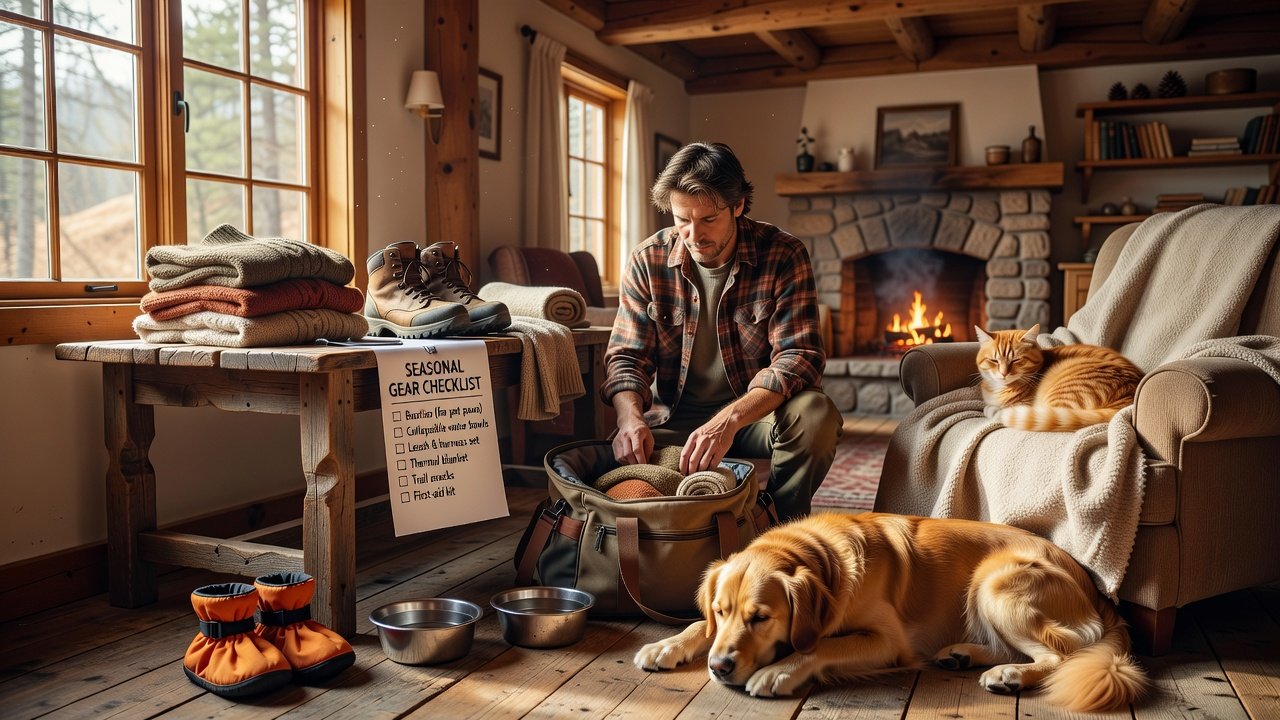
Prepare for variable mountain weather with these essentials. Spring and fall require layered clothing for humans, waterproof booties for pets to protect against mud and rocks, and comprehensive first-aid kits including antiseptic wipes and tweezers for tick removal. Summer demands sun protection such as lightweight cooling vests for dogs, collapsible water bowls, and insect repellents safe for animal use. Winter calls for insulated vests, non-slip paw grips to prevent slipping on ice, and emergency thermal blankets rated for sub-zero conditions. Additional universal items include copies of all vaccination records stored both digitally and in print, favorite toys to reduce anxiety during travel, and waste bags plus portable litter solutions for cats.
Sample Multi-Day Itineraries
A three-day escape in the Julian Alps might begin with arrival and a gentle lakeside acclimation walk on day one, followed by a moderate ridge hike with scheduled pet rest stops on day two, and conclude with village exploration plus local cuisine tasting on day three before departure. In the Altai Mountains, a five-day itinerary could incorporate yurt stays, guided valley treks, and river crossings with pet flotation support. For Huangshan, plan around cable car usage on steeper days while reserving energy for misty forest walks where pets can enjoy cooler temperatures.
Real Traveler Tips for Blending Adventure and Companion Care
Experienced pet travelers recommend scouting off-leash zones in advance through local tourism boards and booking pet-specific lodging early, especially during peak foliage seasons. Carry extra waste bags, portable water filters, and familiarize pets with carrier training weeks before flying to minimize stress. Hydration and frequent breaks prevent fatigue on steep trails. Additional advice includes monitoring altitude sickness symptoms in pets, such as excessive panting or lethargy, and having a backup plan for emergency veterinary care. Many travelers also suggest starting with shorter day hikes before committing to overnight adventures to assess your pet's stamina and comfort level in new environments.
Health and Safety Considerations for Pets in Mountain Terrain
Mountain travel introduces unique risks including altitude changes, temperature swings, and wildlife encounters. Acclimate pets gradually by spending the first night at lower elevations. Carry a basic veterinary kit with medications for motion sickness and allergies. Always research local wildlife such as bears or snakes and keep pets leashed in high-risk zones. Regular paw checks for cuts or debris are essential after each hike.
FAQs on Health Certificates and Off-Leash Areas
How do I obtain a pet health certificate? Consult your vet for an official exam and documentation valid within 10-30 days of travel. Some destinations accept digital versions verified through government portals. Include recent photos of your pet with the certificate for identification purposes.
Are off-leash areas common in these mountains? Many European sites designate specific zones near trailheads, while Asian locations often require leashes in national parks. Always verify local ordinances via park websites before allowing free roaming. Some villages maintain enclosed dog parks adjacent to hiking areas for supervised play.
Conclusion: Start Your Pet-Friendly Journey
These 2026 mountain escapes combine breathtaking views with thoughtful pet policies, making them ideal for meaningful adventures. With proper planning around visas, packing, and itineraries, you and your companions can create lasting memories. Research thoroughly, prioritize animal comfort, and embrace the wanderlust together for a truly rewarding experience.

No comments yet. Be the first!