 PlaceBee
Introduction: Why City-Nature Duos Are the Ultimate 2026 Escape
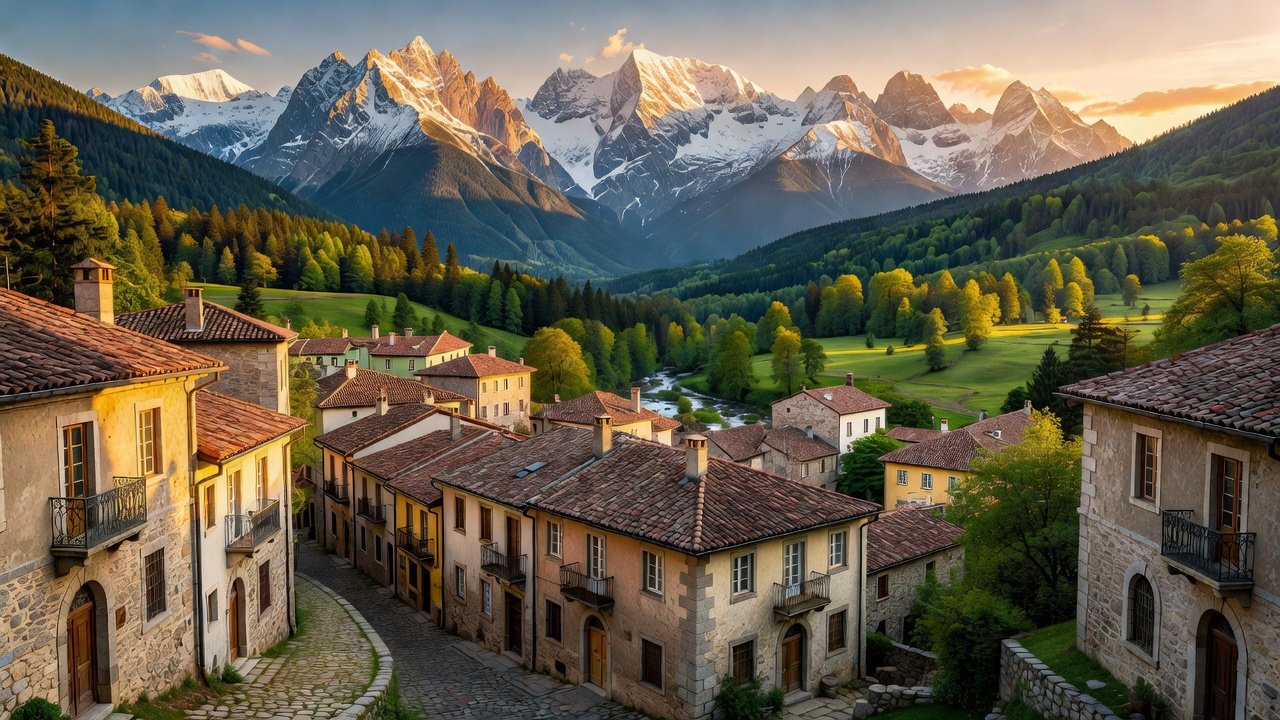
Travelers in 2026 are increasingly seeking hybrid trips that combine vibrant urban culture with pristine wilderness. These pairings deliver maximum inspiration with fewer crowds than traditional hotspots. Lesser-known capitals paired with nearby national parks or alpine regions offer authentic experiences at a fraction of the usual hassle. Instead of battling overtourism in major European hubs, modern explorers are turning to emerging destinations where historic streets flow directly into untouched landscapes. This approach not only reduces environmental impact but also creates deeper personal connections with both local communities and nature.
This guide highlights eight fresh combinations across the Balkans, Caucasus, and Central Asia. Each duo includes practical routing details, seasonal timing recommendations, and packing essentials drawn from recent traveler reports. Whether you crave mountain solitude after exploring street markets or cultural immersion before alpine hikes, these pairings provide balanced itineraries that maximize every day of your journey.
1. Podgorica and Durmitor National Park, Montenegro
Start in compact Podgorica for Balkan markets and Ottoman architecture before heading two hours north into the rugged peaks of Durmitor. Hikers report quiet trails even in shoulder seasons, with opportunities to kayak on the Tara River and spot endemic wildlife. The capital’s emerging café culture provides a relaxed base before the wilderness adventure begins.
2. Tbilisi and Kazbegi Region, Georgia
Tbilisi’s wine bars and sulfur baths contrast sharply with the snow-capped Caucasus views near Stepantsminda. A four-hour drive or marshrutka ride connects the two. Visitors often spend mornings exploring ancient churches in the city and afternoons trekking to Gergeti Trinity Church with panoramic mountain backdrops. Local guides emphasize the region’s unique blend of Georgian hospitality and dramatic geology.
3. Sarajevo and Sutjeska National Park, Bosnia and Herzegovina
Explore Sarajevo’s historic old town then escape to ancient forests and the highest peak in the country. The journey takes under three hours by car. Sutjeska offers primeval forests that predate the last Ice Age, perfect for multi-day hikes. The capital’s blend of Ottoman, Austro-Hungarian, and Yugoslav influences creates a compelling urban contrast to the park’s pristine wilderness.
4. Yerevan and Dilijan National Park, Armenia
Yerevan’s cafés and history museums pair beautifully with Dilijan’s lush woodlands and monasteries. Travelers praise the easy weekend shuttles that make day trips seamless. The park’s hiking trails wind through dense forests to hidden lakes, while the capital features vibrant street art and traditional lavash baking demonstrations.
5. Bishkek and Ala Archa National Park, Kyrgyzstan
From Bishkek’s bustling bazaars, reach dramatic gorges and glaciers in under an hour. Local guides note spring wildflowers and autumn colors as peak draws. The park’s high-altitude trails challenge experienced hikers while offering gentler walks for beginners. The city’s Soviet-era architecture and Central Asian markets provide cultural depth before heading into the mountains.
6. Ulaanbaatar and Gorkhi-Terelj National Park, Mongolia
Urban nomadic culture in the capital transitions seamlessly to yurt stays and rock formations just 90 minutes away. Many visitors combine both in one week, enjoying the city’s museums and then experiencing traditional herding life. The park’s vast landscapes include dinosaur fossil sites and opportunities for horseback riding across open steppes.
7. Skopje and Mavrovo National Park, North Macedonia
Skopje’s eclectic architecture leads to alpine lakes and bear habitats in Mavrovo. The route offers scenic train options for relaxed travel. The park’s diverse ecosystems range from dense forests to glacial lakes, while the capital showcases a mix of Ottoman bridges and modern monuments that reflect the country’s complex history.
8. Tirana and Theth National Park, Albania
Tirana’s emerging street art scene contrasts with Theth’s remote valleys and traditional stone towers. A scenic bus ride takes about four hours. The park protects some of Europe’s last intact beech forests and offers challenging hikes to the Albanian Alps. The capital’s lively nightlife and colorful buildings create an energetic starting point for any wilderness escape.
Multi-Destination Routing Tips
Book open-jaw flights into one capital and out of another to avoid backtracking. Use local buses or rental cars for flexibility. For example, combine Tbilisi and Yerevan via a shared border crossing for a seamless Caucasus loop. Consider rail passes where available and research cross-border bus schedules in advance. Many travelers recommend starting in the capital for cultural acclimation before moving to remote areas. Apps for real-time transport updates help navigate language barriers in less-touristed regions.
Seasonal Timing Advice
Visit Central Asian duos like Bishkek in May–June or September–October to avoid summer heat and winter closures. Balkan pairings shine in shoulder months of April–May and September–October when wildflowers bloom and trails stay uncrowded. Caucasus destinations offer year-round appeal but require checking snow conditions for high passes. Mongolia’s park access improves dramatically after spring thaws, making late May an ideal window for combined city and nature exploration.
Packing Checklist for Hybrid Trips
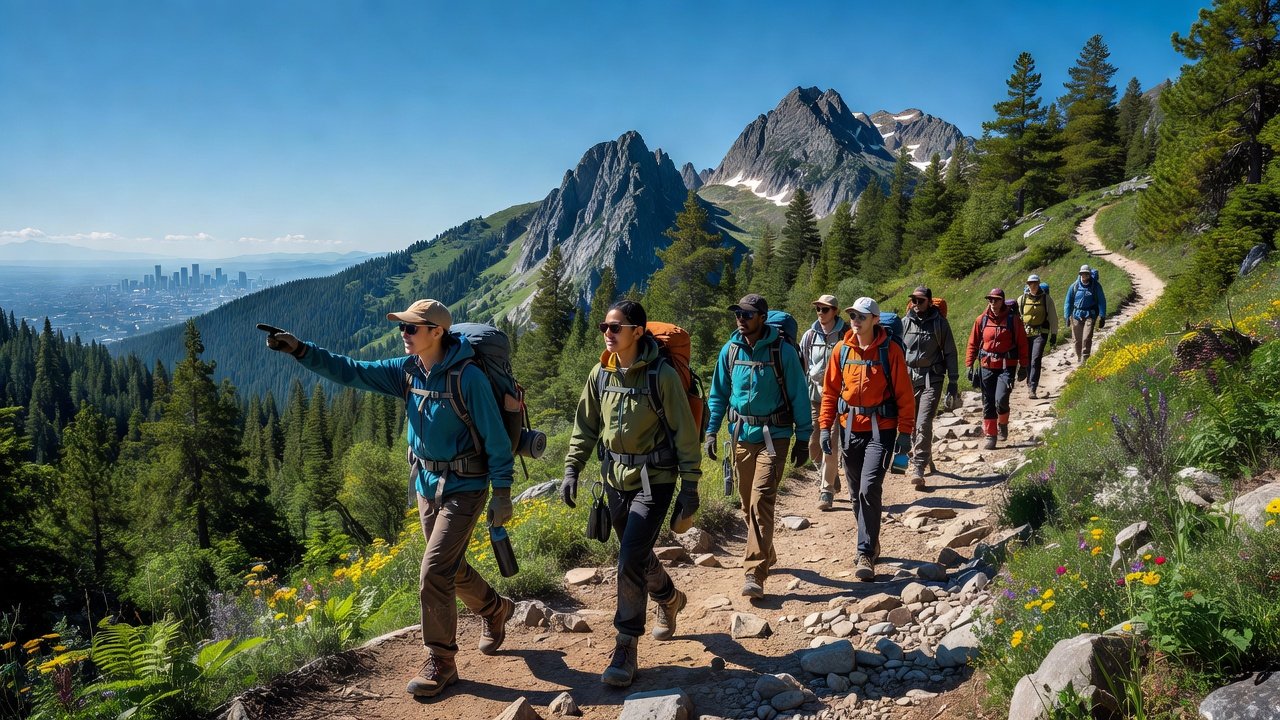
- Layered clothing for temperature swings between city streets and mountain trails
- Comfortable hiking boots and lightweight daypack
- Universal power adapter and portable charger
- Reusable water bottle and quick-dry towel
- City-appropriate shoes plus rain shell
- Offline maps and translation app
- Headlamp for early morning or evening hikes
- Small first-aid kit with blister treatments
- Lightweight binoculars for wildlife viewing
Pack versatile items that transition easily from urban settings to wilderness environments. A compact rain jacket serves double duty during city showers and mountain storms. Always include a printed copy of important documents in case of connectivity issues in remote parks.
Real Traveler Examples
One couple from Canada spent five days in Sarajevo then three in Sutjeska, citing lower costs and authentic encounters compared to more famous Alpine routes. They discovered local cheese makers in the park and attended a spontaneous folk music evening in the capital. Another group of friends combined Ulaanbaatar with Terelj, noting easy yurt bookings and minimal crowds even in peak summer. A solo traveler from Australia explored Tbilisi and Kazbegi over ten days, using shared taxis to reach trailheads and meeting fellow hikers at mountain huts. These stories highlight how hybrid trips create memorable contrasts that pure city or nature vacations often miss.
Urban Immersion vs. Wilderness Escapes: Cost and Logistics Comparison
City stays typically require more for dining and lodging but offer abundant public transport. Wilderness segments cost less daily yet demand advance permits or guides. Overall, these duos balance both without the premium prices of Western Europe destinations. Logistics favor rental cars for remote parks while trains or buses handle capital transfers efficiently. Urban areas provide easier access to medical facilities and ATMs, while parks require careful planning for supplies. Many travelers find that splitting time evenly between the two environments creates the most satisfying rhythm for longer trips.
Short FAQ on Booking Hybrid Trips
How far in advance should I book?
Reserve international flights three to four months ahead and park permits one month prior for peak seasons. Early booking secures better rates on internal transport and accommodations in popular mountain lodges.
What about sustainable transport options?
Choose trains over short-haul flights where possible and support local operators using electric shuttles in parks. Check UNWTO resources for green travel guidance and carbon offset programs tailored to multi-destination itineraries.
Can I combine multiple duos?
Yes, the Caucasus and Balkan clusters work especially well for extended itineraries. Review UNESCO World Heritage sites for protected area details and conservation rules before planning cross-border journeys.
Are visas required for these destinations?
Many of these countries offer visa-free entry or easy e-visas for most nationalities. Always verify current requirements through official embassy websites well before travel.
Conclusion
These eight 2026 city-nature duos prove that fresh wanderlust comes from thoughtful pairings rather than crowded icons. With careful planning, you can enjoy cultural depth and natural wonder while traveling responsibly and avoiding overtourism. Start exploring these lesser-known combinations today to craft an unforgettable hybrid adventure that refreshes both mind and body.
No comments yet. Be the first!