 PlaceBee
Introduction: Unveiling 2026's Secret Food Destinations
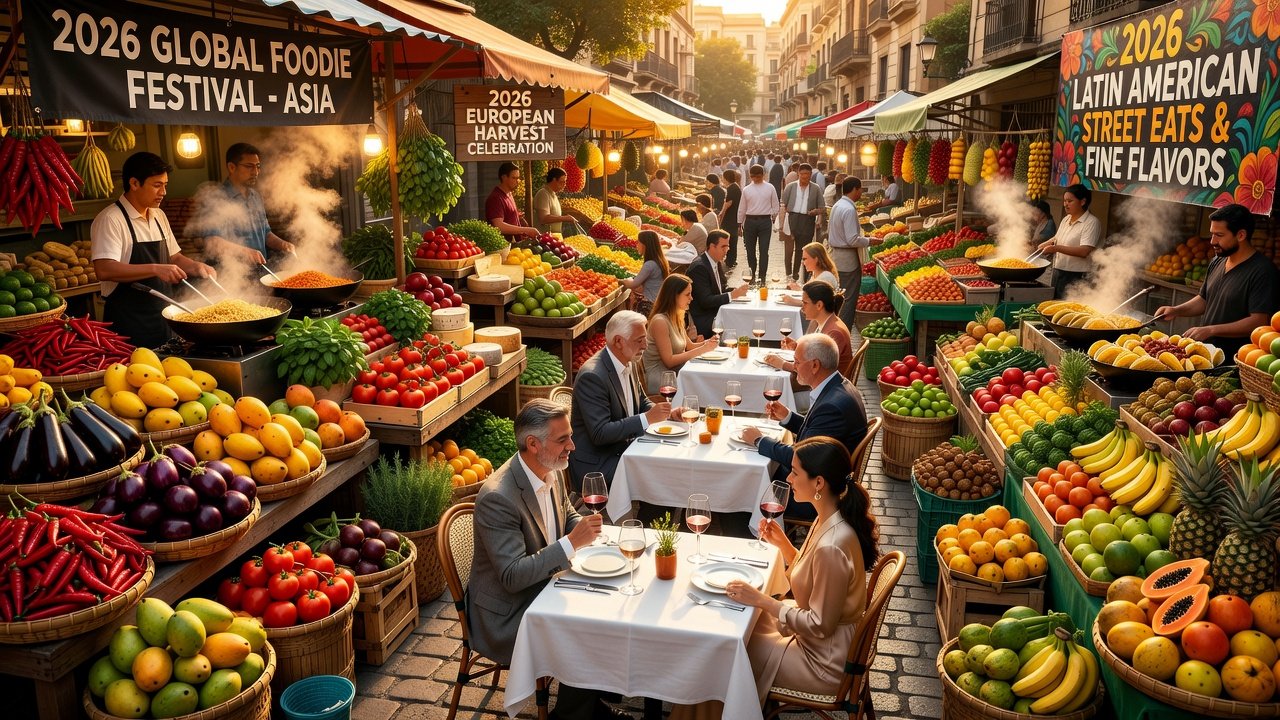
Foodie wanderlust reaches new heights in 2026 as travelers seek authentic experiences beyond the usual hotspots. This guide highlights eight hidden culinary gems spanning Asia, Europe, and Latin America. These destinations fuse vibrant street eats with innovative fine dining, emphasizing seasonal ingredients and thriving local markets. Whether planning a solo adventure or group trip, the rising scenes here promise unforgettable flavors and cultural immersion. The focus remains on lesser-known locations where local producers and chefs collaborate to create memorable meals rooted in place and season.
From bustling night markets to intimate chef-led tastings, these spots cater to diverse palates. Expect practical advice on transport links, packing essentials for food tours, visa requirements, dietary accommodations, and booking seasonal experiences. Real traveler stories add inspiration, while comparisons reveal unique regional flavor profiles. By exploring these destinations, you gain insight into sustainable food systems and emerging culinary trends that define the year ahead.
Asia's Emerging Food Scenes
Battambang, Cambodia
Known for its French colonial architecture and riverside markets, Battambang offers fresh river fish and tropical fruits at peak seasonality. Local markets brim with morning glory and fragrant herbs. A sample three-day itinerary includes market tours, street-side amok tasting, and a fine-dining evening at a riverside bistro using organic produce. Visitors often combine this with a visit to nearby rice paddies to understand ingredient sourcing directly from farmers.
Kaohsiung, Taiwan
Taiwan's southern port city blends night market chaos with refined seafood restaurants. Seasonal oysters and mangoes define the summer scene. Travelers report stumbling upon hidden dumpling stalls that rival Michelin-starred spots. The city's ferry connections make day trips to nearby islands easy for sourcing additional seafood varieties.
Chiang Rai, Thailand
Beyond temples, Chiang Rai's hill-tribe markets showcase foraged mushrooms and herbal infusions. Compare fiery northern curries here with milder central Thai dishes elsewhere in the country. Extended stays allow participation in cooking classes that highlight cross-border influences from Myanmar and Laos.
Europe's Underrated Culinary Treasures
Tartu, Estonia
This university town surprises with wild berry foraging tours and innovative Nordic-inspired tasting menus. Winter root vegetables transform into comforting stews at cozy cellars. The surrounding forests provide mushrooms and berries that chefs incorporate into modern presentations, creating a direct link between nature and plate.
Coimbra, Portugal
Historic university vibes meet fresh Atlantic catches and cork-aged wines. Seasonal chestnuts feature prominently in autumn festivals. River cruises offer opportunities to sample regional specialties while learning about traditional fishing methods still practiced today.
Ljubljana, Slovenia
Green markets overflow with alpine cheeses and forest mushrooms. Fine-dining venues reinterpret traditional potica pastries with modern twists. The city's compact size encourages walking between markets and restaurants, enhancing the overall food exploration experience.
Latin America's Rising Flavors
Arequipa, Peru
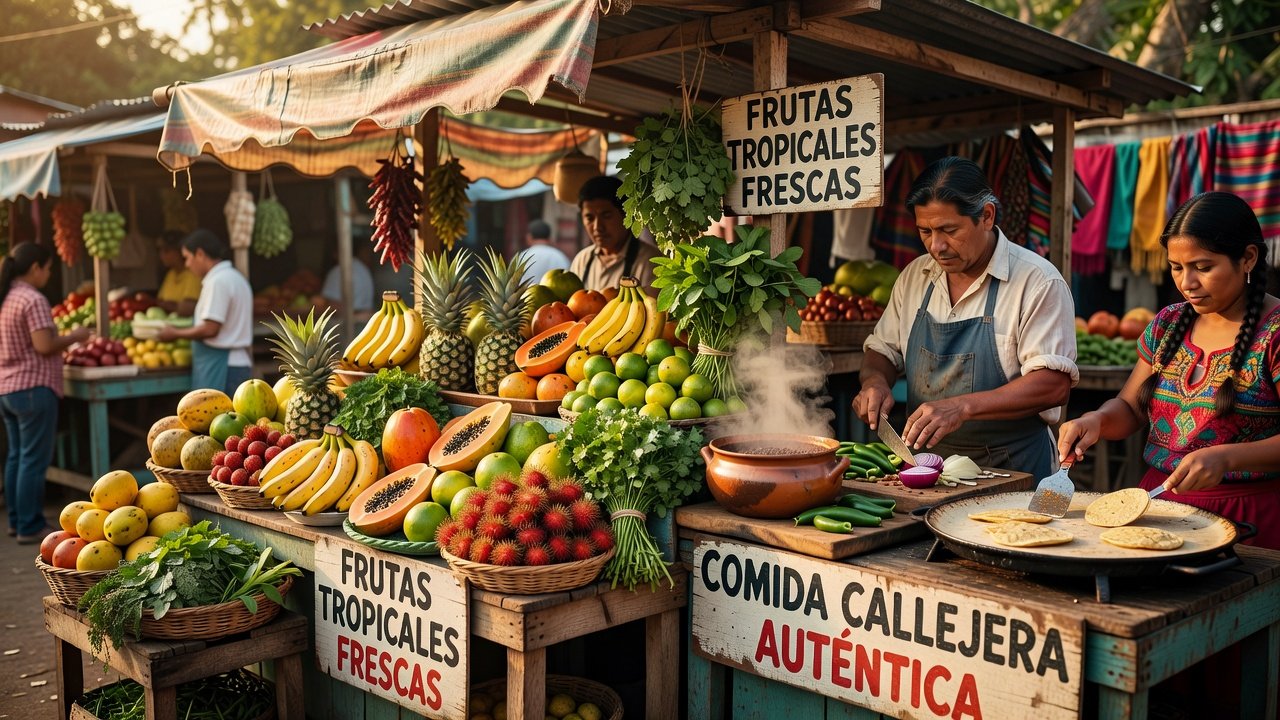
Volcanic landscapes frame markets rich in rocoto peppers and alpaca meats. A week-long itinerary mixes street anticuchos with high-altitude tasting experiences. Local guides often lead visitors through volcanic soil farms to explain how unique terroir affects spice intensity and crop quality.
Cuenca, Ecuador
Colonial charm pairs with quinoa-based dishes and fresh cacao. Dietary options abound for gluten-free travelers. The highland climate supports year-round herb gardens that supply both street vendors and upscale eateries with consistent freshness.
Comparing Regional Flavors and Ingredients
- Asia emphasizes fermented elements and bold spices balanced by fresh herbs, creating layers of umami and heat that evolve during meals.
- Europe focuses on preserved seasonal produce and subtle fermentation techniques, resulting in balanced, earthy profiles suited to cooler climates.
- Latin America highlights maize, chilies, and citrus-forward profiles, delivering bright acidity and communal dining traditions that encourage sharing.
These contrasts make cross-regional trips particularly rewarding for flavor exploration. Pairing an Asian market visit with a European cellar tasting reveals surprising parallels in preservation methods.
Practical Travel Tips
Visas and Entry: Check requirements via official government portals well in advance. Many destinations offer e-visas for short culinary getaways. Processing times vary by nationality, so apply at least six weeks prior for smoother planning.
Dietary Options: Vegetarian and vegan menus are expanding rapidly; always confirm with restaurants. Apps for local allergen translation prove invaluable. Many markets now feature dedicated sections for plant-based ingredients that align with global dietary trends.
Booking Seasonal Experiences: Reserve market tours and chef dinners 4-6 weeks ahead during peak harvest periods for best availability. Early booking also secures spots in limited-capacity foraging walks or harvest festivals.
Transport Links: Regional flights and efficient trains connect these gems; consider overnight buses for scenic routes. Local apps provide real-time schedules and help navigate connections between cities and rural markets.
Packing List for Food Tours: Reusable containers, comfortable walking shoes, portable spice kits, and a lightweight jacket for evening markets. A small notebook captures recipe inspirations. Include a reusable water bottle and basic first-aid items for long market days.
Real Traveler Stories
Traveler story one: Sarah from Canada discovered her love for Peruvian causa in Arequipa after following a local market guide's recommendation, turning a casual trip into an annual pilgrimage. She now incorporates similar potato preparations into her home cooking.
Traveler story two: A family from Australia spent ten days in Battambang learning to prepare amok from street vendors, later adapting the recipe for dietary needs back home. Their children particularly enjoyed the interactive market visits.
Traveler story three: An American solo traveler in Tartu joined a foraging group and later shared photos of berry-based desserts online, inspiring others to explore Estonia's emerging scene.
Mistakes to Avoid on Culinary Journeys
- Skipping local markets in favor of only restaurants misses the freshest ingredients and cultural context.
- Ignoring seasonal availability leads to higher costs and lower quality produce.
- Overlooking dietary communication can result in unsuitable meals during group tours.
- Failing to research transport options causes missed reservations and rushed experiences.
UNWTO provides updated guidance on sustainable tourism practices that support these destinations. FAO offers resources on seasonal ingredients and global food systems relevant to planning trips.
Sample Itineraries and Maximizing Your Trip
Combine two destinations per region for a 10-day journey. Start in Asia for spice intensity, move to Europe's refined profiles, and finish with Latin America's vibrancy. A detailed 14-day route might begin in Chiang Rai, proceed to Kaohsiung, then Tartu and Coimbra, ending in Arequipa and Cuenca. Adjust pacing based on energy levels and interest in hands-on classes.
Conclusion
These 2026 hidden gems invite deeper culinary connections. Pack curiosity and an empty stomach for transformative journeys that blend education, flavor, and cultural exchange.
FAQ: Maximizing Culinary Inspiration During Travel
How do I find authentic street food safely? Stick to busy stalls with high turnover and follow locals' recommendations. Observe hygiene practices and start with cooked items if concerned about adaptation.
What if I have dietary restrictions? Research dedicated vegan or halal guides in advance and communicate needs clearly. Many destinations now train staff specifically for international dietary requirements.
When is the best time for seasonal ingredients? Align trips with harvest calendars shared on destination tourism sites. Shoulder seasons often provide optimal balance of availability and fewer crowds.
How can I extend culinary learning after the trip? Join online communities focused on regional recipes and source similar ingredients through specialty importers to recreate experiences at home.
Are group food tours worth it for solo travelers? Yes, they provide structured access to markets and kitchens while offering social connections with like-minded enthusiasts.

No comments yet. Be the first!