 PlaceBee
Why Scenic Rail Travel Is the Ultimate 2026 Wanderlust Escape
In an era dominated by quick flights, scenic train journeys offer a refreshing alternative for travelers craving deeper connections with landscapes and cultures. These under-the-radar routes across continents provide slow-travel magic, from misty mountains to vibrant villages, sparking inspiration without the rush. Perfect for beginners seeking unique 2026 dream destinations, this guide covers 8-10 hidden gems with practical details to turn wanderlust into reality. Slow travel by rail allows you to witness changing scenery at eye level, meet locals in dining cars, and pause at remote stations that reveal authentic regional life. Unlike rushed air travel, these experiences create lasting memories through unhurried observation of ecosystems, historical sites, and everyday cultures that flights simply bypass.
Top Scenic Rail Routes Across Continents
1. Andean Explorer, Peru
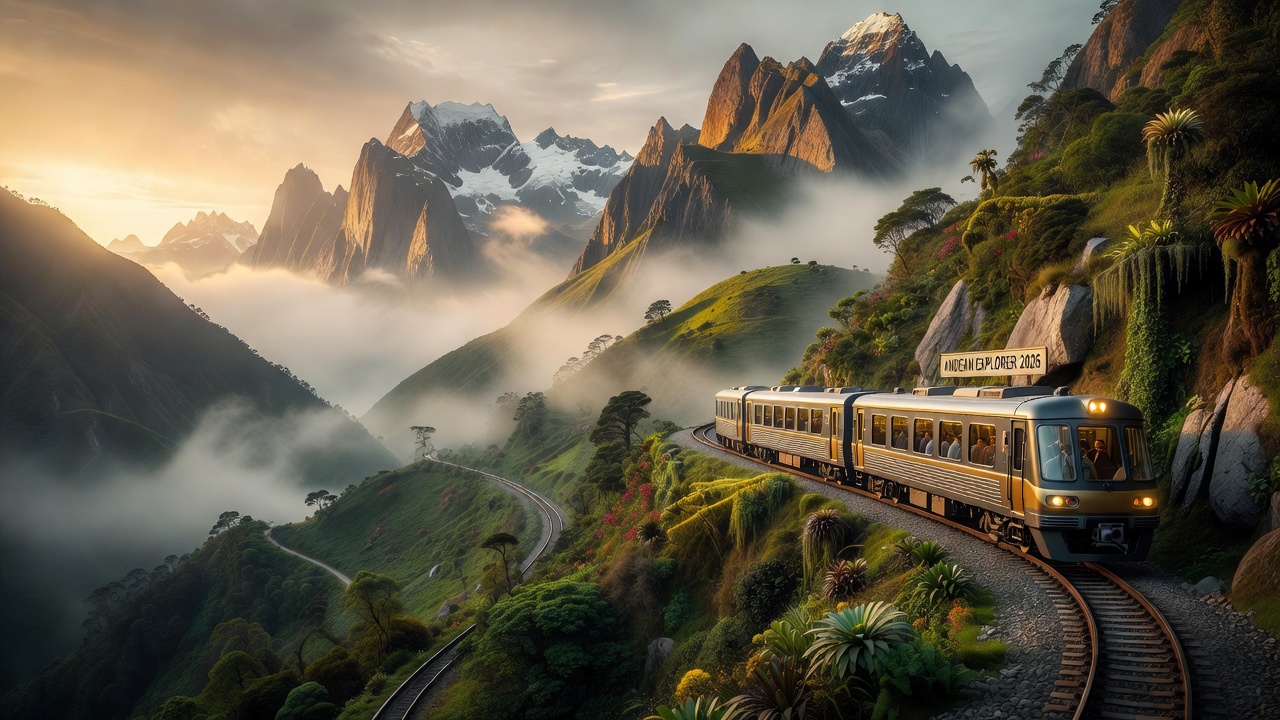
This high-altitude gem winds through the Andes from Cusco to Puno, showcasing Lake Titicaca and ancient ruins. Best season is May to September for clear skies. It ignites wanderlust through Quechua culture and dramatic peaks. Travelers often spot traditional herding practices and stop at markets selling handwoven textiles that tell stories of Andean heritage. The journey passes volcanic landscapes and high plateaus where altitude changes create breathtaking visual shifts from lush valleys to stark tundra.
2. Rocky Mountaineer, Canada
Glacier-fed rivers and wildlife define this route between Banff and Vancouver. Optimal travel falls in June to September. The vast wilderness fosters a sense of awe and exploration. Guests frequently observe bears and eagles from glass-domed cars while passing through national parks that protect ancient forests. Onboard narration shares Indigenous legends tied to the mountains, deepening the cultural immersion beyond mere scenery.
3. Inlandsbanan, Sweden
Northern forests and midnight sun await on this summer-only line from Kristinehamn to Gällivare. It highlights Sami heritage and pristine nature for immersive cultural sparks. The route crosses reindeer migration paths and stops at tiny villages where passengers can sample local cloudberry preserves. Endless daylight in July creates surreal photography opportunities and a profound sense of timeless wilderness.
4. TranzAlpine, New Zealand
Alpine passes and river gorges make this South Island classic unforgettable. Spring (September-November) brings wildflowers. The dramatic scenery evokes pure adventure. The train crosses the Southern Alps via the famous Otira Viaduct, offering views of turquoise rivers fed by melting glaciers. Short stops allow quick hikes to viewpoints that showcase fern-filled valleys and snow-capped summits in one panoramic sweep.
5. Blue Train, South Africa
Luxury meets savanna on the Pretoria to Cape Town route. Ideal in winter (May-August) for game viewing. Cultural stops ignite stories of heritage and wildlife. Passengers enjoy fine dining while watching elephants at waterholes during evening golden hour. The journey includes a stop at Kimberley to explore diamond mining history, blending natural wonders with human stories of resilience and discovery.
6. Hiram Bingham, Peru (Machu Picchu extension)
Complementing the Andean Explorer, this luxurious option enhances Inca exploration with gourmet touches amid cloud forests. The train climbs through the Sacred Valley, stopping at traditional markets where artisans demonstrate weaving techniques passed down for generations. Guests disembark for guided tours of lesser-known ruins before reaching the iconic citadel at sunrise, creating an unforgettable fusion of history and nature.
7. Glacier Express, Switzerland
Alpine villages and viaducts connect Zermatt to St. Moritz. Year-round but peak in summer for hikes. It embodies European charm and serenity. The famous Landwasser Viaduct offers postcard-perfect views of red trains curving over deep gorges. Onboard, regional cheeses and wines are served as the landscape transitions from Matterhorn views to Engadin lakes, illustrating centuries of Alpine engineering and hospitality traditions.
8. Eastern & Oriental Express, Southeast Asia
From Singapore to Bangkok, tropical jungles and temples unfold. Dry season (November-February) is best. Diverse cultures fuel global wanderlust. The train passes through Malaysian plantations and Thai rice paddies, with excursions to floating markets where spices and silks create sensory overload. Evening entertainment often features local musicians, turning each carriage into a moving cultural salon.
9. Canadian, Canada (transcontinental)
Cross-country vistas from Toronto to Vancouver reveal prairies and Rockies. Summer offers optimal views and onboard storytelling. The multi-day journey allows passengers to watch wheat fields give way to boreal forests and then jagged peaks. Dome cars provide 360-degree views during daylight hours, while evenings feature talks on Canadian wildlife conservation and Indigenous history along the tracks.
10. Belmond Andean Explorer variant to Arequipa
Extending into volcanic landscapes, this route deepens Peruvian immersion with salt flats and colonial towns. Travelers witness dramatic color changes from highland greens to desert reds, with stops for photography at the Colca Canyon rim. The experience combines geological wonders with visits to traditional villages still practicing pre-Incan agricultural methods.
Practical Steps for Booking Tickets
Start by researching official operator websites or trusted platforms like National Geographic for route inspiration. Book 3-6 months ahead for peak seasons to secure preferred classes and avoid disappointment. Compare classes via apps or sites, opting for sleeper options on overnight journeys. Verify visa needs and rail passes like Eurail for Europe-based trips. Always check for flexible cancellation policies. Consider joining loyalty programs offered by major operators for priority boarding and discounts on future trips. For multi-country itineraries, explore combination tickets that link several routes for seamless transfers at major hubs.
Packing Tips for Comfortable Journeys
Layer clothing for temperature shifts across elevations and climates. Pack noise-canceling headphones and a journal for reflective moments during long stretches. Include binoculars for wildlife spotting and a universal adapter for charging devices. Carry snacks and a reusable water bottle to enhance sustainability while supporting onboard eco-initiatives. Don't forget motion sickness remedies and comfortable shoes for station stops. Add a lightweight daypack for excursions, a power bank, and a small first-aid kit with altitude sickness tablets if heading to high elevations. Consider a compact camera with extra batteries for capturing fleeting landscapes, and download offline maps and translation apps before departure to stay connected without roaming fees.
Cost Comparisons Between Classes
Economy seats offer budget-friendly access with basic amenities, while premium or sleeper classes provide enhanced dining, lounges, and views. The difference often lies in space and exclusivity, making mid-tier options ideal for first-timers balancing comfort and adventure. Research current options through official channels for tailored quotes. Higher classes typically include priority check-in, dedicated attendants, and multi-course meals featuring local ingredients, whereas standard fares focus on reliable seating and observation windows. Many operators now offer hybrid packages that let travelers upgrade individual segments, allowing customization based on budget and desired experience level.
Mistakes to Avoid on Your First Scenic Rail Trip
Common pitfalls include underestimating packing needs for changing weather and failing to research station transfers in advance. Always confirm platform numbers the day before departure and arrive early for international routes. Another frequent error is overlooking dietary restrictions—notify operators when booking to ensure suitable meal options. Finally, resist the urge to over-schedule; leave buffer days between connections to fully savor each destination without feeling rushed.
FAQs on Sustainability, Accessibility, and Combining Stays
How sustainable are these rail trips?
Trains generally emit far less carbon than flights. Choose operators committed to green practices, and support local economies along routes for responsible travel. Resources like Lonely Planet highlight eco-friendly operators. Many lines now use renewable energy sources for stations and offer carbon offset programs for passengers.
Are these journeys accessible?
Many modern trains feature wheelchair access and adapted cabins. Contact operators early to request accommodations like step-free boarding or assistance services. Some routes also provide audio descriptions for visually impaired travelers and priority seating for those with mobility challenges.
Can I combine rail with short stays?
Absolutely—pair routes with 2-3 night stops in key towns. For example, extend the TranzAlpine with a Queenstown hike or the Blue Train with a Cape Winelands detour for layered experiences. This approach lets you explore side attractions like hot springs or wine tastings that enrich the overall journey.
Conclusion: Embark on Your 2026 Rail Odyssey
These scenic rail adventures redefine travel by blending stunning vistas, cultural depth, and mindful pacing. Whether you're a novice or seasoned explorer, they promise unforgettable wanderlust. Plan thoughtfully, embrace the journey, and let the tracks lead to new horizons filled with discovery and connection.

No comments yet. Be the first!