 PlaceBee

Introduction: Why Continent-Spanning Trips Ignite Wanderlust in 2026
Combining vibrant cities with untouched wilderness across continents creates unforgettable journeys that satisfy both cultural curiosity and a craving for nature. These pairings deliver urban immersion followed by raw natural escapes, carefully optimized for efficient travel in 2026. First-time planners can maximize limited vacation time and minimize fatigue through smart routing choices and seasonal timing that avoids peak crowds. The result is deeper wanderlust that lingers long after returning home.
Each combo below highlights real-world examples spanning Europe to South America and Asia to Africa, along with concrete steps for booking, packing, and pacing the journey. Whether you seek artistic inspiration in historic streets before trekking remote trails or modern city energy before wildlife encounters, these suggestions provide actionable frameworks.
1. Paris, France to Patagonia, Chile
Begin with the artistic heritage and café culture of Paris before transitioning to the dramatic peaks and glaciers of Patagonia. Efficient routing often involves a connection through Madrid, allowing a single long-haul leg to Santiago followed by a short domestic flight. March or September timing delivers mild temperatures ideal for hiking while keeping crowds thin at popular viewpoints like Torres del Paine. Travelers report that splitting time evenly between city exploration and wilderness immersion creates the strongest contrast and sense of renewal.
2. Tokyo, Japan to Serengeti, Tanzania
Neon-lit streets, ancient temples, and cutting-edge cuisine in Tokyo pair powerfully with the vast plains of the Serengeti where the Great Migration unfolds. Routes through Doha or Dubai typically keep total flight time under 20 hours. Aligning the trip with migration peaks from June through October maximizes wildlife viewing opportunities. Many planners add a short stop in Nairobi for acclimatization, turning the journey into a seamless multi-continent narrative.
3. New York City, USA to Andes Mountains, Peru
The nonstop energy of New York transitions beautifully into high-altitude trekking among the Andes. Connections through Lima provide reliable onward flights from major US gateways. April and May offer stable post-rainy-season weather perfect for the Inca Trail or less crowded alternatives. First-time visitors benefit from booking internal flights in advance to avoid altitude-related delays.
4. London, UK to Namib Desert, Namibia
Historic landmarks and theater districts give way to endless dunes and star-filled skies in Namibia. Efficient paths via Johannesburg reduce layovers and allow easy access to Sossusvlei. The cool dry months from May to October suit desert exploration without extreme heat. Adding a short rail segment within the UK before departure enhances the overall sense of gradual transition.
5. Seoul, South Korea to Banff National Park, Canada
Modern K-culture, street markets, and temples contrast with the pristine alpine scenery of Banff. Vancouver connections streamline the long-haul portion while summer months provide extended daylight for hiking and photography. Planners often incorporate a rest day in the Canadian Rockies to adjust to time zones before beginning outdoor activities.
6. Rome, Italy to Great Barrier Reef, Australia
Ancient ruins and vibrant piazzas lead naturally into the colorful underwater world of the Great Barrier Reef. Routes through Singapore minimize total travel time and offer comfortable layover facilities. April through October delivers optimal diving visibility and calmer seas. Many travelers extend the urban portion by two days to fully absorb Roman history before the oceanic shift.
7. Bangkok, Thailand to Icelandic Highlands, Iceland
Bustling street food markets and golden temples transition into volcanic landscapes and geothermal wonders. Reykjavik gateways function well year-round, with summer offering near-endless daylight for exploration. A brief stop in a European hub can break the journey and reduce fatigue for families or first-time long-haul travelers.
Practical Steps for First-Time Planners
Begin by selecting one pairing that matches your interests and available time. Research visa requirements for every country at least three months ahead. Use airline alliance hubs to consolidate frequent-flyer miles. Book flexible tickets when possible to accommodate weather or health adjustments. Consider travel insurance that covers multi-continent medical evacuation.
Cost-Saving Strategies
- Book long-haul segments during mid-week departures
- Combine city hotel stays with national park lodges for mixed accommodation costs
- Travel in shoulder seasons to secure lower rates on internal flights
- Utilize regional rail passes within Europe or Japan before crossing oceans
- Pack versatile clothing to avoid purchasing destination-specific gear
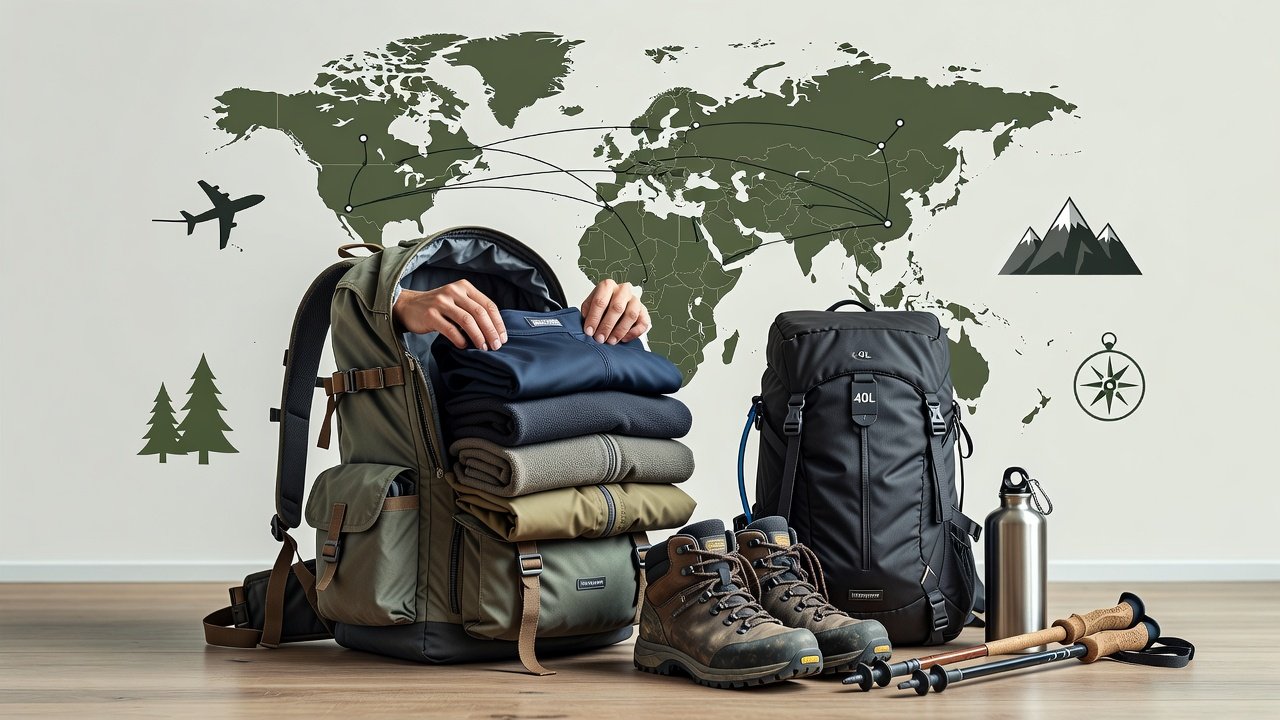
Detailed Packing Checklist
- Layered clothing suitable for both urban evenings and mountain mornings
- Universal power adapters and portable chargers
- Reusable water bottle, snacks, and basic first-aid supplies
- Printed and digital copies of passports, visas, and itineraries
- Comfortable walking shoes plus lightweight hiking boots
- Compact binoculars and reusable shopping bags
- Medications with extra supply and copies of prescriptions
Sample Itinerary Template
Days 1-3: Urban exploration and cultural activities. Day 4: Long-haul flight with built-in rest day. Days 5-8: Nature immersion and guided excursions. Day 9: Buffer day for delays. Day 10: Return travel. Adjust pacing based on group energy levels.
Flight vs Rail Comparison
| Option | Advantages | Limitations |
|---|---|---|
| Flight | Fastest method for crossing oceans; frequent schedules from major hubs | Higher environmental impact; potential for jet lag |
| Rail (within regions) | Scenic and lower stress; supports sustainable travel goals | Limited for true cross-continent journeys; requires additional planning |
Hybrid approaches work best: use rail within Europe or Japan, then connect via flight to the second continent. For authoritative health and entry guidance, consult official travel health guidance and US Department of State travel pages.
Common Planning Hurdles: FAQ
How do I handle jet lag across multiple continents?
Adjust sleep schedules gradually in the week before departure, stay hydrated during flights, and schedule lighter activities on arrival days.
What about visas and entry requirements?
Verify current rules for each destination through official government portals at least 90 days prior, and keep digital and paper copies accessible.
How can solo travelers manage safety on these routes?
Share itineraries with trusted contacts, use reputable transport providers, and choose accommodations with strong reviews and central locations.
Are these trips suitable for families?
Yes, when pacing includes rest days and activities are scaled for all ages; national parks often offer family-friendly ranger programs.
Conclusion: Start Planning Your 2026 Adventure
These seven combos offer fresh perspectives that blend the best of urban sophistication and wild landscapes. Choose the pairing that resonates most, apply the checklists and templates provided, and begin turning wanderlust into a concrete itinerary. The memories created will far outweigh the planning effort.

No comments yet. Be the first!