 PlaceBee
Introduction: Planning Dream Trips in a Changing Climate
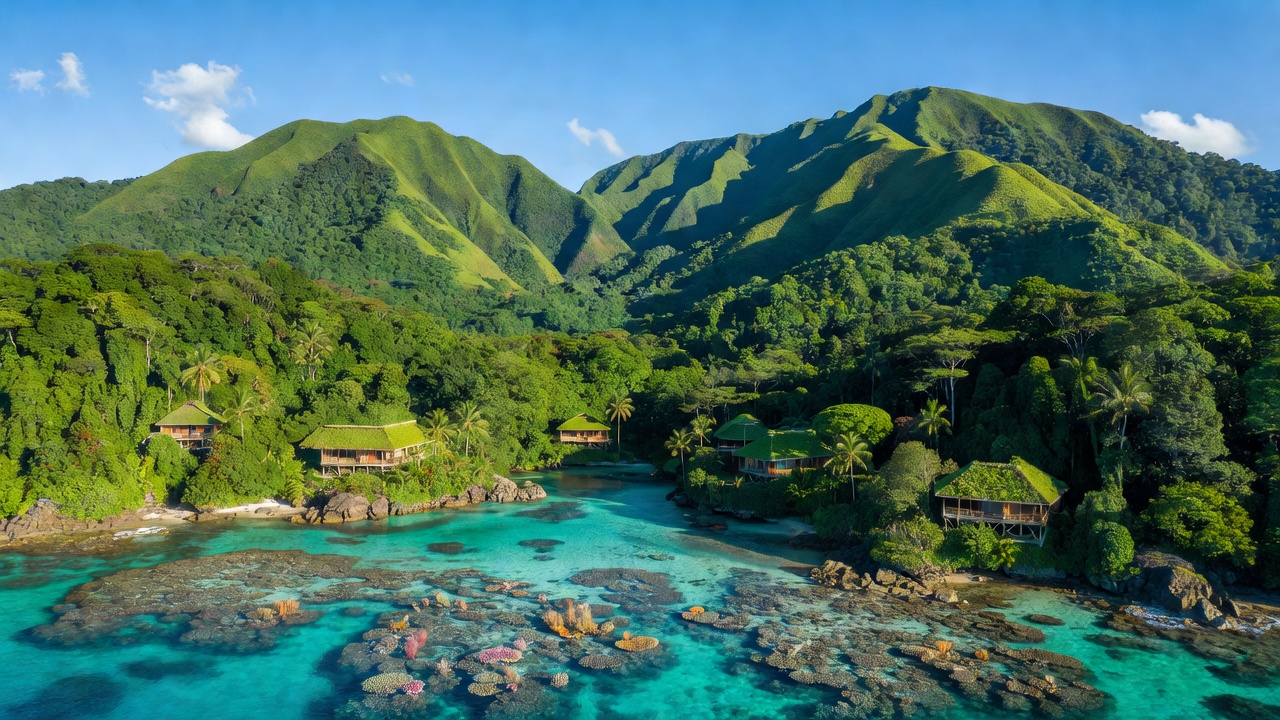
As travelers look ahead to 2026, the search for climate-resilient dream destinations has become essential for those seeking meaningful wanderlust experiences. These locations offer natural beauty, cultural richness, and adventure while demonstrating strong environmental adaptability against shifting weather patterns. This comprehensive guide helps you identify vibrant spots that remain accessible and inspiring, supporting sustainable travel that feels both exciting and responsible. With climate change affecting global tourism, focusing on resilient regions allows you to create itineraries that minimize risks and maximize enjoyment, from serene mountain retreats to biodiverse rainforests that continue to thrive.
Understanding Climate-Resilient Regions
Climate resilience in travel refers to destinations with robust ecosystems, adaptive infrastructure, and proactive conservation efforts that buffer against extreme events like floods, droughts, or heatwaves. Regions with diverse topography, such as highlands and coastal areas with natural buffers like mangroves or elevated plateaus, often fare better over time. For instance, areas investing in reforestation, renewable energy grids, and community education programs maintain their appeal longer than those facing rising seas or prolonged arid conditions. Travelers can prioritize places where local governments collaborate with organizations like UN Environment Programme on sustainability initiatives, ensuring long-term viability. Understanding these factors involves examining local policies on water management, biodiversity protection, and disaster preparedness, which collectively create environments where dream trips can unfold without disruption.
Top Climate-Resilient Destinations for 2026
Several standout locations combine resilience with unparalleled appeal for wanderlust seekers. Iceland boasts geothermal stability and glacial landscapes that support year-round eco-tourism through advanced renewable energy systems and protected volcanic zones. New Zealand’s varied terrain and stringent conservation policies make it ideal for nature lovers exploring fjords and alpine trails. Costa Rica continues to lead globally with its biodiversity hotspots and ambitious carbon-neutral goals backed by extensive national park networks. Canada’s national parks in British Columbia offer adaptive trails and wildlife viewing that withstand seasonal variations thanks to rigorous environmental monitoring. Additional options include Norway’s fjord regions, where sustainable hydropower and rewilding projects enhance scenic beauty, and Bhutan’s high-altitude valleys that benefit from strict tourism caps and forest preservation. These spots fuel wanderlust through immersive experiences like hiking volcanic trails, kayaking pristine fjords, or spotting rare species in protected habitats, all while contributing to local conservation.
Comparing Resilient Spots to Vulnerable Destinations
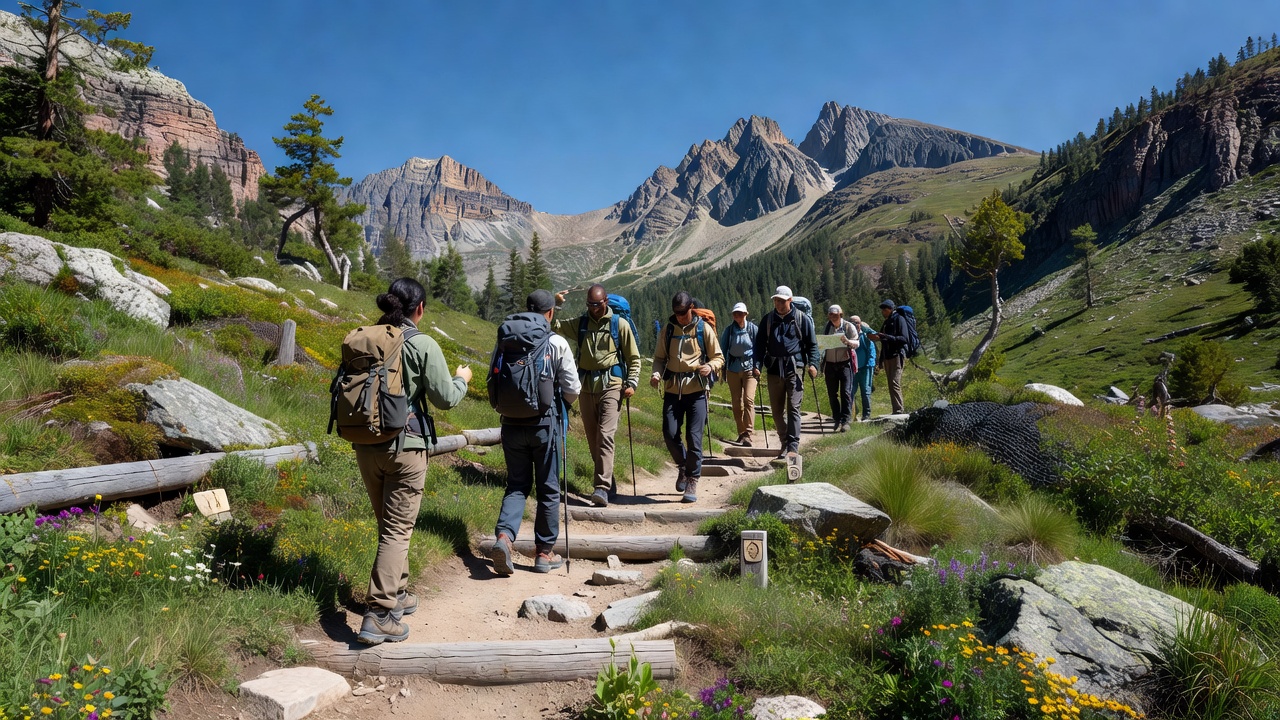
Understanding differences helps refine travel choices effectively. Resilient areas often feature elevation advantages, diverse ecosystems, and community-led protections, unlike low-lying islands or arid zones prone to water scarcity and erosion. For example, while some Mediterranean beaches face increasing heatwaves and beach erosion, highland retreats in the Alps maintain cooler climates and reliable conditions through managed resources and reforestation. Similarly, certain Pacific atolls struggle with sea-level rise, whereas inland plateaus in South America offer stable hiking and cultural sites. This comparison encourages shifting itineraries toward inland or elevated alternatives that preserve the magic of travel without added risks, allowing travelers to enjoy similar scenic wonders in safer settings that support ongoing environmental health.
Practical Steps for Eco-Conscious Planning
Building an adaptable itinerary starts with thorough research and mindful choices that prioritize sustainability. Follow this expanded checklist for success:
- Assess destination reports from reliable climate sources to confirm resilience metrics, including recent data on infrastructure upgrades and natural disaster frequency.
- Choose operators certified in sustainable practices, focusing on low-impact transport like trains, electric shuttles, or carbon-neutral flights where available.
- Pack versatile gear for variable weather conditions and support local economies by booking community-run experiences such as guided nature walks or farm-to-table meals.
- Offset travel emissions through verified programs and limit single-use plastics throughout your trip by carrying reusable items.
- Monitor seasonal forecasts closely and remain flexible with bookings to adjust for unexpected events, using apps that provide real-time environmental alerts.
- Engage in pre-trip education about local ecosystems to enhance appreciation and reduce unintentional impacts during visits.
These steps ensure your 2026 wanderlust aligns with environmental stewardship while creating personalized, memorable journeys.
Seasonal Timing Tips for Optimal Visits
Strategic timing enhances both enjoyment and the resilience benefits of your chosen destination. Visit Iceland in shoulder seasons like May or September to avoid peak crowds while enjoying milder temperatures ideal for outdoor exploration. New Zealand shines in its spring months from September to November for blooming landscapes and fewer extreme weather events. Costa Rica offers optimal dry periods from December to April, perfect for wildlife spotting without heavy rainfall disruptions. In Norway, summer months provide extended daylight for fjord cruises, while Bhutan’s autumn season delivers clear mountain views. Planning around these windows maximizes comfort, supports destinations’ natural recovery cycles between high-traffic periods, and helps avoid climate-related challenges like monsoons or heat spikes.
Real-World Examples of Resilient Travel
Consider a traveler who explored Costa Rica’s Monteverde Cloud Forest in early 2026, witnessing thriving biodiversity thanks to ongoing reforestation projects that have restored native species populations. Another adventurer in Iceland combined geothermal spa visits with educational tours on climate adaptation, creating memories that felt both luxurious and meaningful amid stable volcanic landscapes. A family group in New Zealand’s Fiordland National Park navigated well-maintained trails during shoulder season, observing resilient wildlife and learning about local Maori conservation practices. These examples illustrate how resilient destinations deliver dream-like encounters while educating visitors on global efforts, drawing from insights shared by groups such as IPCC and inspiring similar journeys worldwide.
Mistakes to Avoid When Selecting Destinations
Common pitfalls can undermine even the best intentions. Avoid over-relying on popular spots without checking current resilience data, as some once-dreamy locations now face frequent closures. Do not ignore local guidelines on group sizes or protected zones, which can lead to environmental strain. Steer clear of last-minute bookings that limit flexibility during variable weather, and always research transportation options to prevent high-emission travel. By sidestepping these errors, you build itineraries that remain adaptable and truly sustainable.
Frequently Asked Questions
What defines a climate-resilient destination?
It combines strong natural defenses such as diverse ecosystems and elevation, sustainable development practices, and community preparedness to handle climate impacts while remaining visitor-friendly and vibrant for years ahead.
How can I verify a location’s resilience?
Review reports from environmental agencies and international bodies, look for certifications in eco-tourism, and examine recent infrastructure upgrades alongside community adaptation programs.
Are these destinations suitable for all budgets?
Yes, options range from budget-friendly camping and public transport to premium eco-lodges, allowing flexible planning that fits various travel styles and group sizes without compromising on sustainability.
What role does seasonal timing play in resilience?
Optimal seasons reduce exposure to extreme weather, support local ecosystems during recovery periods, and often provide better value with fewer crowds, enhancing the overall wanderlust experience.
How do resilient destinations support long-term wanderlust?
They offer consistent access to natural wonders and cultural sites, fostering repeat visits and deeper connections that evolve with global environmental awareness.
Conclusion: Embracing Sustainable Wanderlust
Choosing climate-resilient dream destinations for 2026 empowers travelers to enjoy profound experiences while contributing to a healthier planet. By focusing on adaptable regions, following practical guidelines, timing visits thoughtfully, and learning from real examples, your next journey can spark lasting inspiration and positive impact. Start planning today to turn wanderlust into meaningful, enduring adventures that respect both nature and future generations.


No comments yet. Be the first!