 PlaceBee

Why Multi-Destination Trips Are Ideal in 2026
Travelers increasingly seek efficient ways to experience diverse cultures and landscapes without booking multiple separate trips. Multi-destination itineraries allow you to maximize time off, reduce overall travel fatigue, and create memorable journeys that spark ongoing wanderlust. In 2026, improved flight connectivity and flexible remote work trends make these routes more accessible than ever. By chaining destinations together, you can explore contrasting environments such as bustling capitals and serene beaches in a single vacation window, turning what might have been two or three separate holidays into one cohesive adventure that feels both expansive and manageable.
The appeal lies in the variety. Instead of repeating similar experiences, you sample multiple climates, cuisines, and historical narratives. This approach also supports sustainable travel by concentrating flights into fewer long-haul segments and using regional transport for shorter hops. Many travelers report higher satisfaction because the journey itself becomes part of the story, with each new border crossing adding excitement and new perspectives.
Popular Multi-Stop Routes Across Europe
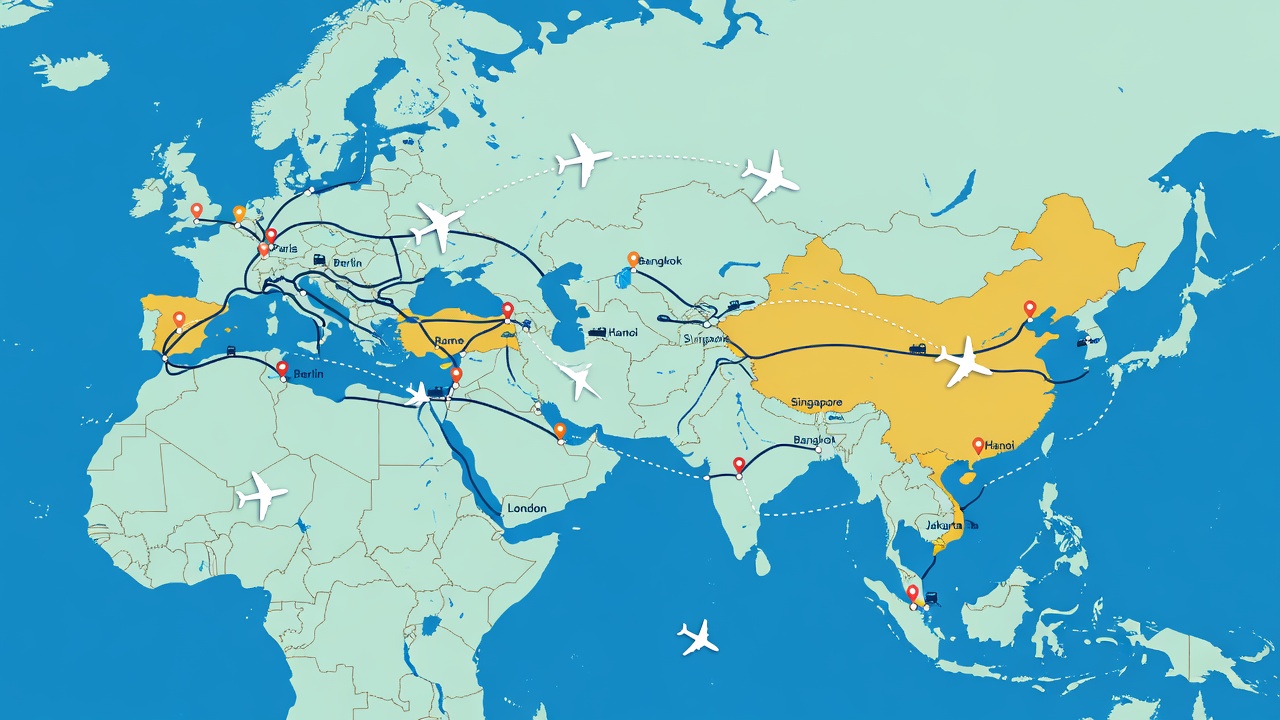
Europe offers seamless multi-country adventures thanks to extensive rail networks and open borders within the Schengen Area. A classic route starts in Paris, continues to Amsterdam by train, then flies to Prague, and ends in Budapest. This path blends historic architecture, vibrant nightlife, and scenic countryside in one seamless loop. Another option pairs the Italian cities of Rome and Florence with a quick hop to Barcelona for Mediterranean vibes and coastal relaxation. A third popular circuit runs from Lisbon through Madrid and into Marrakech via a short flight, combining European culture with North African markets and cuisine for an unforgettable contrast.
These combinations work well because of short flight times between cities and shared cultural themes that keep the journey cohesive. Travelers can use Eurail passes for ground segments to enjoy countryside views without the hassle of airports. The continent’s efficient infrastructure means you spend more time exploring than in transit, which is especially valuable for first-time visitors wanting a broad overview before planning deeper returns.
Real-World Examples from Southeast Asia
Southeast Asia excels at multi-destination trips due to affordable regional flights and tropical variety. One popular circuit includes Bangkok for bustling markets, followed by a flight to Hanoi for cultural immersion, then on to Bali for beach recovery. Travelers often extend this to include Singapore for modern contrasts or Chiang Mai for nature escapes. The region’s compact geography means you can cover four countries in under three weeks while enjoying diverse cuisines and landscapes. Another strong route begins in Kuala Lumpur, moves to Ho Chi Minh City, and concludes in Phuket, offering a mix of urban exploration, street food tours, and island relaxation.
These itineraries appeal to both solo travelers and couples because local transport is reliable and English is widely spoken in tourist areas. The combination of ancient temples, modern skylines, and pristine beaches creates a balanced experience that satisfies different travel moods within one trip.
Tips for Selecting Compatible Destinations
- Group destinations by climate and season to avoid packing mismatches and ensure you enjoy each stop at its best.
- Match activity levels, such as pairing city exploration with nearby nature spots, so the pace feels natural rather than exhausting.
- Consider visa compatibility and entry rules to minimize paperwork and unexpected border issues.
- Align cultural interests, like art-focused cities or foodie hubs, to create thematic continuity across the journey.
- Factor in flight or train connections early, choosing hubs with frequent onward options to reduce layover stress.
Compatibility also extends to personal interests. If one traveler loves hiking while another prefers museums, select cities that offer both within easy reach. Testing a short domestic multi-city trip first can reveal what works for your group before committing to international routes.
Time Versus Budget Trade-Offs
Shorter multi-destination trips of 10–14 days often deliver high impact but require careful prioritization of must-see sights. Longer journeys of three to four weeks allow slower travel by train or bus, giving more opportunity for spontaneous discoveries and local interactions. The trade-off usually comes down to how much flexibility you have with annual leave versus how far you want to stretch your resources. Internal flights add speed but increase costs, while ground transport saves money at the expense of extra days in transit. Weighing these factors early helps you design an itinerary that feels rewarding rather than rushed or overly frugal.
Practical Planning Steps
- Start with a core destination and add one or two logical extensions based on flight routes and seasonal appeal.
- Use travel apps to compare multi-city flight options and rail passes, always checking for hidden fees on baggage and seat selection.
- Book accommodations with flexible cancellation in case plans shift due to weather or personal needs.
- Research local transport like high-speed trains or ferries for cost savings and scenic value.
- Create a flexible daily schedule with buffer days for delays, jet lag recovery, and unexpected opportunities.
- Check travel insurance policies that cover multi-country trips and medical evacuation across borders.
- Download offline maps and translation apps for each destination to stay connected without roaming charges.
FAQs on Logistics: Visas, Transport, Health, and Packing
How do visas work for multi-country trips?
Check each country’s entry requirements early. Schengen visas cover most of Europe for up to 90 days, while Southeast Asian nations often offer visa-free entry or easy on-arrival options for many nationalities. Always verify current rules because policies can change with little notice.
What transport options are most reliable?
Trains excel in Europe for comfort and scenery, while budget airlines dominate Southeast Asia routes. Always compare door-to-door times including transfers and consider travel during shoulder seasons to avoid peak crowds.
Are there health considerations when crossing multiple borders?
Consult official health resources before departure and ensure routine vaccinations are up to date. Carry a basic medical kit and copies of prescriptions in case of minor illnesses common among travelers.
For official guidance on international travel requirements, consult U.S. Department of State travel resources. Additional planning support is available through World Health Organization travel advice and destination insights from Lonely Planet.
Mistakes to Avoid When Planning Multi-Destination Journeys
One common error is overpacking each day with activities, leaving no room for rest or spontaneous experiences. Another is ignoring time zone changes and jet lag, which can reduce enjoyment in the first few days. Failing to confirm onward ticket requirements can also cause issues at immigration. Finally, underestimating the cost of internal transport or last-minute accommodation can strain budgets unexpectedly.
Conclusion
Multi-destination trips in 2026 offer an inspiring way to satisfy wanderlust efficiently. With thoughtful planning around routes, compatibility, and logistics, you can create journeys that deliver maximum variety and lasting memories while making the most of your available time and resources.


No comments yet. Be the first!