 PlaceBee
Why 2026 Festivals Are Redefining Travel Inspiration
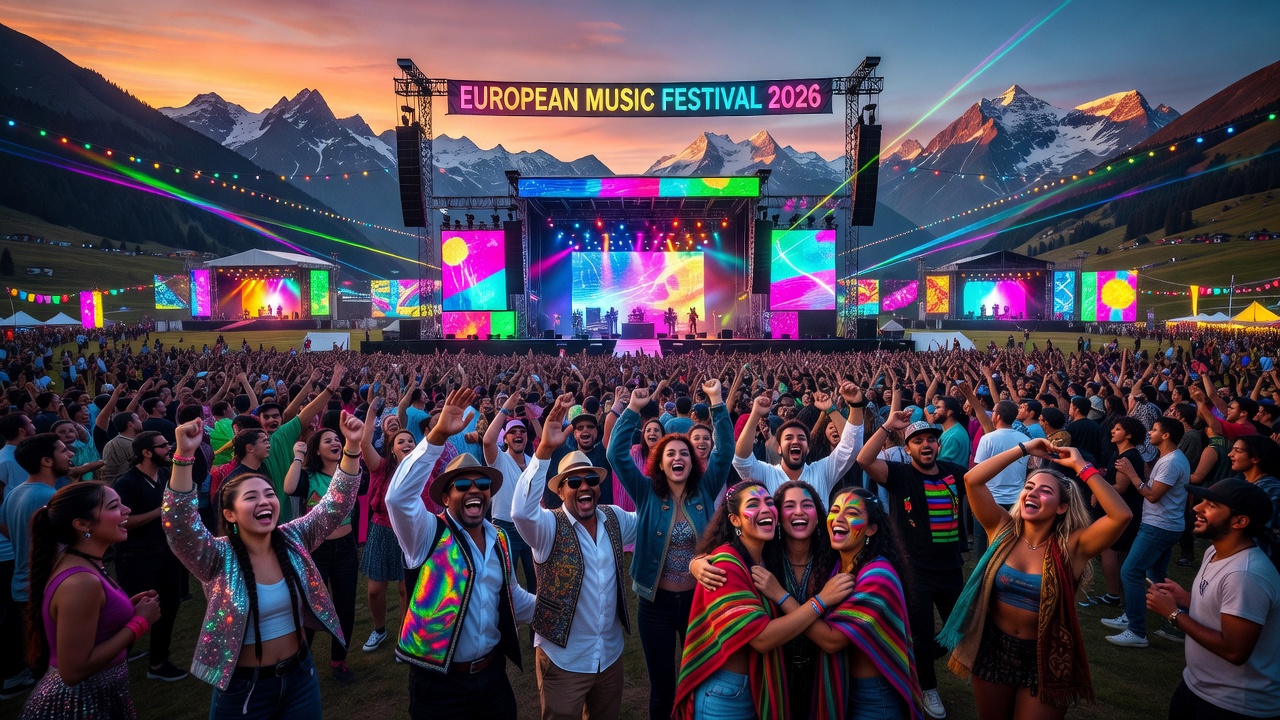
Major festivals in 2026 are transforming ordinary cities and regions into magnetic destinations that spark wanderlust. These events blend music, culture, and cuisine with local heritage, creating experiences far beyond standard sightseeing. Travelers seeking unique, timely ideas will find lesser-known festivals particularly rewarding as they offer authentic immersion without the overwhelming crowds of mainstream events. The intersection of events and travel allows destinations to shine through seasonal highlights, turning a simple trip into a transformative journey filled with shared moments and cultural discovery. This phenomenon encourages deeper connections with places, where the energy of performances and gatherings lingers long after the final note or parade.
Top Music Festivals Across Continents
From European fields to Asian mountains, music festivals anchor many 2026 itineraries. Coachella in California remains iconic with its desert setting and diverse lineups, but consider emerging events like the Iceland Airwaves in Reykjavik for intimate performances against volcanic backdrops. In Asia, the Ziro Festival in India combines indie music with tribal traditions in the Himalayan foothills, drawing adventurous music lovers who seek both sounds and scenery. Europe offers the Roskilde Festival in Denmark, known for its community vibe and sustainable practices, while South America's Rock in Rio delivers massive stages amid Brazilian energy. Additional highlights include Australia's Splendour in the Grass and Canada's Osheaga, each providing unique regional flavors that enhance the wanderlust factor through their natural surroundings and local artist spotlights.
Practical planning begins with early ticket purchases, ideally six to nine months ahead. Off-peak extensions allow visitors to explore surrounding areas after the main event, turning a weekend into a full cultural journey. Research local transportation options and consider rail passes for multi-city hops to enhance the overall experience without unnecessary stress.
Cultural and Food Festivals Worth the Trip
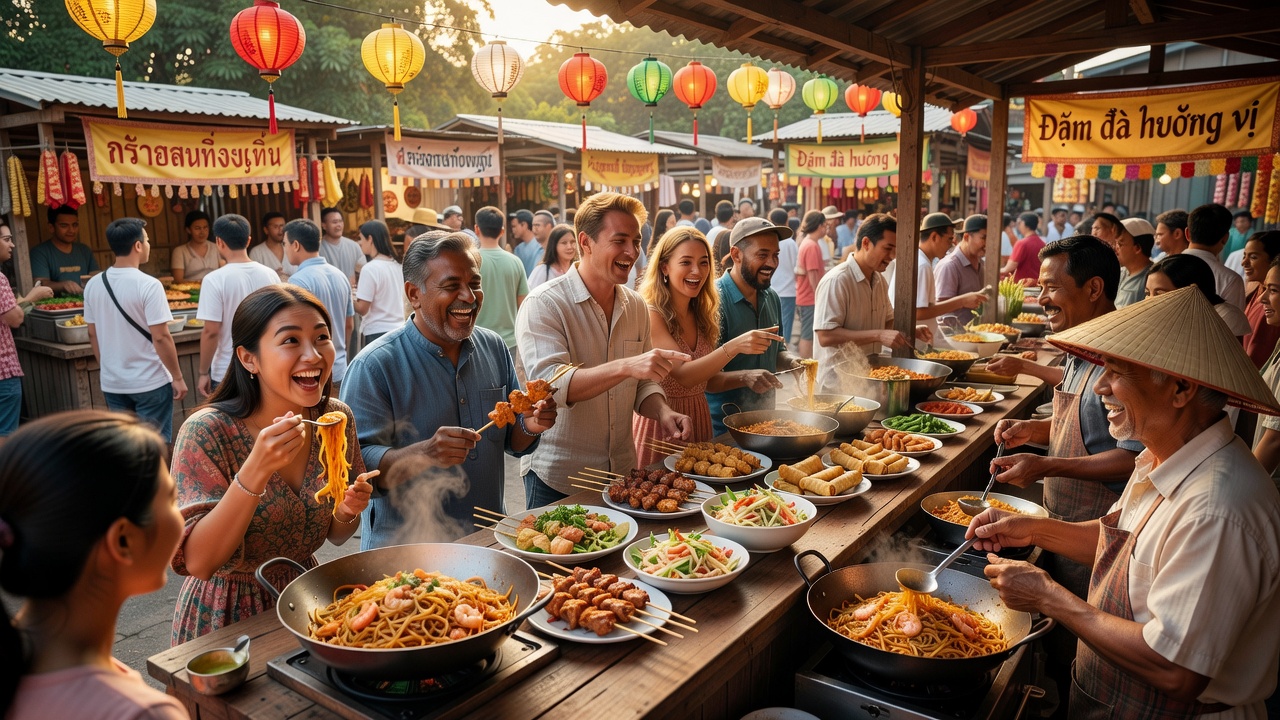
Cultural festivals highlight heritage in unforgettable ways. The Carnival of Venice in Italy features elaborate masks and parades that transport attendees to historical eras. Japan's Gion Matsuri in Kyoto offers traditional floats and street food alongside ancient temples. Food-focused events like the Melbourne Food and Wine Festival showcase regional produce through chef-led tastings and markets, while lesser-known options include the Oaxaca Guelaguetza in Mexico, celebrating indigenous dance and mole varieties. The Cape Town International Jazz Festival paired with local wineries creates memorable itineraries that combine event attendance with exploration of vineyards and coastal paths. In Africa, the Harare International Festival of the Arts brings together theater, music, and visual arts in Zimbabwe's capital, appealing to those interested in emerging creative scenes across the continent.
Practical Planning Steps for Festival Travel
Effective preparation ensures smooth and enjoyable trips. Start by securing tickets and accommodations immediately upon announcement to avoid price surges. Research visa requirements and health advisories via official government portals such as those from the World Health Organization. Build buffer days for recovery and side trips to nearby attractions like museums or natural parks. Always verify festival-specific guidelines on crowd management and entry protocols to stay informed.
- Monitor official festival websites for lineup announcements and early-bird options that maximize value.
- Book flexible flights or trains that allow changes if event dates shift slightly due to unforeseen circumstances.
- Pack versatile clothing for weather shifts common at outdoor venues, including layers and comfortable footwear for long days.
- Download offline maps and translation apps before arrival to navigate independently in new environments.
- Connect with local hosts through verified platforms for authentic dining recommendations and hidden gems.
- Review transportation schedules in advance to coordinate arrivals with peak festival times efficiently.
Comparing festival-driven visits to standard trips reveals key differences: festivals provide structured excitement and community, while solo travel allows flexible pacing but may lack the same energy and social connections that make events unforgettable.
Real-World Itinerary Examples and Budget Insights
Consider a 10-day European circuit: start with the Roskilde Festival in Denmark, then extend to Copenhagen for museums and design districts before heading to nearby coastal towns for relaxation. A similar Asian route might pair Thailand's Yi Peng Lantern Festival with Chiang Mai's night markets and temple visits, allowing time for cooking classes and hiking trails that reveal the region's natural beauty. Another example involves combining Mexico's Guelaguetza with day trips to ancient ruins, creating a balanced mix of celebration and exploration that deepens cultural understanding.
Qualitative budgeting favors mid-range lodging and local transport for cost efficiency. Group bookings often reduce per-person expenses for shared experiences, while focusing on street food and public events keeps spending manageable. Travelers can allocate resources toward experiences rather than luxury to maximize immersion and create lasting memories without excess strain.
United Nations World Tourism Organization provides valuable sustainability guidelines for event travel that help balance enjoyment with responsibility. UNESCO also offers insights into preserving cultural heritage during large gatherings, ensuring respectful participation.
Insider Tips for Immersive Experiences
Connect with locals through volunteer programs or workshop sessions offered by many festivals. Prioritize sustainable transport like trains over flights when possible to reduce environmental impact. Attend pre-festival workshops or after-parties for deeper cultural insights, and always respect local customs regarding photography and noise levels in residential areas. Engage with community-led tours to uncover stories behind the events that official guides might overlook.
Mistakes to Avoid When Planning Festival Trips
Common pitfalls include underestimating travel fatigue from back-to-back events or ignoring weather forecasts that can disrupt outdoor stages. Avoid overpacking by focusing on multi-use items, and never skip travel insurance that covers event cancellations. Research crowd sizes in advance to choose less intense options if large gatherings feel overwhelming. Failing to account for local holidays or transportation strikes can also derail plans, so cross-reference multiple sources for up-to-date information.
FAQ: Sustainability, Accessibility, and Extensions
How can travelers ensure sustainable festival attendance?
Choose events with carbon offset programs and support vendors using local ingredients. Extend trips by train to minimize emissions, following advice from global tourism bodies. Opt for reusable items and participate in on-site recycling initiatives to leave minimal footprints while enjoying the festivities.
What accessibility options exist at major 2026 festivals?
Many venues now offer wheelchair access, sign language interpreters, and quiet zones. Contact organizers directly for personalized accommodations well in advance, and check for companion seating or sensory-friendly areas that enhance inclusivity for all attendees regardless of ability.
Can post-festival extensions enhance the trip?
Absolutely. After events like the Edinburgh Fringe, linger for Scottish highlands hikes or nearby castle tours to create balanced, memorable journeys that blend high-energy festivals with reflective downtime and natural exploration across varied landscapes.
How do lesser-known festivals compare for first-time travelers?
Lesser-known events often provide more intimate settings with easier access to artists and locals, fostering genuine connections that larger festivals may not offer as readily, making them ideal for those seeking authentic wanderlust without the intensity of mega-events.
No comments yet. Be the first!