 PlaceBee
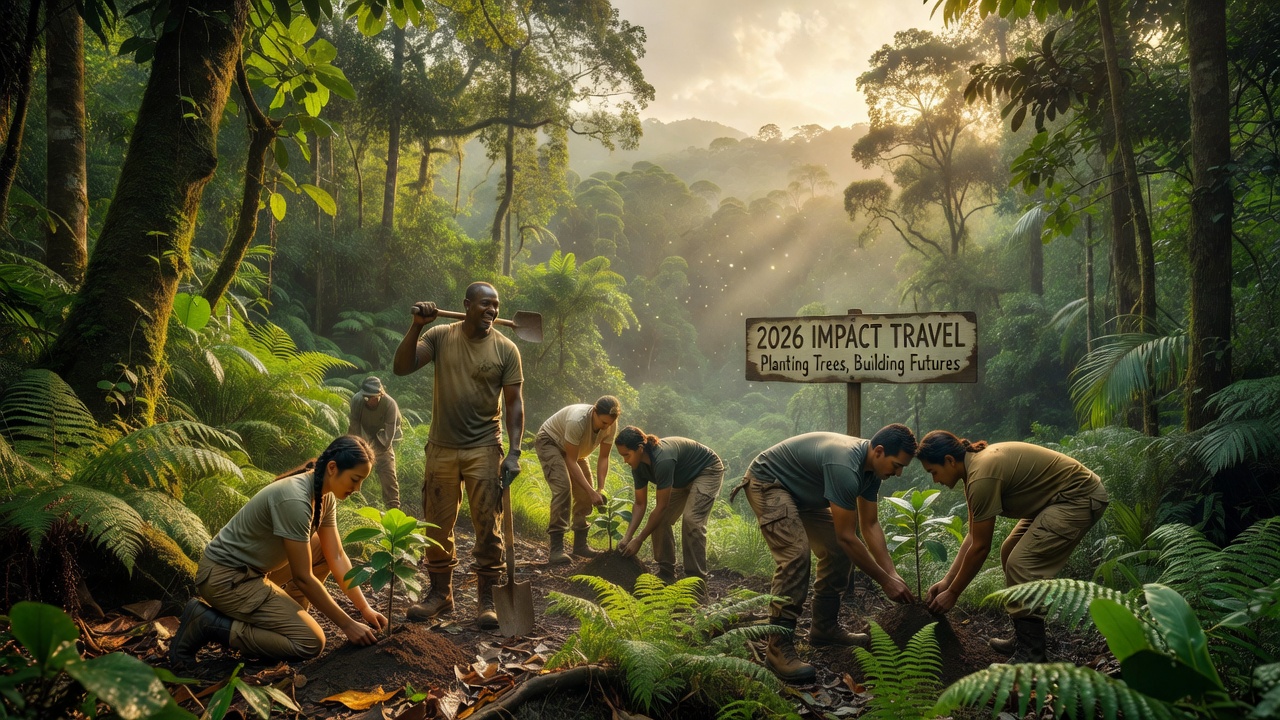
Introduction to Impact Travel in 2026
Impact travel in 2026 merges the thrill of exploration with purposeful contributions to communities worldwide. Travelers increasingly seek experiences that go beyond sightseeing, focusing on ethical wanderlust that supports sustainable development and cultural exchange. This approach addresses growing search intent for responsible tourism that creates lasting positive change while satisfying personal wanderlust. Volunteer destinations offer vivid landscapes, from misty mountains to vibrant coastal towns, paired with opportunities to make a difference. Whether you are a beginner or seasoned traveler, these trips foster personal growth through immersion and skill application. The year 2026 promises expanded options as more organizations prioritize measurable outcomes and inclusive participation.
Ethical wanderlust means choosing projects that respect local needs and avoid exploitation. Sustainable impact comes from aligning personal passions with community goals, creating memories that last long after the journey ends. This comprehensive guide covers everything from destination highlights to practical planning so you can embark with confidence and purpose.
Top Global Volunteer Destinations for 2026
Choosing the right location is key to sparking meaningful wanderlust. Costa Rica stands out with its biodiversity hotspots where volunteers assist in wildlife conservation and reforestation projects amid lush rainforests. The country's commitment to eco-tourism creates unforgettable backdrops for impactful work, from rescuing sea turtles on remote beaches to restoring cloud forests that teem with exotic birds and mammals.
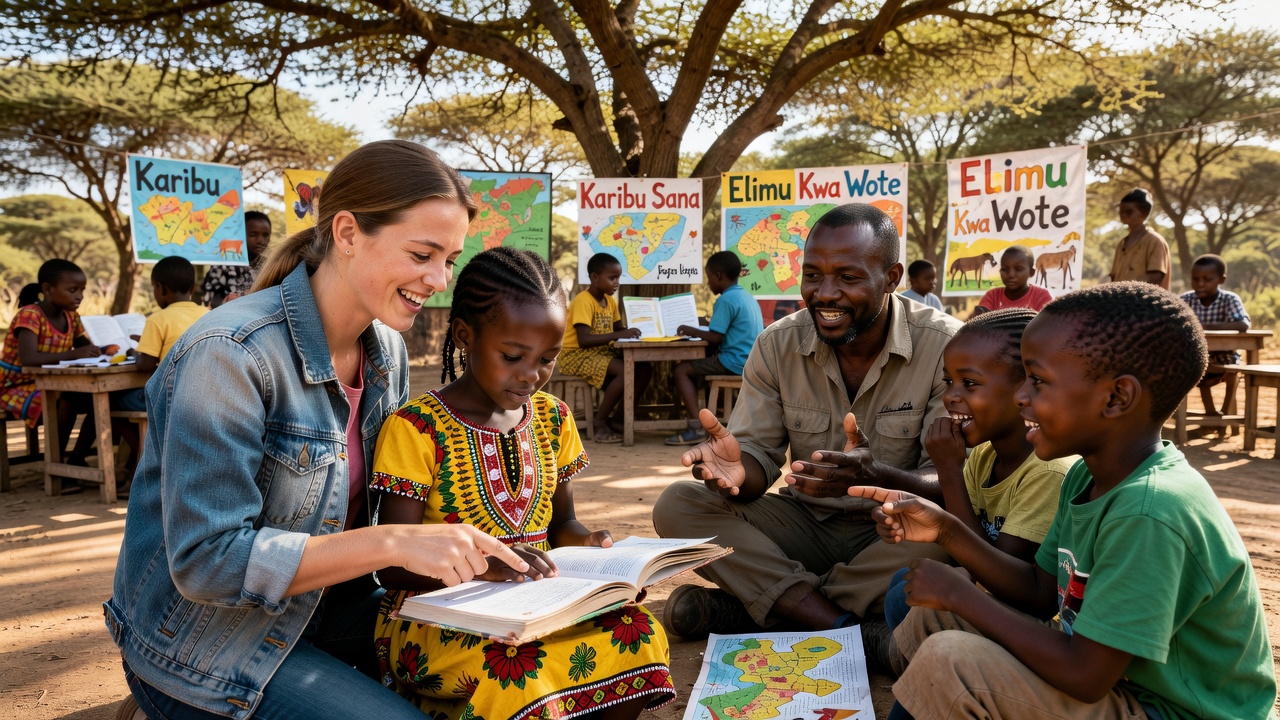
In Kenya, community-based initiatives in the savannah allow participants to support education and wildlife protection. Vivid sunsets over the plains pair with hands-on efforts that combat poaching and empower local schools. Volunteers often find themselves tracking wildlife or building water systems that transform daily life for families. Peru offers Andean mountain adventures where volunteers help preserve ancient Inca trails and promote sustainable agriculture in high-altitude villages. The dramatic peaks and vibrant markets provide constant inspiration while meaningful tasks connect participants to living history.
Thailand provides coastal and temple settings for marine conservation and teaching programs. Travelers dive into turquoise waters by day and engage with local culture by evening, building bridges through language exchange and environmental restoration. Additional standout locations include Nepal for Himalayan trail maintenance and community rebuilding after natural events, and Tanzania for health outreach and wildlife corridor protection. Each destination delivers unique sensory experiences that fuel wanderlust while delivering tangible benefits.
Skill-Matching Tips for Maximum Impact
Aligning your abilities with project needs enhances both results and satisfaction. Start by assessing your professional background—teachers excel in education programs, while medical professionals contribute to health clinics. Environmental scientists find fulfillment in conservation roles across multiple continents. Beginners can focus on generalist positions like community building or basic infrastructure support. Online platforms and pre-departure training help match skills effectively, ensuring volunteers feel prepared and valued. Consider soft skills such as adaptability and empathy, which often prove more valuable than technical expertise in cross-cultural settings. Create a personal inventory of strengths and research how they translate to specific volunteer roles before applying.
Step-by-Step Planning Guide
Planning an impact trip requires thoughtful preparation. First, research organizations with transparent ethics and strong local partnerships. Review past volunteer testimonials and impact reports to verify authenticity. Next, consider timing to align with project cycles and avoid peak tourist seasons that strain resources. Secure necessary vaccinations and travel documents early. Build cultural awareness through language apps and reading materials about host communities. Finally, pack versatile clothing and tools suited to the destination climate and tasks ahead. Create a flexible itinerary that includes buffer days for unexpected opportunities or challenges. Budget for both program fees and personal expenses while exploring scholarship options for those with limited funds. Consult official travel resources such as the US Department of State for the latest safety and entry information.
Short-Term vs Long-Term Programs Compared
Short-term programs, lasting one to four weeks, suit those testing the waters of volunteer travel. They deliver quick cultural immersion and visible project contributions without extended commitments. Participants often report immediate boosts in perspective and renewed wanderlust. These trips work well for professionals using limited vacation time. Long-term options, spanning months, allow deeper integration and skill development. Volunteers build lasting relationships and witness tangible community progress. The choice depends on availability, with short-term ideal for first-timers and long-term better for those seeking profound transformation. Hybrid models that combine both formats are gaining popularity in 2026, offering flexibility while maximizing outcomes.
Real Traveler Case Studies
Sarah, a graphic designer from Canada, joined a two-week mural project in Mexico. Her skills transformed public spaces while she learned Spanish phrases and local history, returning home with lasting connections and a portfolio of meaningful work. Another example is Jamal from the UK, who spent three months teaching digital literacy in rural India, leading to improved job prospects for students and a personal passion for global education advocacy. A third traveler, Elena from Australia, participated in a six-week marine cleanup in Indonesia and later launched a fundraising campaign that continues to support the same coastal community years later.
Benefits of Cultural Immersion
Volunteering accelerates authentic cultural exchange. Participants gain nuanced understanding of traditions, daily challenges, and resilience in host communities. This immersion fuels wanderlust by revealing destinations through local eyes rather than tourist lenses, creating memories that endure far beyond the trip. Language barriers dissolve through shared tasks, and friendships form that span continents. Many return with enhanced empathy and a broader worldview that influences career and lifestyle choices long term.
Common Mistakes to Avoid
Beginners often overlook thorough vetting of organizations, leading to mismatched expectations. Another frequent error is failing to learn basic local customs, which can unintentionally offend. Overpacking or underestimating physical demands also reduces effectiveness. Always prioritize listening over leading and focus on sustainable rather than flashy contributions.
FAQs on Safety, Visas, and Personal Growth
- Safety: Research current advisories and choose established programs with on-ground support. Travel with groups and follow local guidelines for secure experiences. Monitor updates from reliable sources including the World Health Organization.
- Visas: Many countries offer volunteer-specific visas; check official sources for requirements and extensions. Some nations provide special entry for humanitarian work.
- Maximizing Growth: Keep a reflective journal, engage in local customs, and set personal development goals before departure. Post-trip debriefing helps integrate lessons learned.
Additional considerations include insurance coverage and emergency contacts. The UN World Tourism Organization provides guidelines on responsible tourism practices worth reviewing in advance.
Avoiding Overtourism While Traveling Responsibly
Ethical impact travel steers clear of overcrowded hotspots by focusing on community-led projects in lesser-visited areas. Support local economies directly and minimize environmental footprints through low-impact practices. This mindful approach preserves destinations for future generations while deepening your connection to the places you visit. Choose programs that limit group sizes and emphasize education about carrying capacity.
Conclusion
Impact travel in 2026 invites you to blend adventure with altruism. By selecting meaningful volunteer destinations, matching skills thoughtfully, and planning responsibly, travelers create journeys that inspire wanderlust and drive real change. Begin your purposeful adventure today and discover how giving back amplifies the joy of exploration for everyone involved.

No comments yet. Be the first!