 PlaceBee
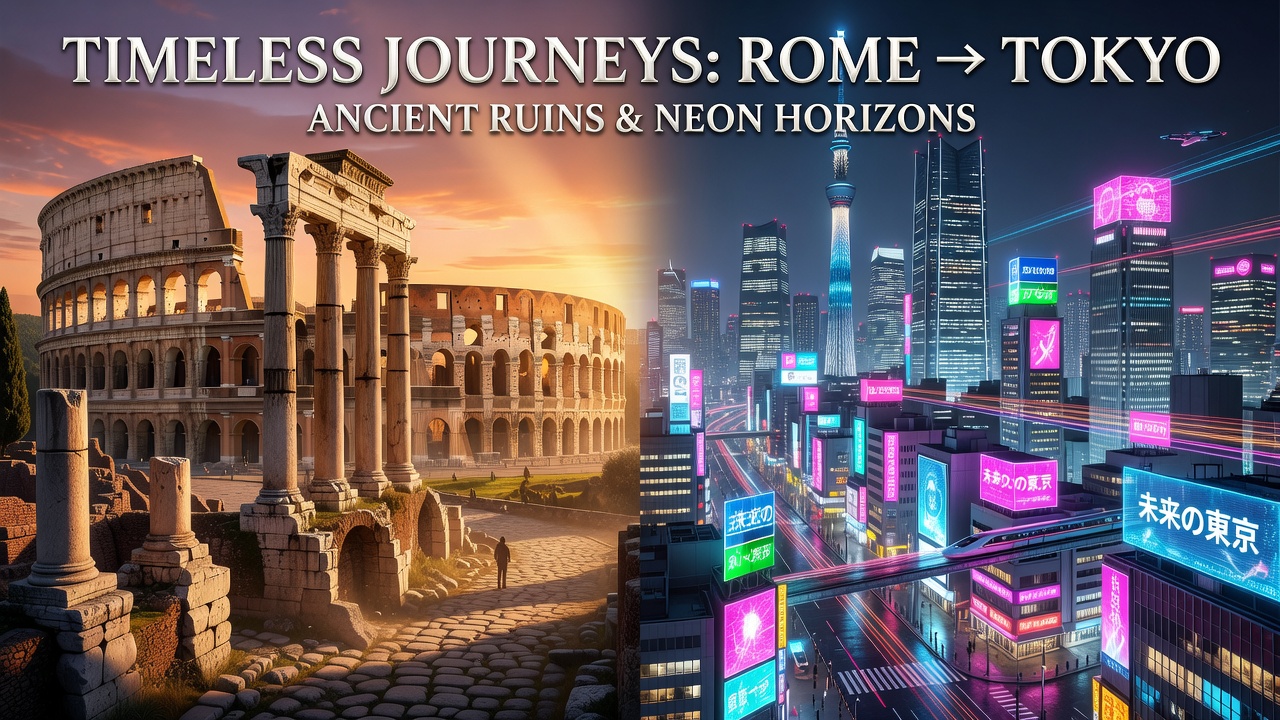
Planning a 2026 trip often begins with the magnetic pull of wanderlust, where travelers seek destinations that contrast the weight of history with the excitement of innovation. Historical sites offer layers of stories etched in stone and preserved through centuries, creating immersive journeys into human civilization. Modern cities, by contrast, showcase technological leaps, architectural boldness, and dynamic cultural scenes that point toward the future. This article explores these contrasts through examples like Rome’s ancient ruins versus Tokyo’s tech-forward districts, helping readers match their interests to the right experiences while providing practical steps for blending both worlds in one memorable trip.
Historical Destinations: Timeless Allure of Ancient Sites
Rome remains one of the most compelling historical destinations, where visitors can stand inside the Colosseum and imagine gladiatorial contests or wander the Roman Forum to trace the political heart of an empire. Beyond Italy, sites such as Machu Picchu in Peru reveal intricate Inca engineering high in the Andes, while Petra in Jordan showcases rose-red facades carved directly into cliffs. These locations invite travelers to slow down and absorb context through guided archaeological tours or quiet moments of reflection amid monumental ruins.
The appeal lies in tangible connections to the past. Travelers often report a sense of awe when touching weathered marble or viewing frescoes that have survived millennia. Cultural immersion extends to local traditions, such as tasting ancient-inspired recipes or attending festivals that celebrate historical events. These experiences foster deeper appreciation for continuity and resilience across generations.
Modern Destinations: Innovation and Futuristic Energy
Tokyo exemplifies modern dream destinations with its seamless blend of tradition and hyper-advanced technology. Districts like Shibuya pulse with digital billboards and high-speed rail connections, while Akihabara offers interactive robot cafes and electronics markets. Other standouts include Singapore’s Gardens by the Bay with its climate-controlled conservatories and Dubai’s record-breaking skyscrapers that redefine urban living. These cities emphasize convenience, creativity, and forward momentum.
Visitors enjoy constant stimulation through smart public transport systems, pop-up digital art exhibits, and culinary scenes that fuse global flavors with molecular gastronomy techniques. The energy encourages exploration at a brisk pace, whether testing the latest gadgets or attending innovation summits that preview 2030 trends.
Key Experience Differences
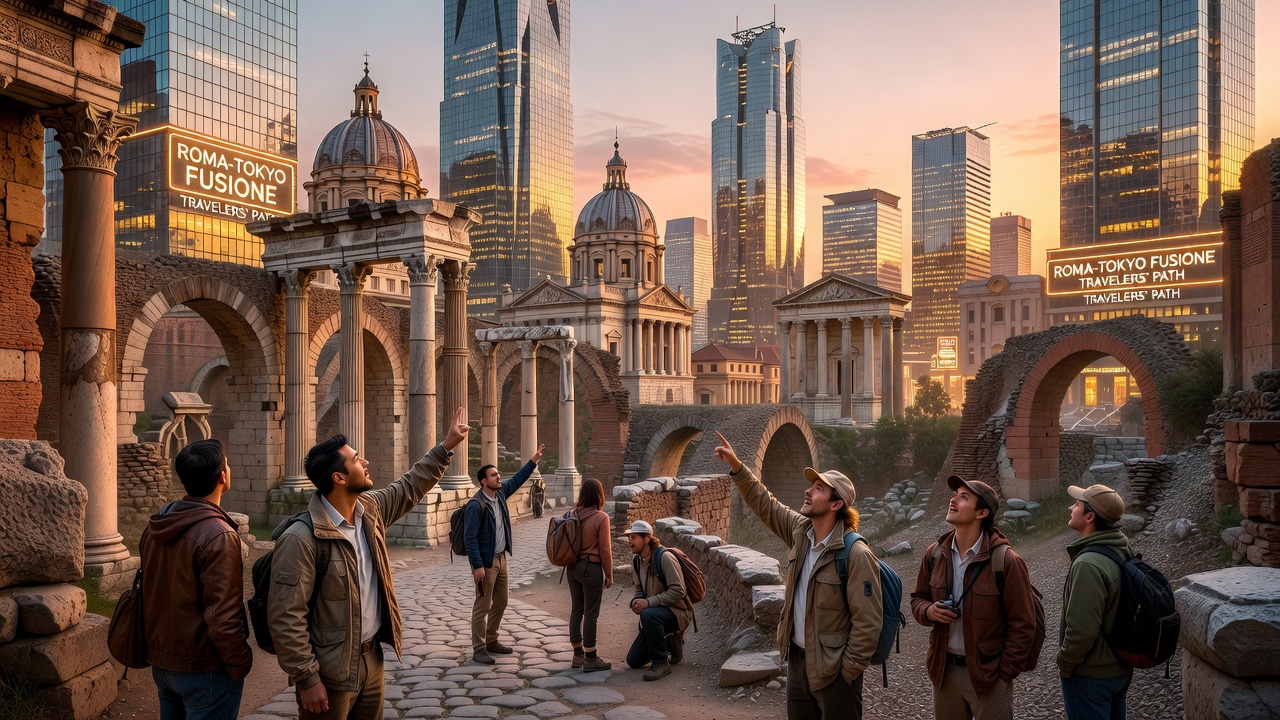
The divide between historical and modern destinations manifests across several dimensions. Historical sites typically feature slower pacing suited to contemplation, while modern hubs deliver high-energy environments with 24-hour accessibility. Activities differ sharply: ruins focus on photography of ancient stonework and storytelling tours, whereas tech cities prioritize gadget trials, virtual reality experiences, and skyline dining.
- Atmosphere and Pace: Ancient locations promote mindfulness and quiet discovery; futuristic cities thrive on constant motion and instant gratification.
- Culinary and Accommodation Options: Historical areas often highlight heritage recipes and boutique stays in converted monasteries, while modern zones offer fusion cuisine and capsule hotels or smart apartments with app-controlled features.
- Emotional Resonance: Ruins evoke respect for endurance and legacy; cutting-edge environments spark curiosity about progress and possibility.
- Accessibility Factors: Historical sites may involve uneven terrain and limited digital connectivity, contrasting with the barrier-free design and ubiquitous Wi-Fi of contemporary cities.
Matching Personal Interests to Destination Types
Travelers drawn to storytelling, archaeology, or architecture naturally align with historical destinations that reward patient observation and intellectual engagement. Those fascinated by technology, design trends, or vibrant nightlife find stronger connections in modern cities. Hybrid personalities benefit most from blended itineraries that alternate reflective days among ruins with energetic urban adventures. Consider your typical travel style: do you prefer guided lectures or interactive workshops? This self-assessment guides whether to prioritize Rome-style immersion or Tokyo-style dynamism.
Practical Planning Steps for 2026
Itinerary Blending Strategies
Effective blending starts with logical routing. Begin in a historical hub such as Rome for cultural grounding, then transition via direct flight to Tokyo for futuristic contrast. Allocate at least four days per major stop to allow genuine exploration rather than rushed checklists. Incorporate rest days between long-haul segments to manage fatigue, and use rail passes where possible for scenic overland segments that bridge regions.
Budget and Sustainability Considerations
Focus on shoulder seasons for better availability and value without sacrificing weather quality. Invest early in multi-site passes and local transport cards to streamline movement. Sustainability integrates naturally through choices like supporting community-led tours at ancient sites and selecting energy-efficient hotels in modern cities. Research official tourism portals for current guidelines on responsible visitation that protect both heritage and urban environments.
FAQs on Seasonal Timing and Sustainability
When is the best time to visit Rome versus Tokyo? Rome offers optimal conditions in spring and autumn when temperatures support extended outdoor exploration of ruins without summer crowds. Tokyo excels during cherry blossom season or autumn foliage periods, delivering comfortable weather for city walking and outdoor events.
How can travelers make these trips more sustainable? Choose certified eco-lodges, minimize plastic use, and participate in local conservation programs. Many destinations now provide official carbon offset options through government tourism boards to reduce overall impact.
What common mistakes should be avoided when blending destination types? Overpacking itineraries without buffer time leads to burnout; always leave flexibility for spontaneous discoveries. Ignoring visa or entry requirement updates can disrupt plans, so verify current policies well ahead of travel.
Actionable Tips for Memorable 2026 Journeys
- Conduct a personal interest audit covering history, technology, food, and adventure preferences to determine the ideal historical-to-modern ratio.
- Leverage mobile apps for real-time crowd monitoring at popular sites to optimize visit timing and enhance enjoyment.
- Book at least one signature experience per destination type, such as a private ruin tour or a robotics workshop, to create lasting memories.
- Pack adaptable clothing layers suitable for cobblestone paths and climate-controlled transit systems alike.
- Document your journey with reflective journaling to capture how past and future vibes interact during the trip.
Creating journeys that honor both heritage and innovation results in travel that feels grounded yet forward-looking. Whether captivated by Rome’s enduring ruins or Tokyo’s evolving skyline, careful preparation transforms 2026 wanderlust into deeply satisfying adventures. For additional planning resources, consult UNESCO World Heritage resources, Japan National Tourism Organization, and Singapore Tourism Board for authoritative, up-to-date guidance.

No comments yet. Be the first!