 PlaceBee
Introduction to Culinary Wanderlust in 2026
Food-focused travel continues to captivate adventurers seeking authentic flavors and cultural immersion. In 2026, destinations worldwide are elevating their gastronomic offerings with innovative twists on traditional recipes and sustainable practices. This guide highlights must-visit cities with emerging food scenes, seasonal ingredient highlights, comparisons between street food and fine dining, and actionable booking strategies for food tours. Travelers are increasingly drawn to experiences that connect them directly with local producers, chefs, and markets, creating journeys that go far beyond typical sightseeing. Whether you're a seasoned foodie or planning your first culinary escape, these locations promise memorable experiences built around local cuisine. Real-world examples include signature dishes like Tokyo's fresh sushi and Mexico City's vibrant tacos al pastor, paired with suggested itineraries that balance exploration and indulgence. The year 2026 promises heightened focus on sustainability, with many regions emphasizing farm-to-table concepts and reduced food waste initiatives that enhance the overall appeal of gastronomic travel.
Emerging Food Scenes in Must-Visit Cities
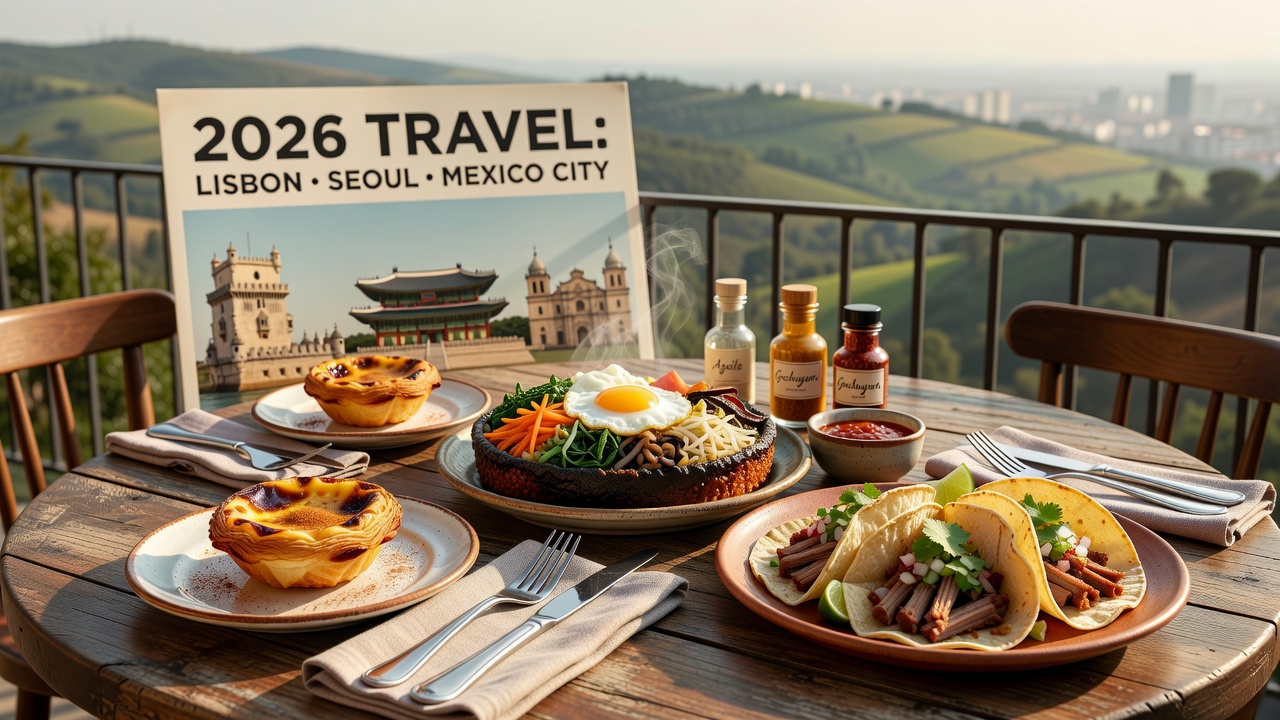
Several cities are gaining recognition for their evolving culinary landscapes. Lisbon, Portugal, stands out with its fusion of traditional pastéis de nata and modern seafood innovations, where chefs experiment with Atlantic catches in creative small plates. Seoul, South Korea, offers dynamic street markets alongside refined hanjeongsik meals that showcase fermented flavors and seasonal banchan. Mexico City continues to shine with its blend of indigenous ingredients and contemporary techniques, from mole preparations to inventive taco variations. Additional rising stars include Cape Town, South Africa, with its emphasis on indigenous fynbos herbs in fine dining, and Hanoi, Vietnam, where pho and banh mi evolve through fusion influences. Travelers can explore these hubs through guided experiences that emphasize seasonality and locality. For deeper insights into global food trends, consult resources from Michelin. These cities also host vibrant food festivals throughout the year, providing opportunities to sample limited-time offerings and meet artisans who preserve age-old methods while embracing modern sustainability standards.
Seasonal Ingredient Highlights for 2026
Timing your trip with peak seasons enhances every meal. Spring in the Mediterranean brings fresh asparagus and herbs, while autumn in Asia highlights mushrooms and root vegetables perfect for hearty broths and stir-fries. In South America, summer yields tropical fruits perfect for desserts and cocktails. European winters feature truffles and citrus that elevate simple dishes into extraordinary ones. Planning around these cycles ensures access to the freshest produce and supports local farmers. A sample seasonal itinerary might start with market visits in the morning followed by cooking classes in the afternoon, allowing participants to understand how ingredients transform from farm to plate. Organizations like FAO provide valuable guidance on sustainable sourcing that aligns with these seasonal rhythms. By aligning travel with harvest periods, visitors not only enjoy superior taste but also contribute to eco-friendly practices that protect biodiversity in key growing regions.
Street Food Versus Fine Dining: A Comparison
Street food delivers quick, affordable bursts of flavor in bustling environments, such as Bangkok's pad thai stalls or Istanbul's simit vendors. Fine dining, by contrast, provides elevated presentations and multi-course tasting menus in settings like Copenhagen's renowned restaurants. Both approaches offer unique value. Street eats foster spontaneous discoveries and direct interaction with vendors who often share family recipes passed down through generations. Fine dining delivers curated narratives around ingredients, often incorporating storytelling about provenance and preparation techniques. Many travelers combine the two for a balanced experience that captures the full spectrum of a destination's food culture. Consider these key differences when choosing your focus:
- Atmosphere and pace: Street food thrives on energy and immediacy, while fine dining emphasizes relaxation and attention to detail.
- Ingredient focus: Street vendors prioritize speed and bold spices, whereas upscale venues highlight precision and rare or seasonal items.
- Cultural access: Markets reveal everyday life, but tasting menus often include rare or protected dishes not found elsewhere.
- Learning opportunities: Both can include chef interactions, though street tours frequently involve hands-on market navigation tips.
Practical Booking Tips for Food Tours
Secure reservations early, especially for popular tours in high-demand cities. Look for operators that prioritize small groups and local guides with deep community ties. Verify inclusions like tastings, transportation, and dietary accommodations when comparing options. Consider flexible dates to align with festivals or harvest seasons. Checking official tourism sites provides reliable updates on availability and safety protocols. Additional steps include reading recent traveler reviews for authenticity, confirming cancellation policies, and inquiring about group size limits to ensure personalized attention. Partnering with established platforms or local tourism boards helps avoid scams while supporting ethical operators. Resources from UNWTO offer broader context on responsible tourism practices that extend to culinary experiences. Always prepare a list of questions about ingredient sourcing and kitchen hygiene standards before committing.
Signature Dishes and Sample Itineraries
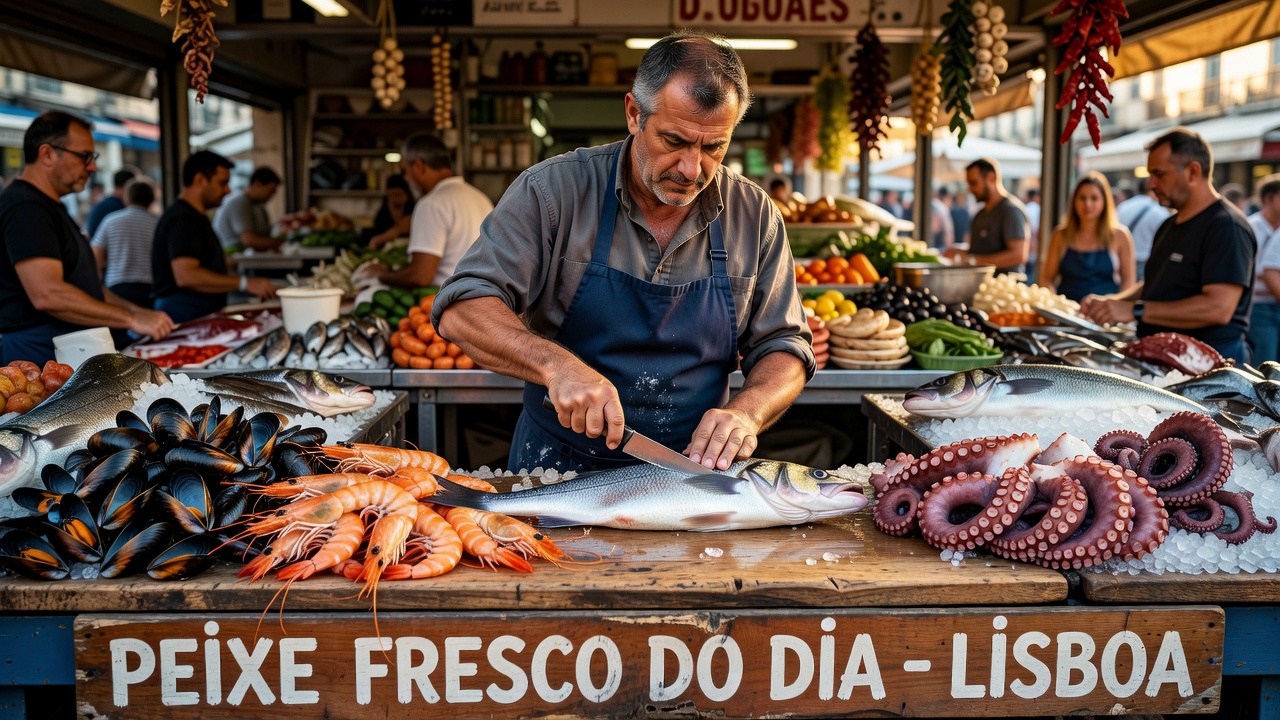
Signature experiences include savoring Neapolitan pizza in Italy or exploring Tokyo's ramen shops. A three-day itinerary for Lisbon could feature a pastel de nata workshop on day one, a seafood market tour on day two, and a fine dining reservation on day three. In Seoul, visitors might spend mornings at Gwangjang Market sampling bindaetteok, afternoons in cooking classes focused on kimchi, and evenings at hanjeongsik restaurants. These plans allow time for digestion and cultural side activities like museum visits or neighborhood walks. Extending to a full week permits deeper dives, such as visiting vineyards near Lisbon or attending a Seoul night market crawl. Each itinerary balances structured tours with free time for independent exploration, ensuring travelers return home with both recipes and stories to share.
FAQ: Dietary Restrictions and Budget Planning
- How do I handle dietary restrictions? Inform tour operators in advance; many accommodate vegetarian, vegan, or gluten-free needs with customized menus and alternative tastings.
- What about budget considerations for food travel? Focus on mix-and-match approaches, prioritizing street food for daily meals and occasional splurges on upscale experiences to stretch resources effectively.
- Are there health precautions for food tours? Consult WHO guidelines for safe eating practices abroad and choose operators who follow strict hygiene protocols.
- Can families with children join food-focused trips? Many tours offer kid-friendly adaptations, with milder spice levels and interactive elements suitable for all ages.
- How far in advance should bookings be made? Popular 2026 destinations often require reservations three to six months ahead during peak seasons to secure spots.
Always research visa requirements and health advisories before departure for seamless journeys.
Conclusion
2026 presents exciting opportunities for culinary wanderlust across diverse destinations. By focusing on emerging scenes, seasonal timing, and thoughtful comparisons, travelers can craft dream trips centered on flavor and discovery. Start planning today to turn these inspirations into reality, creating memories that celebrate both global cuisines and the people behind them.


No comments yet. Be the first!