 PlaceBee
Introduction: Choosing Your 2026 Wanderlust Escape
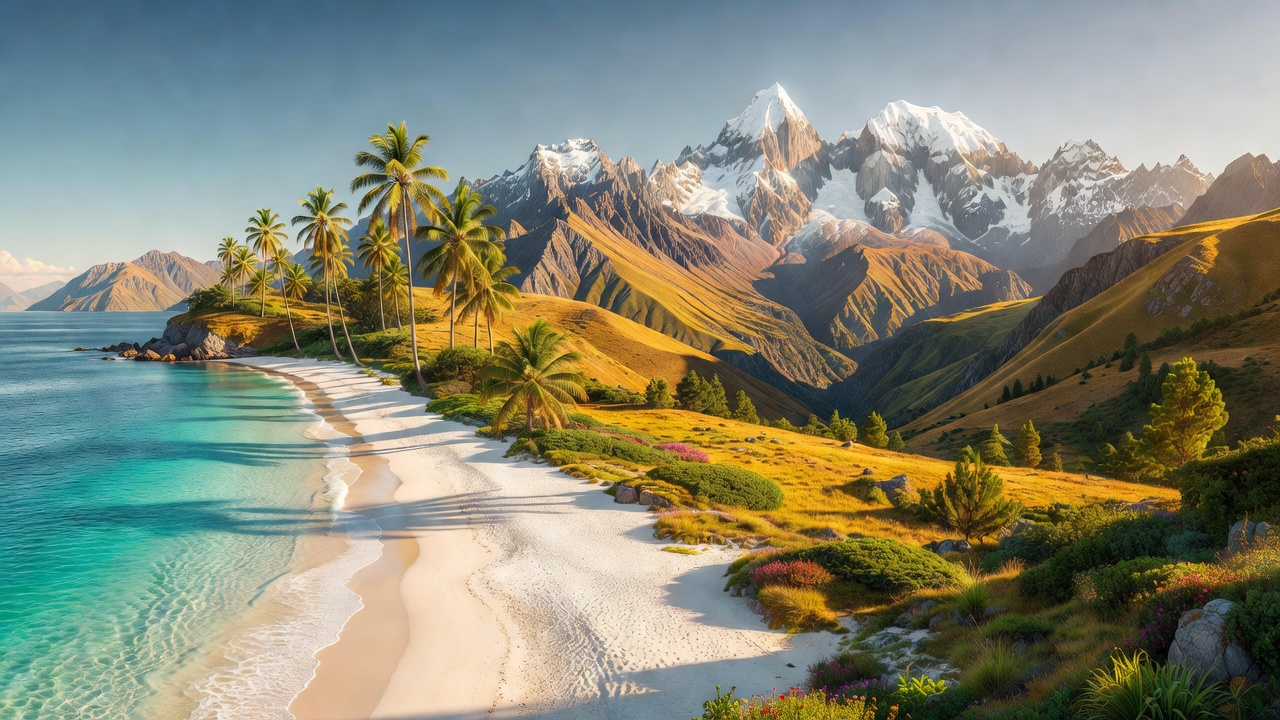
Travelers planning their 2026 adventures often find themselves torn between two iconic types of escapes: the rhythmic pull of beach destinations and the majestic allure of mountain retreats. This comparison helps align personal wanderlust triggers—whether seeking restorative calm or adrenaline-fueled discovery—with practical 2026 travel goals. Both environments offer unique ways to disconnect from daily routines and reconnect with nature, but they differ significantly in atmosphere, required preparation, and long-term impact on travelers. By examining key factors such as vibe, activities, accessibility, seasonal timing, costs, and sustainability, you can make a choice that truly fuels inspiration rather than simply filling a vacation slot. This guide goes beyond surface-level advice to provide concrete examples, packing strategies, real-world case studies, and decision tools tailored for the coming year.
Understanding the Core Vibes and How They Fuel Inspiration
Beach environments create a sensory immersion centered on water, sand, and open horizons. The steady sound of waves promotes mindfulness and reduces stress hormones, making these spots ideal for creative professionals or anyone recovering from burnout. In contrast, mountain landscapes deliver vertical drama and changing elevations that stimulate the senses through panoramic views, cooler breezes, and the physical achievement of reaching summits. Psychologically, beaches encourage passive reflection while mountains foster active problem-solving and resilience. For 2026 wanderlust seekers, choosing the right vibe depends on whether your primary goal is emotional restoration or personal growth through challenge. Many travelers report that beach trips spark artistic ideas through color and light, whereas mountain journeys lead to breakthroughs in clarity and motivation after completing demanding hikes.
Key Activities and Experiences Compared
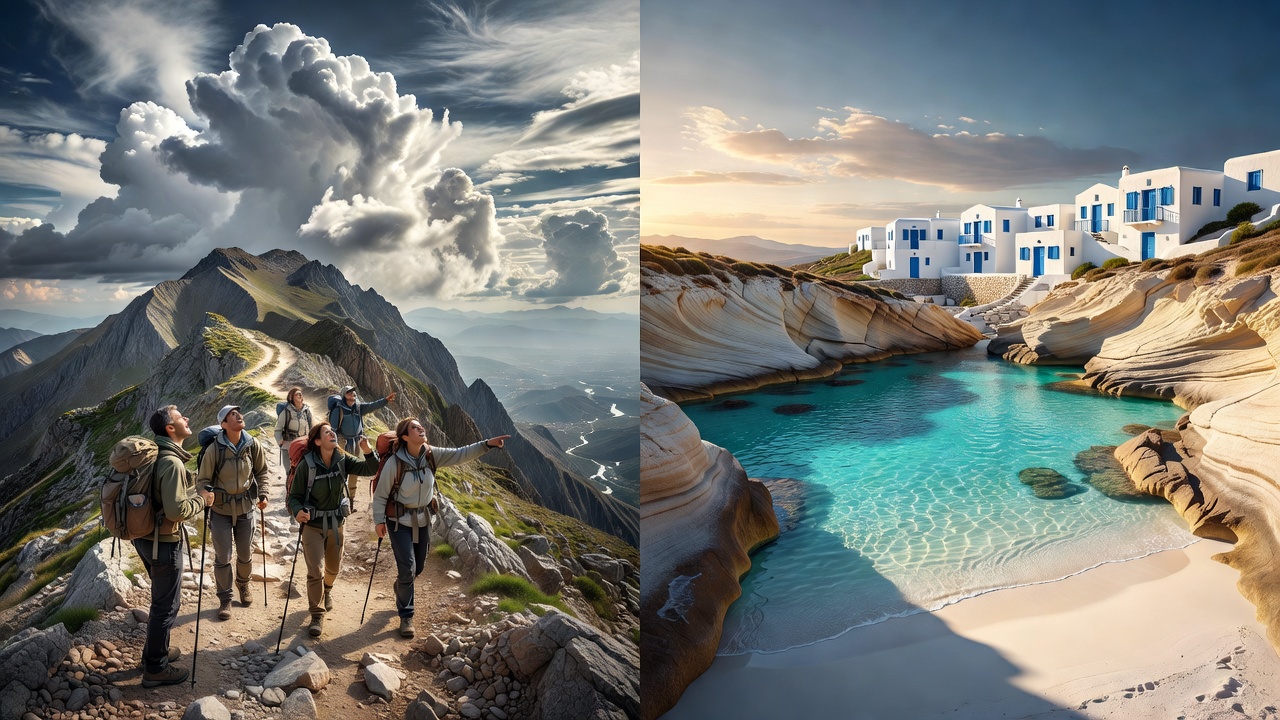
Coastal escapes typically revolve around water-based pursuits such as snorkeling among coral reefs, paddleboarding at sunrise, beachcombing for shells, and evening seafood feasts prepared with local catches. Hidden Greek islands like Ikaria offer thermal springs and hiking trails that combine beach relaxation with light adventure. Mountain escapes emphasize terrestrial exploration including multi-day treks, rock climbing, wildlife photography in alpine meadows, and stargazing at high altitudes where light pollution is minimal. Andean peaks in Peru provide opportunities to visit ancient Inca ruins while acclimating to thinner air. Hybrid travelers in 2026 increasingly plan routes that start with coastal relaxation before ascending to nearby highlands for contrast. Both settings support wellness activities, but beaches lean toward yoga and meditation while mountains favor breathwork and endurance training.
Accessibility, Seasonal Appeal, and 2026 Timing Considerations
Beach destinations often feature easier year-round access via major airports and ferry services, though hurricane season in the Caribbean and Mediterranean can disrupt plans between June and November. Mountain regions require more logistical planning due to winding roads, cable cars, or trail permits, with optimal windows typically in spring and fall to avoid extreme snow or summer crowds. For 2026, shoulder months such as April-May and September-October promise fewer tourists and better value across both categories. Consider flight availability and visa requirements early, especially for international peaks or islands. Travelers with mobility concerns may find flat coastal areas more accommodating, while those seeking solitude should target remote Andean valleys or lesser-visited Greek archipelagos.
Detailed Pros and Cons of Beach Escapes
- Pros: Immediate access to swimming and water sports, abundant fresh seafood and local markets, opportunities for sunset photography and marine life encounters, lower physical exertion for relaxation-focused trips, vibrant social scenes at beach clubs or villages.
- Cons: Higher humidity and insect activity in tropical zones, risk of overcrowding at famous shores during peak summer, limited opportunities for elevation-based training, potential erosion or pollution issues at popular sites, and variable water quality after heavy rains.
Detailed Pros and Cons of Mountain Escapes
- Pros: Dramatic scenery that changes with altitude, physical challenges that build fitness and confidence, cooler temperatures even in summer, rich biodiversity and stargazing potential, cultural encounters with highland communities and historical sites.
- Cons: Altitude sickness risks for unacclimated visitors, more expensive specialized gear and guides, unpredictable weather including sudden fog or storms, steeper learning curve for navigation, and longer travel times to trailheads from major cities.
2026 Destination Spotlight: Hidden Greek Islands Versus Andean Peaks
Beach-focused travelers should consider undiscovered Greek islands such as Folegandros or Ikaria, where traditional tavernas, secluded coves, and hiking paths through terraced hillsides provide authentic experiences away from cruise ship crowds. These spots combine classic Mediterranean turquoise waters with opportunities for cultural immersion through local festivals and olive harvesting. For mountain enthusiasts, the Andean cordillera offers world-class options including Bolivia’s Cordillera Real or Peru’s Ausangate circuit, featuring turquoise lakes, rainbow mountains, and encounters with Quechua communities. Both regions benefit from improved sustainable tourism infrastructure in 2026. UNESCO World Heritage sites serve as excellent anchors for planning either type of trip, ensuring visits to culturally significant locations.
Comprehensive Packing and Planning Tips
Beach packing lists should include lightweight, quick-dry clothing, reef-safe sunscreen, snorkel gear, and reusable water bottles to minimize plastic waste. Add a wide-brimmed hat and electrolyte supplements for hot days. Mountain packing requires moisture-wicking base layers, a reliable rain shell, sturdy hiking boots, trekking poles, and a first-aid kit with altitude medication. Both trips benefit from digital copies of passports, offline maps, and travel insurance covering adventure activities. Planning steps include booking accommodations 4-6 months ahead for popular 2026 windows, researching local festivals, and downloading translation apps for non-English regions. Always verify current entry rules through official government channels before departure.
Cost Comparisons and Budgeting Strategies
Beach vacations often incur higher lodging expenses near prime waterfront locations, while mountain trips can range from affordable village homestays to premium eco-lodges. Focus on value by choosing shoulder seasons, eating at local establishments, and using public transport or shared shuttles instead of private transfers. Long-term savings come from investing in quality gear that lasts multiple trips rather than renting repeatedly. Qualitative factors such as the number of included activities and proximity to attractions matter more than absolute numbers when comparing the two escape styles.
Real Traveler Case Studies
A graphic designer from Barcelona swapped a planned Greek beach week for a last-minute Andean trek after reading traveler forums and discovered renewed creative energy from the physical challenge and high-altitude perspectives. She documented the journey through daily sketches and returned with a new portfolio direction. Another couple from Canada extended their stay on a quiet Greek island after stumbling upon hidden sea caves that inspired underwater photography projects. They cited the slower pace as the key factor in reducing work-related stress. A solo hiker who alternated between both environments in one extended trip reported that starting with beach recovery prepared his body for subsequent mountain exertion, creating a balanced 2026 itinerary that maximized both relaxation and adventure.
Decision Flowchart for 2026 Travelers
- Identify your primary goal: pure relaxation and sensory reset points toward beaches, while physical accomplishment and mental clarity favor mountains.
- Assess climate preference: consistent warmth and humidity versus cooler, variable temperatures.
- Evaluate physical readiness and mobility needs: flat terrain and easy access versus willingness to hike and acclimate.
- Review crowd tolerance: popular beaches can feel busy in July-August while remote peaks offer solitude but require permits.
- Factor in trip duration and budget flexibility before finalizing.
- Cross-check with sustainability priorities and book accordingly.
Sustainability Notes and Responsible Travel Practices
Support certified eco-lodges and local guides who reinvest in conservation. On beaches, avoid single-use plastics and participate in reef restoration activities where available. In mountains, strictly follow Leave No Trace principles by packing out all waste and staying on marked trails to protect fragile ecosystems. National Geographic travel resources provide updated guidance on low-impact itineraries. Choosing smaller, community-based operators helps distribute economic benefits more equitably and preserves the authentic character of both coastal and highland destinations for future visitors.
Frequently Asked Questions
What weather risks should I prepare for?
Beaches face tropical storms and jellyfish blooms in certain seasons, while mountains can experience flash floods, lightning, or sudden temperature drops. Always monitor local forecasts and carry appropriate insurance that covers weather-related cancellations.
How do crowd levels typically compare?
Iconic beaches experience peak density from June through August, whereas high-altitude trails see fewer visitors but may require advance reservations or permits, especially near popular Andean routes.
Can I realistically combine beach and mountain elements?
Yes, several regions allow day trips between coast and peaks within a single journey, creating varied 2026 experiences without excessive travel time.
Are there specific health considerations?
Beach travelers should focus on sun protection and hydration, while mountain visitors need gradual altitude acclimatization and awareness of dehydration risks at elevation.
Conclusion
Whether your 2026 wanderlust leads you to turquoise shores or towering summits, thoughtful comparison of vibes, activities, and practical factors ensures a deeply satisfying escape. Use the insights, examples, and decision tools in this guide to select the destination that best matches your personal goals and contributes positively to the places you visit.


No comments yet. Be the first!