 PlaceBee
Introduction: How Art Ignites Wanderlust in 2026
Travelers increasingly seek destinations where visual arts and creative experiences merge with sightseeing. This fusion creates profound connections, transforming standard trips into sources of lasting inspiration. For 2026, art-forward locations offer workshops, gallery visits, and immersive cultural encounters that satisfy both seasoned creatives and curious explorers. Visual arts have long served as powerful catalysts for wanderlust, encouraging people to venture beyond typical tourist paths in pursuit of personal expression and cultural depth. Whether you are an amateur painter hoping to capture new landscapes or a photographer chasing urban inspiration, destinations rich in artistic heritage provide fertile ground for growth. In 2026, the post-pandemic resurgence of cultural travel means more accessible residencies, pop-up exhibitions, and hybrid digital-physical workshops than ever before.
Art-inspired journeys differ from conventional vacations because they emphasize active participation rather than passive observation. Travelers return not only with photographs but also with sketchbooks filled during plein-air sessions, handmade ceramics, or even collaborative murals created alongside local artists. This article examines top destinations, compares famous and emerging hubs, delivers a detailed planning framework, shares expanded traveler stories, and answers essential questions about timing and budgets to help you craft a truly transformative trip.
Top Art-Forward Destinations for 2026
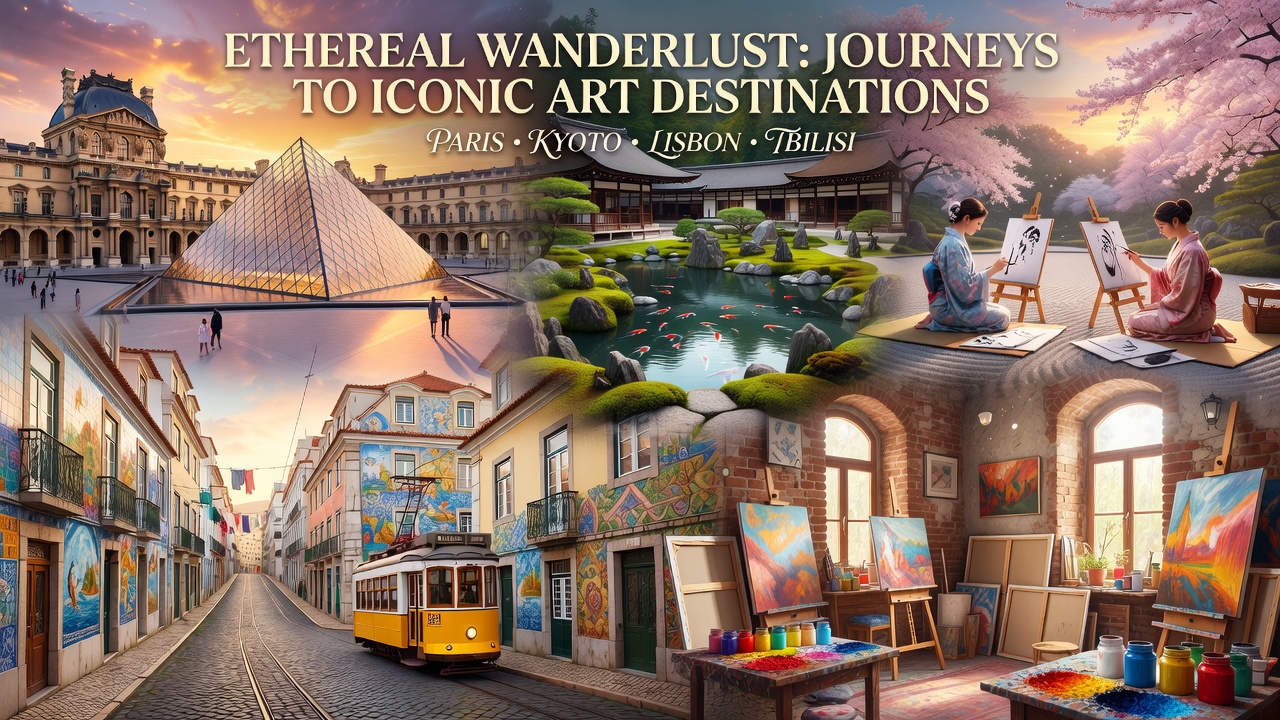
Several cities stand out for their rich artistic offerings paired with practical access. Paris remains iconic with its world-class institutions, while Kyoto blends traditional crafts with modern installations. Emerging spots like Lisbon and Tbilisi provide fresh perspectives without overwhelming crowds. Additional standout locations include Mexico City’s vibrant mural districts and Reykjavik’s burgeoning design scene, each offering unique seasonal programming tailored to creative travelers.
In Paris, visitors can attend live painting sessions at the Louvre extensions and explore neighborhood ateliers in Montmartre. Kyoto offers temple-based calligraphy workshops alongside contemporary galleries showcasing ukiyo-e influences. Lisbon’s street-art districts pair with ceramic-making classes, and Tbilisi features underground artist studios amid historic architecture. Mexico City provides opportunities to join community-led mural projects in neighborhoods like Coyoacán, while Reykjavik hosts winter light installations that inspire photographers during the darker months.
Practical examples include booking multi-day residencies in Kyoto’s historic districts or joining guided mural tours in Lisbon’s LX Factory. In Mexico City, travelers might spend mornings at the Frida Kahlo Museum followed by afternoon stencil workshops. These experiences integrate seamlessly with sightseeing, allowing travelers to return home with personal artworks and deeper cultural insights that continue to fuel future wanderlust.
Famous vs Emerging Artistic Hubs: A Comparison
Famous hubs like Paris and New York deliver unmatched collections and infrastructure but often involve higher crowds and costs. Emerging hubs such as Tbilisi and Mexico City’s outer neighborhoods offer authentic interactions, lower barriers to entry, and rapidly evolving scenes. The choice between these two categories depends on your travel style, budget flexibility, and desired level of creative immersion.
- Accessibility: Iconic cities feature extensive public transport and English-language programming, while emerging locations reward independent explorers with intimate studio visits and spontaneous collaborations.
- Cost and Crowds: Established destinations require advance bookings and can feel crowded at peak times; newer ones allow spontaneous participation in local festivals and artist open houses.
- Creative Output: Both provide workshops, yet emerging spots often emphasize collaborative, community-led projects that foster unique wanderlust memories and unexpected artistic breakthroughs.
- Infrastructure and Support: Famous cities offer specialized art supply stores, shipping services for finished works, and established artist networks, whereas emerging destinations encourage resourcefulness and local material experimentation.
Travelers seeking prestige may prioritize famous sites, whereas those craving discovery thrive in emerging locales. Hybrid itineraries combining one of each type maximize contrast and inspiration, creating a balanced journey that satisfies multiple creative impulses.
Step-by-Step Guide to Planning Creative Itineraries
- Define artistic goals—painting, photography, or sculpture—and match them to destinations with matching workshops. Research specific instructors and read recent participant reviews to ensure alignment with your skill level.
- Research seasonal events using official tourism calendars to align visits with festivals or exhibitions. Cross-reference multiple sources to avoid overlapping commitments and secure spots in popular sessions early.
- Book accommodations near creative districts for easy access to studios and galleries. Consider artist residencies or co-living spaces that include shared workspaces and community events.
- Allocate time for both structured classes and unstructured exploration to balance learning with personal reflection. Build buffer days into your schedule for spontaneous discoveries and rest.
- Pack versatile supplies and confirm visa requirements for extended creative residencies. Include portable tools such as sketchbooks, watercolors, and digital tablets that comply with airline regulations.
- Connect with local artist networks via reputable platforms to secure authentic experiences. Reach out to cultural centers or universities in advance for introductions that enhance your immersion.
This structured approach ensures trips feel purposeful rather than rushed, turning wanderlust into tangible creative growth. Many travelers also maintain travel journals documenting daily insights, which become valuable references for future projects.
Real Traveler Case Studies
Case Study 1: A graphic designer from Toronto spent two weeks in Kyoto attending sumie ink workshops. The experience reignited her passion for minimalism, leading to a new portfolio series and annual return trips that sustain her wanderlust. She documented each session with photos and notes, later incorporating traditional techniques into commercial design work that earned industry recognition.
Case Study 2: A retired teacher joined Lisbon’s street-art walking tours and ceramic classes. Documenting her creations online sparked a community of followers, transforming a one-time visit into ongoing creative exchanges and friendships across continents. She now leads small group trips for fellow retirees interested in similar artistic explorations.
Case Study 3: An emerging photographer explored Tbilisi’s underground galleries. The raw energy of local installations inspired a documentary project that earned gallery showings back home, proving how emerging hubs can launch lasting artistic careers. Her work was later featured in regional exhibitions, opening doors to further international opportunities.
These stories illustrate how art-inspired travel creates ripple effects far beyond the initial journey, often reshaping personal and professional trajectories in meaningful ways.
FAQ: Budget Tips and Seasonal Timing for 2026
When is the best time to visit these destinations in 2026?
Spring (March–May) and autumn (September–November) offer mild weather ideal for outdoor workshops and fewer crowds at major sites. Summer brings vibrant festivals but higher temperatures and prices, while winter provides intimate indoor studio sessions and unique atmospheric lighting for photographers.
How can travelers manage costs on creative trips?
Focus on shoulder seasons, choose mid-week workshop slots, and opt for local homestays over hotels. Many destinations offer free or donation-based community events alongside paid classes. Planning six months ahead secures better rates on flights and accommodations while allowing time to gather necessary supplies.
Are there visa or entry considerations for extended stays?
Most travelers can enjoy short creative visits on standard tourist visas. Longer residencies may require specific permits; always verify current requirements through official government channels before booking.
What supplies should first-time creative travelers pack?
Start with lightweight, multi-purpose items such as a compact sketchbook, travel-sized watercolors, and a digital camera or smartphone with quality lenses. Check airline restrictions on liquids and sharp tools, and consider shipping finished works home if they exceed carry-on limits.
Conclusion
Art-inspired destinations for 2026 promise more than sightseeing—they cultivate creativity and enduring wanderlust. By blending iconic and emerging locations with thoughtful planning, travelers can design journeys that enrich both their portfolios and perspectives. The combination of structured workshops, spontaneous exploration, and meaningful cultural exchange ensures each trip leaves a lasting imprint. Start mapping your creative adventure today and let visual arts guide your next unforgettable trip, opening doors to new skills, friendships, and endless inspiration for years to come.
No comments yet. Be the first!